

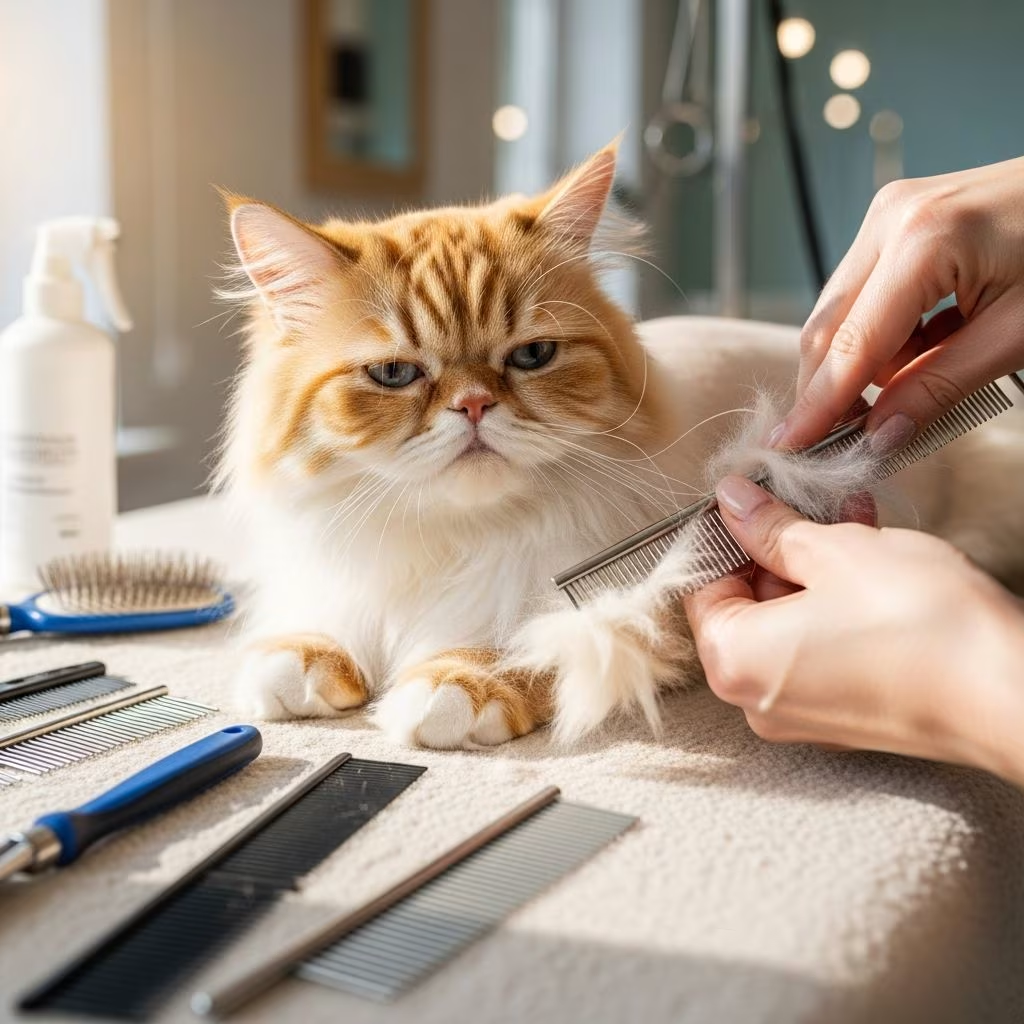
Matted fur in cats forms tight knots of tangled hair close to the skin, often leading to irritation if ignored. Regular grooming prevents these issues and keeps your cat comfortable.
Understanding the Roots of Matted Fur
Cats groom meticulously, but factors disrupt this process, allowing dead hair, oils, and debris to clump. Common triggers include insufficient self-grooming from obesity, where excess weight limits reach to areas like the back; arthritis in seniors restricting flexibility; and dental pain diverting attention from coat maintenance. Environmental elements exacerbate risks: high humidity promotes tangling, dry air sparks static electricity worsening knots, and seasonal shedding in fall or spring overloads undercoats, especially outdoors.
Long-haired breeds face heightened vulnerability due to dense coats trapping loose strands. Friction zones—belly, armpits, hind leg backs, and ear bases—accumulate mats fastest as hairs rub during movement. Neutered or unneutered males with oily coats may see accelerated buildup from excess sebum. Recognizing these causes empowers proactive care.
High-Risk Breeds and Age Factors
Certain genetics predispose cats to matting. Breeds with plush undercoats demand vigilant brushing.
| Breed | Coat Traits | Matting Hotspots |
|---|---|---|
| Persian | Long, thick, dense undercoat | Belly, hind legs |
| Maine Coon | Silky long fur, heavy shedding | Armpits, back |
| Ragdoll | Semi-long, soft texture | Underarms, ears |
| Norwegian Forest | Water-resistant double coat | Rear, flanks |
Senior cats over 10 years often neglect grooming due to osteoarthritis, obesity, or skin changes like reduced elasticity, amplifying mat pain on thinner frames. Indoor cats shed less seasonally but still need attention; outdoor ones battle dirt and moisture daily.
Safe Techniques for Removing Existing Mats
Never yank or cut mats near skin—risks include cuts, bruising, or terrorizing your cat. Start gently: isolate the mat, apply cornstarch to loosen, then tease apart with fingers or a wide-tooth comb. Progress to slicker brushes for surface layers.
For stubborn cases, professional groomers employ specialized methods:
- Detangling sprays: Conditioners lubricate without water, easing comb-through.
- Clipper shaves: Close cropping for severe mats, followed by regrowth monitoring.
- Lion or teddy bear cuts: Creative trims reduce length in prone areas, preventing recurrence.
Bathing aids removal: Use cat-specific shampoo, lather avoiding face, rinse thoroughly with lukewarm water via cup or sprayer. Dry fully to avoid chills. Post-bath combing capitalizes on wet fur’s pliability.
Essential Grooming Tools Arsenal
Equip yourself properly for efficiency and cat comfort. Match tools to coat type.
| Tool | Best For | Usage Tips |
|---|---|---|
| Slicker brush | Removing loose undercoat | Gentle strokes, avoid skin pressure |
| Pin brush | Long fur detangling | Start tips-to-roots in sections |
| Wide-tooth comb | Mat loosening | Work small areas patiently |
| Rubber curry brush | Short coats, massage | Circular motions for oils |
| Detangling spray | All coats prep | Spray, wait 5 mins, comb |
Store tools clean; replace frayed ones. Frequency: Short-haired weekly (10 mins), long-haired daily (15-20 mins).
Building a Prevention Routine
Consistency trumps intensity. Integrate grooming into daily life for mat-free bliss.
- Daily sessions: Short-haired: 1-2x/week; long-haired: daily, focusing friction zones.
- Technique: Pet first to scout tender spots, brush head-to-tail, alternate tools: rubber for loose fur, pin for tangles, comb to finish.
- Environment tweaks: Reduce static with humidifiers in dry winters; wipe outdoor cats post-adventure.
- Diet boost: Omega-3 rich foods enhance coat shine, reducing oiliness and fragility.
Schedule pro groom every 4-8 weeks for longhairs, especially seniors or obese cats. Monitor weight via vet checkups—trim helps reach.
Caring for Special Needs Cats
Obese cats mat on backs/lower regions; elevate food to encourage movement, brush supported on laps. Arthritic elders benefit from heated mats, short upright sessions, treats for positivity. Post-surgery or ill cats need gentle handling; consult vets for pain management enabling grooming.
Transition finicky cats: Pair brushing with play, use pheromone sprays for calm. Praise lavishly—builds tolerance.
Health Signals in Matting
Mats signal deeper issues. Sudden onset? Check for hyperthyroidism boosting shed, allergies inflaming skin, or parasites embedding. Oily sheen flags endocrine imbalance. Vet visits essential if grooming declines, revealing dental decay or joint degeneration. Early intervention prevents escalation.
Frequently Asked Questions
1. How often should I brush my cat to avoid mats?
Short-haired: Weekly; long-haired: Daily. Adjust for shedding seasons.
2. Can I cut mats out at home?
Only with blunt scissors far from skin; pros recommended for safety.
3. Why does my indoor cat mat despite grooming?
Diet, age, or static; enhance nutrition, increase humidity.
4. Is bathing necessary for matted fur?
Yes, loosens debris; use cat shampoo sparingly.
5. What if my cat hates brushing?
Short sessions, distractions, gradual desensitization.
6. Do senior cats need pro grooming?
Often yes—arthritis limits self-care; every 1-2 months.
Long-Term Coat Wellness
Sustained grooming fosters bonding, cuts allergens from shed, and spots issues early. Track progress: Shinier fur, less litter cling, happy demeanor. Adapt routines seasonally—more in sheds. Invest in quality tools; your cat’s purrs repay tenfold.
For persistent mats or health flags, pair home efforts with vet-pro input. Healthy cats self-maintain; your role amplifies that.
References
- Matting in Cats: Causes, Prevention, and Grooming Solutions — Alex the Cat Groomer. Accessed 2026. https://alexthecatgroomer.com/matting-in-cats-causes-prevention-and-grooming-solutions/
- Pet Grooming: How to Handle Matting in Dogs and Cats — PetMD. Accessed 2026. https://www.petmd.com/dog/grooming/pet-grooming-how-handle-matting-dogs-and-cats
- Why do older cats get matted fur, and what should I do? — Stoney Creek Veterinary. 2024-02-28. https://www.stoneycreekveterinary.com/site/blog/2024/02/28/groom-old-cat
- How to Get Mats Out of Cat Fur — Purina US. Accessed 2026. https://www.purina.com/articles/cat/health/routine-care/cat-matted-fur-how-often-to-brush



