

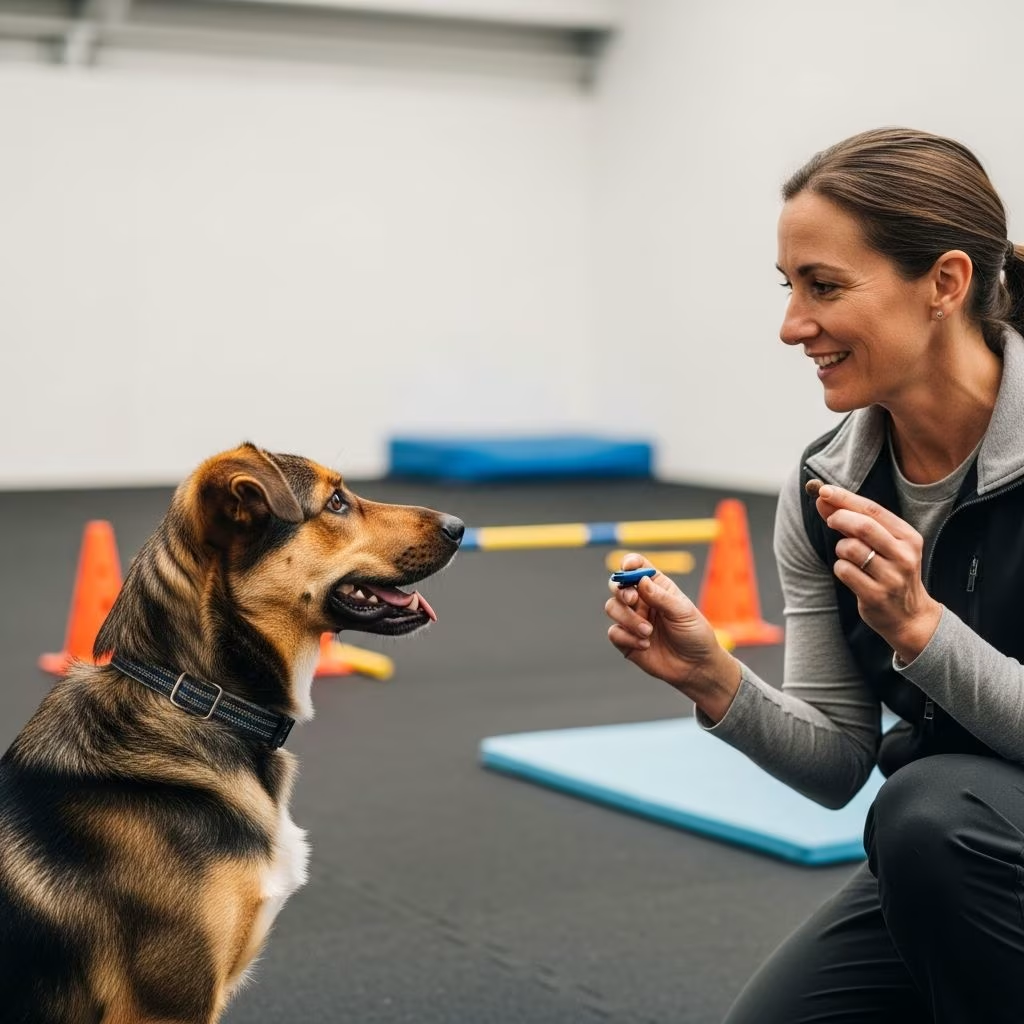
Addressing aggression in dogs requires a thoughtful, structured approach that prioritizes safety, understanding root causes, and building positive associations. This comprehensive guide outlines key methods to help owners manage and reduce aggressive tendencies effectively.
Understanding the Roots of Canine Aggression
Aggression in dogs often stems from fear, anxiety, lack of socialization, or past negative experiences rather than inherent ‘dominance.’ Identifying triggers—such as unfamiliar people, other animals, or specific environments—is the first step toward change.
- Fear-Based Aggression: Dogs react defensively to perceived threats, showing signs like stiff posture, growling, or snapping.
- Resource Guarding: Protecting food, toys, or space can escalate to bites if not addressed early.
- Frustration or Redirected Aggression: Leash restraint or barriers may provoke outbursts toward owners or nearby objects.
Professional evaluation helps pinpoint these causes, ensuring training targets the underlying issue rather than symptoms.
Why Professional Guidance is Essential
Before attempting any training, consult a certified dog behaviorist or trainer experienced in aggression cases. They assess your dog’s specific needs, rule out medical issues, and craft a customized plan.
Experts use evidence-based techniques proven to lower aggression by up to 35% in 12 weeks through reward-focused methods. Avoid outdated punishment tools like shock collars, which can heighten anxiety and worsen behavior.
| DIY Risks | Professional Benefits |
|---|---|
| Potential injury to dog or humans | Safe, tailored interventions |
| Misreading body language | Expert reading of signals |
| Slow or inconsistent progress | Measurable goals and timelines |
Building a Strong Foundation with Obedience
Mastering basic commands forms the bedrock of aggression management. Commands like ‘sit,’ ‘stay,’ ‘leave it,’ and ‘come’ allow redirection during tense moments.
- Practice in low-distraction settings daily for 5-10 minutes.
- Use high-value treats to reward compliance instantly.
- Gradually introduce distractions, fading treats over time.
Obedience builds impulse control and strengthens the owner-dog bond, reducing frustration-driven aggression.
Desensitization: Gradual Exposure to Triggers
Desensitization involves exposing your dog to aggression triggers at sub-threshold levels—below the point of reaction—while pairing with rewards. This rewires their emotional response over time.
Step-by-Step Process:
- Identify the trigger distance (e.g., 50 feet from another dog).
- Expose at that safe distance, offering treats for calm behavior.
- Slowly decrease distance as tolerance builds, stopping if stress signs appear.
For stranger aggression, start with distant passersby, progressing to calm interactions. Patience prevents setbacks.
Counter-Conditioning: Shifting Emotional Responses
Counter-conditioning changes a dog’s negative association with a trigger into a positive one. When the trigger appears, provide something highly rewarding, like favorite treats or play.
Example: For dog-to-dog aggression, spot another dog from afar and immediately deliver treats. Repeat until the sight prompts anticipation of rewards rather than hostility.
Combine with desensitization for optimal results, as studies show this duo effectively reduces reactivity.
Socialization Techniques for Aggressive Dogs
Socialization must be cautious and controlled for aggressive dogs to avoid reinforcing fears. Skip busy dog parks; opt for structured setups.
- Controlled Introductions: Use leashes, muzzles, and fences with calm, known dogs.
- Positive Experiences: Reward neutral or friendly interactions lavishly.
- Varied Exposures: Introduce diverse people, sounds, and surfaces gradually.
Start young if possible, but adults benefit from consistent, low-pressure sessions.
Incorporating Mental and Physical Enrichment
Aggression often links to boredom or pent-up energy. Enrichment activities tire the mind, boosting confidence and reducing stress.
- Puzzle toys and scent games for mental workouts.
- Confidence-building exercises like agility basics or ‘find it’ games.
- Daily walks in safe areas, avoiding triggers initially.
Variable reinforcement—random rewards—strengthens behaviors long-term.
Management Tools for Safety
While training progresses, use tools to prevent incidents:
- Muzzles: Basket-style for safe panting and treats during sessions.
- Leashes and Harnesses: Front-clip for better control.
- Barriers: Baby gates or crates for downtime.
These buy time for behavior change without punishment.
Advanced Training Methods
For stubborn cases, explore:
- Clicker Training: Precise marking of good behavior.
- Shaping: Incremental rewards for complex skills.
- Tech Aids: Virtual exposure via apps for safe practice.
Track progress with journals noting trigger responses and calm durations.
Addressing Severe Cases: Medication and Beyond
Veterinarians may prescribe anti-anxiety meds alongside training for extreme aggression. Always pair with behavior modification under supervision.
Rehoming or euthanasia are last resorts if risks persist despite efforts.
Common Pitfalls and How to Avoid Them
- Inconsistency: All household members must follow the plan.
- Rushing Exposure: Progress too fast leads to relapses.
- Ignoring Warnings: Lip licks, yawning, or whale eyes signal stress—retreat immediately.
Long-Term Success Strategies
Commit to lifelong management: annual professional check-ins, ongoing enrichment, and trigger avoidance where needed. Most dogs improve dramatically with dedication.
Frequently Asked Questions
Can aggression in dogs be fully cured?
While not always ‘cured,’ it can be reliably managed to safe levels with consistent training. Success rates are high with professional input.
How long does training take?
Typically 8-12 weeks for noticeable change, but full management may take months. Patience is key.
Is muzzle training cruel?
No, when introduced positively, it’s a humane safety tool allowing normal behaviors like drinking.
What if my dog aggresses toward me?
Seek immediate professional help; this requires nuanced handling to rebuild trust.
Are certain breeds more aggressive?
No breed is inherently aggressive; environment, training, and genetics interact. Focus on individual behavior.
References
- A Guide To Socializing Your Aggressive Dog — WoofyClub. 2023. https://www.woofyclub.com/dog-care/how-to-socialize-an-aggressive-dog
- Effective Aggressive Dog Training Methods for a Safer Home — Mias Muzzles. 2024. https://miasmuzzles.com/effective-aggressive-dog-training-methods-for-a-safer-home/
- 5 Aggressive Dog Training Tips That Work — Balanced K9 Academy. 2023. https://balanced-k9.com/lifestyle/5-aggressive-dog-training-tips-that-work/
- How to Work with Aggressive Dog Behavior — Andrea Arden. 2022. https://andreaarden.com/dog-training/how-to-work-with-aggressive-dog-behavior/
- How to Train A Dog Who Is Aggressive — The Online Dog Trainer. 2024. https://theonlinedogtrainer.com/training-aggressive-dogs-understanding-dominant-and-fearful-aggression/
- Mastering Understanding Dog Aggression Training Techniques Fully — The Collar Club Academy. 2025. https://www.thecollarclubacademy.com/blog/mastering-understanding-dog-aggression-training-techniques-fully



