

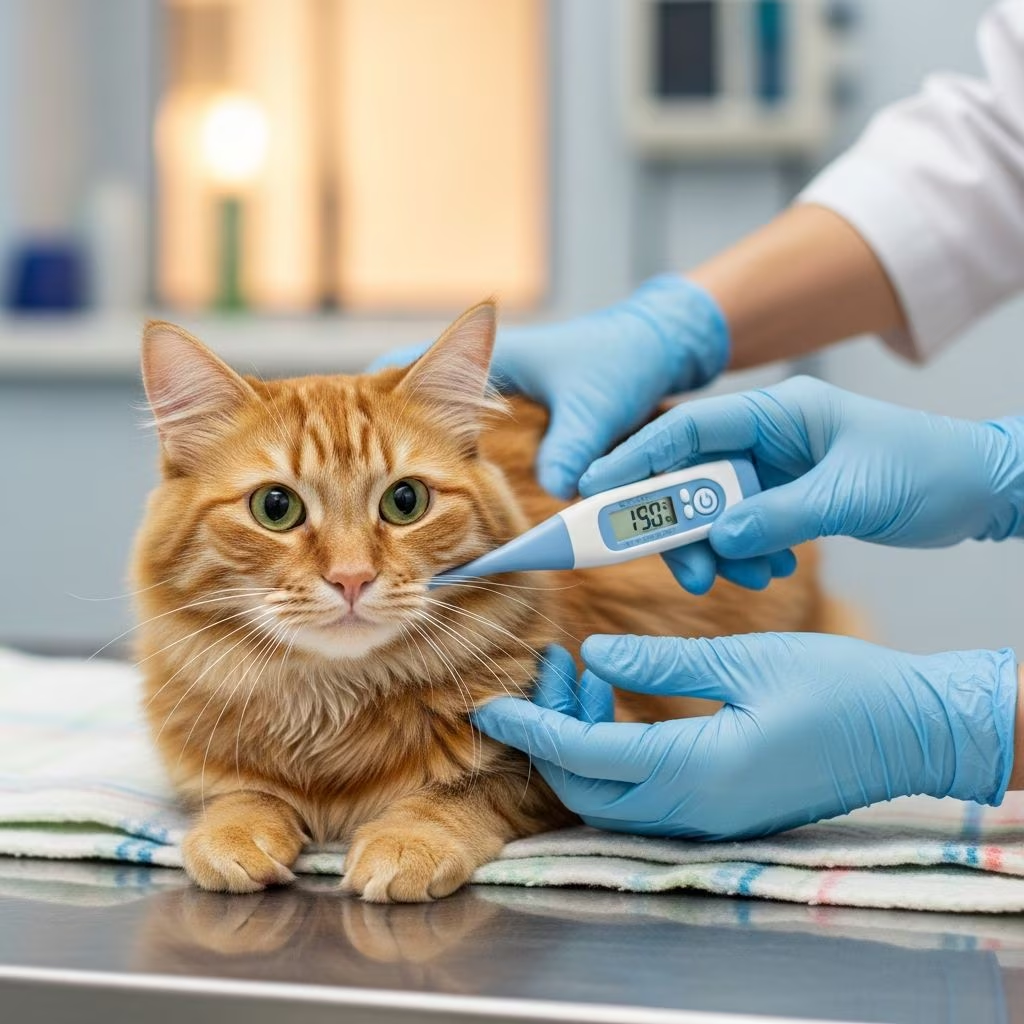
Taking Your Pet’s Temperature: A Complete Guide
Knowing how to take your pet’s temperature is one of the most valuable skills a pet owner can develop. A pet’s body temperature can reveal important information about their health status and help you determine whether veterinary care is necessary. Unlike humans, pets cannot tell us when they feel feverish or unwell, making accurate temperature monitoring an essential aspect of responsible pet care. This comprehensive guide will walk you through everything you need to know about taking your pet’s temperature safely and effectively.
Understanding Normal Pet Body Temperature
Before you can identify when your pet has a fever or is experiencing hypothermia, it’s crucial to understand what constitutes a normal body temperature. The normal body temperature range for dogs is between 100.5°F and 102.5°F (38.1°C and 39.2°C). Cats share a similar normal temperature range, typically between 100.5°F and 102.5°F (38.1°C and 39.2°C).
It’s important to note that normal body temperature can vary slightly from pet to pet, just as it does in humans. Some variation is natural and not necessarily indicative of illness. However, any temperature consistently above 103.5°F (39.7°C) warrants attention and should be reported to your veterinarian. Additionally, temperatures below 99°F (37.2°C) may indicate hypothermia or shock and require immediate veterinary care.
Types of Thermometers for Pets
Choosing the right thermometer is the first step in accurately monitoring your pet’s temperature. Several types of thermometers are suitable for use with pets, each with distinct advantages and disadvantages.
Digital Rectal Thermometers
Digital rectal thermometers are the most commonly recommended option for pet owners. These thermometers provide quick, accurate readings, typically within 30 seconds to one minute. Digital thermometers are preferred because they offer reliable results and are safer than traditional glass mercury thermometers, which can break and pose a hazard to your pet.
Aural (Ear) Thermometers
Aural or infrared ear thermometers offer a non-invasive alternative to rectal thermometers. Temperature can be taken aurally, making the process less stressful for some pets. However, ear thermometers can be less accurate if not properly positioned in the ear canal, and they may not work well for pets with ear infections or excessive ear hair.
Non-Contact Infrared Thermometers
Non-contact infrared thermometers allow you to check your pet’s temperature without physical contact. While convenient, these devices may be less accurate for pets due to variations in coat color and texture, which can affect how infrared readings are captured.
Preparing for Temperature Taking
Successful temperature taking begins with proper preparation. Gather all necessary supplies before attempting to take your pet’s temperature. You’ll need your chosen thermometer, lubricant (such as petroleum jelly or a water-based lubricant), tissues or paper towels, and treats or rewards to provide positive reinforcement.
Choose a calm time when your pet is relaxed and not overly excited or anxious. If your pet is agitated or stressed, their body temperature may be artificially elevated due to activity or anxiety. It’s also helpful to have another person available to gently restrain or comfort your pet during the process, making the experience less stressful for everyone involved.
Step-by-Step Instructions for Taking Rectal Temperature
The rectal method remains the gold standard for pet temperature measurement due to its accuracy and reliability. Follow these steps for the safest and most accurate results:
Before You Begin
Turn on your digital thermometer and ensure it’s functioning properly. Apply a thin layer of lubricant to the tip of the thermometer. This reduces friction and makes the process more comfortable for your pet. Have treats ready to offer as a reward after the procedure.
Positioning Your Pet
Position your pet in a standing or sternal recumbent (chest down) position. This positioning makes insertion easier and keeps your pet stable. If your pet is particularly anxious or resistant, consider having another person gently hold or comfort them during the process.
Insertion and Reading
Gently insert the thermometer into the rectum, inserting approximately one-half to one inch of the thermometer tip. Insert slowly and carefully to avoid causing discomfort or injury. Hold the thermometer in place until you hear a beep or see an indicator that the reading is complete, usually within 30 seconds to one minute.
Removal and Cleanup
Gently remove the thermometer and read the temperature displayed on the screen. Clean the thermometer thoroughly with a tissue and soap and warm water, then store it safely. Immediately praise and reward your pet to create a positive association with the experience.
Taking Aural Temperature
For pets where rectal measurement is not feasible, aural temperature measurement offers an alternative. Gently insert the covered probe tip into your pet’s ear canal at a slight angle, ensuring a snug fit. Hold it in place until the thermometer beeps and registers a reading. Aural measurement is faster and less invasive than rectal measurement, though it may be slightly less accurate in some cases.
What Different Temperature Readings Mean
Understanding what various temperature readings indicate is essential for determining the appropriate response. The following temperature ranges provide guidance:
| Temperature Range | Classification | Meaning and Action |
|---|---|---|
| Below 99°F (37.2°C) | Hypothermia | Abnormally low temperature; seek immediate veterinary care |
| 100.5°F–102.5°F (38.1°C–39.2°C) | Normal | Healthy temperature range; no action needed |
| 102.5°F–103.5°F (39.2°C–39.7°C) | Slightly Elevated | Monitor closely; may indicate early fever or stress |
| Above 103.5°F (39.7°C) | Fever | Contact your veterinarian for guidance |
| Above 104°F (40.0°C) | High Fever | Seek immediate veterinary care |
| Above 106°F (41.1°C) | Critical Hyperthermia | Medical emergency; seek emergency veterinary care immediately |
When to Take Your Pet’s Temperature
While routine temperature checks are not necessary for healthy pets, you should take your pet’s temperature in specific situations to help your veterinarian make accurate diagnoses and recommendations.
Signs Indicating Temperature Measurement
Take your pet’s temperature when you notice signs of illness, including:
– Lethargy or unusual lack of energy
– Loss of appetite or decreased food intake
– Excessive panting or labored breathing
– Vomiting or diarrhea
– Shivering or trembling
– Excessive drooling
– Rapid pulse
– Warm ears or nose
– Behavioral changes or unusual irritability
Additionally, take your pet’s temperature if they have been exposed to extreme environmental conditions, have been very active or stressed, or if you simply suspect they may be unwell.
Common Challenges and Solutions
Many pet owners encounter challenges when attempting to take their pet’s temperature. Understanding these challenges and knowing how to address them can make the experience smoother for both you and your pet.
Anxious or Resistant Pets
If your pet is anxious about temperature taking, practice handling their rear end during regular petting sessions to desensitize them. Use high-value treats to create positive associations with the process. For particularly resistant pets, consider asking your veterinarian for guidance or allowing them to demonstrate the procedure during a routine visit.
Difficulty Obtaining an Accurate Reading
If you’re having trouble obtaining a clear reading, ensure the thermometer tip is properly inserted and held steady. Make sure the thermometer is functioning correctly by testing it on yourself first. If your pet has a thick coat, part the hair slightly to allow better contact with the thermometer probe.
Inaccurate Results
Wait at least 30 minutes after strenuous activity or stress before taking your pet’s temperature, as activity can artificially elevate readings. Ensure your thermometer is properly calibrated and functioning as intended. If you consistently get confusing or inconsistent results, discuss this with your veterinarian, who can take an official reading and help troubleshoot any issues.
When to Contact Your Veterinarian
Knowing when professional veterinary care is necessary is crucial for your pet’s health and safety. Contact your veterinarian immediately if your pet’s temperature exceeds 104°F (40.0°C) or falls below 99°F (37.2°C), as these readings indicate a medical emergency requiring professional intervention.
Additionally, contact your veterinarian if your pet has a temperature above 103.5°F (39.7°C) that persists for more than a few days without an obvious cause. If your pet’s elevated temperature is accompanied by other concerning symptoms such as lethargy, vomiting, diarrhea, or behavioral changes, veterinary evaluation is warranted regardless of the specific temperature reading.
Understanding Fever and Hyperthermia
It’s important to distinguish between fever (caused by infection or illness) and hyperthermia (abnormally elevated body temperature from environmental factors). A fever of unknown origin is classified when body temperature remains above 103.5°F (39.7°C) for longer than a few days without an obvious underlying cause based on history and physical examination.
In contrast, if a pet’s body temperature exceeds 103°F (39.4°C), it is considered abnormal or hyperthermic. Body temperatures above 106°F (41.1°C), without previous signs of illness, are most commonly associated with exposure to excessive external or environmental heat. Understanding the difference helps your veterinarian determine the underlying cause and appropriate treatment.
Recording and Tracking Temperature
When you take your pet’s temperature, write down the reading, the time, and any symptoms or circumstances that may be relevant. This information is invaluable for your veterinarian and helps establish patterns that might indicate the nature of any illness. If your pet has a chronic condition or you’re monitoring them for a specific health concern, maintaining a temperature log allows you to track trends over time.
Tips for Success
– Start with a calm, relaxed pet in a quiet environment
– Use appropriate lubricant to reduce discomfort
– Be gentle and quick to minimize stress
– Reward your pet with treats and praise after the procedure
– Practice regularly with a healthy pet so the procedure becomes routine
– Keep your thermometer clean and well-maintained
– Double-check your reading if it seems unusually high or low
Frequently Asked Questions
Q: Can I use a human thermometer on my pet?
A: Yes, you can use a clean, digital human thermometer on your pet. Digital thermometers designed for humans are safe and accurate for pets. However, dedicated pet thermometers may be more convenient and easier to use.
Q: How often should I take my pet’s temperature?
A: For healthy pets, routine temperature checks are not necessary. Take your pet’s temperature only when they show signs of illness or when specifically instructed by your veterinarian.
Q: Is it normal for my pet’s temperature to fluctuate?
A: Minor fluctuations in body temperature are normal and can occur throughout the day. However, consistent temperatures above or below the normal range warrant veterinary attention.
Q: What should I do if my pet’s temperature is too high?
A: If your pet’s temperature is elevated, contact your veterinarian. For temperatures above 104°F (40.0°C), seek immediate veterinary care, as this indicates a medical emergency.
Q: Can stress affect my pet’s temperature reading?
A: Yes, stress and anxiety can temporarily elevate body temperature. Ensure your pet is calm before taking a reading for the most accurate results.
Q: What is the difference between fever and heat stroke?
A: Fever is an elevated body temperature caused by infection or illness, while heat stroke results from exposure to excessive environmental heat. Both require veterinary attention when temperatures exceed 104°F (40.0°C).
References
- Heat Stroke in Dogs — VCA Animal Hospitals. 2024. https://vcahospitals.com/know-your-pet/heat-stroke-in-dogs
- Fever of Unknown Origin in Dogs — VCA Animal Hospitals. 2024. https://vcahospitals.com/know-your-pet/fever-of-unknown-origin-in-dogs
- Fever of Unknown Origin in Cats — VCA Animal Hospitals. 2024. https://vcahospitals.com/know-your-pet/fever-of-unknown-origin-for-cats
- Prevent, Detect, and Treat Heat Exhaustion in Canines — Jefferson Animal Hospitals. 2024. https://jeffersonanimalhospitals.com/prevent-detect-and-treat-heat-exhaustion-in-canines/
- Safe and Accurate Methods to Take Your Dog’s Temperature Using a Human Thermometer — DHGate. 2024. https://smart.dhgate.com/safe-and-accurate-methods-to-take-your-dogs-temperature-using-a-human-thermometer/



