

Taking Your Pet’s Temperature: A Complete Guide
As a responsible pet owner, knowing how to take your pet’s temperature is an essential skill that can help you monitor their health and detect potential medical issues early. Whether your pet seems lethargic, isn’t eating, or you simply want to check if they have a fever, understanding proper temperature-taking techniques is invaluable. This comprehensive guide will walk you through everything you need to know about measuring your pet’s body temperature accurately and safely.
Understanding Normal Pet Body Temperature
Before you can determine if your pet has an abnormal temperature, it’s important to understand what constitutes a normal body temperature. The normal body temperature range for dogs and cats is between 100.5°F and 102.5°F (38.1°C and 39.2°C). This range is slightly higher than the typical human body temperature of 98.6°F, which can surprise many pet owners.
Puppies and kittens may have slightly higher normal temperatures, sometimes reaching up to 102.5°F, while some older pets might run slightly cooler. It’s helpful to establish your individual pet’s baseline temperature when they’re healthy so you have a reference point for comparison during potential illness.
Understanding these normal ranges is critical because temperatures below 100°F may indicate hypothermia or shock, while temperatures above 103°F are generally considered abnormal or hyperthermic and warrant veterinary attention.
Methods for Taking Your Pet’s Temperature
There are several methods available for taking your pet’s temperature, each with its own advantages and disadvantages. The most accurate method is rectal temperature measurement, though other options exist.
Rectal Temperature Method
The rectal method is considered the gold standard for pet temperature measurement and provides the most accurate results. To take your pet’s rectal temperature, you’ll need a digital thermometer designed for pets or a human thermometer with a thin tip. Lubricate the thermometer tip with petroleum jelly or a water-soluble lubricant to make insertion easier and more comfortable for your pet.
Gently insert the thermometer about one inch into your pet’s rectum and hold it steady until you hear a beep, which typically takes 30-60 seconds with a digital thermometer. Keep the thermometer still during this time, as movement can cause inaccurate readings. Once the reading is complete, gently remove the thermometer and clean it thoroughly with soap and warm water or an alcohol wipe.
Ear Thermometer Method
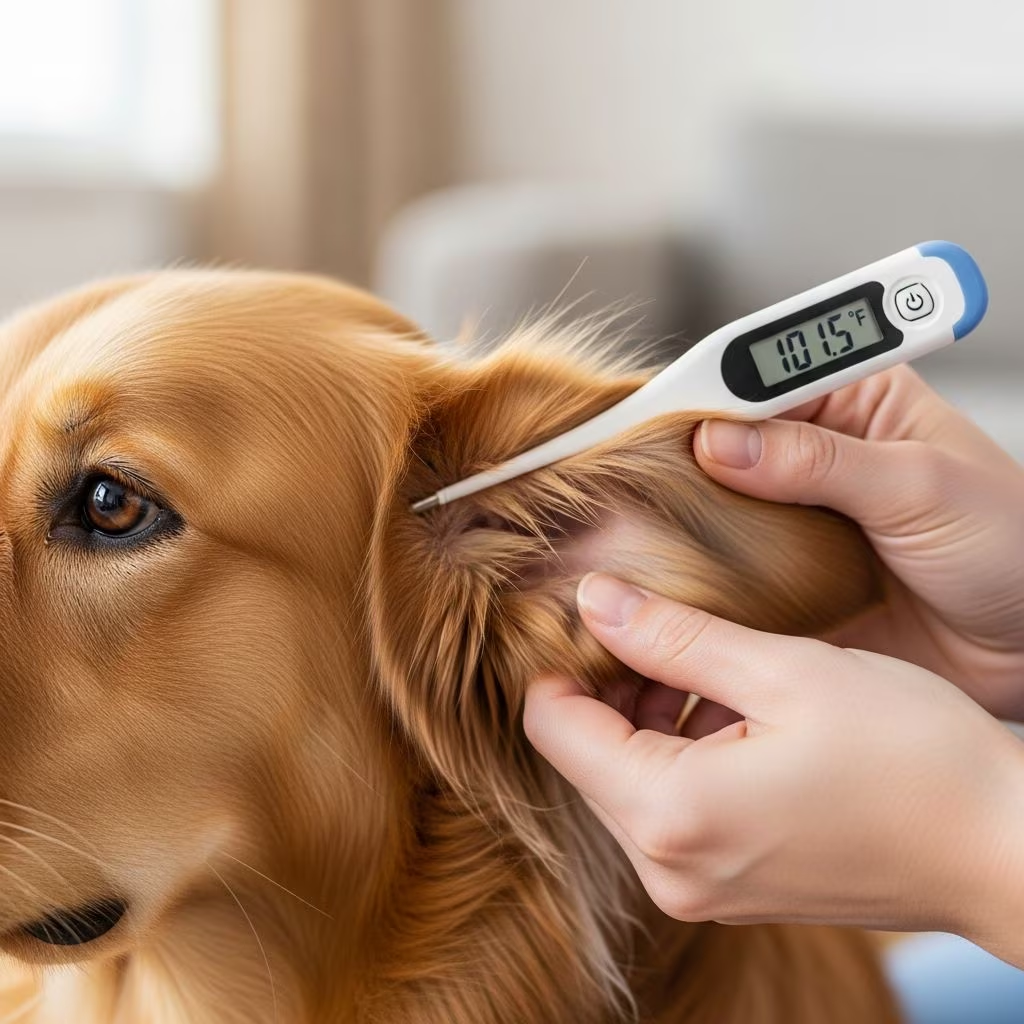
Infrared ear thermometers designed specifically for pets offer a quick and non-invasive alternative to rectal temperature measurement. These thermometers work by measuring the infrared radiation emitted from the ear canal. Simply place the thermometer gently into your pet’s ear canal and press the button, with results appearing in just a few seconds.
Ear thermometers can be particularly useful for anxious pets or in situations where a rectal temperature would be impractical. However, they may be less accurate than rectal measurements, especially if your pet has ear infections or excessive ear wax buildup that could interfere with the reading.
Temporal Artery Thermometer Method
Some pet owners use non-contact infrared thermometers that measure temperature from the temporal artery area on the forehead. While convenient and quick, these thermometers tend to be less accurate for pets and are generally not recommended as your primary method of temperature measurement.
Preparing Your Pet for Temperature Taking
Successfully taking your pet’s temperature often depends on proper preparation and creating a calm environment. Start by gathering all necessary supplies before you begin, including your thermometer, lubricant, and cleaning supplies. This prevents your pet from becoming anxious while you search for items.
Choose a quiet time when your pet is calm and relaxed. If possible, have another person help you gently restrain your pet or provide comfort and reassurance during the process. Speaking in a soothing voice and offering treats before and after can help your pet associate temperature-taking with positive experiences.
For anxious pets, it may help to practice the process gradually over several days before you actually need to take their temperature. Allow your pet to become familiar with the thermometer and the sensation of gentle handling in this area.
Abnormal Temperature Ranges and What They Mean
Recognizing abnormal temperature readings is crucial for determining when your pet needs veterinary care. When your pet’s temperature exceeds 103°F (39.4°C), it is considered abnormal or hyperthermic and warrants attention.
Fever (Elevated Temperature)
A fever occurs when your pet’s body temperature rises above the normal range. To be classified as a fever of unknown origin (FUO), the body temperature must be above 103.5°F (39.7°C) for longer than a few days, with no obvious underlying cause. Fever is typically the body’s natural response to infection or inflammation and can actually be beneficial in helping the immune system fight off illness.
However, if the body temperature remains above 105°F (40.5°C) for more than a day or two, your pet may become lethargic and anorexic, and can rapidly become dehydrated. If the temperature persists above 106°F (41.1°C), serious complications such as cerebral edema, bone marrow suppression, and clotting disorders may develop.
Heat Stroke (Severe Hyperthermia)
Heat stroke is a serious condition where a pet’s body temperature becomes dangerously elevated due to environmental heat or inadequate cooling. Body temperatures above 106°F (41°C) without previous signs of illness are often associated with exposure to excessive external or environmental heat and are referred to as heat stroke. The critical temperature where multiple organ failure and impending death occurs is around 107°F to 109°F (41.2°C to 42.7°C).
The most common cause of heat stroke in dogs is being left in a car with inadequate ventilation, where body temperature can elevate very rapidly, often within minutes. Unlike humans, dogs cannot control their body temperature by sweating because they have very few sweat glands located only in their footpads. Instead, panting is their primary way of regulating body temperature.
Hypothermia (Low Temperature)
Hypothermia occurs when your pet’s body temperature drops below 100°F and can indicate shock or other serious conditions requiring immediate veterinary attention. This is particularly dangerous and requires prompt medical intervention.
Clinical Signs Associated with Temperature Changes
Beyond the actual temperature reading, it’s important to recognize the clinical signs that accompany temperature abnormalities in your pet.
Signs of Fever or Heat Exhaustion
When your pet is experiencing elevated body temperature, you may notice:
– Excessive panting- Drinking large amounts of water- Lethargy or lack of energy- Loss of appetite- Shivering in some cases
Signs of Heat Stroke
Heat stroke is a medical emergency and presents with more severe symptoms:
– Restlessness and agitation- Heavy drooling with thick saliva- Bright red tongue and gums- Weakness or collapse- Vomiting or diarrhea- Racing or rapid pulse- Limbs that are warm or hot to the touch- Disorientation or confusion- High body temperature (≥105°F)
First Aid for Heat Stroke
If you suspect your pet is experiencing heat stroke, immediate action is critical. First, remove your pet from the hot environment and move them to a cool, shaded area or air-conditioned space immediately.
Begin cooling measures right away by gently spraying or applying cool or tepid water to your pet’s body. It’s crucial to use cool water, not ice water or ice baths, as the application of extremely cold substances causes blood vessels to constrict, blood to flow more slowly, and actually limits overall cooling.
Apply wet, cool towels along your pet’s chest, abdomen, between their legs, and around the neck. You can also encourage your pet to drink cool water, but do not force an overheated animal to drink. Keep your pet calm and use fans if available, as they are very effective in decreasing temperature.
Once cooling measures are initiated, monitor your pet’s rectal temperature every 2-3 minutes. Once the temperature has decreased to 103-104°F, discontinue active cooling measures to prevent hypothermia. It’s essential that you transport your pet to a veterinary hospital as soon as possible, as heat stroke can cause lasting damage to your pet’s internal temperature regulation system.
When to Contact Your Veterinarian
You should contact your veterinarian immediately if your pet’s temperature exceeds 103°F or falls below 100°F. Additionally, seek immediate veterinary care if:
– Your pet displays signs of heat stroke- Fever persists for more than a few days- Temperature exceeds 105°F- Your pet shows other concerning symptoms such as vomiting, diarrhea, or extreme lethargy- Your pet seems in distress or pain- Temperature is accompanied by other signs of illness
Diagnostic Process for Fever of Unknown Origin
If your pet has a fever and your veterinarian cannot immediately identify the cause, they will perform a fever of unknown origin (FUO) workup. This typically includes a thorough physical examination, looking for problems with the neurological system, limbs and joints, and eyes.
Diagnostic blood tests usually include a complete blood cell count (CBC), serum biochemistry panel, and urinalysis. Urine cultures are often performed to search for underlying urinary tract infections. Additional imaging or testing may be recommended based on the initial findings.
Prevention of Temperature-Related Issues
The best approach to temperature-related problems is prevention. During hot weather, ensure your pet has constant access to fresh, cool water. Provide ample shade and avoid leaving your pet in parked cars, even briefly. Limit outdoor activity during the hottest parts of the day, and gradually acclimate your pet to temperature changes when moving to a warmer climate.
Be especially cautious with breeds that are more susceptible to overheating, including dogs with shorter faces and noses such as Boxers, Mastiffs, Pugs, and Bulldogs. Dogs that are dehydrated, overexerted, untrained, obese, or have underlying medical conditions such as heart disease are also at higher risk.
Frequently Asked Questions (FAQs)
Q: What is the most accurate way to take my pet’s temperature?
A: The rectal method using a digital thermometer is the most accurate way to take your pet’s temperature. It provides reliable results and is considered the gold standard in veterinary medicine.
Q: Can I use a human thermometer on my pet?
A: Yes, you can use a standard human digital thermometer on your pet, particularly for rectal temperature measurement. However, thermometers specifically designed for pets may be more comfortable for your pet.
Q: How often should I check my pet’s temperature?
A: You should check your pet’s temperature if they show signs of illness or if your veterinarian recommends it. During heat stroke treatment, temperature should be monitored every 2-3 minutes until stabilized.
Q: Is a temperature of 102°F normal for my dog?
A: Yes, a temperature of 102°F is within the normal range for dogs, which spans from 100.5°F to 102.5°F. Puppies may run on the higher end of this range.
Q: What should I do if my pet’s temperature is 104°F?
A: A temperature of 104°F is elevated and warrants veterinary attention. Contact your veterinarian to determine the underlying cause and appropriate treatment.
Q: Are certain pets more prone to temperature problems?
A: Yes, brachycephalic breeds (flat-faced dogs), obese pets, and those with underlying medical conditions are more susceptible to overheating and temperature regulation issues.
References
- Heat Stroke in Dogs — VCA Animal Hospitals. 2024. https://vcahospitals.com/know-your-pet/heat-stroke-in-dogs
- Safe and Accurate Methods to Take Your Dog’s Temperature Using a Human Thermometer — DHGate. 2024. https://smart.dhgate.com/safe-and-accurate-methods-to-take-your-dogs-temperature-using-a-human-thermometer/
- Heat Stress Injury Prevention and Care — VCA Animal Hospitals. 2024. https://vcahospitals.com/know-your-pet/heat-stroke-in-dogs
- Fever of Unknown Origin in Dogs — VCA Animal Hospitals. 2024. https://vcahospitals.com/know-your-pet/fever-of-unknown-origin-in-dogs
- Fever of Unknown Origin in Cats — VCA Animal Hospitals. 2024. https://vcahospitals.com/know-your-pet/fever-of-unknown-origin-for-cats



