

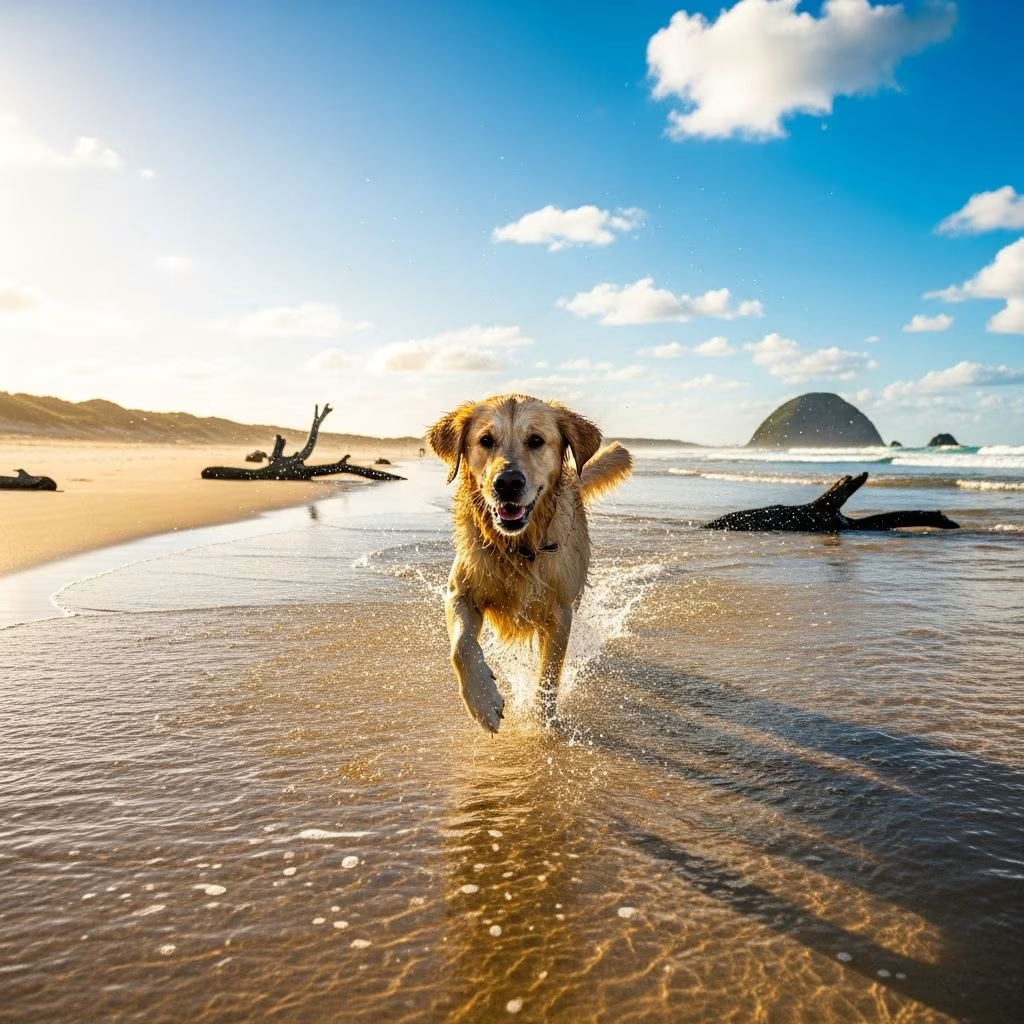
Taking Your Dog to the Beach: Essential Tips for Safe Fun
The beach is an ideal destination for a relaxing day outdoors, and many dog owners love bringing their furry companions along to enjoy the sun, sand, and surf. However, while the beach offers wonderful opportunities for bonding and exercise, it also presents unique challenges and hazards that every pet owner should understand. The very elements that make a beach day enjoyable—warm sunshine, inviting water, and soft sand—can pose serious risks to your dog’s health and safety if proper precautions aren’t taken. By preparing adequately and following expert guidance, you can ensure your pup enjoys a fun and safe beach adventure while minimizing potential health concerns.
Keep Your Dog Cool to Prevent Heat-Related Illness
One of the most significant threats to dogs at the beach is heat exhaustion and heatstroke, particularly during summer months when temperatures soar. These conditions can develop rapidly and are potentially life-threatening. Dogs lack the efficient cooling mechanisms that humans possess, making them more vulnerable to overheating, especially in direct sunlight on a sandy beach where temperatures reflect upward intensely.
To protect your dog from heat-related illness, avoid visiting the beach during the hottest parts of the day, typically between 10 a.m. and 4 p.m. Instead, plan your beach outing for early morning or late evening when temperatures are cooler and the sun’s rays are less intense. During your visit, ensure your dog has constant access to shade—whether from an umbrella, beach tent, or natural sources like trees or rock formations. Never leave your dog in direct sunlight for extended periods.
Equally important is providing unlimited access to fresh, cool drinking water throughout your beach visit. Bring multiple bottles of fresh water and a portable bowl so your pup can stay hydrated. Avoid letting your dog drink saltwater, as this can cause dehydration and gastrointestinal upset. Keep activity levels moderate by limiting intense play sessions. While your dog may be eager to run and fetch, break up playtime with frequent rest periods in shaded areas. Allow your pup to cool off, drink water, and recover between activities. Watch for signs of heat stress including excessive panting, drooling, lethargy, or difficulty moving, and immediately seek shade and water if these symptoms appear.
Ensure Water Safety Before and During Beach Visits
Before taking your dog to the beach, it’s essential to build their confidence in water through controlled practice in a safe environment like a swimming pool or calm pond. Not all dogs are natural swimmers, and some breeds with short legs or heavy builds may struggle in water. Even breeds typically known for swimming ability can encounter difficulties in ocean conditions. Practicing in calm, controlled water helps your dog develop comfort and skill before facing the unpredictable nature of ocean tides and currents.
When at the beach, carefully monitor tide charts and water conditions. In many regions, wave sizes and current strengths vary significantly depending on the season and time of day. Avoid beach days when currents are strong or when dangerous weather conditions are predicted. Ocean conditions can change rapidly, and what appears calm on the surface may have dangerous undertows or rip currents.
Consider using a properly fitted dog life jacket even if your dog is an experienced swimmer. A quality canine life jacket with a chin support flap provides flotation assistance and is typically available in bright colors that make your dog more visible in the water. The chin support helps prevent your dog from sliding out or flipping over, and the bright coloring helps you keep visual track of your pup, especially in crowded beach situations. Always maintain close visual contact with your dog when off-leash near water. Never turn your back on the ocean, as conditions can change suddenly and unexpected situations can develop quickly. Keep a watchful eye on your dog’s swimming behavior, watching for signs of fatigue or distress, and be prepared to intervene immediately if needed.
Protect Your Dog’s Skin From Sun Damage
Dogs are vulnerable to sunburn just like humans, particularly in areas where fur is thin or absent. The nose, ears, belly, and inner thighs are especially susceptible to UV damage and sunburn. While most dogs have protective fur covering, areas with less pigmentation or thinner hair coats remain vulnerable.
Invest in high-quality dog sunscreen specifically formulated for canine skin, as these products are designed to be safe for dogs and free from potentially harmful ingredients like zinc oxide that may be present in human sunscreen formulations. Apply dog sunscreen generously to vulnerable areas including the nose, ear tips, and any other areas with thin fur or pink skin. Rub the sunscreen in thoroughly and allow it to dry completely before bringing your dog outside. Avoid simply slathering sunscreen on your dog’s skin and leaving immediately, as proper application and absorption require time.
After your beach day, conduct a thorough skin check on your dog. Look for signs of sunburn including red, inflamed patches, peeling skin, or blistering. Also examine your dog’s eyes for irritation from sun exposure or sand. If you notice signs of sunburn or eye irritation that don’t resolve quickly, contact your veterinarian for guidance. Some dogs may benefit from additional protection such as protective clothing or limiting their beach time during peak UV hours.
Prevent Parasites and Bacterial Infections
Beach environments expose dogs to numerous parasites and bacteria that can cause serious health problems. Stagnant pools of water that form along the shoreline can harbor dangerous bacteria including those responsible for leptospirosis, a potentially severe infection that can lead to kidney failure and other serious complications. These shallow pools may appear harmless but can be breeding grounds for pathogens.
Prevent your dog from wading through or drinking from any stagnant or standing water at the beach. Even water that appears clean and inviting can contain harmful organisms invisible to the naked eye. Provide fresh drinking water exclusively and encourage your dog to drink from your portable water bowl rather than from natural beach sources.
Additionally, ensure your dog is protected from fleas and ticks before visiting the beach. Outdoor environments, particularly sandy areas near water, can harbor these parasites. If your dog isn’t already on a preventative medication, consider using a waterproof flea and tick collar that provides extended protection—some formulations offer up to eight months of coverage. Topical treatments and oral medications also provide excellent protection and may be particularly suitable depending on your dog’s needs and your veterinarian’s recommendations. After your beach visit, perform a thorough body check for ticks or signs of flea activity, and bathe your dog to remove sand and debris while also helping to eliminate any parasites that may have attached.
Essential Beach Supplies and Gear
Preparing with the right supplies ensures a safer, more enjoyable beach experience for both you and your pup. Here are critical items to pack for your beach outing:
Fresh Water and Hydration: Bring multiple bottles of fresh water and a portable, collapsible bowl. Dehydration happens quickly on the beach, especially in hot weather.
Dog Life Jacket: Even for experienced swimmers, a properly fitted life jacket with flotation capability and bright coloring significantly enhances water safety.
Sunscreen: Pack dog-specific sunscreen and apply it to vulnerable areas before heading to the beach.
Poop Bags: Be a responsible beach guest by bringing waste bags and disposing of your dog’s waste properly. Many beaches require this, and it’s important for community relations.
First Aid Kit: Prepare a dog-specific first aid kit containing bandages, antiseptic wipes, tweezers for tick removal, and any medications your dog may need.
Water Toys: Pack floating toys designed for water play. Soft, floating discs are excellent choices as they won’t sink and won’t damage your dog’s teeth.
Towel: Bring an absorbent dog towel for drying off after water play and to help remove sand from your pup’s coat.
Cooling Accessories: Consider bringing a cooling vest or cooling bandana to help regulate your dog’s body temperature during hot weather beach days.
Treats and Rewards: Pack high-value treats for training, positive reinforcement, and mental enrichment during your beach visit.
Parasite Prevention: Ensure your dog’s flea and tick prevention is current before beach visits to prevent bringing parasites home.
Health Considerations Before Beach Visits
Before taking your dog to the beach, consider your individual dog’s health status and capabilities. Puppies may not have fully developed immune systems and could be more susceptible to infections. Senior dogs may have reduced tolerance for heat and exercise. Dogs with certain health conditions, joint problems, or breathing difficulties may struggle with beach activities.
Consult with your veterinarian before planning beach trips if your dog has any health concerns. Some breeds, particularly those with short snouts like Bulldogs or Pugs, are more prone to heat-related illness and may require extra precautions or shorter beach visits. Dogs with thin or sensitive skin may need additional sun protection measures.
Ensure your dog is up-to-date on vaccinations and parasite prevention before beach visits, as exposure risk increases in outdoor environments. Some beaches require proof of current vaccinations for off-leash access, so check local regulations before your visit.
Beach Etiquette and Leash Laws
Different beaches have varying regulations regarding dogs. Some beaches allow off-leash play in designated areas, while others require dogs to remain leashed at all times or prohibit dogs during certain seasons or hours. Always research the specific beach’s pet policy before visiting. Check leash laws, designated dog areas, seasonal restrictions, and any special requirements such as licensing or vaccination documentation.
Even if your dog is allowed off-leash, ensure they have solid voice control and respond reliably to commands. Keep your dog away from other beachgoers’ belongings and ensure they don’t disturb other visitors. Always supervise interactions with other dogs and be respectful of other beachgoers who may not be comfortable around dogs.
Frequently Asked Questions
Q: Can all dogs go to the beach safely?
A: While most dogs can visit the beach, individual factors matter. Some breeds struggle with heat more readily, and certain health conditions may make beach visits challenging. Always consult your veterinarian before beach trips, especially for puppies, seniors, or dogs with health concerns.
Q: How often should I apply dog sunscreen at the beach?
A: Reapply dog sunscreen every two hours and after swimming or water play. Even waterproof formulations wash off gradually, so frequent reapplication provides continuous protection.
Q: Is saltwater safe for dogs to swim in?
A: While brief exposure to saltwater during swimming is generally okay, dogs shouldn’t ingest saltwater. Prevent your dog from drinking saltwater, as it can cause dehydration and gastrointestinal issues. Provide fresh water for drinking.
Q: What should I do if my dog shows signs of heat exhaustion at the beach?
A: Move your dog immediately to a shaded area, provide fresh water, and allow them to rest. Wet your dog’s coat with cool water to help lower body temperature. If symptoms don’t improve quickly or if your dog seems seriously ill, seek veterinary attention immediately.
Q: How long can my dog safely stay in the ocean?
A: Swimming is physically demanding for dogs. Limit swimming sessions to 15-20 minutes at a time, then take a break in the shade. Watch for signs of fatigue and don’t allow your dog to overexert themselves.
Q: Should I rinse my dog off after the beach?
A: Yes, rinsing your dog with fresh water after beach visits helps remove salt, sand, and potential parasites or bacteria from their coat and skin. A thorough rinse and dry prevents skin irritation and removes debris.
References
- 5 Pet Safety Tips for Taking Your Dog to the Beach — PetMD. Accessed 2025. https://www.petmd.com/dog/slideshows/5-pet-safety-tips-taking-your-dog-beach
- 11 Dog Beach Essentials for the Ultimate, Pup-Friendly Beach Day — Chewy Education. Accessed 2025. https://www.chewy.com/education/dog/pet-parenting/dog-beach-checklist
- The 10 Best Dog-Friendly Beaches in the U.S. — Chewy Education. Accessed 2025. https://www.chewy.com/education/dog/general/suns-out-pups-out-the-10-best-dog-friendly-beaches-in-the-u-s
- Can All Dogs Swim? — Chewy Education. Accessed 2025. https://www.chewy.com/education/dog/general/can-all-dogs-swim



