

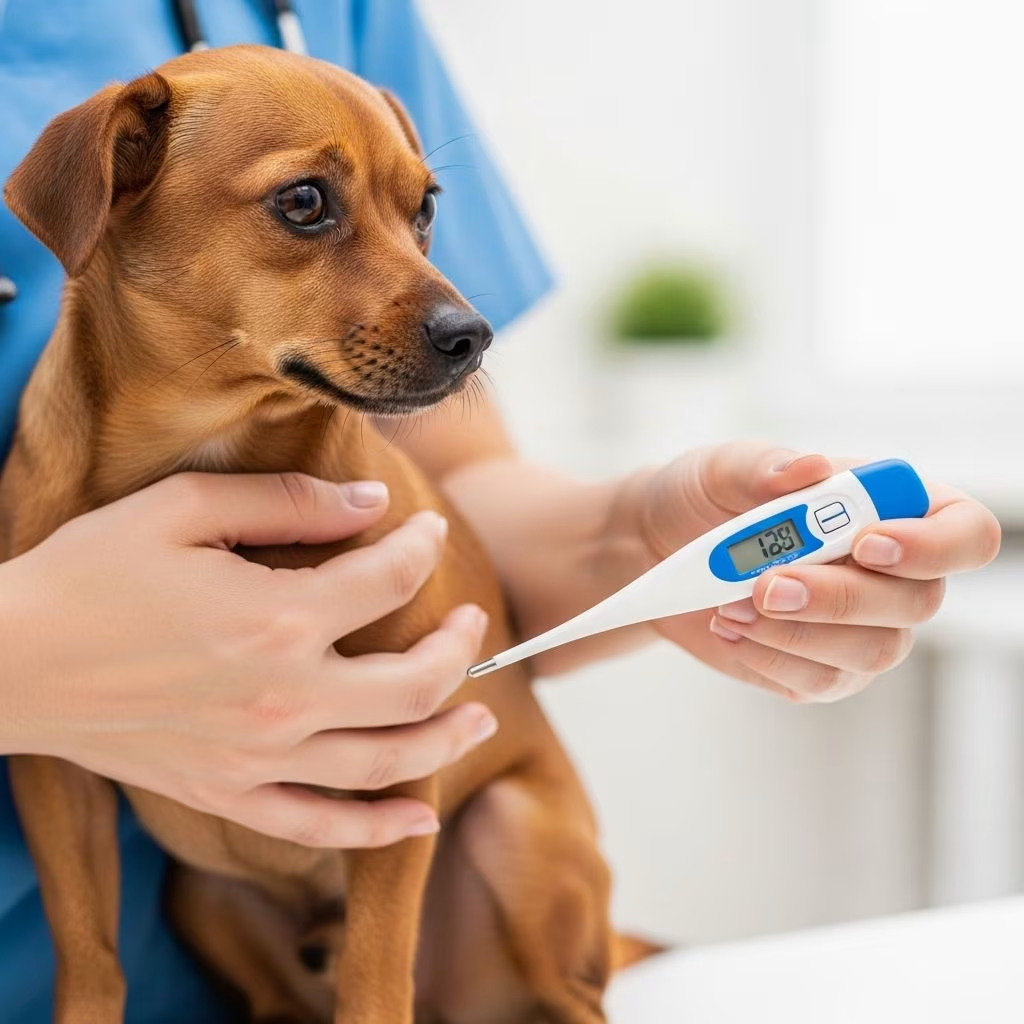
Monitoring your dog’s body temperature is a vital skill for every pet owner, helping you detect illnesses early when they show symptoms like lethargy or shivering. The most accurate method remains rectal thermometry, though ear and axilla options exist for less invasive checks. Normal dog temperatures range from 101°F to 102.5°F (38.3°C to 39.2°C), with anything above 103°F signaling potential fever requiring attention.
Why Monitor Your Dog’s Temperature?
Dogs can’t verbally communicate discomfort, so temperature checks reveal hidden issues like infections or heatstroke. Baseline readings establish your dog’s normal range, as variations occur by breed, age, and activity—puppies and small breeds often run slightly higher. Early detection prevents complications; for instance, temperatures over 104°F (40°C) demand immediate vet evaluation to avoid organ damage.
Veterinarians recommend home monitoring during recovery from surgery, post-vaccination, or in hot weather. Always use pet-dedicated thermometers to avoid cross-contamination, and note readings in a log for trends.
What’s a Normal Temperature for Dogs?
A healthy dog’s rectal temperature typically falls between **101°F and 102.5°F (38.3°C–39.2°C)**. Puppies may reach 103°F, while seniors trend lower around 100.5°F. Axilla readings are 1–2°F lower, and ear methods approximate rectal if positioned correctly.
| Method | Normal Range (°F) | Normal Range (°C) | Accuracy Notes |
|---|---|---|---|
| Rectal | 101–102.5 | 38.3–39.2 | Most accurate gold standard |
| Ear (Aural) | 100.5–102 | 38–38.9 | Good if no ear infection |
| Axilla (Armpit) | 99.5–101.5 | 37.5–38.6 | Least accurate, non-invasive |
Fever thresholds: 103–104°F (mild, monitor); over 104°F (emergency); below 99°F (hypothermia risk).
Best Thermometers for Dogs
Digital rectal thermometers are inexpensive ($5–15), fast (30–60 seconds), and beep for readings—ideal for home use. Avoid glass/mercury types due to breakage risk. Ear thermometers ($20–50) like veterinary aural models require practice for precision. Axilla devices, such as app-connected smart thermometers, offer contactless appeal but lower accuracy.
- Rectal digital: Lubricant-friendly, baseline setter.
- Ear digital: Pet-specific, calibrate per instructions.
- Axilla/smart: Fear-free, but verify with rectal.
- Tips: Label with dog’s name; use disposable sleeves.
Never use oral human thermometers—dogs’ thrashing risks injury.
Rectal Temperature Method (Most Accurate)
This veterinary gold standard provides precise core temperature. Gather lubricant (petroleum jelly, Vaseline, or sterile lube), gloves, treats, and a helper.
- Prepare: Ensure thermometer batteries work; lubricate tip generously.
- Position dog: Small dogs/cats on lap (one arm under neck, other on abdomen). Large dogs standing, head secured against floor. Muzzle if anxious.
- Insert: Lift tail gently; advance 1 inch (small dogs) to 2–3 inches (large breeds). Never force—pause if tense.
- Wait: Hold steady 30–60 seconds until beep. Avoid stool contact.
- Remove & clean: Wipe, disinfect with alcohol. Reward dog.
Practice calms dogs over time. If resistance, try ear method.
Ear (Aural) Temperature Method
Less invasive for ear-tolerant dogs, but inaccurate with infections or waxy buildup. Use vet-grade infrared models.
- Calibrate: Follow manual (some auto-adjust).
- Straighten ear: Pull pinna upward/outward to align horizontal canal.
- Insert probe: Deep into canal toward jaw opposite, snug fit—no lube needed.
- Measure: Press start; hold still until beep (seconds).
- Clean: Wipe probe.
Practice on yourself first. Vet demo recommended for technique. Readings may vary 0.5–1°F from rectal.
Axilla (Armpit) Temperature Method
Non-invasive starter option, best for baselines or skittish pets. Use flexible-tip digitals or smart pet thermometers.
- Position: Dog sitting/standing calmly.
- Place probe: Deep into armpit (front leg base), forward/upward—no lube.
- Secure: Fold leg over, hold 1–2 minutes until reading.
- Record: Expect 1–2°F below rectal.
Ideal for frequent checks, but confirm anomalies rectally.
Safety Tips for Taking Your Dog’s Temperature
- Enlist help to prevent bites—muzzle proactively.
- Stay calm; anxious owners stress dogs.
- Double-check odd readings after 10-minute rest.
- Skip if aggressive; seek vet.
- Use pet-only tools; disinfect post-use.
- Log dates, readings, symptoms.
What If Your Dog Has a Fever?
Fever (hyperthermia) signals infection, inflammation, or toxins. Signs: Warm ears/nose, rapid breathing, lethargy, shivering, vomiting.
- Mild (103–103.9°F): Cool environment, water, monitor 24 hours.
- High (≥104°F): Emergency vet—risks seizures, dehydration.
- Hypothermia (<99°F): Warm blankets, vet if persistent.
Don’t medicate without vet advice—human drugs toxic. Provide water, rest; contact vet for guidance.
When to Call the Vet
Immediate action for: temp ≥104°F/≤99°F, symptoms like diarrhea/seizures, post-surgery spikes, or unresolving mild fever. Puppies/seniors warrant quicker calls. Baseline deviations over 1°F need review. Vets appreciate logged data for diagnosis.
Frequently Asked Questions (FAQs)
Can I use a human thermometer for my dog?
Yes, digital ones work for rectal/axilla, but dedicate one per pet. Avoid oral/mercury.
How long does it take to get a rectal reading?
30–60 seconds for digital beeps.
Is ear temperature accurate for dogs?
Yes, if properly positioned and no infection; practice improves results.
What if my dog resists temperature taking?
Use treats, helpers, or axilla; vet assist first time.
Can I take my dog’s temperature under the tongue?
No—risk of biting/inaccuracy.
References
- How to Safely Take Your Dogs Temperature at Home — Autumn Trails Veterinary Center. 2023. https://autumntrailsvet.com/how-to-safely-take-your-dogs-temperature-at-home/
- How to Safely Take a Dog or Cat’s Temperature at Home — Zoetis Petcare. 2024-01-15. https://www.zoetispetcare.com/blog/article/safely-take-dog-cat-temperature-home
- How to Take Your Dog’s Temperature — American Kennel Club (AKC). 2023-06-12. https://www.akc.org/expert-advice/health/how-to-take-your-dog-s-temperature/
- How to Take a Dog’s Temperature — PetMD. 2024. https://www.petmd.com/dog/general-health/how-to-take-dogs-temperature
- High Fever in Dogs: Symptoms and Treatments — WebMD Pets. 2023. https://www.webmd.com/pets/dogs/high-fever-in-dogs



