

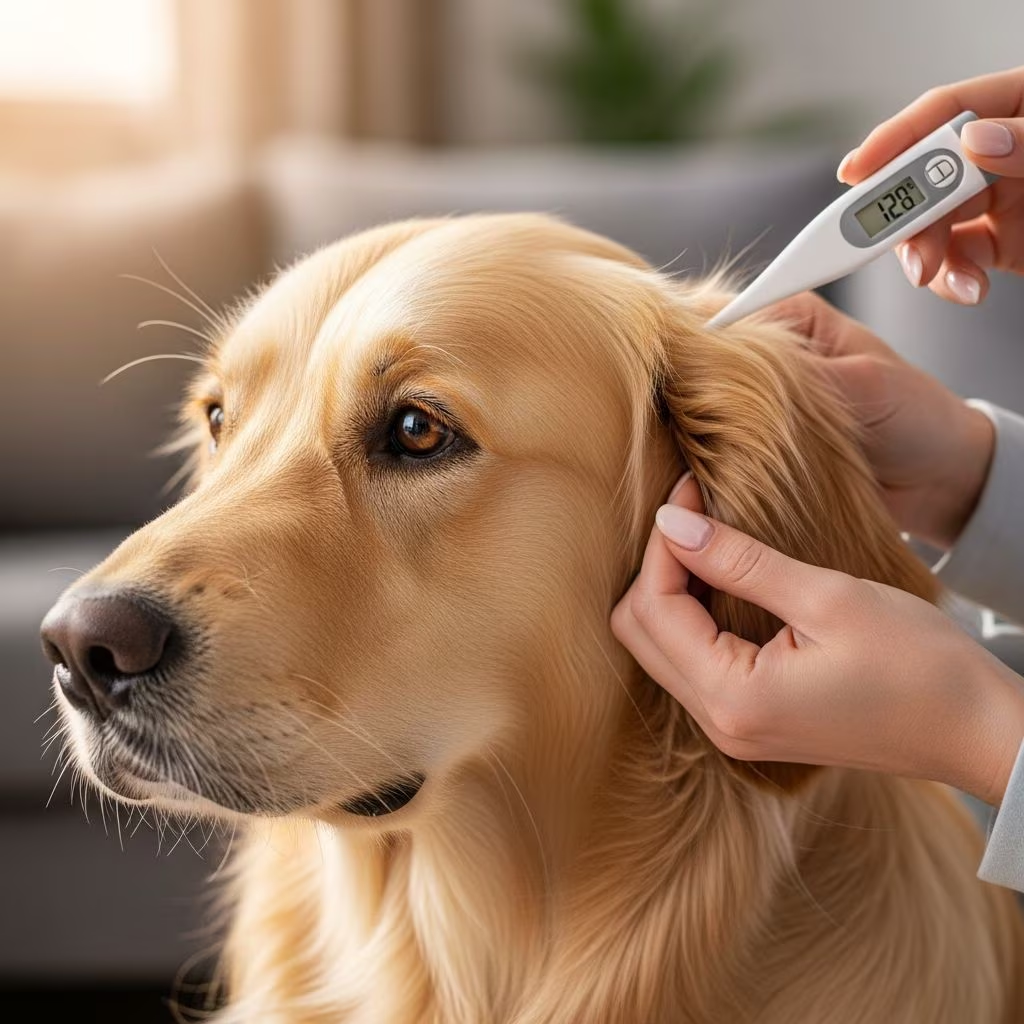
Monitoring your dog’s body temperature is a vital skill for every pet owner. It allows you to detect early signs of illness, such as infections or heatstroke, before symptoms worsen. A dog’s normal temperature ranges from **99.5°F to 102.5°F (37.5°C to 39.2°C)**, with anything above 103°F indicating a fever that requires attention. This guide covers the most reliable methods, preparation tips, normal ranges, and what to do if your dog’s temperature is abnormal.
Why Monitor Your Dog’s Temperature?
Dogs can’t verbally communicate discomfort, but changes in body temperature often signal underlying health issues. Fever, or hyperthermia, can result from infections, inflammation, toxins, or environmental stress like overheating. Conversely, hypothermia (low body temperature) may occur in puppies, small breeds, or injured dogs. Regular temperature checks at home empower owners to act swiftly, potentially preventing serious complications. Veterinary experts emphasize that home monitoring is safe when done correctly and complements professional care.
Understanding baseline temperatures for your specific dog is key, as individuals vary slightly. Track readings during wellness periods to establish norms, noting factors like time of day or activity level that might cause minor fluctuations.
What Is a Normal Temperature for Dogs?
The average rectal temperature for healthy dogs is **100°F to 102.5°F (37.8°C to 39.2°C)**. Puppies and small breeds tend toward the lower end, while larger dogs may run slightly higher. Temperatures above **103°F (39.4°C)** suggest fever; over **104°F (40°C)** is critical and warrants immediate vet attention. Hypothermia is below **99°F (37.2°C)**.
| Condition | Temperature Range (°F) | Temperature Range (°C) | Action Required |
|---|---|---|---|
| Normal | 99.5 – 102.5 | 37.5 – 39.2 | Monitor routinely |
| Mild Fever | 103 – 103.9 | 39.4 – 39.9 | Contact vet |
| High Fever | ≥104 | ≥40 | Emergency vet care |
| Hypothermia | <99 | <37.2 | Warm gently, seek vet |
Use this table as a quick reference. Always confirm with rectal measurement for precision.
Best Tools for Taking Your Dog’s Temperature
Select a **digital rectal thermometer** for the most accurate results—fast, beeping when done (30-60 seconds), and inexpensive. Avoid glass/mercury thermometers due to breakage risk. For ear or axillary methods, use pet-specific devices like infrared ear thermometers or app-connected models (e.g., Mella for armpit).
- Rectal thermometer: Lubricant (petroleum jelly, Vaseline, or sterile lube), alcohol wipes for cleaning.
- Ear thermometer: Pet-dedicated model; calibrate if required.
- Axillary thermometer: Non-invasive pet thermometer.
Never use human oral thermometers in a dog’s mouth due to bite risk.
How to Take Your Dog’s Temperature: Rectal Method (Most Accurate)
The rectal method measures core body temperature reliably and is recommended by vets as the gold standard.
- Prepare: Ensure the thermometer works. Apply lubricant to the tip generously.
- Position your dog: Have a helper hold small dogs in your lap (one arm under neck, other around abdomen). For large dogs, restrain gently on the floor—head/neck secured, hindquarters held down. Muzzle if needed for safety.
- Insert: Lift tail gently aside. Insert 1 inch for small dogs/puppies, 2-3 inches for large breeds. Never force; let them relax. Avoid stool to prevent inaccurate readings.
- Wait: Hold steady until beep (30-60 seconds).
- Remove and clean: Wipe with soap/water or alcohol. Disinfect thoroughly.
Treats and praise post-procedure build positive associations. Practice during calm times.
Alternative Methods: Ear (Aural) Temperature
Ear thermometers provide quick readings but require practice for accuracy. Avoid if ears are infected.
- Prep: Check calibration per instructions. No lubrication needed.
- Straighten ear: Gently pull pinna upward/outward to align horizontal canal.
- Insert: Angle probe toward opposite jaw, deep into canal for snug fit.
- Measure: Press start; wait for beep (seconds).
Readings may be 0.5-1°F lower than rectal; consistent use helps. Consult your vet for technique demo.
Axillary (Armpit) Method: Non-Invasive Option
Least invasive but 1-2°F lower than rectal—use for trends, not diagnosis. Ideal for wiggly or sensitive dogs.
- Position: Dog sitting/standing comfortably.
- Place probe: In armpit (front leg base), forward/upward. No lube.
- Hold: Press leg down to cover probe fully until reading.
Fear-Free approved devices like Mella pair with apps for vet sharing.
Tips for Success and Safety
- Stay calm: Anxious owners stress dogs. Use treats, praise.
- Helper advantage: Essential for safety.
- Stop if aggressive: Muzzle or postpone; don’t risk bites.
- Cleanliness: Sterilize between uses; separate pet thermometer.
- Factors affecting accuracy: Recent meals/exercise, ear debris, stool contact.
Signs Your Dog May Have a Fever or Abnormal Temperature
Watch for these alongside thermometer confirmation:
- Shivering, lethargy, warm ears/nose.
- Red gums, rapid breathing, vomiting, diarrhea.
- Loss of appetite, whining.
Puppies, seniors, and brachycephalic breeds are at higher risk.
What to Do If Your Dog’s Temperature Is Too High or Low
High Temperature (Fever)
103-103.9°F: Cool with damp towels (not ice), offer water, monitor. Call vet.
≥104°F: Emergency—heatstroke risk. Vet immediately for fluids/meds.
Low Temperature (Hypothermia)
Warm gradually with blankets, warm (not hot) water bottles. Seek vet for severe cases.
Frequently Asked Questions (FAQs)
Can I use a human thermometer for my dog?
Yes, a digital one for rectal use, but dedicate one to pets. Never oral.
How often should I check my dog’s temperature?
During illness suspicion or routine baselines. Not daily unless advised.
Is ear temperature as accurate as rectal?
Close but less precise; rectal is best.
What if my dog won’t stay still?
Use helper, muzzle, or axillary method. Practice positively.
When is a dog’s temperature an emergency?
Over 104°F or under 99°F with symptoms.
References
- How to Safely Take Your Dogs Temperature at Home — Autumn Trails Veterinary Center. 2023. https://autumntrailsvet.com/how-to-safely-take-your-dogs-temperature-at-home/
- How to Safely Take a Dog or Cat’s Temperature at Home — Zoetis Petcare. 2024. https://www.zoetispetcare.com/blog/article/safely-take-dog-cat-temperature-home
- How to Take Your Dog’s Temperature — American Kennel Club (AKC). 2023-05-12. https://www.akc.org/expert-advice/health/how-to-take-your-dog-s-temperature/
- How to Take a Dog’s Temperature — PetMD. 2024. https://www.petmd.com/dog/general-health/how-to-take-dogs-temperature
- How to Take Your Dog’s Temperature — Whole Dog Journal. 2023. https://www.whole-dog-journal.com/health/dog_health_care/how-to-take-your-dogs-temperature/
- High Fever in Dogs: Symptoms and Treatments — WebMD. 2024. https://www.webmd.com/pets/dogs/high-fever-in-dogs



