

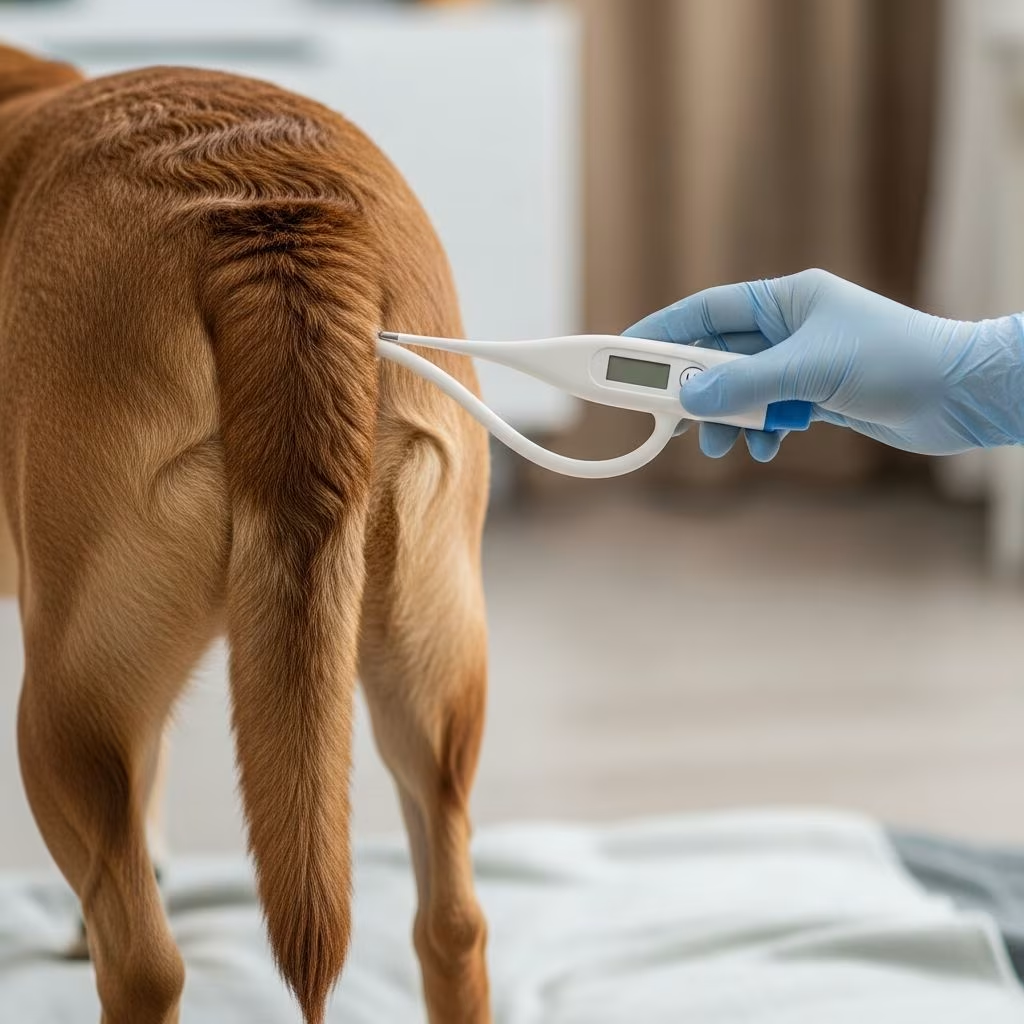
Monitoring your dog’s temperature is a vital skill for every pet owner, as it can help detect early signs of illness like infections or heatstroke. A dog’s normal body temperature ranges from **101°F to 102.5°F (38.3°C to 39.2°C)**, higher than humans due to their faster metabolism. Temperatures above 103°F (39.4°C) indicate a fever, while below 100°F (37.8°C) suggests hypothermia, both requiring prompt attention. Unlike humans, dogs can’t communicate discomfort verbally, so learning to take their temperature accurately at home empowers you to act quickly.
This guide covers the most reliable methods—**rectal, ear (aural), and axillary (armpit)**—with step-by-step instructions, tips for safety, and when to consult a veterinarian. We’ll also discuss normal ranges, symptoms of abnormal temperatures, and essential tools. Always prioritize your dog’s comfort and safety; if they become stressed or aggressive, stop and seek professional help.
Why Monitor Your Dog’s Temperature?
Temperature checks are crucial for identifying health issues early. Common reasons include lethargy, shivering, vomiting, diarrhea, or hot ears/nose—non-specific signs that could indicate fever from infections, inflammation, or toxins. Puppies, seniors, and small breeds are more vulnerable to temperature fluctuations. Regular baseline readings help track changes over time. Veterinary experts recommend digital thermometers for speed and accuracy, avoiding glass mercury types due to breakage risks.
Benefits of home monitoring:
- Quick detection of **hyperthermia** (over 104°F/40°C), which can lead to organ damage.
- Early intervention for **hypothermia** (under 99°F/37.2°C), common in wet or cold conditions.
- Peace of mind during minor ailments or post-surgery recovery.
- Cost-effective before rushing to the vet for non-emergencies.
What Is a Normal Temperature for Dogs?
Dogs maintain a higher core temperature than humans: **100.5°F to 102.5°F (38°C to 39.2°C)** is typical. Variations occur by age, size, activity, and time of day—active dogs may hit 103°F temporarily. Take multiple readings over 10-15 minutes for accuracy, as stress can elevate readings.
| Condition | Temperature Range (°F) | Temperature Range (°C) | Action Needed |
|---|---|---|---|
| Normal | 101 – 102.5 | 38.3 – 39.2 | Monitor routinely |
| Mild Fever | 103 – 103.9 | 39.4 – 39.9 | Observe, recheck in 30 min |
| High Fever | >104 | >40 | Emergency vet visit |
| Hypothermia | <99 | <37.2 | Warm gradually, vet if persists |
Source adaptations from veterinary guidelines. Always use °F/°C dual-scale thermometers for precision.
Best Tools for Taking Your Dog’s Temperature
Invest in pet-specific or human digital thermometers (rectal/ear models preferred). Key features:
- Digital rectal thermometer: Fast (30-60 seconds), beeps when ready, inexpensive (~£5-10).
- Ear (aural) thermometer: Veterinary-grade like those from pet stores; requires practice for accuracy.
- Axillary/smart thermometer: Non-invasive, app-connected (e.g., Mella); less accurate but stress-free.
- Extras: Water-based lubricant (KY Jelly), pet wipes, muzzle if needed, disposable probe covers.
Avoid oral methods—dogs won’t tolerate it, risking bites or inaccurate results. Calibrate ear models per instructions.
How to Take Your Dog’s Temperature: Rectal Method
The **gold standard for accuracy**, rectal thermometry mirrors veterinary practice. Suitable for all sizes, it takes under 2 minutes.
- Prepare: Wash hands, gather thermometer, lubricant (petroleum jelly/Vaseline/KY), treats. Have a helper hold the dog.
- Position: Small dogs/cats: Lap hold, secure head and body. Large dogs: Stand with hand on neck/flank.
- Lubricate: Coat tip generously with sterile lube.
- Insert: Lift tail gently, insert 1 inch (small dogs) to 2-3 inches (large). Angle slightly toward belly; don’t force—let relax.
- Wait: Hold steady 30-60 seconds until beep. Avoid stool contact.
- Remove & clean: Wipe, disinfect with alcohol, reward dog.
Tips: Muzzle if anxious. Baseline readings reduce future stress.
Alternative: Ear (Aural) Method
Less invasive than rectal, but needs correct positioning for reliability—ideal for ear-tolerant dogs. Not for infected ears.
- Select device: Pet ear thermometer; calibrate if required.
- Position ear: Pull pinna upward/straight to align horizontal canal.
- Insert probe: Straight in, deep as possible toward jaw opposite side. No lube needed.
- Measure: Press start; hold still until beep (10-60 seconds).
- Clean: Wipe probe.
Practice on yourself first. Accuracy improves with experience; vet demo recommended.
Non-Invasive: Axillary (Armpit) Method
Stress-free for wiggly dogs, though least accurate (0.5-1°F lower). Use Fear-Free approved devices.
- Position: Dog sitting/standing comfortably.
- Place probe: Deep into armpit (front leg base), forward/upward. No lube.
- Hold leg down: Cover probe fully until reading (1-2 minutes).
- Record: App export if smart model.
Best for trends, not emergencies.
Safety Tips and Common Mistakes
Prioritize calm: Use treats, praise. Stop if aggression—fear can spike readings. Mistakes include forcing insertion (risks injury), poor positioning, unclean tools (infection spread).
- Never use human glass/mercury thermometers.
- Double-check abnormals after 10-min rest.
- Label pet thermometer.
- For puppies: Extra gentle, shallow insert.
Signs Your Dog Has a Fever or Low Temperature
**Fever symptoms:** Hot nose/ears, red gums, rapid breathing, lethargy, shivering, loss of appetite. Causes: Infections, vaccines, pain.
**Low temp signs:** Weakness, slow heart rate, cold extremities. Causes: Exposure, shock, sepsis.
Hyperthermia >106°F is life-threatening—cool with fans/wet towels, vet ASAP.
When to Call the Vet
Immediate vet for:
- >104°F or <99°F persisting.
- With symptoms like vomiting, seizures, collapse.
- Uncertain readings or stressed dog.
Share readings/history for diagnosis. Home checks complement, not replace, professional care.
Frequently Asked Questions (FAQs)
What is my dog’s normal temperature?
A: **101°F to 102.5°F (38.3°C to 39.2°C)**. Track baselines for your dog.
Can I use a human thermometer?
A: Yes, digital ones work for rectal; label separately.
Is the ear method accurate?
A: Yes, with proper technique; practice advised.
What if my dog won’t stay still?
A: Enlist help, use treats/muzzle, or try axillary. Vet if needed.
How often should I check?
A: During illness signs or routinely for baselines. Recheck abnormals.
References
- How to Safely Take Your Dogs Temperature at Home — Autumn Trails Veterinary Center. 2023. https://autumntrailsvet.com/how-to-safely-take-your-dogs-temperature-at-home/
- How to Safely Take a Dog or Cat’s Temperature at Home — Zoetis Petcare. 2024-01-15. https://www.zoetispetcare.com/blog/article/safely-take-dog-cat-temperature-home
- How to Take Your Dog’s Temperature — American Kennel Club (AKC). 2024. https://www.akc.org/expert-advice/health/how-to-take-your-dog-s-temperature/
- How to Take a Dog’s Temperature — PetMD. 2025. https://www.petmd.com/dog/general-health/how-to-take-dogs-temperature
- High Fever in Dogs: Symptoms and Treatments — WebMD Pets. 2024. https://www.webmd.com/pets/dogs/high-fever-in-dogs



