

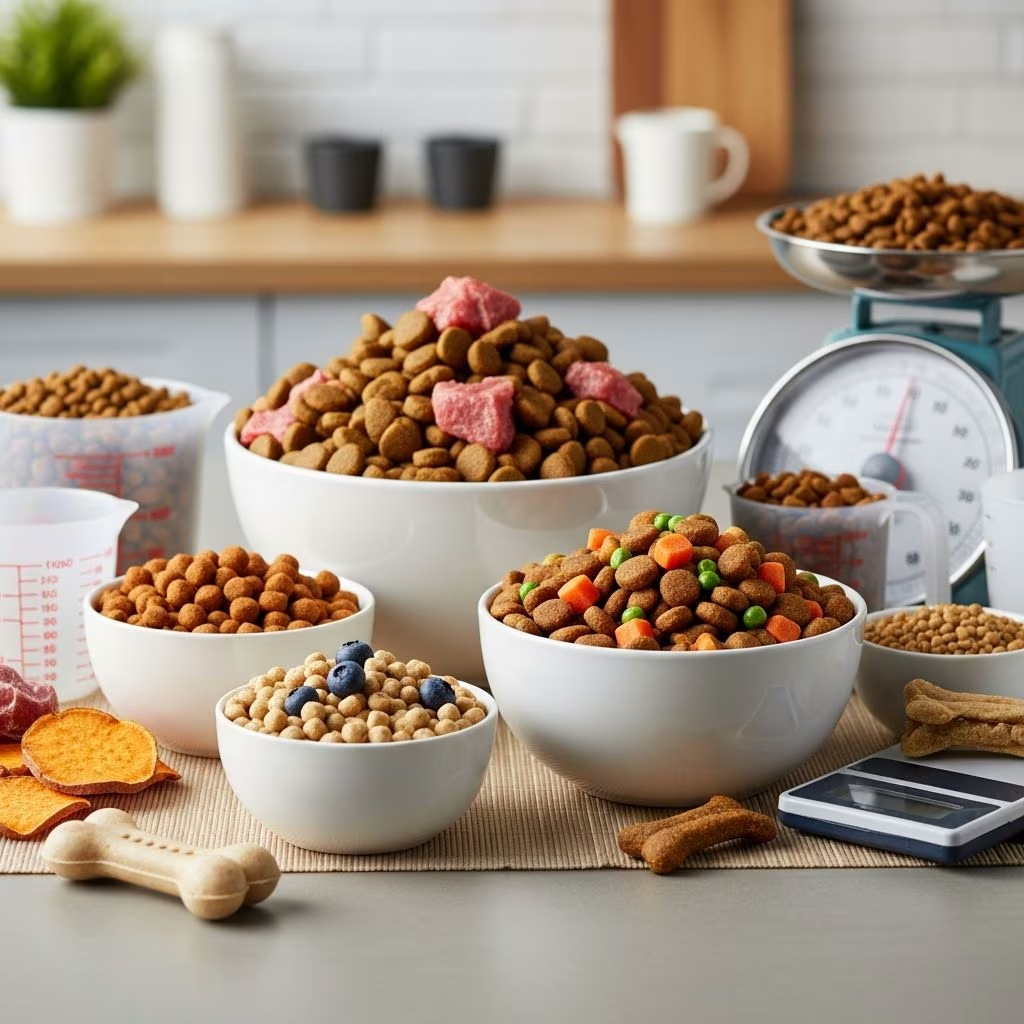
Selecting the appropriate diet for your dog goes beyond generic kibble; it requires considering their unique physical characteristics, particularly breed and adult size. Dogs of varying sizes have distinct metabolic rates, growth patterns, and health predispositions that demand customized nutrition. Small breeds burn energy rapidly and need calorie-dense formulas, while large breeds require controlled growth to protect developing joints. This guide breaks down nutritional strategies by size category, helping you make informed choices for your furry friend’s vitality and well-being.
Understanding Metabolic Differences Across Sizes
Dogs’ nutritional requirements stem from their metabolism, which varies dramatically by body size. Smaller dogs process food faster, necessitating higher caloric density per pound to sustain their lively lifestyles without excessive portions. Larger counterparts, conversely, have slower metabolisms and must avoid over-calorization to prevent obesity and skeletal strain. Activity levels within breeds further refine these needs—high-energy sporting dogs demand more protein than sedentary companions.
Key factors influencing diet include:
- Metabolic rate: Faster in small breeds, requiring energy-packed meals.
- Growth speed: Rapid in giants, needing moderated minerals for bone health.
- Mouth and jaw size: Smaller kibble for tiny mouths to aid chewing and digestion.
- Health vulnerabilities: Joint issues in big breeds, dental concerns in toys.
Nutrition for Tiny Companions: Toy and Small Breeds
Toy breeds under 10 pounds, such as Chihuahuas and Yorkies, and small breeds up to 25 pounds like Jack Russells and Pomeranians, thrive on specialized formulas. Their rapid metabolism demands diets with elevated calories—often 400-500 kcal per cup—delivered in compact kibble to suit petite jaws. These foods emphasize proteins from sources like chicken or lamb to fuel constant activity, alongside omega fatty acids for coat shine and antioxidants for immune support.
Essential nutrients include:
- High-quality proteins (25-30% crude protein) for muscle maintenance.
- Omega-3s and taurine for cardiac health, vital in fast-metabolizing pups.
- Vitamins A, C, E for vision and cellular repair.
- Glucosamine, especially for short-legged varieties like Dachshunds.
Overfeeding risks are low due to small stomachs, but portion precision prevents pickiness or obesity. Transition gradually over 7-10 days to avoid digestive upset.
Balanced Diets for Medium-Sized Athletes
Medium breeds, weighing 25-55 pounds—think Beagles, Border Collies, or Bulldogs—represent a versatile group with moderate energy demands. Their diets mirror adult maintenance formulas: 18-22% protein, balanced fats around 12-15%, and standard calorie levels (350-400 kcal/cup). This supports daily romps without excess weight gain, crucial for breeds prone to obesity like Spaniels.
| Breed Examples | Key Nutritional Focus | Calorie Range (kcal/cup) |
|---|---|---|
| Beagles, Cocker Spaniels | Weight management, moderate protein | 350-400 |
| Border Collies, Australian Shepherds | Endurance support, higher carbs | 380-420 |
| Bulldogs, Greyhounds | Digestion aid, lean muscle | 340-390 |
Customize based on lifestyle: active herders may need extra protein, while couch loungers benefit from light variants. Monitor body condition score (BCS) aiming for 4-5/9—ribs palpable with slight fat cover.
Specialized Formulas for Large and Giant Breeds
Large breeds (55-90 pounds, e.g., German Shepherds, Labs) and giants over 90 pounds (Great Danes, Mastiffs) face unique challenges: rapid puppy growth risks hip dysplasia and osteochondrosis if minerals are imbalanced. Opt for large-breed puppy foods with calcium:phosphorus ratios of 1.1:1 to 1.4:1, moderate protein (22-26%), and lower calories per pound (300-350 kcal/cup) to temper growth.
Adults prioritize joint health with glucosamine, chondroitin, and omega-3s; controlled fats curb obesity stressing frames. Protein from deboned sources maintains lean mass without excess phosphorus.
- Puppies: Limit to BCS 4/9; avoid free-feeding.
- Adults: Adjust for neuter status or activity dips.
- Seniors: Boost antioxidants, reduce calories by 10-20%.
Adapting for Mixed Breeds and Special Cases
Mixed breeds complicate choices—base on projected adult weight: under 20 lbs small formula, 20-70 lbs standard, over 70 lbs large. Sporting breeds like Retrievers need higher protein for muscle repair; non-sporting like Poodles suit maintenance diets. Working dogs (Huskies) require endurance fuels.
Feeding charts provide baselines, scaled by food calorie density:
| Adult Weight (lbs) | Daily Cups (Dry Food, ~350 kcal/cup) |
|---|---|
| 3-12 | 0.5-1.25 |
| 13-20 | 1.25-1.67 |
| 21-35 | 1.67-2.33 |
| 36-50 | 2.33-3 |
| 51-75 | 3-3.75 |
| 76-100 | 3.75-4.67 |
| Over 100 | 4.67 + 0.25 per 10 lbs |
Split into 2-3 meals; puppies up to 4x daily. Consult vets for allergies or conditions.
Key Ingredients to Prioritize by Size
Scan labels for AAFCO statements ensuring complete nutrition. Prioritize:
- All sizes: Named meat meals first, whole grains or veggies.
- Small/toy: Small kibble, probiotics for digestion.
- Medium: Balanced fiber for stool quality.
- Large/giant: Joint supplements, precise Ca/P.
Avoid fillers like corn syrup; seek recent manufacture dates.
FAQs on Size-Specific Dog Feeding
Q: How often should I switch foods?
A: Only for life stages or vet advice; gradual transitions prevent GI issues.
Q: Can I feed adult food to puppies?
A: No—puppies need growth formulas, especially large breeds to control development.
Q: What’s the best kibble size?
A: Match mouth: tiny for toys, standard for mediums, large chunks optional for giants.
Q: How to tell if my dog needs a diet change?
A: Watch for weight fluctuations, coat dullness, lethargy, or stool changes—aim for ideal BCS.
Q: Are wet foods suitable by size?
A: Yes, but check calorie content; mix with dry for variety and dental benefits.
Monitoring and Adjusting for Lifelong Health
Regular weigh-ins, BCS checks, and vet visits ensure dietary fit. Activity surges (e.g., terriers zooming) demand caloric boosts; post-spay reductions prevent pudge. Age shifts: puppies to adults at skeletal maturity (12-24 months for giants), seniors over 7 needing joint/kidney support.
Water access, dental chews complement nutrition. Tailored feeding fosters longevity—small breeds live 12-15 years, giants 7-10 with proper care.
References
- Ultimate Guide Dog Breeds And Appropriate Nutrition Needs — Figo Pet Insurance. 2023. https://figopetinsurance.com/blog/ultimate-guide-dog-breeds-and-appropriate-nutrition-needs
- Dog Food for Large Breeds — Nutrena Animal Feeds. 2024. https://nutrenaworld.com/education/dogs-cats/dog-food-for-large-breeds/
- Complete Guide to Size-Specific Dog Foods — Pet Drugs Online. 2023. https://www.petdrugsonline.co.uk/pet-advice/complete-guide-to-size-specific-dog-foods
- Dog Feeding Chart: How Much Food Should I Feed My Dog? — PetMD. 2024. https://www.petmd.com/dog/nutrition/are-you-feeding-your-dog-right-amount
- Nutritional Considerations for Large and Giant Breed Dogs — VCA Animal Hospitals. 2023. https://vcahospitals.com/know-your-pet/nutritional-considerations-for-large-and-giant-breed-dogs
- The Ultimate Guide to Choosing the Right Dog Food for Your Breed — Brown Vet Hospital. 2024. https://brownvethospital.com/blog/how-to-choose-dog-food/
- Large or Small, Your Dog Needs Proper Nutrition — Nutro. 2023. https://www.nutro.com/animal-care/large-or-small-your-dog-needs-proper-nutrition



