

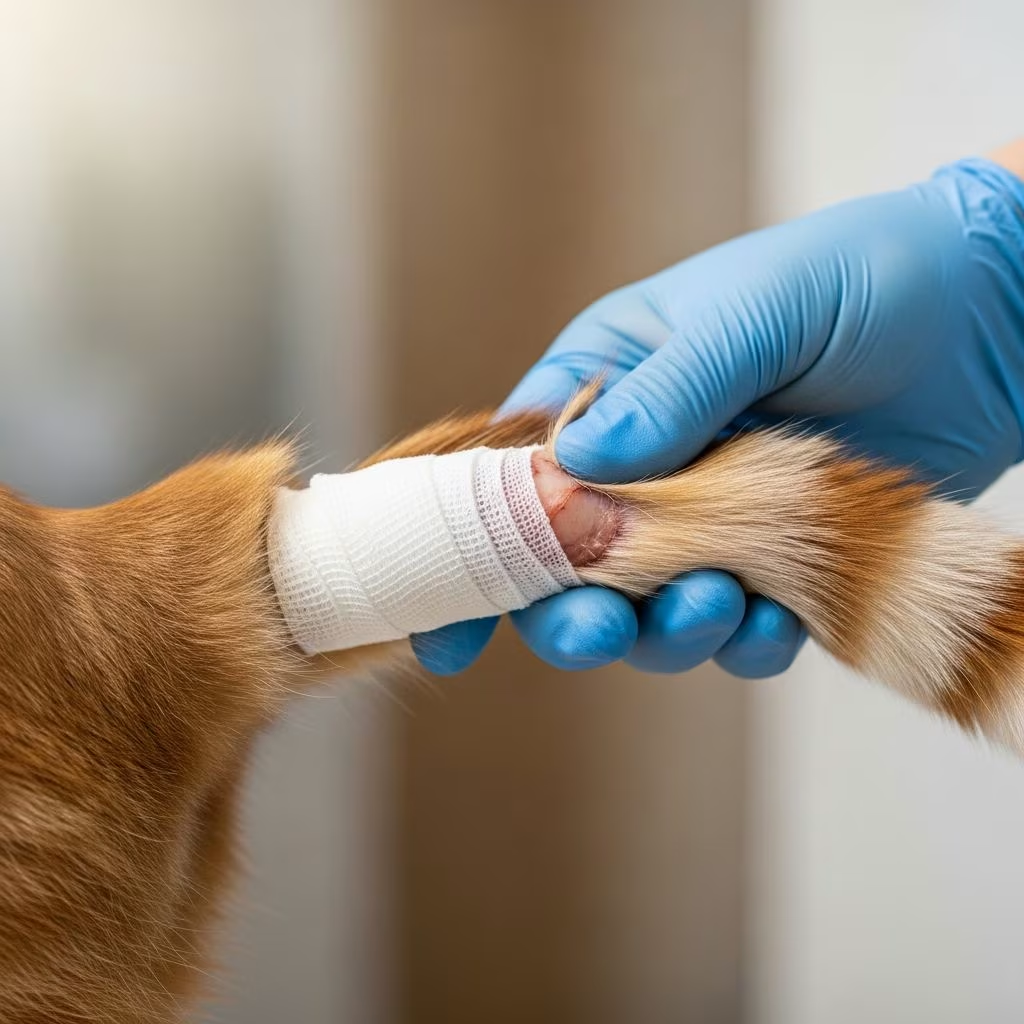
Tail injuries represent a frequent yet often overlooked issue in dogs and cats, stemming from everyday accidents or fights. These traumas can range from simple bruises to severe nerve disruptions, impacting mobility and daily functions. Understanding the mechanics of these injuries enables pet owners to respond swiftly, potentially averting long-term complications.
Anatomy of the Pet Tail: Why It’s Vulnerable
The tail in dogs and cats serves multiple roles, from balance during jumps to communication via wags or flicks. Composed of vertebrae, muscles, nerves, and blood vessels, it connects directly to the spinal cord at the base. This linkage makes the tail susceptible to force transmission up the spine during pulls or impacts.
In cats, the tail’s flexibility aids agility, but sudden yanks stretch nerves like the cauda equina, which control hindquarters and elimination. Dogs’ thicker tails withstand wagging impacts but fracture under doors or bites. Key vulnerabilities include the base, where nerves cluster, and tips prone to crushing.
Common Mechanisms Behind Tail Damage
Tail traumas occur through blunt force, traction, or penetration. Cats often endure ‘tail pull’ incidents when grabbed by children, trapped in doors, or snagged during scuffles. Dogs face ‘happy tail syndrome’ from vigorous wagging against walls or injuries from vehicle strikes and altercations.[10]
- Traumatic pulls: Sudden backward force tears nerve roots, common in felines escaping handlers.
- Crush injuries: Doors, bikes, or paws stepping cause fractures or dislocations.
- Fractures: High-impact hits bend or snap vertebrae, especially in active breeds.
- Lacerations: Bites or scrapes expose tissues, inviting infection.
These events disrupt blood flow, inflame tissues, or sever nerves, with severity tied to force direction and pet size.
Recognizing Symptoms: From Mild Aches to Emergencies
Early detection hinges on observing behavioral shifts and physical changes. Mild cases show subtle signs, while severe ones demand immediate intervention.
| Symptom Level | Indicators in Cats | Indicators in Dogs |
|---|---|---|
| Mild | Limp tail, minor swelling, reluctance to jump | Tail hanging low, sensitivity to touch, reduced wagging |
| Moderate | Dragging tail, balance issues, hiding | Bruising at base, limping, aggression when handled |
| Severe | Incontinence, hind leg weakness, vocalizing in pain | Paralysis, urinary retention, shock signs |
Cats may exhibit urinary straining or fecal accidents due to nerve involvement, while dogs display persistent dragging or balance loss.
Red Flags Requiring Urgent Vet Visits
- Inability to urinate or defecate after trauma.
- Complete tail flaccidity with no sensation.
- Hindquarter ataxia or collapse.
- Open wounds with heavy bleeding or exposed bone.
- Lethargy, fever, or refusal to eat.
These signal spinal cord compromise, where delays risk permanent deficits.
Diagnostic Approaches in Veterinary Clinics
Vets start with a thorough exam, palpating the tail for crepitus or instability while noting pain responses. Neurological tests assess reflexes, sensation, and gait.
Imaging confirms damage: X-rays reveal fractures or luxations; myelograms or CT scans detect nerve compression in complex cases. Bloodwork rules out systemic issues, and urinalysis monitors kidney strain from retention.
For cats with pull injuries, nerve conduction studies gauge recovery potential, guiding prognosis.
Treatment Pathways: Tailored to Injury Severity
Management escalates with damage extent, prioritizing pain relief and function preservation.
Non-Surgical Options for Mild to Moderate Cases
Many tails heal without invasion via conservative protocols.
- Rest confinement: Crate or small room limits reinjury, lasting 4-6 weeks.
- Pharmacotherapy: NSAIDs like meloxicam reduce inflammation; opioids manage acute pain. Never use human meds.
- Wound care: Cleanse lacerations, apply bandages, and use e-collars against self-trauma.
- Supportive measures: Manual bladder expression for incontinent cats; soft bedding prevents pressure sores.
Monitoring tracks progress, with 60-80% of mild pulls resolving in months.
Surgical Interventions for Grave Injuries
When nerves tear or vertebrae shatter, surgery restores viability.
- Amputation: Partial or full tail removal for devitalized tissue; cats adapt seamlessly, retaining balance.
- Stabilization: Pins or plates fix fractures; spinal decompression relieves cord pressure.
- Nerve repair: Rare microsurgery reconnects fibers in select cases.
Post-op, antibiotics combat infection risks, and strict rest follows.
Rehabilitation Techniques for Optimal Outcomes
Physical therapy accelerates healing, especially post-surgery.
- Passive range-of-motion exercises maintain joint flexibility.
- Hydrotherapy supports weightless movement, rebuilding strength.
- Massage boosts circulation, easing scar tissue.
- Laser therapy modulates inflammation and promotes nerve regeneration.
Consistent sessions, often 2-3 times weekly, yield measurable gains in function.
Home Care Essentials During Recovery
Owners play a pivotal role post-discharge, ensuring compliance.
- Administer meds precisely, noting side effects.
- Enforce quiet environments, blocking stairs or chases.
- Monitor litter box and elimination; report anomalies.
- Inspect daily for swelling, discharge, or odor.
- Schedule rechecks to adjust plans.
Avoid e-collars if behavioral, opting for bitter sprays on chew-prone tails.
Prognosis Factors: What Influences Recovery
Outcomes vary: Mild fractures boast 90% full recovery; severe pulls with incontinence drop to 50%, often needing amps.
- Favorable: Young pets, prompt care, distal injuries.
- Challenging: Proximal damage, delays, comorbidities like obesity.
Nerve regeneration spans 3-6 months; persistent deficits may stabilize but not reverse fully.
Preventive Strategies for Active Pets
Proactivity trumps reaction: Supervise kids around tails, secure doors, and trim indoor hazards. Train gentle handling and provide safe play zones. Regular wellness exams catch vulnerabilities early.
For wagging dogs, pad walls and inspect breeds like Labs prone to happy tail.
Frequently Asked Questions
Can a cat’s tail fully heal from a pull injury?
Yes, many do with rest and meds if nerves stretch rather than tear, regaining function in weeks to months.
Will my dog adapt after tail amputation?
Absolutely; dogs and cats thrive post-amp, using body cues for balance and expression.
How do I know if it’s a break or just bruised?
Vets use X-rays; home signs like deformity or crunching suggest fracture over soft tissue pain.[10]
Is over-the-counter pain relief safe for pets?
No; human NSAIDs like ibuprofen toxify kidneys. Await vet prescriptions.
What if incontinence persists after treatment?
Reevaluate for residual damage; long-term meds or aids manage symptoms.
Long-Term Management of Chronic Tail Issues
Some pets face lingering neuropathy, manifesting as hypersensitivity or weakness. Holistic aids like acupuncture complement therapy, while padded vests protect recurrent injuries. Nutritional support with omega-3s aids nerve health. Annual neuro checks ensure stability.
References
- Tail Pull Injury in Cats: What You Need to Know — Partners Veterinary Clinic. 2023. https://partnersvetavl.com/?p=4031
- Cat Tail Pull Injury: How It Happens & Treatment — Main Street Vet Center. 2024. https://mainstreetvetcenter.com/blog/cat-tail-pull-injury/
- Tail Pull Injury in Cats: Common Treatments — Advanced Animal Care. 2023. https://aac.vet/blog/tail-pull-injury-in-cats/
- Emergency Care for a Cat Tail Pull Injury — GSVS. 2024. https://gsvs.org/blog/emergency-cat-tail-pull-injury/
- Broken Cat Tail: Symptoms & Treatment — Fetch Vets. 2023. https://fetchvets.com/blog/broken-cat-tail-treatment/
- How to Treat a Cat Tail Injury — PetCareRx. 2022. https://www.petcarerx.com/article/how-to-treat-a-cat-tail-injury/1515
- First Aid for Tail Injuries in Cats — VCA Animal Hospitals. 2024. https://vcahospitals.com/know-your-pet/first-aid-for-injured-tails-in-cats



