

Tail Injuries in Dogs: First Aid and Treatment Guide
Your dog’s tail is an important part of their body, serving as a communication tool and helping with balance during movement. Unfortunately, tails are also vulnerable to various injuries. Whether your dog gets their tail caught in a door, scraped against a rough surface, or sustains a more serious fracture, understanding how to respond is crucial for your pet’s health and comfort. This comprehensive guide will help you recognize different types of tail injuries and determine when professional veterinary care is necessary.
Common Types of Tail Injuries
Tail injuries in dogs can range from minor surface wounds to serious fractures and nerve damage. Understanding the different types of injuries will help you provide appropriate first aid and know when to seek professional help.
Abrasions and Scrapes
Simple abrasions occur when dogs wag their tails against abrasive surfaces such as concrete steps, wire fencing, or rough materials. These injuries happen when the hair is rubbed off and red skin becomes exposed. While they may seem minor, proper care is essential to prevent infection and promote healing.
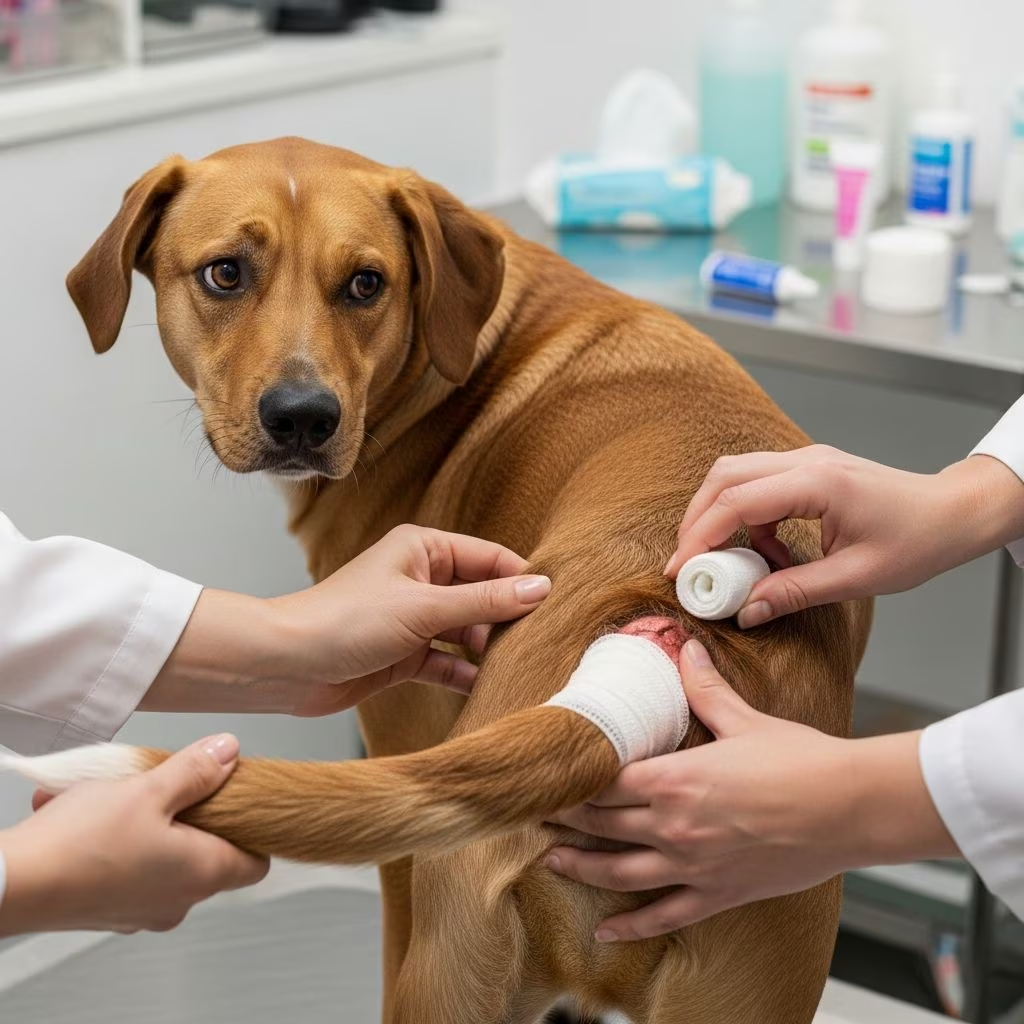
If your dog sustains an abrasion, begin by cleaning the area with mild soap and warm water. After cleaning, apply antibiotic ointment to the affected area and bandage the tail lightly using self-adhering wrap instead of adhesive tape. The self-adhering wrap is preferable because it reduces the risk of restricting blood flow to the tail. It is critical not to wrap the bandage too tightly, as this can compromise circulation. Change the bandage and reapply antibiotic ointment daily to maintain a clean healing environment.
To prevent your dog from licking or chewing at the bandage, consider using Bitter Apple spray, which has an unpleasant taste, or fitting your dog with an Elizabethan collar, commonly known as a cone. If excessive bleeding or swelling occurs, or if the tissue changes color, contact your veterinarian immediately. Additionally, if the skin and muscle damage appears severe, professional medical intervention is strongly advised. Your veterinarian may prescribe systemic antibiotics and pain medication to ensure proper healing.
Tail Fractures and Breaks
Tail fractures occur when the bones in your dog’s tail break or become displaced. These injuries can result from accidents, falls, getting caught in doors, or other traumatic events. The severity and location of the fracture determine the appropriate treatment approach.
Symptoms of a tail fracture include visible deformities such as the tail appearing bent, kinked, or twisted in an unnatural way. You may also notice swelling and bruising around the affected area. Dogs with tail fractures typically exhibit signs of pain, such as whimpering, crying, or growling when the tail is touched or moved. Many dogs will lick or bite at the affected area in attempts to soothe the pain.
If you suspect your dog has a broken tail, schedule a veterinary visit promptly. Your veterinarian will perform a physical examination and may recommend X-rays to identify the exact location and severity of the break. It is important not to handle or attempt to reposition your dog’s tail if you suspect it is broken, as doing so can cause further damage and increase pain.
Nerve Damage and Limp Tails
Severe tail injuries can damage the nerves that control urination, defecation, and tail movement. If the nerves controlling these functions are injured, your dog may become incontinent, experiencing difficulty controlling their bladder or bowels. While nerve function may return with time, some dogs remain unable to control these functions permanently.
Nerve damage may also cause the tail to hang limply, preventing your dog from wagging it or even raising it during bowel movements. This condition creates additional problems, as limp tails are prone to skin infections due to moisture retention and friction. If you notice your dog cannot wag their tail and it hangs limply, consult your veterinarian for proper diagnosis and treatment.
Recognition and Symptoms
Early recognition of tail injuries is essential for prompt treatment and optimal recovery. Watch for the following signs that may indicate your dog has sustained a tail injury:
- Visible deformities or abnormal tail position
- Swelling, bruising, or discoloration of the tail
- Hair loss on the tail or near the base
- Behavioral changes such as withdrawal, reduced activity, or aggression when tail is touched
- Pain indicators including whimpering, whining, or limping
- Inability to move the tail or changes in wagging patterns
- Continuous licking or biting at the tail
- Changes in gait or movement
- Changes in potty habits or signs of incontinence
- Tail held in an abnormal position
Any combination of these symptoms warrants a veterinary evaluation to determine the nature and extent of the injury.
Treatment Options for Tail Injuries
Treatment for tail injuries depends on the location, severity, and type of injury. Your veterinarian will recommend the most appropriate approach based on their examination and diagnostic tests.
Conservative Treatment
For minor fractures and many soft tissue injuries, conservative treatment may be sufficient. This approach typically includes rest and restricted movement to allow the tail to heal naturally. Your veterinarian may recommend limiting your dog’s activity for several weeks, particularly important for active dogs who may inadvertently re-injure their tail during play or exercise.
Conservative treatment often includes pain management through prescribed medications. Your veterinarian may prescribe nonsteroidal anti-inflammatory medications or other pain relief options to keep your dog comfortable during recovery. In many cases, bandaging or splinting the injured tail helps immobilize it and allows the bones to heal properly.
Veterinarians frequently wrap the tail in bandages or secure plastic syringe cases to the tail using duct tape to prevent further injury. Dogs may need to wear an Elizabethan collar (cone) to prevent them from pulling off bandages or licking at the injury. As your dog heals, monitor the injury site closely for signs of complications such as swelling, redness, discharge, or changes in skin color, which could indicate infection or other issues requiring prompt veterinary attention.
Surgical Intervention
More severe tail injuries may require surgical treatment. Surgery becomes necessary when the fracture is complicated, the tail’s blood supply is compromised, or conservative treatment has been unsuccessful. Surgical options may include realigning bones, repairing tissue damage, or in severe cases, surgical shortening of the tail.
Surgical tail shortening may be recommended for dogs with chronic tail injuries that will not heal despite conservative treatment. In these cases, the constant wagging prevents healing and causes repeated trauma. Although this surgery changes your dog’s appearance, a shorter wagging tail is less likely to cause injury and may provide a permanent solution to chronic problems.
In rare cases where the tail is too severely damaged to heal properly or poses a risk of infection, amputation may be necessary. While this is an extreme measure, it can prevent serious complications and allow your dog to live comfortably.
Limber Tail (Cold Tail) Condition
Limber tail, also known as cold tail or swimmer’s tail, is a painful muscle condition thought to be caused by overexertion. This condition most commonly affects large-breed working dogs. The injury causes pain at the base of the tail that is usually sensitive to touch, while the remainder of the tail often hangs limply.
Limber tail can resemble a fractured tail, making it important to consult your veterinarian for proper diagnosis. Once fractures and infections have been ruled out, treatment typically includes rest and anti-inflammatory pain medications. The good news is that limber tail usually improves with adequate rest and proper pain management.
When to Seek Professional Veterinary Care
While minor abrasions may be treated at home with proper care, many tail injuries require professional veterinary attention. Your responsibility as a pet owner is to assess the situation and recognize when professional help is needed. Contact your veterinarian if you observe any of the following:
- Visible fractures or deformities in the tail
- Excessive bleeding that does not stop with gentle pressure
- Severe swelling or discoloration of the tail
- Signs of infection such as discharge, odor, or pus
- Your dog’s inability to move the tail or constant limping
- Behavioral changes indicating severe pain
- Suspected nerve damage or incontinence
- Injuries that do not improve with home care after several days
Recovery and Aftercare
Recovery from tail injuries requires patience and careful attention to your veterinarian’s instructions. The timeline varies depending on the severity of the injury, but most dogs require several weeks of restricted activity for proper healing.
During the recovery period, keep your dog calm and limit their activity to prevent re-injury. Avoid vigorous play, running, and jumping. Maintain regular follow-up appointments with your veterinarian to monitor healing progress and adjust treatment as needed. Continue wound care as directed, changing bandages and applying antibiotic ointment as prescribed.
As your dog heals, watch for any signs of complications. Monitor the injury site for persistent swelling, redness, discharge, or signs of infection. If you notice any concerning changes, contact your veterinarian immediately. With proper care and attention, most dogs make a full recovery and will be wagging their tails again soon.
Prevention Tips
While not all tail injuries are preventable, you can reduce the risk by taking certain precautions:
- Avoid letting doors swing freely in areas where your dog spends time
- Be cautious with rocking chairs and other furniture that can trap tails
- Keep your dog away from wire fencing or other sharp surfaces
- Supervise playtime to prevent rough play that could cause tail injuries
- Avoid exposing your dog’s tail to very cold water for extended periods
- Monitor for signs of self-trauma from licking or biting
- Address behavioral issues such as excessive tail chasing with professional help
Frequently Asked Questions
Q: How long does it take for a dog’s tail to heal from a fracture?
A: Recovery time depends on the severity and location of the fracture. Minor fractures may heal in 4-6 weeks with proper care, while more severe fractures may require 8-12 weeks or longer. Your veterinarian will provide a specific timeline based on your dog’s injury.
Q: Can a dog’s tail heal on its own without veterinary treatment?
A: Minor abrasions may heal with proper home care, but fractures and severe injuries require veterinary attention. Attempting to treat serious tail injuries at home can lead to complications, infections, or improper healing.
Q: What should I do if my dog’s tail appears broken?
A: Contact your veterinarian immediately for a professional examination. Avoid handling or repositioning the tail, as this can cause further damage. Your vet will perform X-rays if needed and determine the appropriate treatment plan.
Q: Can tail injuries cause permanent damage?
A: Severe tail injuries, particularly those involving nerve damage, can cause permanent effects such as incontinence or inability to wag the tail. Prompt veterinary treatment can minimize the risk of permanent damage.
Q: Is tail amputation ever necessary?
A: Amputation is considered only in rare cases where the tail is severely damaged, poses a risk of infection, or does not heal despite treatment. Your veterinarian will discuss this option only if other treatments have failed.
References
- First Aid for Tail Injuries in Dogs — VCA Animal Hospitals. 2024. https://vcahospitals.com/know-your-pet/tail-injuries-in-dogs
- Can a Dog Break Their Tail? — Skyline Veterinary Clinic. 2024. https://skylineveterinaryclinic.com/articles/dog-break-their-tail
- Dog Tail Fracture: How This Can Happen — 441 Animal Hospital. 2024. https://441animalhospitalboca.com/blog/dog-tail-fracture
- 5 Dog Tail Injuries to Be Aware Of — Zoetis Petcare. 2024. https://www.zoetispetcare.com/blog/article/dog-tail-injuries
- How to Recognize Tail Injuries in Dogs — Taste of the Wild Pet Food. 2024. https://www.tasteofthewildpetfood.com/articles/health/tail-injuries-in-dogs
- Tail Trauma in Dogs – Symptoms, Causes, Diagnosis, Treatment — Wag Walking. 2024. https://wagwalking.com/condition/tail-trauma
- Broken Tails in Pets — ASPCA Pet Health Insurance. 2024. https://www.aspcapetinsurance.com/resources/broken-tails-pets



