

Understanding Tail Injuries in Dogs
A dog’s tail is an important part of their body that serves multiple purposes, including balance, communication, and expression. When a dog wags their tail, it’s a sign of happiness and friendliness. However, tail injuries are more common than many pet owners realize and can range from minor abrasions to severe fractures that require surgical intervention. Understanding the different types of tail injuries, their symptoms, and appropriate treatment options is essential for every dog owner to ensure their pet receives prompt and proper care when needed.
Types of Tail Injuries in Dogs
Abrasions and Scrapes
Abrasions are among the most common tail injuries in dogs. Simple scrapes occur when dogs wag their tails against abrasive surfaces such as concrete steps or wire fencing, or when they accidentally catch their tails under objects like rocking chairs. When these injuries happen, the hair is rubbed off and red skin becomes exposed. While these injuries may seem minor, proper care is necessary to prevent infection and promote healing.
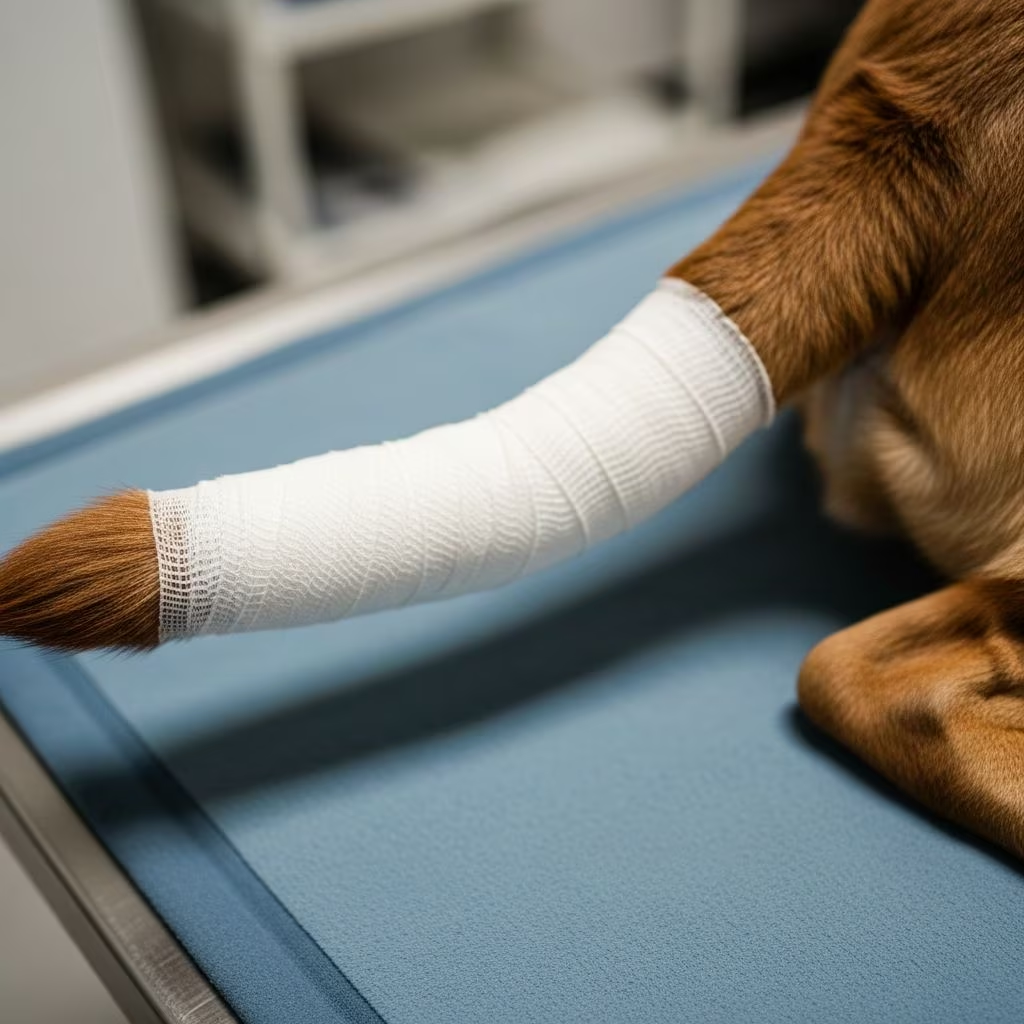
For minor abrasions, the area should be cleaned with mild soap and warm water. Apply antibiotic ointment and bandage the tail lightly with self-adhering wrap instead of adhesive tape. To avoid restricting blood flow, the bandage should not be wrapped too tightly. Change the bandage and reapply antibiotic ointment daily. Bitter Apple spray or an Elizabethan collar (cone) may deter your dog from chewing at the bandage. If excessive bleeding or swelling occurs, or if the tissue changes color, take your dog to your veterinarian immediately.
Fractures and Breaks
Tail fractures are more serious injuries that require professional veterinary evaluation. A dog’s tail can break due to various causes including being stepped on, caught in a door, or trauma from play or accidents. Fractures may occur at different points along the tail, and the severity and location of the break determine the appropriate treatment approach.
Visible signs of a tail fracture include obvious deformity, with the tail appearing bent, kinked, or twisted in an unnatural way. The affected area often shows swelling and bruising. Dogs with tail fractures typically exhibit signs of pain and discomfort, including whimpering, crying, or growling when the tail is touched or moved. Your dog may also lick or bite at the affected area in an attempt to soothe the pain.
For minor fractures, rest and restricted movement may be enough to allow the tail to heal on its own. In these cases, your veterinarian may prescribe pain relief to keep your dog comfortable during recovery. If the break is near the tip of the tail, it may heal with rest and immobilization. However, more severe breaks closer to the base of the tail may require more intensive treatment, including surgery. In rare cases where the tail is too damaged to heal properly or poses a risk of infection, amputation may be necessary.
Lacerations and Bite Wounds
Tail lacerations can occur from various causes including sharp objects, accidents, or bites from other animals. The length and depth of the laceration will determine whether it will be treated conservatively with wound care and bandaging, or if surgical intervention is needed. Most lacerations require antibiotics and pain medication to prevent infection and manage discomfort.
In cases where behavioral problems cause the dog to continuously bite or chew their tail, seeking help from a certified dog trainer and behavior consultant or veterinary behaviorist is important to prevent future trauma.
Nerve Damage and Limb Tail
Nerve damage is one of the most serious complications of tail injuries. If the nerves that control urination and defecation are injured, your dog may become incontinent. With time, nerve function may return; however, some dogs remain unable to control their bladder or bowels. Nerve damage may also cause the tail to hang limply, preventing your dog from wagging their tail or even raising it when having a bowel movement.
Limber tail, also known as cold tail or swimmer’s tail, is a painful muscle condition thought to be caused by overexertion. It causes pain at the base of the tail that is usually sensitive to touch, and the remainder of the tail is often limp. This condition most commonly affects large-breed, working dogs. Since a fractured tail can look like an infected tail, it is important to consult your veterinarian to ensure the best treatment. If fractures and infections have been ruled out, treatment includes rest and anti-inflammatory pain medications.
Recognizing Signs of Tail Injury
Pet owners should watch for several indicators that their dog may have sustained a tail injury:
Physical Symptoms:
– Visible deformities, bending, kinking, or twisting of the tail- Swelling and bruising around the affected area- Abrasions or bleeding- Hair loss on the tail or near the base- The tail held in an abnormal position- A limp, drooping tail that hangs limply- Complete inability to move the tail
Behavioral Symptoms:
– Signs of pain such as whimpering, whining, or other vocalizations- Licking or biting at the affected area- Reluctance to have the tail touched- Changes in how they wag the tail (one-sided versus side-to-side)- Changes in how they walk or gait- Being protective of their tail- Behavioral changes including becoming more withdrawn or less active- Changes in potty habits
Diagnosis and Professional Evaluation
If you think your dog has injured their tail, your first step should be to schedule a veterinary visit. While it may be tempting to assess the injury at home, professional care is essential for determining the severity of the injury and offering appropriate treatment. Your veterinarian will perform a physical examination of your dog’s tail to determine if there is a break or if the injury is a soft tissue issue. They may recommend an X-ray to identify the exact location and severity of the break. In some cases, what appears to be a broken tail may actually be a severe strain, sprain, or dislocation, which is why diagnostics are so important.
It’s important not to handle or try to reposition your dog’s tail if you suspect it’s broken. Doing so can cause further damage and increase your dog’s pain. Let your veterinarian take the lead in diagnosing and treating the injury.
Treatment Options for Tail Injuries
Treatment for tail injuries depends on several factors including the type of injury, its location, and its severity. Your veterinarian will develop an appropriate treatment plan tailored to your dog’s specific condition.
Conservative Treatment
For minor injuries, conservative treatment approaches are often effective. Rest and restricted movement allow the tail to heal naturally. Your veterinarian may recommend limiting your dog’s activity for a few weeks, which is particularly important for active dogs who may inadvertently reinjure their tail during play or exercise. Keeping your dog calm and reducing wagging can aid in quicker recovery.
Pain management is a crucial part of the treatment process. Your veterinarian may prescribe pain relief medications and anti-inflammatory drugs to keep your dog comfortable during recovery and to reduce inflammation. In some cases, mild sedatives may be recommended to help your dog rest.
Bandaging and splinting techniques help immobilize the tail and allow bones to heal properly. Veterinarians often wrap the tail in bandages or even duct-tape plastic syringe cases to the tail to prevent further injury. Dogs may need to wear an Elizabethan collar (cone) to keep from pulling off bandages.
Surgical Intervention
In more severe cases, where the break is complicated or the tail’s blood supply is compromised, surgery may be required. Severe fractures may require surgical intervention to realign the bones and ensure proper healing. In severe, chronic cases where the wagging will not stop and the injury will not heal, the best solution is surgical shortening of the tail. Although this surgery changes the dog’s appearance, a shorter wagging tail is less likely to cause further injury.
In rare cases where the tail is severely damaged, amputation may be necessary. This procedure may be recommended when the tail is too damaged to heal properly or poses a risk of serious infection.
Infection Prevention
Your dog’s veterinarian can prescribe antibiotics and pain medication to treat infected tails. Sometimes, bandaging the injured area and giving antibiotics and pain medication will prevent infection, calm the nerves, and allow the tail to heal. Skin infections may be a secondary problem with limp tails, particularly when repeated licking and chewing occurs.
Home Care and Recovery
After your dog’s tail has been treated, proper aftercare is crucial for successful healing. Caring for a dog with a tail injury involves providing a safe and comfortable environment for recovery. This includes restricting their activity to prevent further injury and following the vet’s instructions for wound care and medication administration.
Keep a close eye on the injury site for any signs of complications such as swelling, redness, discharge, or changes in skin color. These could indicate an infection or other issues that require prompt veterinary attention. Regular follow-up visits with your veterinarian are necessary to monitor the healing process and adjust the treatment plan as needed.
Depending on the severity of the injury, recovery time can vary. A minor hairline fracture might heal naturally within a few weeks, while a severe fracture with accompanying nerve damage may take several months to heal. Throughout the recovery period, maintain close communication with your veterinarian about your dog’s progress.
When to Seek Veterinary Care
While minor abrasions may be treated at home, many tail injuries require veterinary attention. Your job as a pet owner is to assess the situation and seek veterinary help when needed. Contact your veterinarian immediately if:
– Your dog shows signs of severe pain or distress- The tail appears obviously deformed, bent, or broken- Excessive bleeding or swelling occurs- The tissue changes color- Signs of infection develop (redness, discharge, warmth)- Your dog becomes incontinent- The tail remains limp and unresponsive- Your dog shows signs of behavioral changes or aggression- The injury does not improve with home care within a few days
Frequently Asked Questions
Q: Can a dog’s tail heal on its own?
A: Minor tail injuries may heal with rest and home care. However, more serious injuries such as fractures or severe lacerations require veterinary evaluation and professional treatment to ensure proper healing and prevent complications like infection or permanent nerve damage.
Q: How long does it take for a dog’s tail to heal?
A: Recovery time depends on the severity of the injury. Minor injuries may heal within a few weeks, while more severe fractures or nerve damage can take several months to heal completely.
Q: What should I do if I suspect my dog has a broken tail?
A: Schedule a veterinary visit immediately. Avoid handling or repositioning the tail, as this can cause further damage. Let your veterinarian perform a physical examination and any necessary diagnostic tests such as X-rays.
Q: Can a tail injury cause incontinence in dogs?
A: Yes, if the nerves that control urination and defecation are damaged, your dog may become incontinent. In some cases, nerve function may return over time, but some dogs may have permanent loss of bladder or bowel control.
Q: Is tail amputation ever necessary?
A: Amputation may be necessary in rare cases where the tail is severely damaged and cannot heal properly, or if it poses a risk of serious infection. Your veterinarian will recommend this option only when other treatments are not viable.
Q: How can I prevent tail injuries in my dog?
A: Avoid leaving doors open where tails can be caught, keep your dog away from sharp objects or abrasive surfaces, supervise playtime with other dogs, and ensure your dog doesn’t overexert themselves, particularly if they are a large-breed working dog prone to limber tail.
Conclusion
Tail injuries in dogs can range from minor abrasions to serious fractures requiring surgical intervention. As a pet owner, understanding the different types of tail injuries and their symptoms is essential for recognizing when your dog needs professional help. While minor injuries may respond to home care with bandaging and antibiotic ointment, more serious injuries require veterinary evaluation and treatment. Your veterinarian has the expertise to diagnose the exact nature of the injury, prescribe appropriate medications, and recommend the best course of treatment to ensure your dog’s recovery. With proper care and attention, most dogs recover well from tail injuries and return to their normal, tail-wagging selves.
References
- Can a Dog Break Their Tail? — Skyline Veterinary Clinic. Accessed November 2025. https://skylineveterinaryclinic.com/articles/dog-break-their-tail
- First Aid for Tail Injuries in Dogs — VCA Animal Hospitals. Accessed November 2025. https://vcahospitals.com/know-your-pet/tail-injuries-in-dogs
- Dog Tail Fracture: How This Can Happen — 441 Animal Hospital. Accessed November 2025. https://441animalhospitalboca.com/blog/dog-tail-fracture/
- Can a Dog Break Their Tail? — Coventry Veterinary Clinic. Accessed November 2025. https://coventryvetclinic.com/articles/dog-break-their-tail
- 5 Dog Tail Injuries to Be Aware Of — Zoetis Petcare. Accessed November 2025. https://www.zoetispetcare.com/blog/article/dog-tail-injuries
- How to Recognize Tail Injuries in Dogs — Taste of the Wild Pet Food. Accessed November 2025. https://www.tasteofthewildpetfood.com/articles/health/tail-injuries-in-dogs/



