

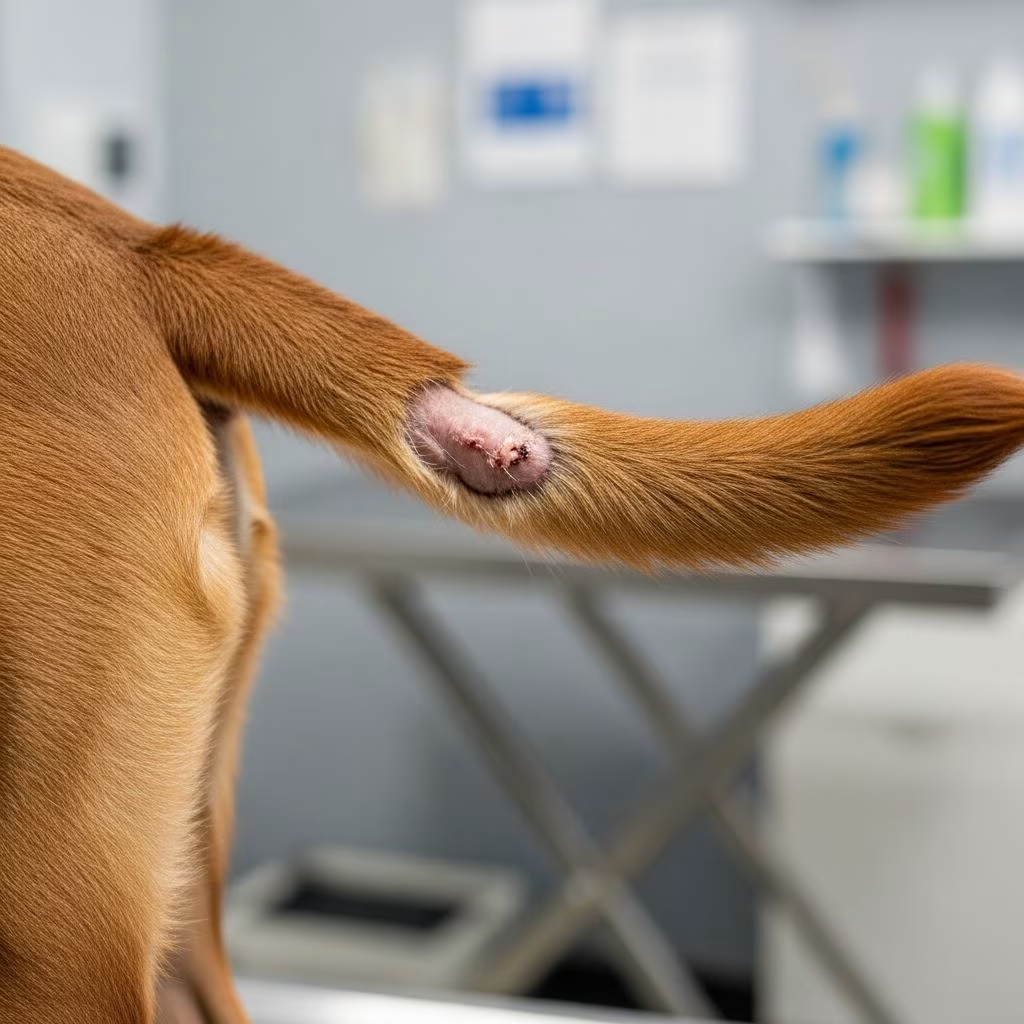
A dog’s tail serves multiple important functions—it aids in balance, facilitates communication through wagging and positioning, and helps with temperature regulation. When a tail injury occurs, it can significantly impact your dog’s comfort and quality of life. Understanding how these injuries happen, recognizing the warning signs, and knowing what treatment options are available can help you respond appropriately and ensure your pet receives proper care.
How Dogs Sustain Tail Injuries
Tail injuries in dogs occur through various mechanisms, most commonly involving accidental trauma. Since dogs are naturally active and curious creatures, their tails are vulnerable to injury in everyday situations. Understanding the common ways these injuries happen can help you implement preventive measures to protect your pet.
Traumatic Incidents and Environmental Hazards
One of the most frequent causes of tail injuries involves getting caught or pinched. A dog’s tail can easily become trapped when a door closes suddenly, particularly in busy households with multiple family members. Similarly, a tail may be accidentally stepped on during normal household activities or rolled over by furniture such as chairs or recliners. These seemingly minor incidents can result in significant injuries, including fractures and crush wounds.
Outdoor accidents also pose risks. A dog struck by a moving vehicle, hit by an object during play, or injured by being pulled on the tail can sustain serious trauma. Even activities that seem routine, like a bad fall or collision with hard surfaces, can damage the delicate bones and tissues within the tail.
Injuries During Play and Exercise
While physical activity is essential for canine health and mental stimulation, vigorous play can occasionally result in tail injuries. During rough play with other dogs or humans, a dog’s tail may be accidentally bitten, twisted, or pulled with enough force to cause fractures. Smaller or more delicate breeds are particularly susceptible to injury during enthusiastic play sessions.
Additionally, a condition called limber tail or cold tail can develop following overexertion, particularly during swimming or bathing. This painful muscle condition affects the muscles at the base of the tail and is more common in large-breed working dogs.
Recognizing Signs of Tail Injury
Identifying a tail injury early allows for prompt veterinary intervention. Dogs with tail injuries often display observable changes in behavior and physical appearance. Recognizing these signs helps distinguish between minor injuries that may heal at home and serious conditions requiring professional evaluation.
Visual and Behavioral Indicators
A dog with a tail injury may hold their tail in an unusual position—either drooping, held tightly against the body, or remaining unnaturally stiff. The injured tail may appear swollen, show discoloration, or have visible wounds or hair loss. Some dogs develop a limp or weak appearance in the tail, sometimes called a limp tail, where it hangs motionless despite the dog’s attempts to move it.
Behavioral changes often accompany physical signs. A dog may lick or chew excessively at the injured area, cry out when the tail is touched, or show reluctance to move as freely as usual. These pain responses help indicate that professional evaluation is needed.
Distinguishing Different Types of Injuries
Simple abrasions occur when dogs wag their tails against rough surfaces like concrete or wire fencing, or when the tail catches under objects like rocking chairs. These injuries typically show hair loss and exposed red skin but are generally minor. In contrast, fractures involve broken bones within the tail and typically cause more severe pain, swelling, and mobility issues. A dislocated tail joint creates different symptoms than a fracture, and a crushing injury from a door or other object may cause nerve damage in addition to bone or tissue damage.
Diagnosis and Veterinary Evaluation
Proper diagnosis is essential for determining the appropriate treatment approach. Veterinarians use multiple diagnostic tools to assess tail injuries and develop effective treatment plans.
The Veterinary Examination Process
During an initial examination, your veterinarian will perform a thorough physical assessment of the injured tail. They will palpate the tail to detect abnormalities, assess pain levels, and check for signs of infection or nerve damage. The vet will also examine the surrounding area to ensure the injury hasn’t affected other body systems.
For suspected fractures or serious injuries, X-ray imaging is typically necessary. X-rays reveal the exact location and severity of bone fractures, helping the veterinarian determine whether the break is simple (bones remain aligned) or complex (bones are displaced). Imaging also shows whether there is any damage to the vertebrae or associated structures. In some cases, blood tests may be performed to rule out infection or other systemic issues, particularly if the tail wound has been open or contaminated.
Treatment Approaches for Tail Injuries
Treatment for tail injuries varies significantly based on the injury type, location, and severity. Your veterinarian will recommend the most appropriate approach for your dog’s specific situation.
Conservative Management for Minor Injuries
Simple fractures where bones remain properly aligned often heal successfully with conservative care. This involves strict rest and immobilization to prevent further damage and allow natural healing. Your veterinarian may recommend confining your dog to a crate or small space, limiting jumping, running, and rough play during the recovery period.
For abrasions and minor wounds, home care includes gentle cleaning with mild soap and warm water, followed by application of antibiotic ointment. The area should be lightly bandaged with self-adhering wrap rather than adhesive tape, which can restrict blood flow if wrapped too tightly. Bandage changes and ointment reapplication should occur daily. To prevent your dog from licking or chewing at the injury, your veterinarian may recommend an Elizabethan collar or bitter apple spray deterrent.
Pain Management and Anti-Inflammatory Care
Regardless of treatment type, pain management is an important component of recovery. Your veterinarian will prescribe appropriate pain relievers and anti-inflammatory medications to keep your dog comfortable during healing. These medications reduce swelling, decrease pain, and improve your dog’s quality of life during recovery. Anti-inflammatory drugs are particularly beneficial for limber tail conditions where muscle inflammation is the primary issue.
Immobilization Techniques
For fractures that require more support than rest alone, splints or casts may be applied to immobilize the tail and prevent movement of broken bones. These devices require weekly veterinary check-ups and bandage changes to ensure proper healing and prevent complications. The splint or cast keeps the fractured bones in proper alignment while they fuse together, typically over several weeks.
Surgical Intervention
More severe fractures, particularly those where bones are significantly displaced or where nerve damage has occurred, typically require surgical repair. During tail fracture surgery, your veterinarian uses rods, plates, screws, or wires to stabilize the fracture and hold misaligned bones in proper position. All open fractures—where the broken bone is visible through the skin—require surgical repair to prevent infection and ensure proper healing.
Fractures located near the base of the tail are particularly serious because they can affect your dog’s ability to defecate, control bladder function, and maintain proper gait. These injuries often require surgical intervention to prevent long-term complications affecting basic bodily functions.
Amputation Considerations
In extreme cases where the tail is severely damaged, poses a risk of infection, or cannot heal properly despite other treatments, tail amputation may be recommended. While amputation seems drastic, it is often the fastest way to restore your dog to full health and eliminate pain. Most dogs adapt remarkably well to tail amputation and quickly return to normal activities and quality of life.
Amputation becomes necessary when crushing injuries compromise blood supply to the tail, when severe degloving (where skin is stripped from underlying tissue) occurs, or when repeated attempts to heal have failed. A shortened tail eliminates the problem and allows your dog to move forward with recovery.
Injury Location and Healing Prognosis
The location of the tail injury significantly influences treatment options and healing outcomes. Understanding how location affects prognosis helps set realistic expectations for recovery.
Tip Injuries and Their Outcomes
Fractures occurring at or near the tip of the tail generally have favorable healing outcomes. These injuries typically heal successfully with conservative treatment including rest and immobilization. Even without intervention, tip fractures may heal on their own, though they sometimes leave a permanent bump or bend at the injury site.
Mid-Tail Injuries
Injuries to the middle section of the tail often require more intensive treatment than tip injuries but typically respond well to conservative care or moderate surgical intervention when necessary. The blood supply to this region is generally adequate for natural healing when bones remain properly aligned.
Base Injuries and Serious Complications
Injuries at the tail’s base are the most serious and carry the greatest risk of long-term complications. The base contains important nerve structures and vertebrae that control bowel and bladder function, as well as affecting gait and movement. Crushing injuries at the base can cause permanent nerve damage, making amputation or surgical intervention essential. These injuries require immediate veterinary attention and often necessitate surgical repair or amputation to prevent permanent loss of bodily function.
Preventing Tail Injuries
While accidents cannot always be prevented, awareness and proactive measures can significantly reduce your dog’s risk of tail injury. Simple modifications to the home environment, supervision during activities, and behavioral management help protect your pet’s tail from common hazards.
Environmental Safety Measures
Prevent door-related injuries by being mindful when opening or closing doors, particularly in busy households. Consider installing door stops to prevent doors from closing forcefully. Keep your dog clear of areas where furniture might roll, and secure rocking chairs or other moving furniture when your dog is nearby. During outdoor activities, maintain awareness of potential hazards like moving vehicles or objects that could strike your dog’s tail.
Play Supervision and Management
Supervise playtime with other dogs and ensure interactions remain controlled and safe. Intervene if play becomes too rough, particularly if other dogs are grabbing or pulling at tails. Teach children to handle dogs gently and never pull tails, even during play.
Frequently Asked Questions
Can a dog’s broken tail heal on its own?
Simple fractures where bones remain aligned may heal with rest and immobilization without additional intervention. However, displaced fractures, crushing injuries, or fractures at the tail’s base typically require veterinary treatment and often surgery.
How long does a tail fracture take to heal?
Healing time varies depending on injury severity and type of treatment. Simple fractures with rest may heal in 4-6 weeks, while surgical repairs typically require 8-12 weeks or longer for complete healing.
What should I do immediately after my dog injures their tail?
Contact your veterinarian for evaluation, especially if there is visible injury, swelling, or pain. For minor abrasions, clean the area gently and prevent licking. Avoid manipulation of the injured area and keep your dog calm and confined to prevent further injury.
Is tail amputation safe and does it affect quality of life?
Yes, tail amputation is a safe procedure when medically necessary. Most dogs adapt quickly and return to normal activity levels with no significant impact on quality of life.
Can limber tail be prevented?
Limber tail related to overexertion can be prevented by avoiding excessive swimming or prolonged water exposure, particularly in large-breed working dogs. Gradual conditioning and adequate rest between activities help prevent overuse injuries.
When to Seek Emergency Care
Some tail injuries require immediate emergency veterinary attention. Seek emergency care if your dog has an open wound with visible bone or tissue, severe bleeding that doesn’t stop with gentle pressure, signs of shock (pale gums, rapid heartbeat, weakness), inability to use back legs, loss of bowel or bladder control, or signs of severe infection including fever or pus drainage.
Conclusion
Tail injuries in dogs range from minor abrasions to serious fractures requiring surgical intervention. Understanding common causes, recognizing warning signs, and knowing available treatment options empowers you to respond appropriately when injury occurs. Most tail injuries respond well to proper veterinary care, whether through conservative management, medications, or surgical procedures. Working closely with your veterinarian ensures your dog receives the most appropriate treatment for their specific injury, promoting full recovery and return to normal activity.
References
- Tail Injuries in Dogs: Causes and Treatment — VCA Animal Hospitals. 2024. https://vcahospitals.com/know-your-pet/tail-injuries-in-dogs
- Can a Dog Break Their Tail? — The Ridge Veterinary Clinic. 2024. https://theridgevet.com/articles/dog-break-their-tail
- Dog Tail Fracture: How This Can Happen — 441 Animal Hospital. 2024. https://441animalhospitalboca.com/blog/dog-tail-fracture/
- Broken Tails in Pets: Signs and Treatments — ASPCA Pet Insurance. 2024. https://www.aspcapetinsurance.com/resources/broken-tails-pets/
- Dog Tail Injury: Signs and Causes — PetMD. 2024. https://www.petmd.com/dog/general-health/dog-tail-injury-signs-causes
- Limber Tail Syndrome: What is Limp Tail in Dogs? — Toegrips. 2024. https://toegrips.com/limber-tail-syndrome/



