Tail Docking or Amputation: Key Differences
Understand the vital distinctions between cosmetic tail docking and essential medical tail amputation for your dog's well-being.
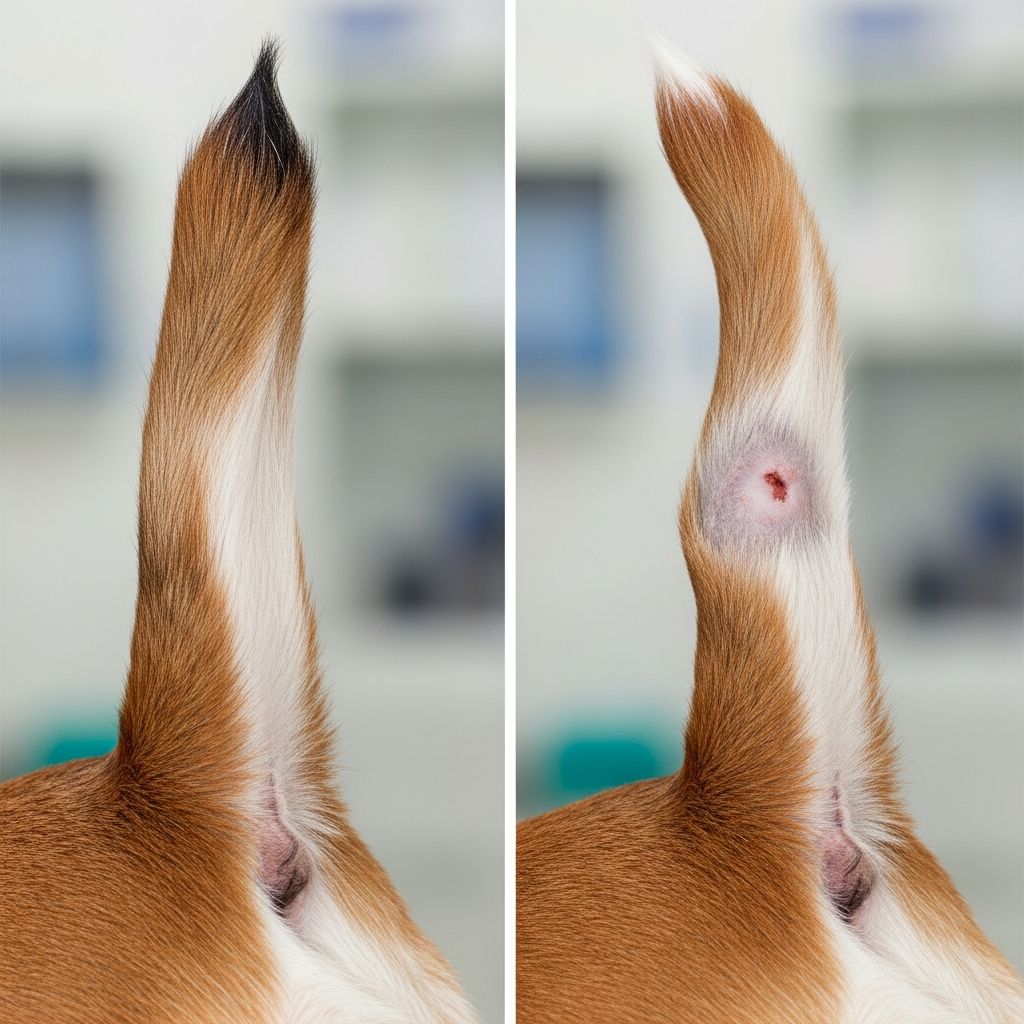
Tail docking involves shortening a dog’s tail primarily for aesthetic or historical working purposes, while tail amputation is a therapeutic surgery performed only when a dog’s health is at serious risk. These procedures differ fundamentally in purpose, timing, methods, and ethical considerations, with docking facing widespread criticism from veterinary professionals.
What Exactly Is Tail Docking?
Tail docking refers to the surgical or mechanical removal of a portion of a puppy’s tail, typically within the first few days of life. This practice originated centuries ago among working dogs to supposedly reduce injury risks in fields or hunts, though modern evidence questions its necessity. Today, it persists mainly to conform to certain breed standards set by kennel clubs.
The procedure can be done via severing with a scalpel or scissors, or by banding with a tight rubber ring that cuts off blood flow, leading to tissue necrosis and natural detachment. Puppies under five days old often receive no anesthesia due to their underdeveloped pain perception, but this remains a point of contention among animal welfare advocates. Docking alters the tail’s appearance permanently, leaving a short stump that defines breeds like the Doberman Pinscher or German Shorthaired Pointer.
- Historical use: Prevented tails from getting caught in underbrush or farm equipment for herding breeds.
- Modern rationale: Aesthetic alignment with breed standards, such as docking to the second joint for Dobermans.
- Common breeds: Pointers, Schnauzers, Boxers, and some Spaniels.
Defining Tail Amputation in Canines
In contrast, tail amputation is a full veterinary surgical intervention on dogs of any age, justified solely by medical imperatives. It addresses conditions where the tail poses an ongoing threat to the animal’s life or quality of life, such as irreparable trauma, necrosis, or malignancy. Performed under general anesthesia in a sterile clinic setting, it ensures humane pain control and proper wound closure.
This surgery targets the damaged section precisely, preserving as much healthy tissue as possible. For instance, in cases of ‘happy tail syndrome’—where enthusiastic wagging against hard surfaces causes chronic ulcers—amputation prevents endless cycles of reinjury and infection. Similarly, crushing injuries from doors or vehicles may necessitate removal of non-viable tail segments to halt bacterial spread.
| Aspect | Tail Docking | Tail Amputation |
|---|---|---|
| Purpose | Cosmetic/Preventive | Medical/Therapeutic |
| Age of Dog | Neonatal puppies | Any age, often adults |
| Anesthesia | Often none | Always required |
| Legal Status (UK) | Banned except working breeds | Always permitted |
Reasons Behind Tail Docking Practices
Proponents of docking argue it minimizes field injuries for active working dogs, like those in hunting or herding roles. A docked tail theoretically avoids thorns, machinery, or predator grasps. Breed enthusiasts also cite tradition, maintaining the ‘classic’ silhouette prized in dog shows. For example, the American Kennel Club standards for some breeds mandate specific docking lengths to preserve conformational ideals.
However, scientific scrutiny reveals scant proof that docking significantly curbs injuries in contemporary settings. Urban pets and even most working dogs rarely face such hazards, rendering the practice obsolete for welfare-focused owners. Moreover, docked tails impair natural communication; dogs use tail position, wag speed, and height to convey emotions, fostering misunderstandings with other dogs and complicating socialization.
Medical Justifications for Tail Amputation
Veterinarians recommend amputation only after exhausting conservative treatments like bandaging, antibiotics, or laser therapy. Key triggers include:
- Trauma and happy tail: Persistent wounds from wagging against walls, common in high-energy breeds like Labrador Retrievers in confined spaces.
- Oncological issues: Tail tumors, especially in older Golden Retrievers or German Shepherds, demand excision to prevent metastasis, as the tail’s sparse skin hinders localized removal.
- Infections and necrosis: Gangrene from untreated fractures or bites requires amputation to save the dog from systemic sepsis.
- Neurological damage: Severe nerve injuries causing chronic pain unresponsive to medication.
These cases underscore amputation’s role as a last-resort savior, often restoring mobility and comfort post-recovery.
Potential Risks and Complications
Both procedures carry risks, but their profiles diverge sharply. Docking, especially via banding, invites infections from necrotic tissue or open wounds post-severing. A notorious outcome is neuroma formation—a hypersensitive nerve tangle at the stump that triggers excruciating pain from mere touch, potentially lifelong.
Amputation, being sterile and monitored, faces fewer issues but isn’t risk-free: post-op infections, delayed healing in older dogs, or phantom sensations akin to human amputees. Pain management mitigates these, with most dogs resuming normal activity swiftly. Long-term, docked dogs may exhibit behavioral changes from communication deficits, while amputees typically adapt well if the tail wasn’t vital for balance.
Legal Landscape Across Regions
Legality varies globally, reflecting evolving welfare standards. In the UK, docking is prohibited for cosmetic purposes since 2007, classified as mutilation; exceptions apply to certified working breeds under veterinary supervision within five days of birth, requiring documentation. Australia, Germany, and much of Europe echo this ban. Conversely, the US permits unrestricted docking, though states like New York propose prohibitions. The AVMA opposes elective docking, urging reliance on evidence-based care.
Veterinary consensus leans against routine docking, prioritizing intact tails for natural expression and health.
Financial and Insurance Considerations
Costs fluctuate by location, dog size, and facility. Puppy docking ranges from $50–$200, deemed elective and thus uninsured. Amputation, as essential surgery, spans $300–$1,500+, often reimbursable via pet insurance excluding pre-existing conditions. Owners should verify policies, as docking claims are routinely denied.
Navigating Recovery Processes
Post-procedure care emphasizes wound protection and monitoring. E-collars prevent licking, analgesics control discomfort, and short leashes limit activity for 7–14 days. Docking heals faster in neonates (3–5 days), but vigilance for swelling is key. Amputees may need longer (2–4 weeks), with stitches removed at follow-up.
- Monitor for redness, discharge, or lethargy—signs warranting vet revisit.
- Gradual reintroduction to exercise prevents reinjury.
- Nutritional support aids tissue repair.
Most dogs bounce back resiliently, tails or not.
Veterinary Perspectives and Welfare Debates
Organizations like the AVMA and PDSA decry cosmetic docking for inflicting acute pain, potential chronic issues, and communication barriers without proven benefits. Studies indicate puppies feel pain, evidenced by distress vocalizations, challenging no-anesthesia justifications. Amputation garners support as humane when indicated, balancing ethics with necessity.
Frequently Asked Questions (FAQs)
Is tail docking painful for puppies?
Yes, behaviors like yelping suggest acute pain, though neonatal pain capacity is debated. Long-term neuroma risks add concerns.
Can adult dogs have tails docked?
Rarely recommended; anesthesia is used, but vets discourage unless medically required, favoring amputation protocols.
How do I know if my dog needs tail amputation?
Consult a vet for non-healing wounds, tumors, or necrosis. Imaging or biopsies confirm necessity.
Does docking prevent injuries?
Evidence is weak; intact tails rarely cause significant issues in modern environments.
What breeds commonly get docked?
Akitas, Australian Shepherds, Brittanys, Rottweilers, and others per AKC standards.
Choosing the Right Path for Your Dog
Pet owners should weigh welfare over tradition. Opt for breeders avoiding docking, support natural tails, and seek prompt vet care for tail issues. Informed choices safeguard canine companions from avoidable suffering while embracing necessary interventions.
References
- Tail docking in dogs — PDSA. 2023. https://www.pdsa.org.uk/pet-help-and-advice/pet-health-hub/other-veterinary-advice/tail-docking-in-dogs
- To Dock or Not? All About Docked Tails — Whole Dog Journal. 2024. https://www.whole-dog-journal.com/health/to-dock-or-not/
- Tail Docking vs Tail Amputation: Vet-Verified Differences — Dogster. 2024. https://www.dogster.com/dog-health-care/tail-docking-vs-tail-amputation
- Tail docking of dogs — American Veterinary Medical Association (AVMA). 2024-12. https://www.avma.org/sites/default/files/2024-12/avma-lit-review-dog-tail-docking-1124.pdf
Similar Articles







Read full bio of Sneha Tete