

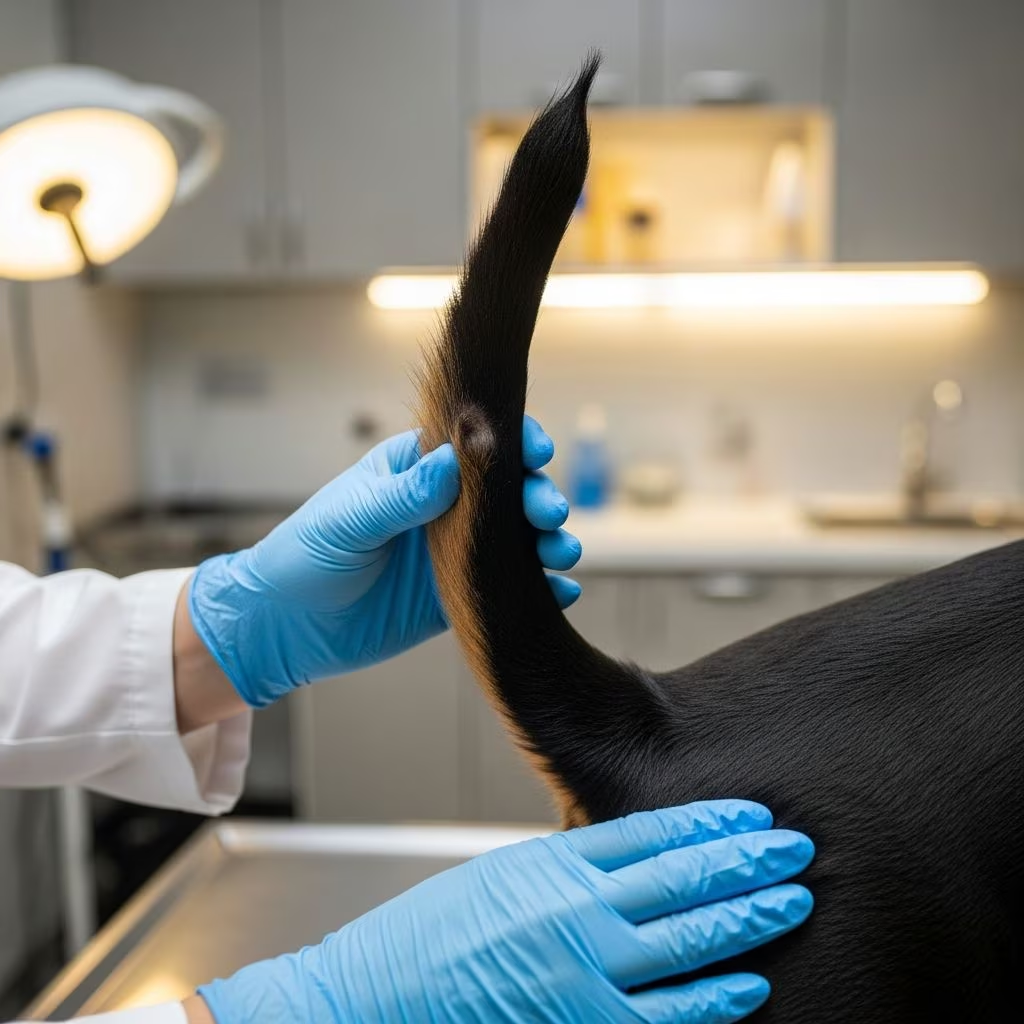
The practice of tail docking—surgically shortening or removing a dog’s tail—has sparked intense debate among veterinarians, breeders, and pet owners. Historically tied to working dogs, it now faces scrutiny for its welfare implications. This article breaks down the procedure’s origins, biological effects, legal landscape, and alternatives, helping you navigate this complex topic.
Understanding the Tail Docking Procedure
Tail docking typically occurs in puppies within the first few days of life, often without anesthesia, based on the outdated belief that neonates feel minimal pain. The tail is severed using sharp tools like scissors or a scalpel, cutting through skin, muscle, nerves, and bone. For older dogs, general anesthesia is used, but the procedure remains invasive.
- Timing: Most common between days 1-5 post-birth.
- Methods: Cutting, crushing, or banding to restrict blood flow.
- Duration: Quick for neonates (seconds), longer for adults (surgical time varies).
Immediate risks include bleeding, infection, and improper healing, which can lead to complications if not managed properly.
Historical Reasons for Tail Docking
Docking traces back centuries, initially for practical purposes. In medieval Europe, it was believed to prevent rabies or strengthen a dog’s back muscles. For working breeds like pointers, setters, and terriers, short tails reduced injury risk during hunting or herding in dense brush.
Today, arguments persist for certain breeds:
| Breed Type | Claimed Benefit | Evidence Level |
|---|---|---|
| Hunting/Field Dogs | Prevents tail damage in rough terrain | Low; injuries rare |
| Herding Breeds | Avoids wagging injuries on farms | Moderate; breed-specific |
| Show Dogs | Meets cosmetic breed standards | Cosmetic only; opposed by AVMA |
Modern data shows tail injuries are uncommon, with studies estimating 500 dogs must be docked to prevent one injury.
The Critical Role of the Tail in Canine Communication
A dog’s tail is far more than an appendage—it’s a vital communication tool. Wagging speed, height, and direction convey emotions: high and fast for excitement, low for submission, stiff for aggression. Docked tails obscure these signals, leading to misunderstandings with other dogs and humans.
- Emotional Signals: Broad wags indicate friendliness; quick flicks signal uncertainty.
- Social Interactions: Intact tails allow precise inter-dog reads, reducing fights.
- Human-Dog Bonds: Owners interpret tail cues for mood assessment.
Research reaffirms that docking severely impairs this lifelong function, causing welfare deficits. Dogs with stubs may appear aggressive or fearful, altering social dynamics.
Health Risks and Long-Term Consequences
While acute pain in neonates is debated, evidence points to significant lifelong issues. Puppies develop neuromas—painful nerve tumors—at the stump, leading to chronic pain and hypersensitivity.
Key long-term effects include:
- Hyperalgesia: Heightened pain sensitivity throughout life.
- Neuropathic Pain: Stump sensitivity to touch, self-mutilation reported years later.
- Infections/Complications: Bleeding, poor healing, incontinence links in some breeds.
Painful early experiences may reprogram pain processing, making adult dogs more reactive to discomfort. The AVMA notes these risks outweigh unproven benefits.
Global Legal Status and Veterinary Positions
Tail docking regulations vary widely. Many European countries, including the UK, ban it outright except for therapeutic reasons, deeming it mutilation. Australia and parts of Canada follow suit.
| Region | Status | Key Authority |
|---|---|---|
| UK/EU | Banned (cosmetic) | BVA: Unnecessary pain |
| USA | Legal in most states | AVMA opposes |
| Australia | Banned | Vet associations enforce |
In the US, no federal ban exists, but breed clubs face pressure to revise standards. The BVA calls for total bans unless medically justified.
Arguments For and Against Tail Docking
Pro Arguments:
- Reduces field injuries in working dogs.
- Maintains breed aesthetics for shows.
- Hygiene benefits in long-haired breeds (debatable).
Con Arguments:
- Pain and chronic issues dominate evidence.
- Communication loss lifelong.
- Outdated; natural tails viable for most.
Veterinary consensus leans against routine docking, prioritizing welfare.
Alternatives to Traditional Tail Docking
For concerned owners:
- Natural Tails: Embrace breed variations; many shows now allow them.
- Protective Gear: Tail guards for working dogs.
- Selective Breeding: Favor injury-resistant tails.
- Vet Monitoring: Treat injuries as they occur, rarely needed.
Organizations like the AVMA advocate leaving tails intact.
Choosing the Right Path for Your Puppy
Prospective owners should research breeders who skip docking. Discuss with vets: Is it medically needed? For pets, natural tails enhance life quality. Working dog owners weigh field realities, but data favors caution.
Informed decisions preserve canine welfare amid evolving standards.
Frequently Asked Questions (FAQs)
Is tail docking painful for puppies?
Yes, despite myths; it causes acute distress and potential chronic pain.
Does docking prevent injuries effectively?
No; stats show it’s inefficient.
Can docked dogs communicate normally?
No, tail signals are lost, risking miscommunications.
Is tail docking legal everywhere?
No; banned in many nations, opposed by major vet groups.
What if my breed standard requires it?
Standards are changing; prioritize health.
References
- Tail Docking of Canine Puppies: Reassessment of the Tail’s Role in Communication, Health, and Welfare — PMC/NCBI. 2018-08-15. https://pmc.ncbi.nlm.nih.gov/articles/PMC6028921/
- Tail Docking in Dogs — PetMD. 2023-06-12. https://www.petmd.com/dog/procedure/tail-docking-in-dogs
- Tail Docking in Dogs — British Veterinary Association (BVA). 2024-01-10. https://www.bva.co.uk/take-action/our-policies/tail-docking-in-dogs/
- Tail Docking of Dogs — American Veterinary Medical Association (AVMA). 2023-11-05. https://www.avma.org/resources-tools/animal-health-and-welfare/animal-welfare/tail-docking-dogs
- Tail Docking and Ear Cropping: What You Should Know — SPCANevada. 2022-09-20. https://spcanevada.org/services/pet-education/animal-ally/tail-docking-and-ear-cropping-what-you-should-know/
- The Truth About Docking a Dog’s Tail — Rover. 2023-04-18. https://www.rover.com/uk/blog/docking-dogs-tails/



