

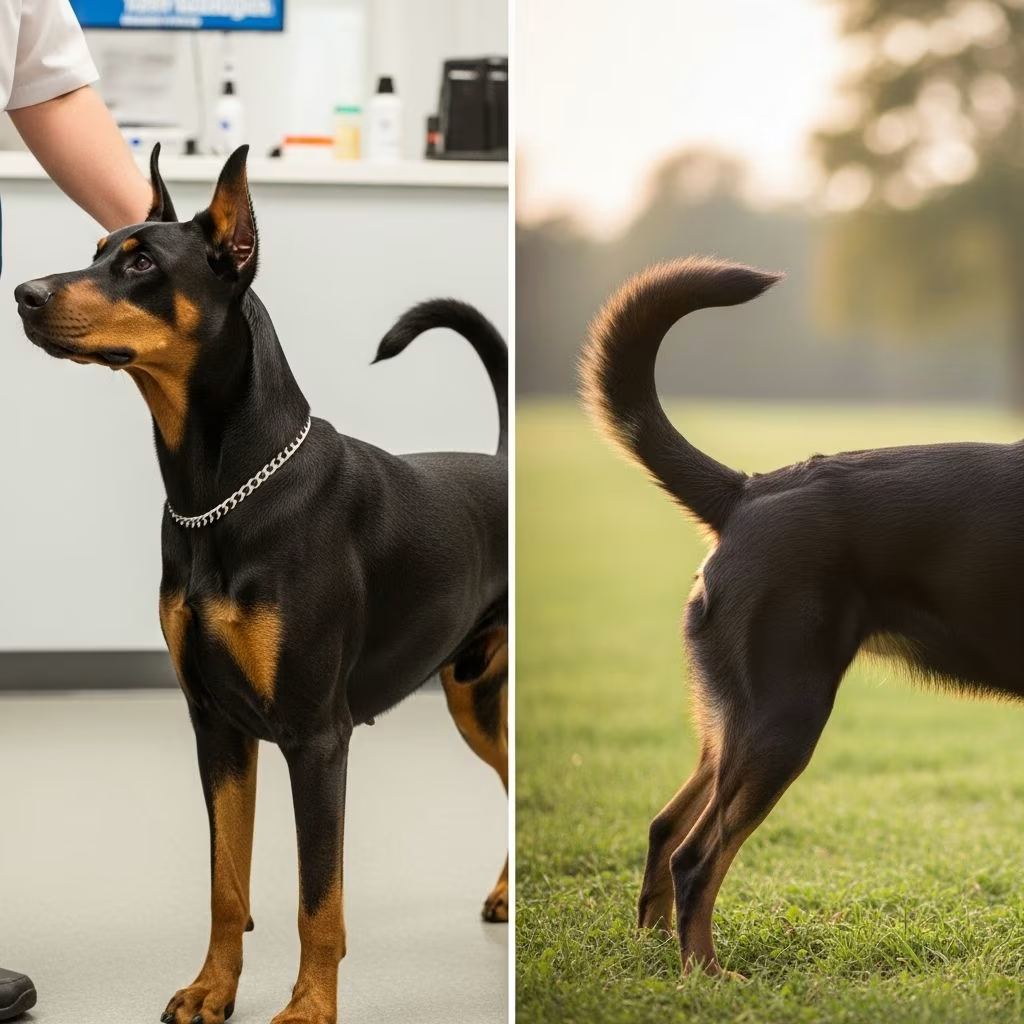
Deciding whether to dock a dog’s tail involves balancing tradition, breed expectations, and animal welfare. Tail docking, the surgical removal or shortening of a puppy’s tail, has been practiced for centuries but faces growing scrutiny from veterinarians and animal advocates today. This article delves into the procedure’s history, biological effects, risks, legal landscape, and alternatives to help dog owners make informed choices.
The Origins and Evolution of Tail Docking
Tail docking traces back to ancient times when it was believed to prevent rabies, strengthen a dog’s back muscles, or protect working dogs from injuries in fields and hunts. Over time, the practice shifted primarily toward cosmetic purposes to meet specific breed standards, such as those for Boxers, Dobermans, and Rottweilers. In modern contexts, docking is rarely performed on working dogs due to changes in roles and environments, leaving aesthetics as the main driver.
Historically, proponents argued that long tails in certain breeds were prone to damage during activities like hunting or herding. However, contemporary data challenges this, showing tail injuries are infrequent even in high-risk groups. For instance, research indicates that approximately 500 dogs would need docking to avert a single tail injury, highlighting the procedure’s questionable necessity.
How Tail Docking is Performed
The procedure typically occurs within the first five days of a puppy’s life, often without anesthesia, based on the outdated notion that neonates do not feel pain. A sharp instrument severs the tail at a predetermined length, cutting through muscle, nerves, bone, and vertebrae. For older puppies or adults, general anesthesia is used, but this is less common for cosmetic reasons.
- Neonatal docking: Quick cut or crush method; no pain relief.
- Adult docking: Surgical amputation under anesthesia; higher complication risks.
Post-procedure care involves monitoring for bleeding and infection, but the absence of pain management in newborns raises ethical concerns about immediate and latent suffering.
Biological Role of the Dog’s Tail
A dog’s tail is far more than an appendage; it serves as a vital communication tool. Dogs wag, curl, raise, or tuck their tails to convey emotions like joy, fear, aggression, or submission. Studies reveal over 50 distinct tail positions and movements that other dogs interpret for social interactions, warding off conflicts or fostering bonds.
Removing the tail impairs this signaling. Docked dogs struggle to express nuanced messages, potentially leading to misunderstandings with intact canines. This lifelong communication deficit affects social welfare, increasing stress in multi-dog settings or packs.
Beyond communication, tails aid balance during running and turning, though this function is secondary to welfare impacts.
Immediate Pain and Risks During Docking
Contrary to old beliefs, puppies experience acute pain from docking. Their nervous systems are developed enough to register and process nociceptive signals by day 5. The procedure triggers stress responses, including elevated cortisol levels and vocalizations.
| Risk | Description | Frequency |
|---|---|---|
| Bleeding | Excessive hemorrhage from severed vessels | Common if not cauterized |
| Infection | Bacterial entry at wound site | Moderate; puppies vulnerable |
| Pain Response | Acute distress without analgesia | Universal |
These acute effects underscore why many view neonatal docking as unnecessarily cruel.
Long-Term Health Consequences
The repercussions extend well beyond puppyhood. Docked dogs often develop neuromas—painful nerve tumors at the stump—that cause chronic hypersensitivity. Touching the area elicits sharp pain, and some dogs self-mutilate the stump years later, indicating persistent discomfort.
Additionally, early pain exposure induces hyperalgesia, a heightened sensitivity to pain throughout life. This alters pain processing pathways, making dogs more reactive to subsequent injuries or stimuli. Evidence links docking to generalized pain amplification and tail stump allodynia, where light touch feels agonizing.
- Chronic neuroma pain
- Hyperalgesia (whole-body pain sensitivity)
- Impaired pelvic muscle development (debated)
- Incontinence risks in some breeds
These outcomes diminish quality of life, contradicting claims of harmless tradition.
Veterinary and Organizational Stances
Major bodies like the American Veterinary Medical Association (AVMA) oppose cosmetic tail docking, advocating its removal from breed standards. They cite insufficient evidence for injury prevention against proven welfare harms.
The British Veterinary Association (BVA) labels docking mutilation under UK law, banning it except for therapeutic needs performed by vets. Similar positions come from the British Small Animal Veterinary Association (BSABA).
Tail docking inflicts significant pain on puppies and deprives dogs of vital expression, with poor execution risking chronic pain.
Global Legal Status of Tail Docking
Laws vary widely. Europe, including the UK, Australia, and parts of Scandinavia, prohibits cosmetic docking. The U.S. permits it without federal bans, though some states consider restrictions. Canada allows it under veterinary oversight.
- Banned (cosmetic): UK, Australia, Germany, Norway
- Allowed (U.S.): No national ban; breed club standards drive it
- Restricted: Exemptions for working dogs in some nations
This patchwork reflects evolving ethics, with bans correlating to stronger animal welfare frameworks.
Alternatives to Tail Docking
For those concerned about breed appearance or injury:
- Natural tails: Many kennel clubs now accept undocked dogs in conformation.
- Protective gear: Tail guards for working breeds.
- Breed selection: Opt for naturally short-tailed varieties.
- Therapeutic only: Reserve amputation for verified medical issues like tumors or fractures.
PetMD emphasizes no robust data justifies routine docking for injury prevention.
Common Myths About Tail Docking
Several misconceptions persist:
- Myth: Puppies don’t feel pain. Fact: They do, with long-term neurological effects.
- Myth: Docking prevents injuries. Fact: Injury rates too low to warrant mass procedures.
- Myth: It’s tradition. Fact: Welfare trumps outdated customs.
Frequently Asked Questions (FAQs)
Is tail docking painful for puppies?
Yes, docking causes acute pain, even in neonates, often without anesthesia, leading to stress and potential lifelong sensitivity.
Why do some breeds have docked tails?
Primarily for cosmetic breed standards, not medical necessity.
Can docked dogs live normal lives?
Most adapt, but they face communication challenges and possible chronic pain.
Is tail docking illegal?
Banned for cosmetics in many countries; legal in the U.S. but discouraged by vets.
What happens if I don’t dock my puppy?
Your dog retains full communication abilities and avoids procedure risks; many shows now accept natural tails.
Choosing What’s Best for Your Dog
Ultimately, tail docking’s cons—pain, communication loss, chronic issues—outweigh unproven pros like injury prevention. Consult ethical breeders and vets prioritizing welfare. As global bans grow, natural tails represent progress in canine care.
References
- Tail Docking of Canine Puppies: Reassessment of the Tail’s Role in Communication, Health, and Welfare — PMC (NIH). 2018-06-29. https://pmc.ncbi.nlm.nih.gov/articles/PMC6028921/
- Tail Docking in Dogs — PetMD. Accessed 2026. https://www.petmd.com/dog/procedure/tail-docking-in-dogs
- Tail Docking in Dogs — British Veterinary Association (BVA). Accessed 2026. https://www.bva.co.uk/take-action/our-policies/tail-docking-in-dogs/
- Tail Docking of Dogs — American Veterinary Medical Association (AVMA). Accessed 2026. https://www.avma.org/resources-tools/animal-health-and-welfare/animal-welfare/tail-docking-dogs
- Tail Docking and Ear Cropping: What you should know — SPCANevada. Accessed 2026. https://spcanevada.org/services/pet-education/animal-ally/tail-docking-and-ear-cropping-what-you-should-know/



