

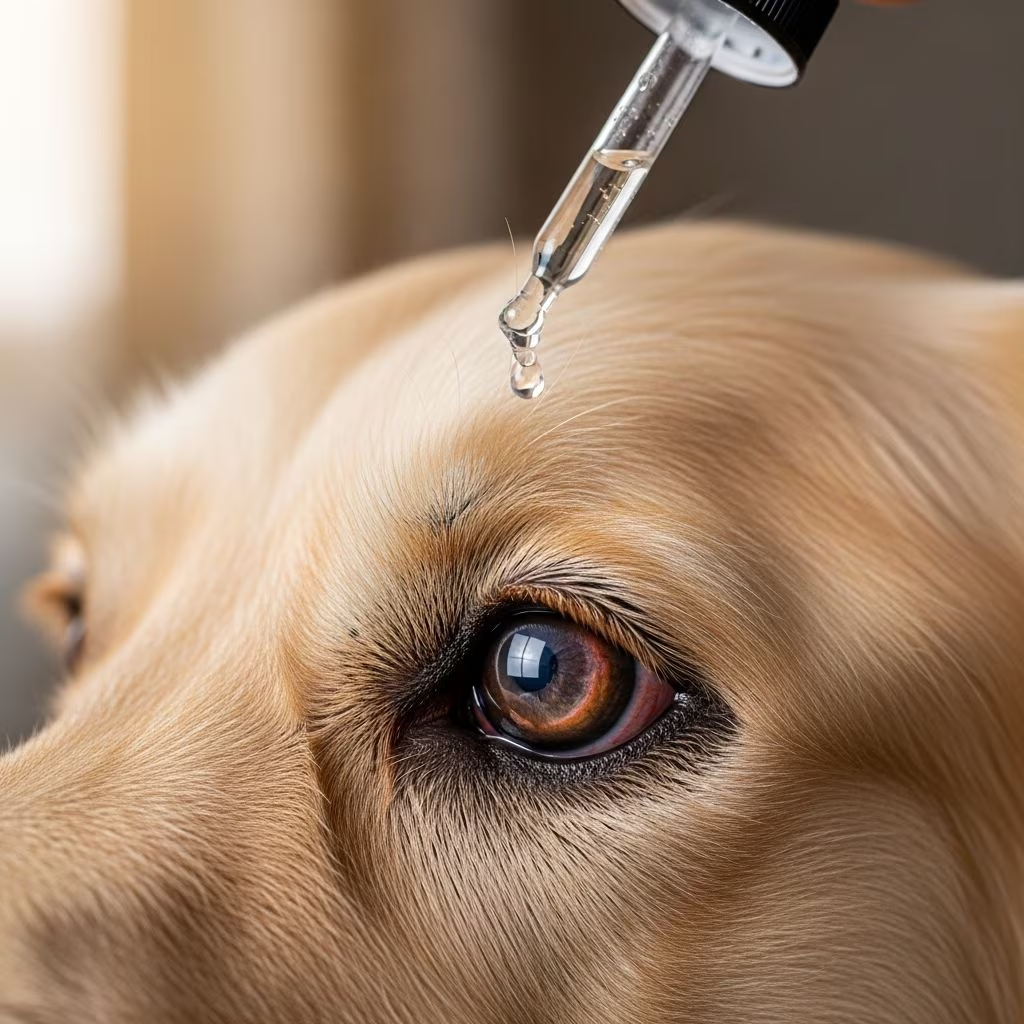
What Is Tacrolimus Ophthalmic?
Tacrolimus ophthalmic is an immunosuppressive agent specifically designed to treat keratoconjunctivitis sicca (KCS), commonly referred to as dry eye syndrome in dogs. This specialized medication works by stimulating tear production and reducing inflammation in the eyes of affected canines. Beyond dry eye, tacrolimus ophthalmic can be utilized to address other immune-mediated eye conditions, such as chronic superficial keratitis (CSK), a progressive inflammation of the cornea’s outer layers.
It is important to note that tacrolimus ophthalmic is not commercially produced as a standard pharmaceutical product. Instead, it must be specially compounded by a pharmacy according to veterinary prescriptions. The use of tacrolimus in dogs to treat dry eye and other immune-mediated eye conditions is classified as off-label usage, meaning the drug is being used in a way that has not been formally reviewed or approved by the U.S. Food and Drug Administration (FDA) or Health Canada. However, off-label use of medications is commonplace in veterinary medicine, and veterinarians frequently prescribe drugs this way to provide the best possible care for their patients.
Understanding Dry Eye in Dogs
Keratoconjunctivitis sicca (KCS) or dry eye is an inflammatory condition that significantly impacts canine eye health and comfort. This condition is most commonly observed in dogs and occurs when tear production decreases substantially. When tears are not produced in adequate quantities, serious complications can develop over time. Without sufficient tear film to protect and lubricate the eye, the cornea can become damaged, scarred, and ultimately may lead to blindness if left untreated.
In some cases, dry eye develops as a result of an immune-mediated condition where the body’s immune system inappropriately attacks the tear glands, reducing their ability to produce tears. Understanding the underlying cause of dry eye in your dog is essential for determining the most appropriate treatment approach. Tacrolimus ophthalmic addresses both the symptoms and the inflammatory mechanisms that contribute to dry eye, making it an effective treatment option for dogs with this condition.
Medical Uses of Tacrolimus Ophthalmic
Tacrolimus ophthalmic serves multiple therapeutic purposes in veterinary medicine. As an anti-inflammatory and immunosuppressive drug, it is frequently prescribed to treat various eye conditions in dogs.
Primary Conditions Treated
– Keratoconjunctivitis Sicca (KCS or Dry Eye): The primary indication for tacrolimus ophthalmic in dogs- Chronic Superficial Keratitis (CSK): An immune-mediated inflammation of the cornea’s superficial layers- Immune-Mediated Keratitis: Inflammation of the cornea caused by abnormal immune system activity- Pannus: A progressive inflammatory condition affecting the cornea
The ophthalmic drops work through a dual mechanism: they stimulate the tear glands to increase tear production while simultaneously preventing further destruction of ocular tissues. Animals with KCS resulting from abnormal immune system activity may require tacrolimus therapy throughout their entire lives to maintain tear production and prevent disease progression.
Comparison: Tacrolimus vs. Cyclosporine
For many years, cyclosporine has been the standard treatment for dry eye in dogs. However, tacrolimus has emerged as a promising alternative and, in many cases, a superior option. Both medications work to stimulate tear production in dogs with dry eye, but they have distinct characteristics worth understanding.
| Feature | Tacrolimus | Cyclosporine |
|---|---|---|
| Effectiveness | May be more effective in some dogs | Traditional standard treatment |
| Response Rate | Beneficial for cyclosporine-resistant cases | First-line therapy historically |
| Mechanism | Calcineurin inhibitor | Calcineurin inhibitor |
| Best For | Dogs not responding to cyclosporine | Initial treatment or maintenance |
Topical ophthalmic tacrolimus can be more effective than cyclosporine, which makes it an appropriate choice for animals who do not respond adequately to cyclosporine therapy. Dogs with dry eye will need to receive treatment for the rest of their lives, making treatment selection an important long-term decision.
How to Administer Tacrolimus Ophthalmic
Proper administration of tacrolimus ophthalmic is crucial for ensuring the medication’s effectiveness and minimizing the risk of complications. Veterinarians typically prescribe this medication in the form of an ointment or liquid solution, usually applied twice daily.
Administration Guidelines
– Wash your hands thoroughly before administering this medication- Do not allow the tip of the dropper or ointment tube to touch the surface of the eye or any other surface, as this can introduce contamination- Apply the medication directly to the affected eye as directed by your veterinarian- Give this medication at least 5 minutes before administering any other eye medications to prevent interaction or dilution- Maintain a consistent twice-daily dosing schedule for optimal results- Keep the medication stored according to pharmacy instructions
Consistency in administration is vital for achieving therapeutic success. Missing doses or irregular administration can reduce the medication’s effectiveness and may require a longer treatment period before improvements are noticed.
Timeline for Improvement
Understanding realistic expectations for treatment response is important for dog owners. Tacrolimus ophthalmic is not a medication that produces immediate results. This medication takes several doses before any noticeable effect will be apparent. The medication’s full effects may not become evident until your dog has taken it consistently for several weeks. However, a gradual improvement of your animal’s clinical signs should become visible as the medication becomes fully effective. The effects of this medication are moderate in duration, meaning the therapeutic effects may last for a few days after each application.
Potential Side Effects
While tacrolimus ophthalmic is generally well-tolerated by most dogs, it is important to be aware of potential adverse reactions. Your veterinarian should discuss these possibilities with you before starting treatment.
Common Side Effects
– Mild irritation upon application- Eyelid twitches or spasms- Hair loss around the eye area
Serious Adverse Reactions
If any of the following serious signs develop, stop giving tacrolimus ophthalmic immediately and contact your veterinarian without delay:
– Difficulty breathing or respiratory distress- Facial swelling or angioedema- Hives or widespread rash- Weakness or lethargy- Excessive tiredness or fatigue
Drug sensitivities can develop over time with repeated exposure. Your pet may have no reaction after the first few doses but may develop a sensitivity later in the treatment course. It is important to watch for signs of an allergic reaction over the entire course of treatment, including irregular breathing, rash, fever, and puffiness or swelling around the face. Notify your veterinarian immediately if you have any concerns about your dog’s response to the medication.
Risk Factors and Precautions
Before beginning tacrolimus ophthalmic therapy, your veterinarian will evaluate your dog’s medical history and current health status to ensure this medication is safe and appropriate.
Do Not Use Tacrolimus Ophthalmic If:
– Your pet is allergic to tacrolimus or any components of the formulation- Your pet has a viral or fungal infection in the eye, as immunosuppression could worsen the infection
Use With Caution If:
– Your pet is pregnant or nursing, as the effects on developing puppies or nursing puppies are not fully established- Your pet has other concurrent medical conditions that may interact with immunosuppressive therapy
Drug Interactions
There are no specific documented drug interactions with tacrolimus ophthalmic. However, it is essential to inform your veterinarian about any medications, vitamins, supplements, or herbal therapies that your dog is currently taking before starting tacrolimus treatment. This comprehensive disclosure allows your veterinarian to assess the overall medication regimen and ensure there are no potential contraindications or cumulative effects that could compromise your dog’s health.
Monitoring and Follow-Up Care
Regular monitoring is an essential component of successful tacrolimus ophthalmic therapy. Your veterinarian will establish a monitoring schedule to ensure the medication is working effectively and not causing adverse effects.
Veterinary Monitoring
When tacrolimus is used to treat dry eye, your veterinarian will monitor your pet’s tear production through regular eye examinations and Schirmer tear tests to confirm the medication is working as intended. The Schirmer tear test measures tear production and helps quantify improvement in tear secretion. For other conditions, your veterinarian will determine the appropriate reassessment schedule to ensure the medication is providing therapeutic benefit and not causing side effects.
Home Monitoring
At home, you should actively monitor your pet for improvement of clinical signs and watch for any side effects such as those noted above. Keep a log of your observations, including tear production, eye comfort, and any behavioral changes. If any concerning side effects occur, stop using the medication and contact your veterinarian immediately. Consistent home monitoring helps identify treatment success or the need for medication adjustment early in the course of therapy.
Dosage Forms and Strengths
Tacrolimus ophthalmic is available in multiple formulations to accommodate different treatment needs and veterinary preferences.
| Dosage Form | Administration Route | Available Strengths | Primary Benefits |
|---|---|---|---|
| Ophthalmic Solution | Applied directly to the eye | 0.02% to 2% | Sterile suspension format for easy application |
| Ophthalmic Suspension | Applied directly to the eye | 0.03% to 0.1% | Sterile suspension formulation |
| Nasal Solution | Administered in the nose | 1% | Alternative route for specific conditions |
Your veterinarian will determine the most appropriate formulation and strength based on your dog’s specific condition, the severity of disease, and individual response to therapy.
Off-Label Use in Veterinary Medicine
Tacrolimus ophthalmic’s use in dogs is classified as off-label, a common practice in veterinary medicine. Off-label use means the drug is being used in a way that has not been reviewed or approved by the FDA or Health Canada for that specific indication. In these instances, it is critically important to follow your veterinarian’s directions and cautions carefully, as they may be significantly different from those on the label. Your veterinarian bases their off-label recommendations on clinical experience, published research, and professional judgment regarding what is best for your individual dog’s condition.
Research Evidence for Efficacy
Clinical research has demonstrated the effectiveness of tacrolimus ophthalmic in treating canine dry eye. Scientific studies have shown that twice-daily administration of 0.02% tacrolimus in aqueous suspension effectively increased tear production in dogs with KCS, particularly in those with severe tear deficiency. Research has also demonstrated that tacrolimus is a promising alternative to topical cyclosporine for treatment of KCS and may be beneficial in dogs with less than optimal response to topical cyclosporine therapy.
Frequently Asked Questions
Q: How long will my dog need to take tacrolimus ophthalmic?
A: Dogs with dry eye resulting from immune-mediated conditions may require tacrolimus therapy throughout their entire lives to maintain adequate tear production and prevent disease progression. Your veterinarian will determine the appropriate long-term treatment plan for your dog’s specific condition.
Q: Can tacrolimus be used in cats as well as dogs?
A: Yes, tacrolimus ophthalmic can be used in cats to treat dry eye and other immune-mediated eye conditions. Your veterinarian will determine appropriate dosing and administration for feline patients.
Q: What should I do if I miss a dose?
A: If you miss a dose, apply it as soon as you remember. However, if it is almost time for the next scheduled dose, skip the missed dose and resume the regular dosing schedule. Do not double-dose to make up for a missed application.
Q: How quickly will I see improvement in my dog’s symptoms?
A: Tacrolimus is not a fast-acting medication. Improvement typically develops gradually over several weeks of consistent twice-daily administration. Full therapeutic effects may not be evident until your dog has taken the medication consistently for several weeks.
Q: Can tacrolimus be used alongside other eye medications?
A: Tacrolimus can be used with other eye medications, but you should apply tacrolimus at least 5 minutes before administering any other eye drops or ointments to prevent interaction or dilution of the medication.
Q: What storage conditions are needed for tacrolimus ophthalmic?
A: Store tacrolimus ophthalmic according to the specific instructions provided by your pharmacy. Many formulations require refrigeration. Always keep the medication in its original container and away from light and heat.
References
- Tacrolimus for Dogs and Cats — Wedgewood Pharmacy. 2022-07-14. https://www.wedgewood.com/medications/tacrolimus/
- Tacrolimus, Ophthalmic – Veterinary Wellness Center of Boerum Hill — VetMedux. 2024-06-13. https://boerumhillvet.com/wp-content/uploads/2024/06/Handout_2024-06-13_13-56-51.pdf
- Effect of topical 0.02% tacrolimus aqueous suspension on tear production in dogs with keratoconjunctivitis sicca — PubMed Central. 2005. https://pubmed.ncbi.nlm.nih.gov/16008701/
- Tacrolimus Ophthalmic – VCA Animal Hospitals — VCA Animal Hospitals. 2024. https://vcahospitals.com/know-your-pet/tacrolimus-ophthalmic-in-dogs
- Tear Stimulants and Immunosuppressants in Animals — MSD Veterinary Manual. 2024. https://www.msdvetmanual.com/pharmacology/systemic-pharmacotherapeutics-of-the-eye/tear-stimulants-and-immunosuppressants-in-animals



