

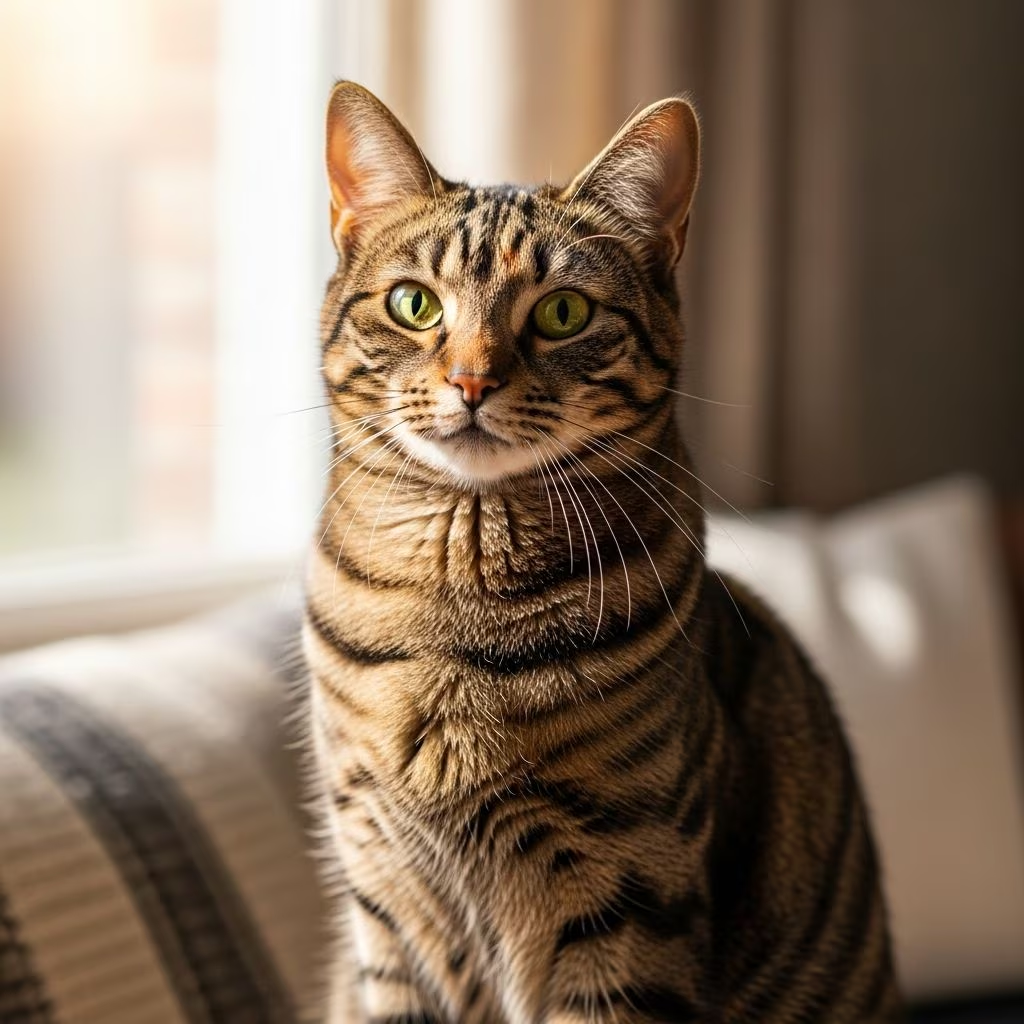
Tabby cats represent one of the most common and beloved feline patterns found in households worldwide. These distinctive striped, spotted, or swirled coats come in various colors and can be found across multiple cat breeds and domestic mixed-breeds. One question frequently asked by tabby cat owners is: how long can we expect these charming companions to share our lives? Understanding tabby cat lifespans requires examining multiple interconnected factors that collectively determine whether your tabby reaches their early teens or celebrates their late teens with vigor.
Average Lifespan and Typical Longevity Ranges
The average tabby cat typically lives between 12 to 18 years, with some well-cared-for individuals reaching 20 years or beyond. This represents a substantial lifespan when compared to outdoor cats, which typically survive only 2 to 5 years due to environmental hazards and reduced access to preventive care. The difference in longevity between indoor and outdoor cats highlights the significant impact that living conditions play in determining a feline’s overall lifespan.
It’s important to recognize that tabby cats are not a distinct breed but rather a description of coat pattern. Therefore, their lifespan varies considerably depending on whether they are domestic shorthairs, domestic longhairs, or purebred cats with specific genetic backgrounds. Some tabby cats have been documented living into their late thirties, demonstrating that with exceptional care and favorable genetics, these animals can achieve remarkable longevity.
Genetic Influence on Tabby Cat Longevity
Genetics serve as one of the primary determinants of how long a tabby cat will live. Just as human genetics influence our susceptibility to certain conditions, feline genetics play a crucial role in determining predisposition to diseases and overall vitality. Certain cat breeds, when displaying tabby patterns, demonstrate notably longer lifespans than others.
Breeds such as the Burmese, Siamese, and British Shorthair have established reputations for longevity, often living 18 to 25 years when properly cared for. These breeds benefit from genetic selection that emphasizes health and resistance to hereditary conditions. Conversely, some purebred varieties like the Selkirk Rex tend to have shorter average lifespans, ranging from 8 to 14 years, often due to breed-specific health predispositions.
Mixed-breed tabbies frequently demonstrate advantages over their purebred counterparts in terms of longevity. This phenomenon, known as hybrid vigor, occurs because genetic diversity provides protection against hereditary diseases. The broader genetic pool found in domestic shorthairs and longhairs creates more resilience against breed-specific health issues.
Environmental Factors: Indoor Versus Outdoor Living
Perhaps no single factor influences tabby cat lifespan more dramatically than whether the cat lives primarily indoors or outdoors. Indoor cats consistently outlive their outdoor counterparts by a substantial margin, often by more than a decade.
Indoor tabbies benefit from multiple protective factors:
- Protection from vehicular accidents and traffic-related injuries
- Reduced exposure to infectious diseases from other animals
- Avoidance of predators, including coyotes, hawks, and larger canines
- Climate control and shelter from extreme weather conditions
- Access to consistent preventive veterinary care
- Elimination of poisoning risks from pesticides or toxic plants
Outdoor and semi-outdoor cats face substantial health risks that directly reduce their lifespan. Environmental hazards, untreated injuries, and exposure to contagious diseases create a cumulative burden on their health systems. Even indoor cats allowed unsupervised outdoor time experience reduced lifespans compared to exclusively indoor cats, suggesting that even limited outdoor exposure carries measurable risk.
Nutritional Requirements and Dietary Impact
A tabby cat’s diet fundamentally influences its longevity and quality of life. Proper nutrition provides the building blocks necessary for healthy organ function, immune system strength, and metabolic efficiency throughout the cat’s lifespan.
Complete and balanced feline diets should contain:
- High-quality proteins for muscle maintenance and repair
- Essential amino acids, particularly taurine, which cats cannot synthesize independently
- Appropriate fat content for energy and nutrient absorption
- Balanced mineral and vitamin ratios for bone and metabolic health
- Appropriate fiber levels for digestive function
Weight management represents a critical nutritional consideration. Obese cats face substantially elevated health risks compared to their normal-weight peers. Overweight felines are nearly three times more likely to experience mortality between ages 8 and 12 compared to cats maintaining healthy weights. Additionally, obesity dramatically increases the likelihood of developing cancer, joint disorders, and heat intolerance.
Feeding regimens should align with your tabby’s life stage. Younger adult cats require different nutritional profiles than senior cats. Transitioning to senior-formulated diets as tabbies reach their later years can address digestive changes and provide targeted nutritional support for aging systems.
The Impact of Reproductive Status on Longevity
Whether a tabby cat has been spayed or neutered significantly influences lifespan. Research demonstrates compelling evidence supporting the longevity benefits of reproductive sterilization.
Spayed female cats demonstrate approximately 39 percent longer lifespans compared to intact females, while neutered males show approximately 62 percent longer lifespans than intact males. These substantial differences reflect multiple biological mechanisms. Spaying eliminates reproductive cancers and heat-related physiological stress in females. Neutering reduces testosterone-driven behaviors that increase injury risk and provides protection against certain cancers in males.
Beyond longevity benefits, spaying and neutering prevent behavioral issues including territorial spraying, excessive vocalizations during heat cycles, and aggressive behaviors associated with reproduction. These behavioral improvements contribute to reduced stress and injury rates.
Regular Veterinary Care and Disease Prevention
Consistent veterinary supervision serves as a cornerstone of tabby cat longevity. Regular health assessments enable early detection and treatment of emerging health conditions before they progress to critical stages.
Essential veterinary care components include:
- Annual wellness examinations for younger and middle-aged cats
- Twice-yearly examinations for senior cats aged 11 and older
- Preventive vaccinations appropriate to the cat’s lifestyle and risk profile
- Dental care, including professional cleanings and home brushing
- Parasite prevention and treatment protocols
- Blood work and laboratory testing to monitor organ function
- Early intervention when health changes are detected
Senior cats require particular attention, as the transition from mature to senior status occurs around age 11. At this life stage, conditions such as chronic kidney disease, hyperthyroidism, and arthritis become increasingly prevalent. Dietary adjustments and medication regimens can substantially improve quality of life and extend longevity during these later years.
Life Stage Considerations for Tabby Cats
Tabby cats progress through distinct life stages, each presenting unique health considerations and care requirements:
| Life Stage | Age Range | Key Characteristics | Care Priorities |
|---|---|---|---|
| Kitten | 0-12 months | Rapid growth and development | Vaccination, socialization, nutritious diet |
| Young Adult | 1-6 years | Peak physical condition and activity | Adequate exercise, protein-rich nutrition, spaying/neutering |
| Mature Adult | 7-10 years | Gradual activity decline, weight gain risk | Weight monitoring, regular vet checkups, dietary adjustment |
| Senior | 11+ years | Reduced mobility, increased health risks | Frequent veterinary monitoring, specialized diet, comfort support |
During the mature stage, many owners mistakenly believe their cats remain young and healthy despite signs of aging. This misconception can delay recognition of developing health conditions. One cat year approximately equals four human years during this period, meaning significant physiological changes occur relatively rapidly from a human perspective.
Mental Stimulation and Physical Activity
Cognitive engagement and appropriate physical activity contribute meaningfully to tabby cat longevity and quality of life. Mental stimulation maintains neurological health and prevents cognitive decline associated with aging.
Effective enrichment strategies include:
- Interactive play sessions with wand toys and feather toys
- Puzzle feeders and treat-dispensing toys
- Window perches for bird-watching stimulation
- Climbing structures appropriate to the cat’s age and ability
- Rotating toys to maintain novelty and interest
- Gentle interactive games adapted to senior cats’ capabilities
Physical activity level should be calibrated to the individual cat’s age and health status. Young and middle-aged tabbies benefit from vigorous play sessions, while senior cats may prefer gentler activities. Maintaining appropriate activity levels helps prevent obesity, preserves muscle mass, and supports cardiovascular health throughout the lifespan.
Common Health Conditions Affecting Tabby Lifespans
Certain health conditions disproportionately affect tabby cats and can significantly impact longevity if not properly managed. Chronic kidney disease represents the leading health concern in aging cats and often requires ongoing management throughout the senior years. Hyperthyroidism, common in middle-aged and senior tabbies, causes metabolic acceleration but responds well to treatment when identified early.
Heart disease, diabetes, and dental disease also frequently affect tabby cats as they age. Early detection through routine screening and prompt intervention can extend both lifespan and quality of life. Maintaining updated dental health through professional cleanings and home care helps prevent infections that can damage vital organs.
Creating an Environment for Longevity
The physical environment significantly influences tabby cat longevity and well-being. Indoor environments should provide:
- Safe spaces free from hazards, toxins, and stress
- Temperature regulation between 65-75°F
- Humidity levels appropriate to respiratory health
- Multiple litter boxes in quiet, accessible locations
- Vertical spaces for climbing and observation
- Access to natural light and outdoor views
- Quiet retreat areas for rest and stress reduction
Stress reduction represents an underappreciated factor in feline longevity. Chronic stress suppresses immune function and contributes to various health conditions. Creating predictable routines, minimizing household disruptions, and providing secure spaces helps maintain emotional equilibrium throughout the cat’s lifespan.
Frequently Asked Questions
- What is the oldest recorded tabby cat lifespan?
- The oldest recorded tabby cat lived to 39 years old, demonstrating that exceptional care and favorable genetics can extend feline lifespans far beyond typical ranges. However, lifespans exceeding 25 years remain uncommon.
- Do male and female tabby cats have different lifespans?
- Neutered males and spayed females show different longevity patterns when unaltered, but neutering and spaying equalize lifespans by eliminating reproductive health risks. When controlled for reproductive status, gender plays a minor role in determining lifespan.
- Can tabby cats live 20 years?
- Yes, tabby cats can definitely reach 20 years and beyond when they receive proper care, maintain healthy weights, receive regular veterinary attention, and enjoy indoor lifestyles. However, this requires commitment to consistent care practices.
- What breed of tabby cats lives the longest?
- Siamese and Burmese breeds displaying tabby patterns typically demonstrate the longest lifespans, often reaching 18-25 years. Mixed-breed domestic tabbies frequently outlive some purebreds due to genetic diversity.
- How can I help my tabby cat live longer?
- Maximize your tabby’s lifespan by keeping them indoors, providing a nutritionally balanced diet, maintaining a healthy weight, scheduling regular veterinary checkups, ensuring spaying or neutering, providing mental stimulation, and creating a stress-free environment.
References
- Tabby Cat Lifespan: How Long Do Tabby Cats Live? — A-Z Animals. 2024. https://a-z-animals.com/pets/cats/cat-facts/tabby-cat-lifespan/
- How Long Do Cats Live? Here’s What To Expect — PetMD. 2024. https://www.petmd.com/cat/care/how-long-do-cats-live
- How Long Do Tabby Cats Live? — Pet Insurance Review. 2024. https://www.petinsurancereview.com/blog/how-long-do-tabby-cats-live
- The Average Lifespan of a Cat: Breed by Breed Chart — PetCareRx. 2024. https://www.petcarerx.com/article/the-average-lifespan-of-a-cat-breed-by-breed-chart/1698
- How Long Do Cats Live? Cat Life Expectancy — Purina UK. 2024. https://www.purina.co.uk/articles/cats/senior/care/how-long-do-cats-live



