

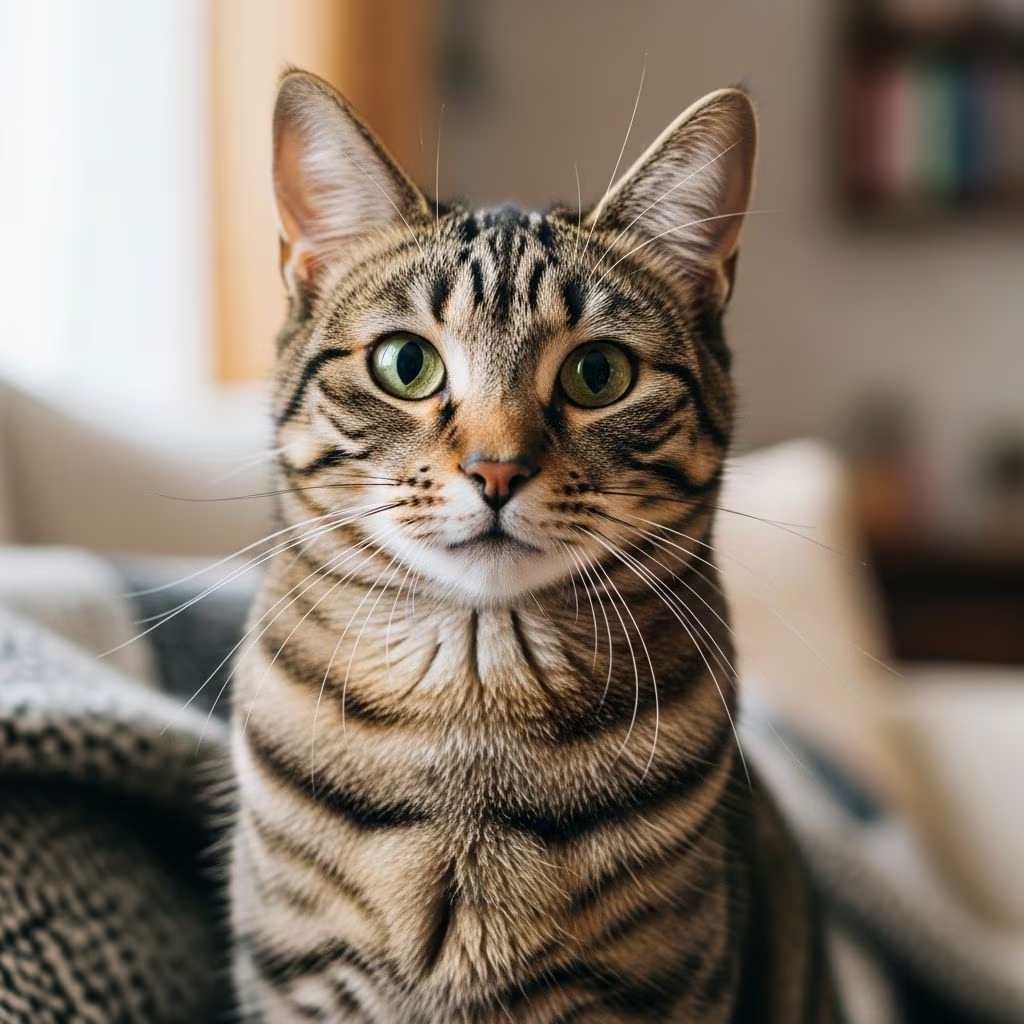
What Makes Tabby Cats Stand Out as Companions
Tabby cats have captivated pet owners for generations, earning a reputation as some of the most engaging feline companions available. These cats, identifiable by their distinctive striped, spotted, or swirled coat patterns, possess a remarkable combination of traits that make them particularly appealing as household pets. However, understanding what actually defines tabby cat personalities—and what might simply be popular myth—is essential for anyone considering bringing one of these cats into their home.
It’s important to note that “tabby” refers to a coat pattern rather than a specific breed. Approximately 70% of all cats display some form of tabby markings, which means these patterns can appear across numerous breeds and mixed-breed populations. This distinction becomes crucial when examining personality claims, as behavioral characteristics vary significantly based on individual genetics, breed background, and personal upbringing rather than coat pattern alone.
The Intelligence Factor: Why Tabbies Excel at Problem-Solving
One of the most consistent observations about tabby cats is their remarkable intelligence. These felines demonstrate strong cognitive abilities that set them apart as particularly engaging pets. Tabby cats display exceptional memory retention and show impressive capacity to adapt to new environments and changing household dynamics. Their problem-solving skills often astonish owners who find themselves outwitted by clever cats figuring out how to open cabinets, navigate new spaces, or devise creative ways to achieve their goals.
This intelligence manifests in various ways throughout daily life. Tabby cats learn quickly which actions produce desired outcomes, whether that involves meowing in specific ways to request treats, recognizing feeding schedules, or understanding the difference between approved and forbidden activities. Their cognitive abilities make them particularly responsive to training efforts when owners employ appropriate techniques and patience.
Training Tabby Cats: Building Understanding Through Consistency
Because of their intelligence, tabby cats respond exceptionally well to structured training approaches. Repetition and positive reinforcement create powerful learning experiences for these capable felines. When owners reward desired behaviors immediately with treats or affection, tabby cats quickly establish connections between their actions and positive outcomes. This makes them more trainable than many people expect, though success requires dedication and consistency from human family members.
Training challenges sometimes arise when tabby cats don’t receive consistent messaging about boundaries. Their intelligence can work against owners who don’t maintain steady approaches to discipline and praise. A tabby cat might interpret inconsistent responses as negotiable rules, leading to what owners perceive as stubbornness or willfulness. In reality, the cat has simply learned that persistence sometimes yields rewards, making them appear manipulative or bossy when they’re simply employing successful strategies.
The Affectionate Nature: Separating Fact from Fiction
Tabby cats possess a well-earned reputation for affection, though this characteristic deserves closer examination. Many tabby owners describe their cats as loving, cuddly companions who genuinely enjoy human interaction. These cats often seek out lap time, enjoy being petted, and form strong emotional bonds with their family members. However, attributing affection exclusively to the tabby pattern itself may be misleading.
The perception that tabby cats are exceptionally affectionate likely stems from statistical reality rather than inherent coat-pattern characteristics. Since the majority of cats display tabby markings in some form, simple mathematics means most affectionate cats encountered will be tabbies. Additionally, positive examples of affectionate tabbies in popular culture—from cartoon characters to viral internet videos—reinforce this perception and may unconsciously influence how owners interpret their own cats’ behavior.
Individual personality, breed background, early socialization experiences, and the amount of attention a cat receives throughout its life profoundly influence affection levels far more than coat pattern. A tabby kitten raised with abundant human contact and positive handling will likely develop into an affectionate adult, while a tabby with limited socialization may remain aloof despite its genetic potential for warmth.
Social Tendencies and Family Dynamics
Tabby cats typically demonstrate strong social inclinations that make them excellent family pets. These felines generally enjoy participating in household activities and appreciate being around their human family members throughout the day. Many tabby owners report that their cats follow them from room to room, displaying dog-like loyalty and constant interest in family activities.
This social nature extends beyond human relationships. Tabby cats often integrate well into multi-pet households, adapting readily to living with other cats or dogs. Their sociability makes them conversation starters, as they frequently greet guests with enthusiasm and interact comfortably with visitors. This welcoming disposition contrasts sharply with more aloof cat breeds, creating an appealing dynamic for families seeking interactive pets.
Playfulness and Curiosity as Defining Characteristics
Curiosity appears to be genuinely characteristic of tabby cats, manifesting as constant exploration of their surroundings. These natural investigators love peeking into open cabinets, climbing to new heights, and examining anything novel in their environment. This exploratory drive makes them entertaining companions but requires owners to provide adequate stimulation and enrichment.
Playfulness accompanies this curiosity, with tabby cats demonstrating genuine enthusiasm for interactive toys, feather wands, and even simple objects like paper balls. Their mischievous tendencies—batting objects off tables, sneaking into forbidden spaces, and generally causing delightful chaos—reflect active minds constantly seeking engagement and entertainment. Providing appropriate outlets for these instincts, including climbing structures, interactive toys, and window perches for bird-watching, helps channel their energy productively.
The Hunting Instinct: Tracking the Predator Within
Tabby cats possess a well-developed hunting instinct that connects directly to their coat patterns’ evolutionary purpose. The distinctive tabby markings—whether stripes, spots, or swirls—provide natural camouflage in tall grass and brush, enabling effective hunting for small prey. This pattern appears not only in domestic cats but also in wild felines like tigers and leopards, highlighting the practical survival advantage these markings provide.
Many tabby cats exhibit strong prey-drive behaviors, making them particularly effective mousers and natural pest controllers. If you’re searching for a cat that will enthusiastically patrol your home or garden for rodents, a tabby may indeed be your ideal companion. This hunting drive, while useful for pest management, also explains why tabby cats sometimes chase household objects, including small toys and even fingers.
Understanding Individual Personality Variation
Perhaps the most important understanding about tabby cat personalities is recognizing that tremendous variation exists within the tabby population. While some tabbies are outgoing social butterflies, others prefer independence and quieter environments. Some display remarkable affection and cling to their owners, while others maintain polite but distant relationships with household members.
This variation reflects the fact that tabby cats come from diverse genetic backgrounds and breeds. The tabby pattern can appear in naturally independent breeds as well as naturally social ones, creating a population with widely differing predispositions. Additionally, early experiences, socialization, and individual personality quirks shape each cat’s behavior far more than their coat pattern.
Environmental Adaptation and Lifestyle Flexibility
Tabby cats demonstrate impressive adaptability to various living situations. Whether residing in a bustling family home with multiple children and other pets or in a quiet apartment with a single owner, tabby cats generally adjust well to their circumstances. This flexibility makes them suitable for diverse households and lifestyles, though each cat has unique preferences that should be respected and accommodated.
Managing Behavioral Challenges
While tabby cats offer many wonderful qualities, owners may occasionally encounter behavioral challenges requiring thoughtful management. Understanding the roots of these behaviors helps address them more effectively.
Stubborn and Bossy Tendencies
Some tabby cats develop reputations for stubbornness or bossiness, particularly when they don’t receive desired outcomes. Their intelligence enables them to learn which behaviors garner attention or rewards, sometimes leading to persistent demands that can test owners’ patience. These cats may become cranky or demanding when boundaries don’t align with their preferences, creating household dynamics requiring careful negotiation.
Managing this behavior successfully involves establishing and maintaining consistent boundaries while providing generous positive reinforcement for compliant behaviors. Rewarding desired actions with treats and affection creates positive associations with boundaries rather than negative ones, making cats more willing to cooperate.
Touch Sensitivity and Handling Issues
Some tabby cats develop aggressive responses to being held or touched extensively, though this likely stems from early socialization experiences rather than inherent tabby characteristics. Cats that received inadequate positive handling during kitten-hood may never feel entirely comfortable with physical restraint or intensive petting. Addressing these issues requires patience, gentle desensitization, and respecting the cat’s boundaries while gradually building trust and comfort with touch.
Tabby Cats as First Pets: A Practical Assessment
The assertion that tabby cats make excellent first pets contains truth, though with important caveats. Cats generally—including tabbies—qualify as relatively low-maintenance pets compared to many dog breeds. They manage their own grooming, use litter boxes with minimal training, and often entertain themselves independently. Additionally, many cats display affection and interactive behaviors that satisfy people seeking companionship.
However, attributing these positive qualities exclusively to the tabby pattern itself represents oversimplification. Individual personality matters far more than coat pattern. Before adopting any cat, including tabbies, prospective owners should spend time interacting with the specific animal to assess compatibility. Not every tabby will suit every household, just as not every potential owner will properly match with every cat’s temperament and needs.
Frequently Asked Questions About Tabby Cat Personalities
Are orange tabbies really lazier than other tabbies?
The perception that orange tabby cats are lazier likely stems from cultural influences rather than biological reality. Popular cartoon characters like Garfield, an orange tabby known for sleeping and eating rather than activity, have shaped public perception about orange tabbies specifically. When people encounter orange tabbies that match this stereotype, they remember these instances, while active orange tabbies receive less attention. This selective memory creates an inaccurate but persistent belief about orange tabby behavior.
Do tabby cats bond differently with their owners than other cats?
Tabby cats form strong bonds with their owners, but this ability isn’t unique to tabby patterns. Individual cats of any coat pattern can develop deeply affectionate relationships based on early socialization, consistent care, and personality compatibility. The frequency of tabbies means more tabby stories of strong bonds exist in circulation, potentially creating false impressions about their uniqueness in this regard.
Can tabby cats be trained effectively?
Yes, tabby cats’ intelligence makes them trainable through positive reinforcement, patience, and consistency. Using immediate rewards when they display desired behaviors and maintaining steady expectations about boundaries enables learning. However, training success depends more on human commitment and proper technique than on the cat’s tabby status.
What enrichment activities do tabby cats need most?
Tabby cats thrive with interactive play, climbing structures, window perches, puzzle toys, and opportunities to explore their environment. Providing mental stimulation through these outlets channels their natural curiosity and playfulness productively, reducing destructive behaviors and promoting overall wellness.
Creating an Ideal Environment for Your Tabby Cat
Regardless of the specific tabby cat you welcome into your home, creating an enriched environment supports their wellbeing and happiness. Interactive toys, vertical spaces for climbing, window access for observing outdoor activity, and dedicated playtime with their owners all contribute to a fulfilled life. Additionally, respecting each cat’s individual preferences regarding handling, socialization, and alone time ensures a harmonious household dynamic.
Understanding that tabby cats are individuals first and tabbies second allows for more realistic expectations and deeper appreciation of each cat’s unique personality. Rather than assuming certain traits based on coat pattern, take time to know your specific tabby cat’s preferences, quirks, and needs. This personalized approach creates stronger bonds and more satisfying relationships with these remarkable feline companions.
References
- 10 Fascinating Facts about the Tabby Cat — We Are All About Cats. 2020-04-03. https://weareallaboutcats.com/2020/04/03/10-fascinating-facts-about-the-tabby-cat/
- The Vet’s Tabby Cat Guide: Facts, Care, and Training Tips — Vets Love Pets Australia. https://vetslovepets.com.au/blogs/breed-guides/tabby-breed-guide
- Tabby Cat 101: What to Know Before Adopting One — YouTube. https://www.youtube.com/watch?v=1PdXXq6o0us
- Are Orange Tabbies Really Lazier? The Truth Behind Tabby Cat Personality Myths — The Cat Site. https://thecatsite.com/c/tabby-cat-personality-fact-or-fiction/
- Tabby Cat — Wikipedia. https://en.wikipedia.org/wiki/Tabby_cat



