

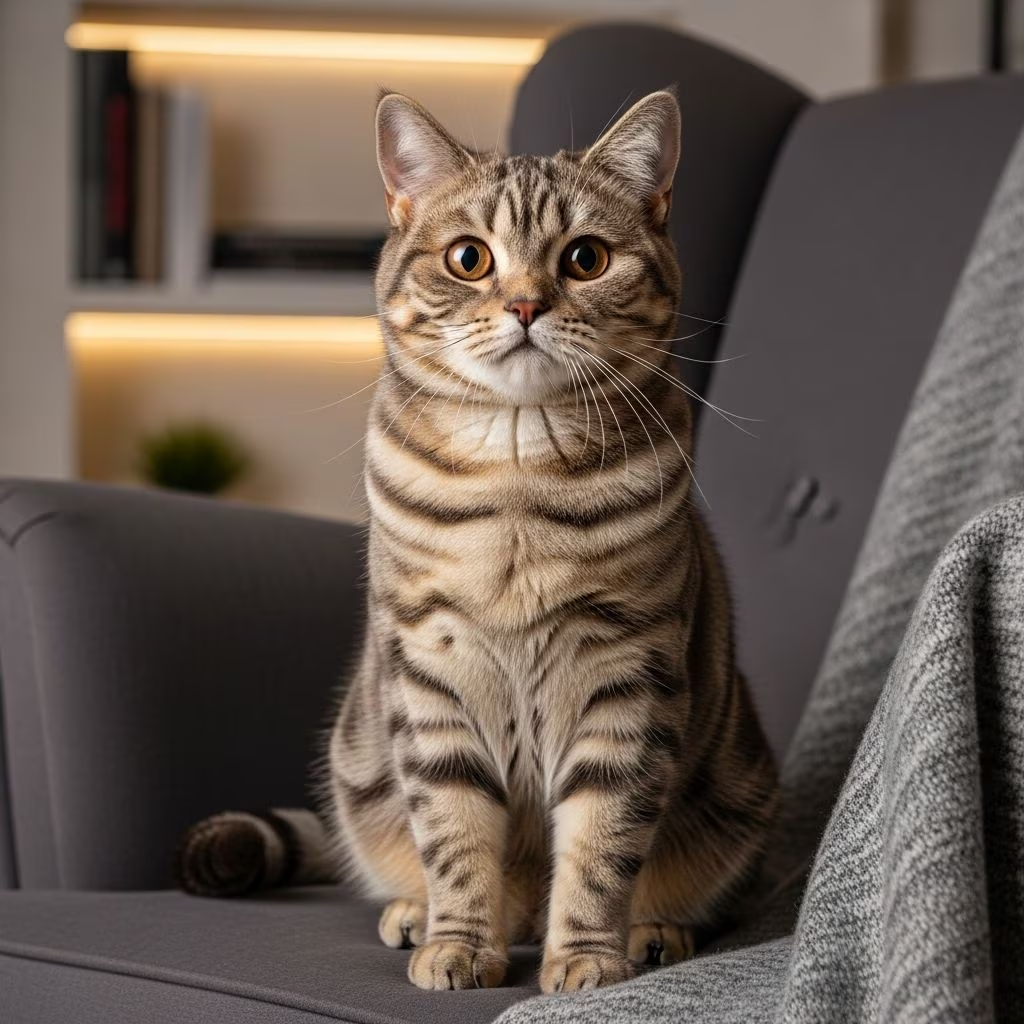
The tabby British Shorthair represents one of the most captivating variations of an already exceptional cat breed. These felines combine the robust, sturdy characteristics of the British Shorthair with the striking visual appeal of tabby markings, creating a breed that captivates cat enthusiasts worldwide. Understanding this distinctive feline requires exploring their physical attributes, behavioral patterns, care needs, and suitability as household companions.
Physical Characteristics and Appearance
Tabby British Shorthairs exhibit a distinctive appearance that sets them apart from other feline varieties. The breed features a medium to large frame with a compact, muscular build. These cats possess a broad chest, well-developed muscular neck, and strong jaws that reflect their historical role as skilled hunters.
The most recognizable feature of British Shorthairs is their exceptionally thick and dense coat. This plush fur serves multiple purposes—it provides insulation in varying climates and creates the luxurious texture that many owners find irresistible. During winter months, the coat becomes noticeably longer and fuller, offering enhanced protection against cold weather. The texture of the coat is deliberately coarse and resilient, designed to withstand the demands of an active lifestyle.
The tabby pattern overlays this dense coat with distinctive markings. Common tabby patterns include:
- Classic tabby stripes that form ring-like patterns across the body
- Mackerel tabby markings featuring thin, parallel stripes running perpendicular to the spine
- Spotted tabby patterns that break the striping into discrete spots
- Ticked tabby appearance with minimal visible stripes but distinguished by banded hair
Facial features include round, full cheeks that give the breed an endearing expression, combined with expressive eyes and remarkably mobile ears. The legs are notably thick and strong, providing stability and balance despite the cat’s sturdy frame. Their tails are expressive and proportionate, often used to communicate mood and intention.
Temperament and Personality Traits
The tabby British Shorthair embodies a calm, easygoing temperament that makes them exceptional family companions. Unlike more demanding breeds, these cats strike a balance between affection and independence that appeals to diverse household situations.
British Shorthairs are notably docile and friendly animals. They display what many describe as a laid-back approach to life, preferring quiet observation to chaotic activity. These cats would rather perch in a comfortable spot and survey their surroundings than engage in constant, boisterous play. This measured approach to daily life makes them particularly suitable for apartment dwellers and individuals who appreciate a more subdued household atmosphere.
The breed’s social nature reveals itself gradually. While British Shorthairs are not aloof, they typically require time to warm up to new people. Once they have accepted you as part of their family, however, they demonstrate genuine loyalty and affection. This reserved initial behavior should not be mistaken for unfriendliness; rather, it reflects the breed’s respect for personal boundaries and measured approach to relationships.
Building Bonds with Your Tabby British Shorthair
Successful relationships with these cats involve respecting their preference for a low-key approach to attention. Tabby British Shorthairs enjoy being petted and will express contentment through deep purring, yet they typically dislike being picked up or held on laps for extended periods. Instead, they prefer to remain near you while maintaining some physical independence. Many owners describe the ideal arrangement as having their cat follow them around the house, checking in periodically but not demanding constant interaction.
These felines are highly adaptable and intelligent. They adjust well to different living situations and household compositions, making them excellent choices for first-time cat owners seeking a low-maintenance yet engaging companion.
Social Compatibility and Family Integration
One of the defining strengths of the tabby British Shorthair is their compatibility with various household situations. The breed is exceptionally good with children and demonstrates remarkable patience even with young youngsters who may not yet understand appropriate cat handling. This tolerance, combined with their relaxed temperament, makes them ideal family pets.
British Shorthairs are also generally compatible with other animals. Their moderate prey drive, while present, can typically be channeled into interactive games and toys rather than problematic hunting behaviors. This quality makes them suitable for households with multiple pets, provided proper introductions are conducted thoughtfully.
The breed develops loyalty not just to one individual but rather to the entire family unit. Each household member receives attention and affection, though the cat maintains their independence and doesn’t require constant engagement from any single person.
Activity Level and Playfulness
Tabby British Shorthairs demonstrate moderate playfulness that varies with age. Younger cats exhibit more vigorous energy and require adequate space to run, play, and explore. However, as they mature, they embrace a more relaxed lifestyle without losing their engaging nature entirely.
The breed maintains playfulness throughout their lifespan, which some attribute to a slow maturation process. Rather than becoming couch potatoes, these cats retain an interest in interactive play and environmental enrichment. They enjoy cat toys and climbing structures but don’t require constant stimulation or hourly attention from their owners. If they desire play, they will often bring a toy to a family member, essentially requesting engagement on their own terms.
The beauty of the British Shorthair’s activity level lies in their adaptability. They adjust to their owner’s lifestyle, whether you’re highly active or prefer a quieter home environment. They won’t judge you for quiet afternoons spent reading while they nap nearby, nor will they disappoint you when you’re in the mood for interactive play.
Grooming and Coat Maintenance
The magnificent coat of the tabby British Shorthair requires regular but manageable grooming. Most sources recommend grooming once per week to maintain coat health and minimize shedding. Some owners may achieve adequate results with less frequent grooming, though this depends on individual coat density and shedding patterns.
Weekly grooming sessions serve multiple purposes:
- Removes loose fur before it ends up on furniture and clothing
- Distributes natural oils throughout the coat
- Allows early detection of skin issues or parasites
- Strengthens the bond between cat and owner through tactile interaction
- Prevents matting and maintains coat texture
During winter months, when the coat becomes thicker and fuller, slightly more frequent grooming may be beneficial. Many owners find that their British Shorthairs actually enjoy the grooming process, as it provides the tactile attention they appreciate without the pressure of being held or cuddled.
Communication Style and Vocalization
Tabby British Shorthairs are moderately vocal cats. They are not the chatty, demanding breeds that announce their every need with persistent meowing. Instead, they employ a measured approach to vocalization, using sound selectively to communicate genuine needs or desires. When they do vocalize, they often produce deep, resonant purrs that indicate contentment.
This moderate vocalization level makes them well-suited to apartment living and noise-sensitive environments. They won’t disturb neighbors with constant vocal demands, yet they retain sufficient expressiveness to communicate with their human companions.
Living Environment Requirements
British Shorthairs thrive as indoor house cats, though some sources suggest they can tolerate limited outdoor access if properly socialized. Their ideal living situation provides comfort, environmental enrichment, and the companionship of their family members.
These cats handle being left alone better than more dependent breeds, though they genuinely prefer company. The breed can typically manage a few hours alone without distress, making them suitable for working families. However, they are not ideal for situations involving extensive daily isolation.
Environmental enrichment should include:
- Vertical spaces like cat trees or wall-mounted shelves
- Interactive toys that engage their hunting instincts
- Window perches for bird watching and environmental observation
- Comfortable resting spots throughout the home
- Opportunities for interactive play with family members
Size and Physical Specifications
Adult tabby British Shorthairs typically weigh between 4.0 and 8.0 kilograms (approximately 9 to 18 pounds), placing them in the medium to large size category for cats. Males generally exceed females in size, though both genders maintain the breed’s characteristic stocky, muscular build.
The breed’s larger size means owners should take special care when handling these cats. Proper support of the back end is essential, as allowing the hind end to drag can create discomfort and insecurity. Despite their size, British Shorthairs are remarkably graceful and nimble, moving with surprising elegance for such a substantial feline.
Health Considerations and Longevity
Tabby British Shorthairs generally enjoy good health when properly cared for. Their thick coat, while requiring regular grooming, provides natural protection against environmental stressors. The breed’s moderate activity level supports healthy weight maintenance when combined with appropriate nutrition.
Responsible ownership involves regular veterinary check-ups, appropriate nutrition, and mental stimulation to prevent obesity and behavioral issues. The breed’s adaptability extends to their dietary needs, and most cats thrive on high-quality commercial cat foods formulated for adult maintenance.
Suitability as a First Cat
The tabby British Shorthair ranks among the best choices for first-time cat owners. Their combination of friendliness, low maintenance requirements, adaptability, and easygoing temperament creates an ideal introduction to cat ownership. They don’t demand extensive attention, tolerate mistakes in handling, and adapt well to household changes.
For families, individuals living alone, and apartment dwellers alike, the tabby British Shorthair offers a compelling package of desirable traits without excessive demands or behavioral challenges.
Frequently Asked Questions
How much attention do tabby British Shorthairs require daily?
These cats don’t need hourly attention or constant interaction. They are content with periodic play sessions and the opportunity to be near their family members while maintaining independence. Most owners find they require less hands-on attention than more demanding breeds.
Are tabby British Shorthairs good with children?
Yes, the breed is exceptionally good with children due to their patient, docile temperament. They tolerate the enthusiastic handling of young children without becoming aggressive or overly reactive.
Can tabby British Shorthairs live in apartments?
Absolutely. Their calm demeanor, moderate activity level, and quiet vocalization make them ideal apartment residents. They don’t require extensive outdoor space or constant activity.
How often should I groom my tabby British Shorthair?
Weekly grooming is recommended to maintain coat health and manage shedding. Some cats may require slightly more frequent sessions during heavy shedding periods.
Do British Shorthairs get along with other cats?
Yes, the breed generally tolerates other animals well. They are not territorial or aggressive, though proper introductions are always recommended when introducing any new pet.
Conclusion
The tabby British Shorthair cat combines striking visual appeal with an exceptionally pleasant temperament. These cats offer the perfect balance of affection and independence, making them suitable for diverse living situations and owner preferences. Their calm demeanor, moderate activity level, and genuine loyalty create rewarding relationships with their human families. For anyone seeking a beautiful, low-maintenance yet engaging feline companion, the tabby British Shorthair deserves serious consideration.
References
- British Shorthair – Tabby Cats — Omlet. https://www.omlet.us/breeds/cats/british_shorthair_-_tabby/
- British Shorthair Personality: Characteristics & Temperament — Litter Robot. https://www.litter-robot.com/blog/british-shorthair-personality/
- What You Need to Know About the British Shorthair Cat Breed — Closer Pets. https://closerpets.com/blogs/news/british-shorthair
- British Shorthair Cat Breed Information — Purina UK. https://www.purina.co.uk/find-a-pet/cat-breeds/british-shorthair
- British Shorthair Cat Breed — Hill’s Pet Nutrition. https://www.hillspet.com/cat-care/cat-breeds/british-shorthair



