

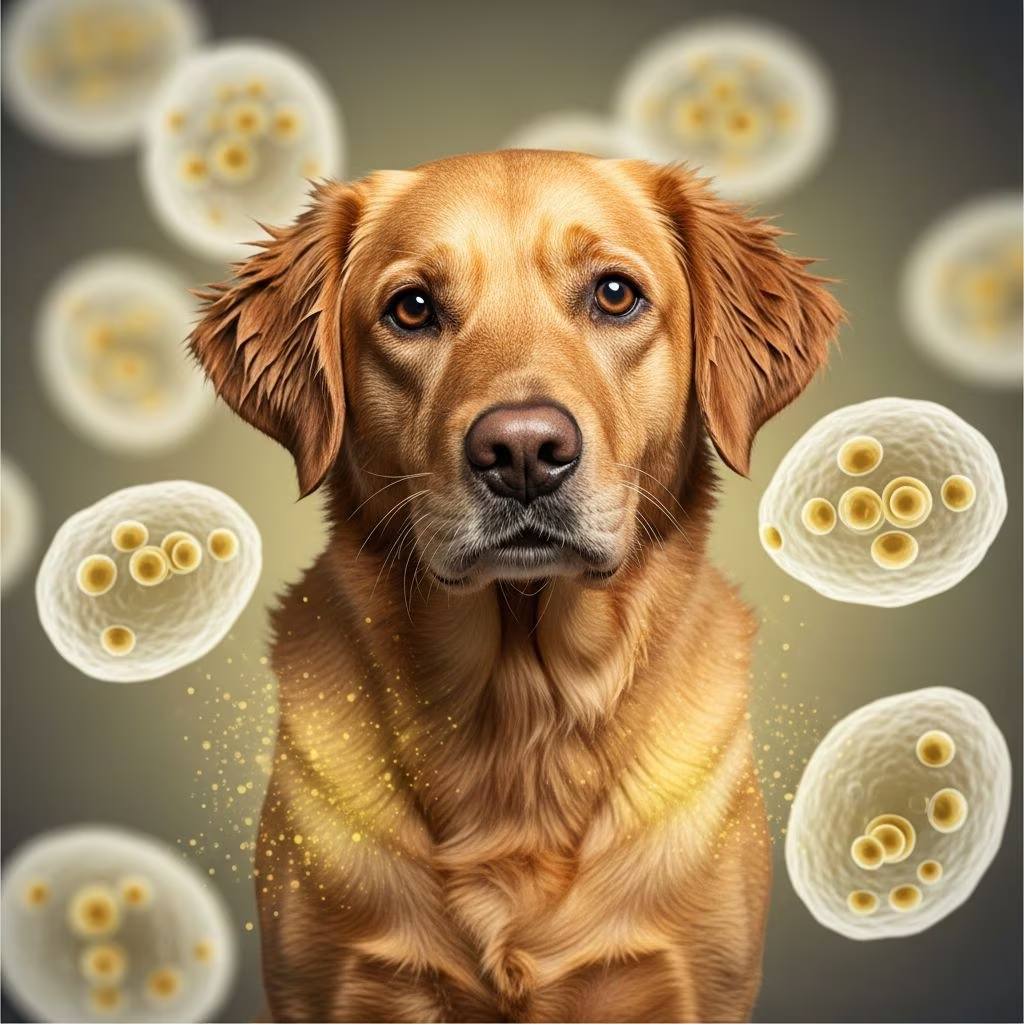
Systemic yeast infections in dogs occur when yeast organisms, typically Candida or Malassezia, proliferate beyond normal levels and spread throughout the body, affecting skin, ears, paws, digestive tract, and even internal organs. These opportunistic infections thrive when a dog’s immune system is compromised, leading to persistent health challenges that require prompt veterinary intervention.
Understanding Yeast Overgrowth in Canines
Yeast is a natural part of a dog’s microbiome, residing harmlessly on the skin and in the gut under healthy conditions. However, factors like antibiotic overuse, steroid treatments, poor diet, or underlying allergies can disrupt this balance, allowing yeast to multiply rapidly. In systemic cases, the infection escalates from localized areas—such as ears or paws—to widespread involvement, potentially impacting liver, kidneys, and gastrointestinal function.
Unlike superficial infections, systemic yeast issues demand a holistic approach, addressing both symptoms and root causes to prevent recurrence. Early detection is crucial, as untreated cases can lead to chronic inflammation, secondary bacterial infections, and long-term organ stress.
Key Indicators of Systemic Involvement
Recognizing systemic yeast infections involves observing a cluster of symptoms across multiple body systems rather than isolated issues. Dogs may exhibit persistent signs that worsen over time, signaling deeper imbalance.
- Chronic Skin Changes: Red, inflamed patches that thicken and darken (hyperpigmentation), often greasy or scaly, accompanied by hair loss in bald spots.
- Intense Itching and Discomfort: Relentless scratching, licking, or chewing, particularly on paws, ears, armpits, groin, and underbelly, leading to self-inflicted sores.
- Distinctive Odors: A pervasive musty smell, likened to corn chips or stale bread, emanating from affected areas like paws, ears, or the entire coat.
- Digestive Disturbances: Recurrent diarrhea, gas, bloating, or vomiting, indicating gut yeast overgrowth.
- Ear and Paw Specifics: Brown, waxy discharge from ears with head shaking; paws showing redness between toes, swelling, and sticky residue.
- Systemic Signs: Lethargy, weight loss, fever, or behavioral shifts like restlessness despite fatigue.
These symptoms often overlap with allergies or hormonal disorders, complicating self-diagnosis. Veterinary cytology—microscopic skin scrapings—confirms yeast proliferation by identifying fungal elements.
Primary Causes and Risk Factors
Several triggers pave the way for systemic yeast dominance. High-carbohydrate diets feed yeast growth, while moisture-trapping environments like humid climates or infrequent drying after baths exacerbate skin issues.
| Risk Factor | Description | Common Breeds Affected |
|---|---|---|
| Allergies (Food/Environmental) | Weakens skin barrier, promoting yeast adhesion | Cocker Spaniels, Bulldogs |
| Immune Suppression | From medications, age, or diseases like hypothyroidism | Golden Retrievers, Labradors |
| Antibiotic Overuse | Kills beneficial bacteria, allowing yeast bloom | All breeds |
| Obesity/Moist Skin Folds | Traps moisture in folds, fostering growth | Basset Hounds, Shar-Peis |
| Poor Nutrition | High-sugar foods imbalance gut flora | Any |
Breeds with floppy ears or oily skin are predisposed due to trapped moisture and sebum production, which nourishes yeast.
Diagnostic Approaches for Accurate Identification
Veterinarians employ a multi-step process to differentiate systemic yeast from similar conditions like bacterial dermatitis or mange.
- Physical Examination: Assessing skin texture, odor, and lesion distribution.
- Cytology and Cultures: Swabs reveal yeast under microscope; fungal cultures confirm type.
- Biopsy for Chronic Cases: Tissue samples rule out deeper involvement.
- Bloodwork and Allergy Testing: Checks for underlying immune or endocrine issues.
- Imaging: Ultrasound or X-rays if organ involvement suspected.
Pinpoint diagnosis guides tailored therapy, avoiding trial-and-error treatments.
Treatment Strategies: From Topical to Systemic
Effective management combines antifungal agents, supportive care, and cause correction. Treatment duration varies from weeks to months, requiring patience and compliance.
Topical Therapies
- Medicated shampoos with chlorhexidine, miconazole, or ketoconazole: Bathe every 2-3 days for 4-8 weeks, leaving on 10-15 minutes.
- Ear cleaners and drops: Weekly cleaning prevents recurrence.
- Wipes or mousses for paws: Daily application reduces local yeast.
Oral Antifungals for Severe Cases
For widespread or internal infections, systemic drugs like fluconazole, terbinafine, itraconazole, or ketoconazole are prescribed, often with liver monitoring via blood tests due to potential toxicity.
Adjunctive Measures
- Antibiotics if bacterial co-infection present.
- Steroids or anti-inflammatories for itch relief, short-term only.
- Probiotics to restore gut balance.
Dietary shifts to low-carb, high-protein formulas support recovery by starving yeast.
Preventive Measures for Long-Term Control
Prevention focuses on maintaining equilibrium and minimizing triggers.
- Regular Grooming: Dry ears and paws post-bath or swim; trim hair between toes.
- Diet Optimization: Avoid grains/sugars; consider hypoallergenic or novel protein foods.
- Allergy Management: Testing and immunotherapy for environmental sensitivities.
- Routine Vet Checks: Early intervention during wellness exams.
- Environmental Control: Reduce humidity; use breathable bedding.
Owners of prone breeds should monitor monthly for subtle changes.
Potential Complications and Prognosis
Untreated systemic infections can lead to sepsis, organ failure, or deafness from chronic ear involvement requiring surgery. With compliant treatment, most dogs achieve full resolution, though recurrent cases may need lifelong management. Prognosis improves with addressing predispositions like allergies.
FAQs on Canine Systemic Yeast Infections
What is the corn chip smell from my dog’s paws?
This musty odor signals Malassezia yeast overgrowth, common in moist interdigital spaces.
Can diet alone cure yeast infections?
Diet aids recovery by reducing carbs but must pair with vet-prescribed antifungals; standalone use risks progression.
How long do treatments last?
Topical: 4-12 weeks; oral: 1-6 months, with follow-ups.
Are home remedies safe?
Diluted vinegar wipes may soothe mildly but never replace professional care; improper use irritates skin.
Which dogs need blood tests during treatment?
Those on oral antifungals, to monitor liver function every 2-4 weeks.
Holistic Support and Owner Tips
Boost immunity with omega-3 supplements, while ensuring e-collars prevent licking during healing. Track symptoms in a journal for vet discussions. Collaborate closely with your veterinarian for personalized plans, as each case’s severity dictates intensity.
References
- Dog Paw Yeast Infection – Symptoms, Treatment, Prevention — Brinker Animal Hospital. 2023. https://brinkervet.com/blog/dog-paw-yeast-infection/
- Yeast Dermatitis in Dogs: Signs and Treatment — Germantown Animal Hospital. 2022-03-15. https://www.germantownah.com/site/blog-memphis-vet/2022/03/15/yeast-dog-dermatitis
- Dog Yeast Infections: Photos, Symptoms, Treatments + More — Lavengel. 2024. https://lavengel.com/pages/skin-issues-yeast
- Yeast Infection in Dogs: Common Causes, Symptoms & Treatment — Purina. 2023. https://www.purina.com/articles/dog/health/skin-fur-ears/yeast-infection-in-dogs
- Treating Yeast Infections in Dogs — Zoetis Petcare. 2024. https://www.zoetispetcare.com/blog/article/treating-yeast-infections-in-dogs
- Yeast Infection in Dog Ears, Skin, and Paws — PetMD. 2024. https://www.petmd.com/dog/conditions/skin/yeast-infections-dogs



