
Systemic Skin Drugs In Veterinary Care: Expert Guide 2025
Explore essential systemic medications for treating animal skin conditions, from immunosuppressants to antimicrobials, with insights on efficacy and safety.
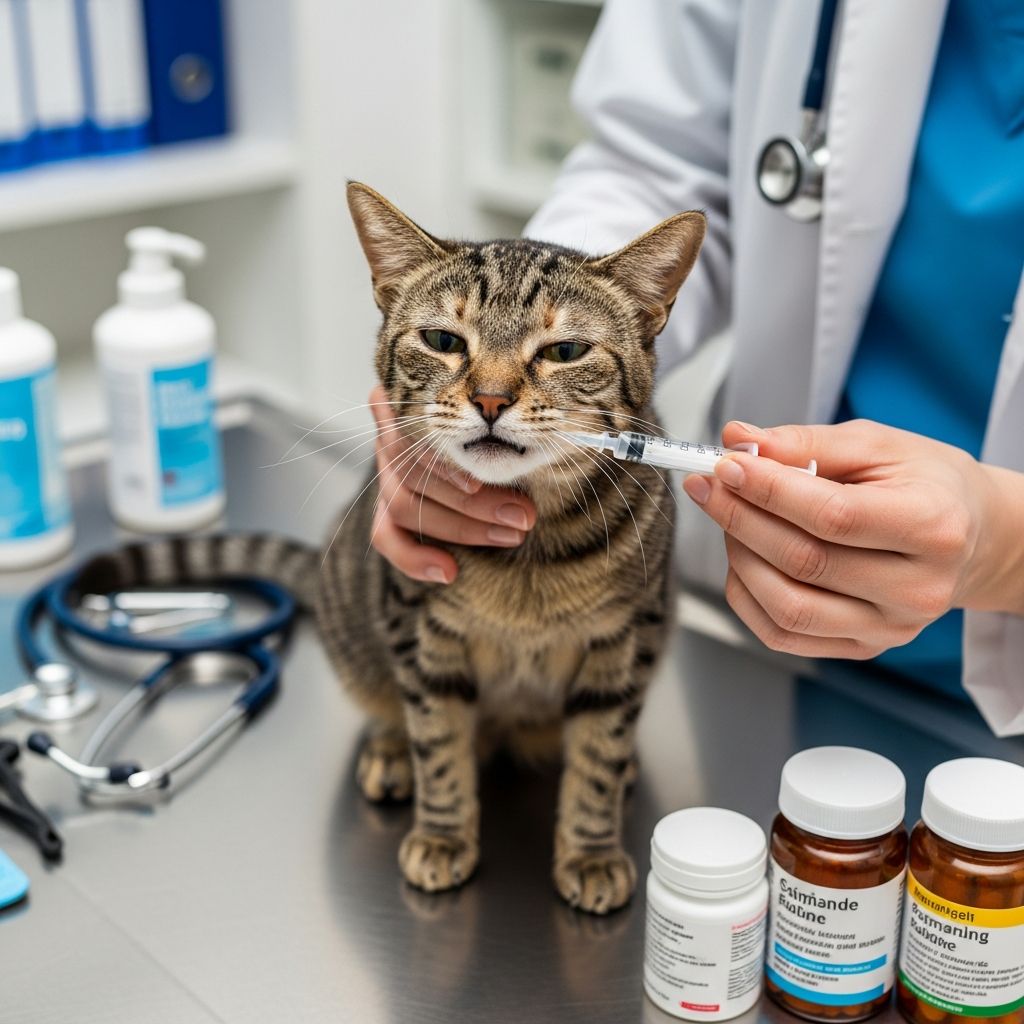
Systemic pharmacotherapeutics play a pivotal role in managing integumentary disorders in animals, targeting underlying causes like inflammation, autoimmunity, and infections that topical treatments alone cannot address. These medications, administered orally or via injection, influence widespread physiological processes to restore skin health and improve quality of life for affected pets.
Understanding Integumentary Challenges in Animals
The skin serves as the body’s primary barrier, but conditions such as atopic dermatitis, autoimmune diseases, and deep-seated infections often require interventions beyond surface-level applications. In veterinary medicine, systemic drugs address these by modulating immune responses, inhibiting microbial growth, or altering metabolic pathways. Common presentations include pruritus, erythema, ulceration, and alopecia, frequently seen in dogs and cats.
Autoimmune dermatopathies, for instance, involve the immune system attacking skin components, leading to chronic inflammation. Infections secondary to barrier disruption further complicate cases, necessitating broad-spectrum approaches. Effective therapy hinges on accurate diagnosis, often confirmed through biopsies or cultures, followed by tailored systemic regimens.
Core Classes of Systemic Medications
Several drug categories form the backbone of systemic skin therapy. Immunosuppressants suppress overactive immunity, antimicrobials combat pathogens, and anti-inflammatories reduce swelling and discomfort.
Glucocorticoids: Rapid Inflammation Controllers
Glucocorticoids like prednisone and dexamethasone are first-line for acute flares. They bind to intracellular receptors, inhibiting pro-inflammatory cytokines and reducing vascular permeability. In dogs with atopic dermatitis, initial high doses taper to maintenance levels to prevent relapse while minimizing side effects like polyuria, polydipsia, and iatrogenic Cushing’s syndrome.
Long-term use demands monitoring for hepatopathy and immunosuppression, which can predispose to infections. Cats tolerate these agents better but risk diabetes with prolonged administration.
Calcineurin Inhibitors: Targeted Immunomodulation
Cyclosporine, a calcineurin inhibitor, blocks T-cell activation by preventing interleukin-2 production. Widely used for canine atopic dermatitis, it offers steroid-sparing benefits with fewer metabolic effects. Oral dosing achieves peak plasma levels within hours, with food enhancing bioavailability.
Adverse effects include gastrointestinal upset and gingival hyperplasia in dogs. Strategic co-administration with CYP inhibitors like ketoconazole halves required doses, cutting costs without efficacy loss.
Alkylating Agents and Purine Analogs
Azathioprine and chlorambucil interfere with DNA synthesis in rapidly dividing cells, including lymphocytes. Azathioprine suits dogs with immune-mediated skin diseases, converting to active metabolites via thiopurine methyltransferase. Cats require lower doses due to deficient enzymes, risking myelosuppression.
These agents demand hematologic monitoring, with efficacy evident in 4-6 weeks. Combining with glucocorticoids enhances remission rates in pemphigus.
Mycophenolate and Novel Kinase Inhibitors
Mycophenolate mofetil inhibits inosine monophosphate dehydrogenase, selectively depleting lymphocytes. It shows promise in feline autoimmune conditions, with fewer gastrointestinal issues than alternatives. Janus kinase (JAK) inhibitors like oclacitinib target cytokine signaling in atopic dogs, providing rapid itch relief within days.
Bruton’s tyrosine kinase inhibitors emerge for refractory cases, blocking B-cell activation with favorable safety profiles.
Antimicrobials in Systemic Dermatology
Bacterial pyoderma, often staphylococcal, and fungal infections like dermatophytosis necessitate systemic antibiotics or antifungals when extensive.
- Cephalosporins and Fluoroquinolones: First-generation cephalosporins like cephalexin treat superficial pyodermas, achieving skin concentrations exceeding MICs for Staphylococcus pseudintermedius.
- Tetracyclines: Doxycycline combats wolffiae and atypical bacteria, with anti-inflammatory bonuses via matrix metalloproteinase inhibition.
- Antifungals: Itraconazole and fluconazole penetrate skin well for systemic mycoses, monitored via therapeutic drug levels.
Resistance patterns guide selection; culture-directed therapy optimizes outcomes and curtails spread.
Drug Interactions: Navigating Complex Regimens
Multimodal therapy amplifies interaction risks. Cytochrome P450 (CYP) enzymes metabolize many dermatologic drugs.
| Drug Pair | Interaction Type | Clinical Impact |
|---|---|---|
| Ketoconazole + Cyclosporine | CYP Inhibition | Increased cyclosporine levels; dose reduction needed |
| Rifampin + Steroids | CYP Induction | Reduced steroid efficacy; higher doses required |
| Cyclosporine + Ivermectin | P-gp Inhibition | Ivermectin toxicity risk in sensitive breeds |
P-glycoprotein (P-gp) efflux pumps regulate drug absorption and elimination. Inhibitors like cyclosporine elevate substrate levels, beneficial for cost-saving but hazardous with neurotoxins. Food effects vary; fatty meals boost cyclosporine uptake.
In vitro, compounding incompatibilities degrade efficacy—e.g., avoiding metal cations with certain antibiotics.
Therapeutic Strategies and Monitoring
Treatment ladders start conservatively: glucocorticoids for flares, transitioning to steroid-sparing agents. Pulse therapy minimizes cumulative exposure.
- Assess response biweekly initially, adjusting based on lesion scores.
- Monitor complete blood counts, biochemistry, and urinalysis quarterly.
- Client education on adherence and early adverse sign recognition is crucial.
For autoimmune cases, remission induction (high-dose short-term) precedes maintenance. Combination protocols yield superior control.
Species-Specific Considerations
Dogs dominate dermatology caseloads, with atopics responding well to oclacitinib. Cats pose challenges; glucocorticoids risk cardiomyopathy, favoring chlorambucil for pemphigus foliaceus. Horses and exotics require adjusted dosing for antifungals in granulomatous diseases.
Emerging Trends and Future Directions
Biologics targeting IL-31 (itch cytokine) revolutionize canine therapy, with monoclonal antibodies offering precise immunomodulation. Personalized medicine via pharmacogenomics predicts responses, mitigating toxicities.
Antimicrobial stewardship counters resistance, prioritizing narrow-spectrum agents.
Frequently Asked Questions (FAQs)
What are common side effects of systemic immunosuppressants in pets?
Gastrointestinal upset, increased infection risk, and metabolic changes like diabetes top the list. Regular vet check-ups mitigate these.
How long until systemic skin drugs show improvement?
Glucocorticoids act in days; cyclosporine and JAK inhibitors within 1-2 weeks; alkylators may take 4-8 weeks.
Can diet influence systemic dermatologic therapy?
Yes, high-fat foods enhance cyclosporine absorption; avoid dairy with tetracyclines due to cation chelation.
Is long-term systemic therapy safe for animals?
With monitoring, yes—but taper appropriately to avoid rebound and rotate agents for steroid minimization.
What role do systemic drugs play alongside topicals?
They tackle root causes while topicals manage symptoms and prevent secondary infections synergistically.
References
- Pharmacology of drugs used in autoimmune dermatopathies in cats and dogs — Veterinary Dermatology. 2024-05-04. https://pubmed.ncbi.nlm.nih.gov/38708551/
- Topical therapies in veterinary dermatology — DVM360. 2023. https://www.dvm360.com/view/topical-therapies-in-veterinary-dermatology
- FAQs About Drug Interactions in Veterinary Dermatology — Today’s Veterinary Practice. 2023. https://todaysveterinarypractice.com/dermatology/faqs-about-drug-interactions-in-veterinary-dermatology/
- Topical Dermatology Therapy — Veterian Key. 2022. https://veteriankey.com/topical-dermatology-therapy/
- Principles of Topical Treatment in Animals — Merck Veterinary Manual. 2024. https://www.merckvetmanual.com/integumentary-system/integumentary-system-introduction/principles-of-topical-treatment-in-animals
Similar Articles








Read full bio of Sneha Tete


