
Systemic Skin Disorders In Animals: Vet Guide
Exploring how internal diseases manifest on animal skin, from nutritional gaps to organ failures, with vital diagnostic and care strategies.
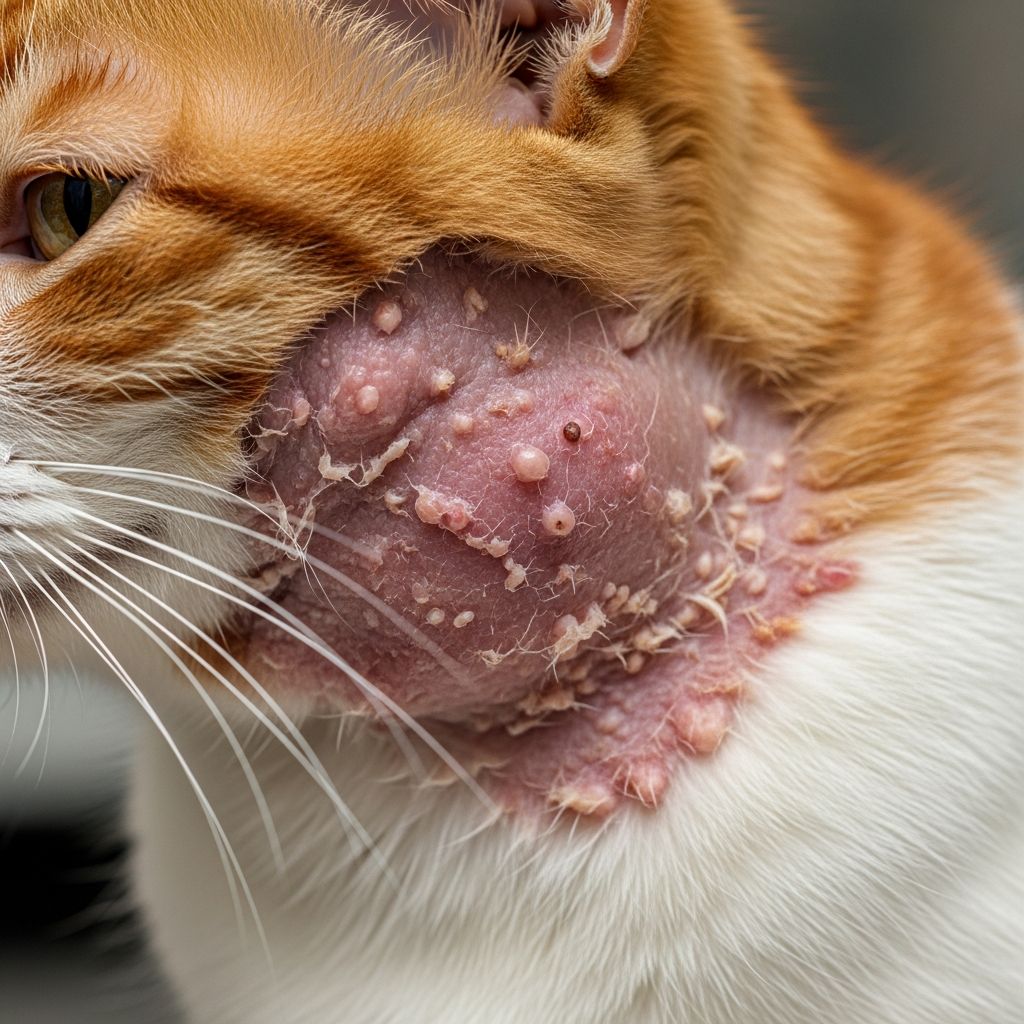
Animals often display skin abnormalities that signal deeper health problems beyond surface irritations. These
systemic dermatoses
arise when internal organs or nutritional imbalances affect the integumentary system, leading to symptoms like scaling, hair loss, redness, and ulcers. Understanding these connections helps veterinarians pinpoint underlying causes early, improving outcomes for dogs, cats, cattle, and other species.Nutritional Imbalances and Skin Health
Deficiencies in key minerals can trigger widespread skin changes.
Zinc-responsive dermatoses
, for instance, commonly strike dogs with genetic predispositions or diets high in antagonists like calcium, which block zinc absorption. Affected animals show crusty, scaly patches around the eyes, mouth, and pinnae, often with mild redness and hair thinning.Cattle, sheep, and even exotic species like llamas may experience similar issues from poor forage quality or high-calcium feeds. Diagnosis involves blood tests confirming low zinc levels, alongside skin biopsies revealing parakeratosis—abnormal keratin buildup. Treatment centers on zinc supplementation, sometimes via injections for rapid response, combined with dietary tweaks to restore balance.
- Key signs: Perioral/periocular scaling, lethargy.
- Breeds at risk: Siberian Huskies, Alaskan Malamutes.
- Management: 2-3 mg/kg zinc sulfate daily, monitored via serum levels.
Liver Dysfunction and Dermatological Signs
The liver’s role in metabolism means its failure often mirrors on the skin.
Superficial necrolytic dermatitis
(SND), also called hepatocutaneous syndrome, primarily impacts senior dogs, with occasional cat cases. Low amino acid levels from liver impairment cause thick, crusty plaques on footpads, muzzle, ears, and genitals. These erode into ulcers, accompanied by cracking pads that hinder mobility.Hyperglucagonemia exacerbates the issue in some dogs, though liver enzyme elevations are more typical. Biopsies show unique epidermal edema and hyperkeratosis, aiding definitive diagnosis. Supportive care includes amino acid infusions, fatty acid supplements, and liver protectants; glucagonoma excision helps rare tumor-linked cases. Prognosis varies, with many dogs surviving months to years under vigilant management.
| Feature | SND in Dogs | SND in Cats |
|---|---|---|
| Common Sites | Footpads, face, genitals | Rare; similar distribution |
| Primary Cause | Hepatic hypoaminoacidemia | Liver disease or glucagon excess |
| Treatment Response | Partial with nutrition | Guarded |
Pancreatic and Endocrine Influences on Skin
Pancreatic disorders contribute to
skin fragility syndromes
in cats, where minimal trauma tears the dermis with scant bleeding. Links exist to lipidosis, neoplasia, or steroid overuse, resulting in loose, easily sloughed skin. Hyperadrenocorticism (Cushing’s) in both species adds thin skin, poor healing, and calcinosis—calcium deposits in cutis.Cats with Cushing’s exhibit extreme friability, demanding glucocorticoid dose reductions or alternatives like selective agonists. Diagnosis relies on ACTH stimulation tests and imaging for adrenal/pituitary tumors. Bilateral adrenalectomy offers cure in select cases, though postoperative care is intensive.
Kidney-Related Cutaneous Changes
Renal pathologies manifest as
nodular dermatofibrosis
, especially in German Shepherds. Multiple firm skin nodules, often on limbs, coincide with kidney cysts or carcinomas. Fibrotic collagen bundles dominate histopathology, with ultrasound revealing bilateral renal involvement.Unlike isolated tumors, this syndrome signals genetic predisposition; affected dogs average middle age. No curative fix exists—nephrectomy fails as contralateral kidneys develop cysts. Palliative nodule excision and renal monitoring define care, with fair-to-poor long-term outlook.
Thymic and Neoplastic Skin Effects
Cats bearing thymomas develop
exfoliative dermatitis
, shedding massive scales with underlying erythema. Myasthenia gravis or paraneoplastic effects drive this, resolving post-thymectomy in thymoma cases. Idiopathic versions lack tumors but share histology of interface dermatitis.Bernese Mountain Dogs face
systemic histiocytosis
, a histiocyte proliferation eroding skin, mucosa, and viscera. Erosive nasal planum lesions and lameness prompt biopsy confirmation of dermal infiltrates. Immunosuppressants like cyclosporine provide control, though progression demands lifelong therapy.Toxic and Environmental Triggers
Toxins provoke varied eruptions: Thallium (rodenticides) causes alopecia and neuropathy; ergot leads to gangrene; mercury yields acrodynia-like scaling. Cattle fed chlorinated naphthalenes hyperkeratize hooves and skin.
Acute reactions include neutrophilic flares like
necrotizing fasciitis
from Streptococcus canis, dissolving subcutaneous tissues in Shar-Peis. Aggressive debridement plus antibiotics is critical, as antimicrobials alone fail.Staphylococcal toxic shock
mimics this with edema and malaise, responding to high-dose clindamycin.Neuropathic and Pruritic Systemic Links
Neurological disorders indirectly harm skin via self-trauma. Syringomyelia in Cavalier King Charles Spaniels prompts ‘phantom scratching,’ ulcerating shoulders. Cauda equina compression causes tail mutilation.
Pruritus from systemic ills—uremia, cholestasis—demands parasite/infection rule-outs first. Isoxazolines target mites; antifungals like itraconazole combat Malassezia.
Diagnostic Approaches
Holistic evaluation starts with history: diet, breed, progression. Physical exams classify lesions—primary (pustules) vs. secondary (crusts). Cytology rules out infection; biopsies provide gold-standard insights into epidermal changes.
- Bloodwork: Zinc, amino acids, liver/kidney panels.
- Imaging: Ultrasound for kidneys/thymus; MRI for neurology.
- Trials: Zinc or antipruritics for responsiveness.
Treatment Strategies and Prognoses
Addressing the root—nutritional correction, tumor removal, toxin elimination—yields best results. Symptomatics include emollients for scaling, antibiotics for pyoderma. Endocrine cases need tailored hormones.
| Condition | Treatment | Prognosis |
|---|---|---|
| Zinc-responsive | Zinc supplements | Excellent |
| SND | Amino acids, liver support | Guarded |
| Nodular dermatofibrosis | Monitoring | Poor |
| Systemic histiocytosis | Immunosuppressants | Fair with tx |
FAQs
What causes crusty skin around a dog’s eyes?
Often zinc deficiency or allergies; test serum zinc and trial supplementation.
Can liver disease cause footpad ulcers?
Yes, via superficial necrolytic dermatitis from amino acid shortages.
Is skin fragility curable in cats?
Manageable by treating pancreatic/hepatic issues; steroids worsen it.
How to diagnose renal skin nodules?
Biopsy for fibrosis, renal ultrasound for cysts.
Do toxic skin reactions resolve alone?
No; remove exposure and support detox.
References
- Miscellaneous Systemic Dermatoses in Animals — Merck Veterinary Manual. 2023. https://www.merckvetmanual.com/integumentary-system/miscellaneous-systemic-dermatoses/miscellaneous-systemic-dermatoses-in-animals
- Fatal skin diseases in dogs and cats: What veterinary professionals need to know — dvm360. 2023. https://www.dvm360.com/view/fatal-skin-diseases-dogs-and-cats-what-veterinary-professionals-need-know
- Dermatological Problems in Animals — MSD Veterinary Manual. 2023. https://www.msdvetmanual.com/integumentary-system/integumentary-system-introduction/dermatological-problems-in-animals
Similar Articles








Read full bio of Sneha Tete


