

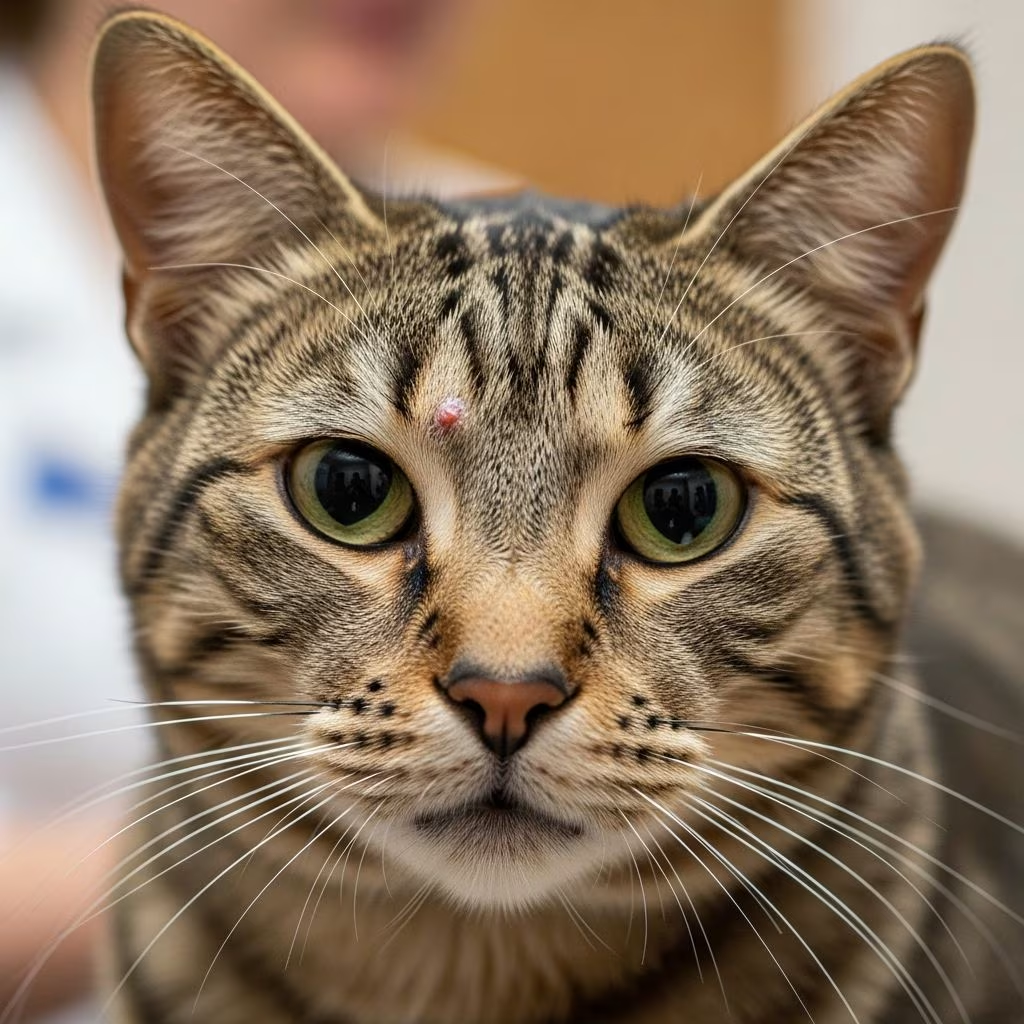
Skin conditions represent one of the most prevalent health concerns affecting cats, impacting their comfort, behavior, and overall quality of life. When skin problems develop as part of a whole-body disorder, they often signal underlying systemic issues that require targeted medical attention. Unlike localized skin irritation, systemic skin disorders emerge from internal factors—such as immune dysfunction, metabolic imbalances, or widespread infections—that manifest through visible changes on the skin surface. Understanding these conditions enables cat owners to recognize warning signs early and seek appropriate veterinary care.
Common Indicators of Systemic Skin Dysfunction
Cats experiencing systemic skin disorders typically display a range of visible and behavioral changes. The most recognizable sign is excessive itching and scratching, which may appear localized to specific body regions or distributed across multiple areas. Some cats develop an obsessive grooming pattern so intense that they create bald patches or open wounds, a condition known as overgrooming. This behavior may stem from discomfort, stress, or pain from an underlying medical condition.
Physical manifestations include:
- Redness and inflammation of the skin surface
- Hair loss occurring in patches or across broader regions
- Flaking, scaling, or dandruff-like appearance
- Crusty lesions, scabs, or open sores
- Small raised bumps or pustules on the skin
- Changes in skin pigmentation or discoloration
- Odor or visible discharge from affected areas
- Matted or unkempt fur despite normal grooming behavior
Beyond skin-specific symptoms, cats with systemic skin disorders often exhibit behavioral changes. They may become less active, show reduced appetite, or display decreased affection toward their owners. Some cats develop sensitivity around affected areas and resist handling or petting. Ear-related symptoms, such as itching, discharge, or inflammation, frequently accompany systemic conditions and warrant veterinary evaluation.
Parasitic Origins of Skin Disease
Parasites represent a leading cause of systemic skin disorders in cats, with flea infestations triggering the most dramatic immune responses. Flea allergy dermatitis develops when cats become hypersensitive to proteins in flea saliva, causing severe itching and skin damage even from a single flea bite. The affected areas typically concentrate around the tail base, flanks, and belly, though the reaction may spread depending on flea distribution and individual sensitivity.
The characteristic signs of flea-related dermatitis include intense scratching, visible hair loss, red bumps, and the presence of “flea dirt”—tiny black specks that represent flea feces. Cats may develop secondary bacterial infections at scratch sites, complicating the condition and extending recovery time.
Beyond fleas, other parasitic culprits include ear mites, which cause intense itching and inflammation specifically within and around the ear canal, potentially leading to secondary infections if left untreated. Mites and lice can produce scaly patches and crusted lesions distributed across the body. The microscopic nature of these parasites makes professional diagnosis essential, as visible symptoms alone cannot confirm their presence.
Allergic and Environmental Sensitivities
Allergic dermatitis encompasses two primary categories: food-related and environmental allergies. Environmental allergens include pollen, household dust, mold, and chemical irritants from cleaning products or grooming supplies. These trigger immune system responses that manifest as itching, skin inflammation, and secondary complications. The distribution pattern of allergic dermatitis varies widely—some cats develop symptoms on the ears and face, while others experience full-body reactions.
Food allergies develop when a cat’s immune system reacts adversely to specific protein sources or other ingredients in their diet. Common trigger ingredients include certain meats, grains, and artificial additives. Unlike food intolerances that cause digestive upset, food allergies create inflammatory skin responses that may persist as long as the offending food remains in the diet.
Cats with allergic dermatitis exhibit crusty or irritated skin primarily on the ears, rear quarters, belly, and groin area. The itching may become so severe that cats overgroom, creating additional trauma and opening pathways for bacterial infection. Unlike acute allergic reactions that resolve when allergens are removed, chronic allergic conditions require ongoing management and may include long-term medication even with allergen avoidance.
Bacterial and Fungal Infections
Superficial pyoderma describes bacterial skin infections that frequently develop as secondary consequences of other skin disorders. When cats scratch persistently due to allergies, parasites, or other irritants, they create breaks in the skin barrier that allow bacteria to proliferate. These infections produce red, moist lesions, small pustules, and crusty spots with surrounding hair loss. Moisture accumulation in skin folds or areas with dense fur creates ideal breeding grounds for bacterial overgrowth.
Yeast infections similarly develop opportunistically when the skin’s natural defense mechanisms become compromised. These fungal infections cause itching, discoloration, and a characteristic musty odor. Some cats develop yeast infections primarily in the ear canal, creating thick, dark discharge and severe discomfort.
Ringworm, despite its misleading name, represents a fungal infection rather than a parasitic infestation. The causative fungi create distinctive circular patches of hair loss with scaling and sometimes redness. Because ringworm is zoonotic—transmissible to humans and other household pets—prompt diagnosis and treatment are critical for preventing household spread. Treatment requires environmental decontamination in addition to topical and systemic antifungal therapy, as fungal spores can persist on surfaces, bedding, and grooming tools.
Autoimmune and Inflammatory Conditions
Pemphigus foliaceus represents a rare autoimmune disorder where the immune system mistakenly attacks the skin’s outer layer. This condition produces crusting, scaling, and ulceration primarily affecting the face, ears, and paws. The thick yellow crusts and hair loss characteristic of pemphigus foliaceus can superficially resemble other conditions, making professional diagnosis essential. Without treatment, pemphigus foliaceus progresses to become increasingly painful and widespread, eventually affecting the cat’s ability to eat, groom, and function normally.
Miliary dermatitis represents another inflammatory condition producing small, crusty bumps typically appearing along the back and neck. This condition often develops as a reaction to fleas, allergies, or other skin irritants, and may persist even after the initial triggering factor is removed. The inflammatory cascade continues until underlying causes are fully addressed and the skin barrier is restored.
Diagnostic Approaches and Professional Evaluation
Accurate diagnosis forms the foundation for effective treatment, as many skin conditions produce overlapping symptoms. Veterinarians employ multiple diagnostic strategies depending on the suspected cause. Skin scrapings and tape impressions help identify mites and fungal infections. Fungal cultures may be necessary to confirm ringworm and guide treatment duration. Bacterial cultures of discharge or lesion material can identify specific organisms and appropriate antibiotic selection.
Allergy testing through intradermal skin testing or serological methods can identify specific environmental allergens in cats suspected of atopic dermatitis. Elimination diet trials represent the diagnostic and therapeutic approach for suspected food allergies, requiring strict adherence to novel protein sources for 8-12 weeks while monitoring symptom resolution.
Dermatopathology—histological examination of skin tissue samples—may be required for autoimmune conditions or when other diagnostic methods yield unclear results. This procedure provides definitive identification of conditions like pemphigus foliaceus that require specific immunosuppressive treatment approaches.
Comprehensive Treatment Strategies
Effective treatment addresses both the underlying cause and symptomatic relief. When symptoms are treated without addressing root causes, recurrence is virtually inevitable. Treatment protocols typically involve multiple components working synergistically.
Parasite elimination and prevention form the cornerstone of treatment when parasites are involved. Prescription flea preventatives eliminate existing infestations and provide ongoing protection. For cats with flea allergy dermatitis, year-round prevention becomes essential to prevent future reactions. Ear mite treatment requires thorough cleaning of affected ears followed by medicated solutions applied according to veterinary instructions.
Antimicrobial therapy addresses bacterial and fungal infections. Antibiotics treat pyoderma infections and may be combined with antiseptic shampoos or medicated wipes. Antifungal medications—either topical creams or systemic medications—are necessary for ringworm treatment, with systemic therapy often required to penetrate infected hair follicles and prevent recurrence. Environmental decontamination must accompany antifungal treatment to remove spores from bedding, grooming tools, and household surfaces.
Anti-inflammatory and antipruritic medications provide crucial symptomatic relief, particularly during acute flare-ups. Corticosteroids such as prednisolone reduce inflammation and itching through multiple mechanisms, available as injections, oral tablets, or topical formulations. Newer medications targeting specific inflammatory pathways offer alternatives for cats requiring long-term itch control with fewer systemic side effects. Antihistamines such as Benadryl or Zyrtec work best as preventive agents rather than treatments for active symptoms, but remain valuable components of management strategies.
Nutritional support facilitates skin healing and reduces inflammation. Omega-3 fatty acid supplementation strengthens the skin barrier, reduces inflammatory responses, and improves overall coat quality. Prescription hypoallergenic diets become necessary for cats with confirmed food allergies, using limited novel protein sources that the cat’s immune system has never encountered.
Environmental management prevents re-exposure to identified allergens and irritants. This may include switching from plastic food and water bowls to stainless steel or ceramic options for cats with feline acne, installing humidifiers to prevent dry skin, using fragrance-free cleaning products, and implementing regular home cleaning to reduce dust and mold spores. For cats with environmental allergies, reducing outdoor exposure during high pollen seasons may provide relief.
Immunomodulating therapy becomes necessary for autoimmune conditions like pemphigus foliaceus. These medications suppress the misdirected immune response that attacks healthy skin tissue, allowing healing to occur. Treatment requires careful monitoring for systemic side effects and typically continues long-term to prevent disease recurrence.
Long-Term Management and Prevention
Many systemic skin disorders require ongoing management rather than permanent cure. Chronic allergic dermatitis may need continuous anti-inflammatory medication or seasonal adjustments in treatment intensity. Cats with food allergies must remain on appropriate diets indefinitely, requiring careful household management to prevent accidental allergen exposure.
Regular veterinary monitoring allows early detection of flare-ups or complications. Preventive parasite control becomes a permanent household practice, particularly in multi-cat homes where transmission between animals can occur. Maintaining skin health through appropriate nutrition, environmental control, and prompt treatment of any emerging symptoms extends quality of life and minimizes suffering.
References
- Cat Skin Problems: Common Issues and Treatment — Bond Vet. 2024. https://bondvet.com/blog/cat-skin-problems
- Skin Conditions in Cats: Types, Symptoms & Treatment — UrgentVet. 2024. https://urgentvet.com/skin-conditions-in-cats-types-symptoms-treatment/
- Skin Conditions in Cats: Types, Symptoms, and Treatment — PetMD. 2024. https://www.petmd.com/cat/general-health/skin-conditions-in-cats
- Common Skin Conditions for Cats — Paducah Veterinary Clinic. 2024. https://www.paducahvet.com/blog/1266761-common-skin-conditions-for-cats



