

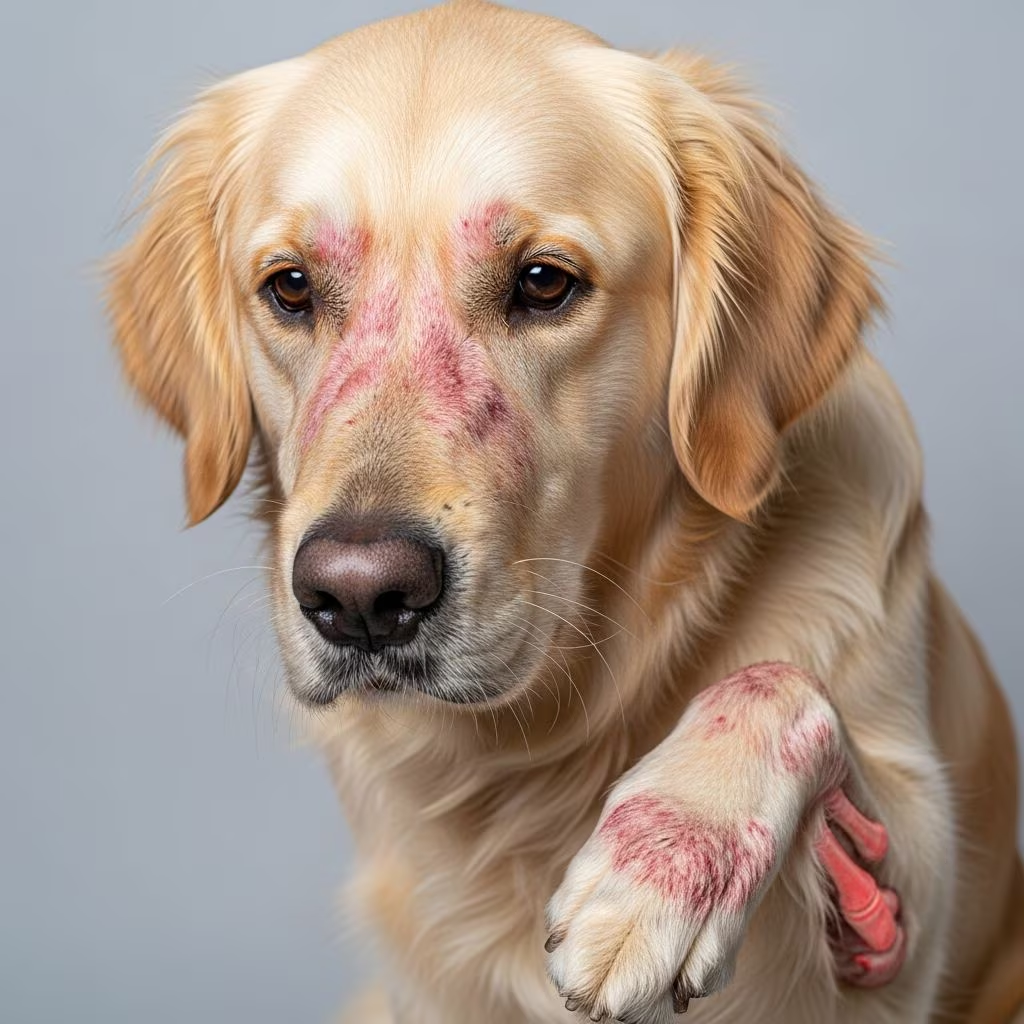
Understanding Systemic Lupus Erythematosus (SLE) in Dogs
Systemic Lupus Erythematosus, commonly known as SLE or lupus, is an autoimmune disease that can affect multiple organ systems in dogs. This complex condition occurs when a dog’s immune system malfunctions and begins attacking the body’s own cells and tissues. Unlike some other autoimmune conditions that affect only specific areas, SLE can impact various parts of the body, making it a particularly challenging diagnosis for both veterinarians and pet owners. Understanding this condition is crucial for early detection and effective management of affected dogs.
What is Systemic Lupus Erythematosus?
SLE is a multisystem autoimmune disorder where the immune system produces abnormal antibodies that attack the dog’s own tissues. This misdirected immune response can affect the skin, joints, kidneys, heart, nervous system, and blood cells. The disease varies significantly from dog to dog in terms of severity and which organ systems become involved. Some dogs may experience mild symptoms affecting only one system, while others may develop severe manifestations affecting multiple organs. The exact cause of SLE remains unclear, though genetic predisposition and environmental factors likely play a role in its development.
Clinical Signs and Symptoms of SLE
Dogs with SLE can present with a wide variety of clinical signs, and the specific symptoms depend on which body systems are affected. Recognizing these signs early is essential for prompt veterinary attention and treatment initiation.
Common Manifestations Include:
– Lethargy and general weakness- Decreased appetite or anorexia- Lameness that appears to move from limb to limb, causing shifting-leg lameness- Fever- Skin signs including redness, thinning, localized ulceration, loss of pigment, and hair loss- Ulcers at mucocutaneous junctions (areas where skin meets mucous membranes, such as the lips and eyelids)- Enlarged lymph nodes- Enlarged spleen (splenomegaly)- Enlarged liver (hepatomegaly)- Muscle pain and tenderness- Muscle wasting or atrophy- Nervous system issues including seizures or behavioral changes
The presentation of these symptoms can be sudden or gradual, and they may come and go in severity. This fluctuating pattern is characteristic of SLE and can make diagnosis challenging.
Diagnosis of Systemic Lupus Erythematosus
Diagnosing SLE requires a comprehensive approach, as no single test can definitively confirm the disease. Veterinarians use multiple diagnostic tools to establish a diagnosis and determine which organ systems are affected.
Diagnostic Methods Include:
– Physical examination to identify clinical signs and abnormalities- Blood work to detect antinuclear antibodies (ANA) and other abnormal antibodies- Urinalysis to assess kidney function and detect protein in the urine- Diagnostic imaging such as X-rays or ultrasound to evaluate organ involvement- Skin biopsy to confirm cutaneous (skin-related) manifestations- Additional specialized blood tests to evaluate immune function
The combination of clinical signs, positive antibody tests, and evidence of organ involvement helps veterinarians confirm an SLE diagnosis. This multifaceted approach ensures accuracy and helps rule out other conditions that may present similarly.
How is SLE Treated?
While there is no cure for Systemic Lupus Erythematosus, various treatment options can effectively manage symptoms and improve quality of life for affected dogs. Treatment is individualized based on which body systems are involved and the severity of the disease.
General Treatment Approach
Most dogs with SLE are treated as outpatients, though hospitalization may be required if the immune system is attacking red blood cells, causing severe anemia. The primary goals of treatment are to reduce inflammation, suppress the inappropriate immune response, manage pain, and prevent further organ damage.
Medications Used in SLE Management
Corticosteroids: These medications, particularly prednisone and prednisolone, are the most commonly prescribed and effective treatment for SLE. They work by suppressing the immune system and reducing inflammation. Prednisolone at a dosage of 2 mg/kg/day is frequently recommended as an effective initial treatment. However, corticosteroids can have significant side effects with long-term use, including increased susceptibility to infections, bone marrow suppression, weight gain, and endocrine disorders. Therefore, veterinarians monitor dogs closely during corticosteroid therapy.
Immunosuppressive Medications: When corticosteroids alone are insufficient or side effects become problematic, additional immunosuppressive agents may be added. These include azathioprine, cyclosporine, mycophenolate mofetil, and leflunomide. Azathioprine is most commonly used as an adjunctive therapy at 2 mg/kg/day. These medications allow for lower doses of corticosteroids while still effectively controlling disease symptoms. Cyclosporine may be used at 5-10 mg/kg/day, though its onset of action takes 2-4 weeks.
Anti-inflammatory Medications: Non-steroidal anti-inflammatory drugs (NSAIDs) prescribed by your veterinarian help reduce inflammation and joint pain. It is important to note that over-the-counter medications meant for humans should never be used without veterinary guidance.
Supportive Medications: Depending on symptoms, veterinarians may prescribe medications to manage nausea, vomiting, anorexia, and pain. If a dog has developed anemia from the immune system attacking red blood cells, blood transfusions may be necessary. Dogs with kidney involvement may require hospitalization to receive intravenous fluids and supportive care.
Organ-Specific Treatment Considerations
Joint Involvement: If the joints are inflamed, rest and restricted activity are critical components of treatment. Limiting exercise helps reduce pain and allows the joints to heal.
Kidney Disease: If the kidneys are affected and compromised, a modified, high-quality prescription diet will likely be recommended to support kidney function and reduce protein loss.
Skin Manifestations: If the skin is sensitized to ultraviolet (UV) radiation, protection from the sun helps prevent progression of skin lesions. Dogs should have limited sun exposure, and pet-safe sunscreen can be applied to vulnerable areas. Topical therapies such as ointments, shampoos, or conditioners with antibacterial, antifungal, and steroidal properties may also be prescribed to manage skin symptoms. Topical tacrolimus ointment (0.1%) can be particularly effective for certain skin lesions.
Long-Term Management and Prognosis
Dogs with SLE typically require lifelong treatment and management. While symptoms often improve or even disappear with appropriate therapy, relapses can occur. The prognosis is variable and depends on the severity of organ involvement and the dog’s response to treatment. Some dogs may experience complete remission with proper management, while others may face more guarded outcomes.
Regular monitoring is essential for dogs with SLE. Frequent veterinary checkups are required at first to monitor the effectiveness of treatment and screen for medication side effects. Once the disease is stabilized, the frequency of visits may decrease, but ongoing monitoring through regular blood tests and urinalysis remains important.
Potential Side Effects and Monitoring
Long-term immunosuppressive therapy can produce adverse side effects that require careful monitoring. Common side effects include increased risk of infection, bone marrow suppression, weight gain, lethargy, and gastrointestinal upset. Veterinarians will establish a monitoring protocol that typically includes regular blood work and urinalysis to detect any complications early. If side effects become problematic, medication adjustments or alternative therapies may be recommended.
Lifestyle Management for Dogs with SLE
Beyond medication, certain lifestyle modifications can help manage SLE and improve quality of life:
Activity Modification
Dogs with joint inflammation should have restricted activity and gentle exercise. Avoid high-impact activities and excessive jumping or running, which can exacerbate joint pain. Regular, low-impact walks are generally beneficial for maintaining muscle tone without stressing affected joints.
Sun Protection
Dogs with skin involvement should have limited sun exposure. Keeping your dog indoors during peak sun hours (typically 10 AM to 4 PM) can help prevent skin lesion progression. Pet-safe sunscreen should be applied to exposed areas if sun exposure cannot be completely avoided.
Dietary Considerations
A high-quality prescription diet may be recommended, particularly if the kidneys are involved. Consult with your veterinarian about the best dietary options for your specific dog’s condition and organ involvement.
Breeding Considerations
Dogs with either SLE or the milder form, Discoid Lupus Erythematosus (DLE), should not be bred. The condition may have a genetic component, and breeding could pass the predisposition to offspring, perpetuating the disease in the population.
Understanding Different Forms of Lupus
While SLE affects multiple body systems, there is also a milder form called Discoid Lupus Erythematosus (DLE) that primarily affects the skin. DLE is much easier to treat than SLE, though it is still not curable. The goal of treatment for DLE is to heal and control the skin lesions caused by the disease. Many dogs with DLE can eventually require lower doses of medication or may even discontinue treatment once skin lesions have healed, making the long-term prognosis generally more favorable than for SLE.
Frequently Asked Questions About SLE in Dogs
Q: Is there a cure for SLE in dogs?
A: No, there is currently no cure for Systemic Lupus Erythematosus in dogs. However, the condition can be effectively managed with appropriate medication and lifestyle modifications to control symptoms and improve quality of life.
Q: How long do dogs with SLE live?
A: The prognosis varies depending on which organs are affected and how the dog responds to treatment. With appropriate management, many dogs can live comfortable lives for several years. However, severe organ involvement, particularly kidney disease, can significantly impact survival time.
Q: Can SLE go into remission?
A: Yes, symptoms can improve or even disappear with proper treatment. However, relapses are common, and dogs typically require ongoing management to prevent disease progression.
Q: What are the side effects of long-term corticosteroid use?
A: Long-term corticosteroid use can lead to increased infection risk, bone marrow suppression, weight gain, increased thirst and urination, lethargy, and gastrointestinal upset. Regular monitoring helps detect and manage these side effects.
Q: Will my dog need lifelong treatment?
A: Most dogs with SLE require lifelong treatment and management. However, the required dosages or frequency may change over time as the disease is controlled.
Q: Can my dog with SLE go outside?
A: Yes, dogs with SLE can go outside, but sun exposure should be limited, particularly if they have skin involvement. Consider using pet-safe sunscreen and limiting outdoor time during peak sun hours.
Q: What should I do if I suspect my dog has SLE?
A: Contact your veterinarian immediately if you notice any signs such as persistent lethargy, decreased appetite, shifting lameness, or skin problems. Early diagnosis and treatment initiation can significantly improve outcomes.
References
- Systemic Lupus Erythematosus (SLE) in Dogs — VCA Animal Hospitals. Retrieved from https://vcahospitals.com/know-your-pet/systemic-lupus-erythematosis-sle-in-dogs
- Systemic Lupus Erythematosus (SLE) in Dogs — PetMD. Retrieved from https://www.petmd.com/dog/conditions/endocrine/c_dg_lupus_erythematosus
- Systemic Autoimmune Disease (Lupus Erythematosus) in Dogs — Vetster. Retrieved from https://vetster.com/en/conditions/dog/lupus-erythematosus
- Lupus in Dogs, Causes and Treatments — WebMD. Retrieved from https://www.webmd.com/pets/dogs/what-to-know-about-lupus-in-dogs
- Systemic Lupus Erythematosus — Fenton River Veterinary Hospital. Retrieved from https://www.fentonrivervet.com/wp-content/uploads/SLE.pdf
- Canine Cutaneous Lupus Erythematosus — LABOKLIN. Retrieved from https://laboklin.com/en/canine-cutaneous-lupus-erythematosus/
- Diagnosing and Treating Dog Lupus — PetCareRx. Retrieved from https://www.petcarerx.com/article/diagnosing-and-treating-dog-lupus/1711
- Lupus in Dogs — PetMD. Retrieved from https://www.petmd.com/dog/conditions/immune/lupus-dogs



