
Systemic Hypertension in Dogs: Causes, Symptoms & Treatment
Understanding high blood pressure in dogs: causes, diagnosis, treatment options, and management strategies.
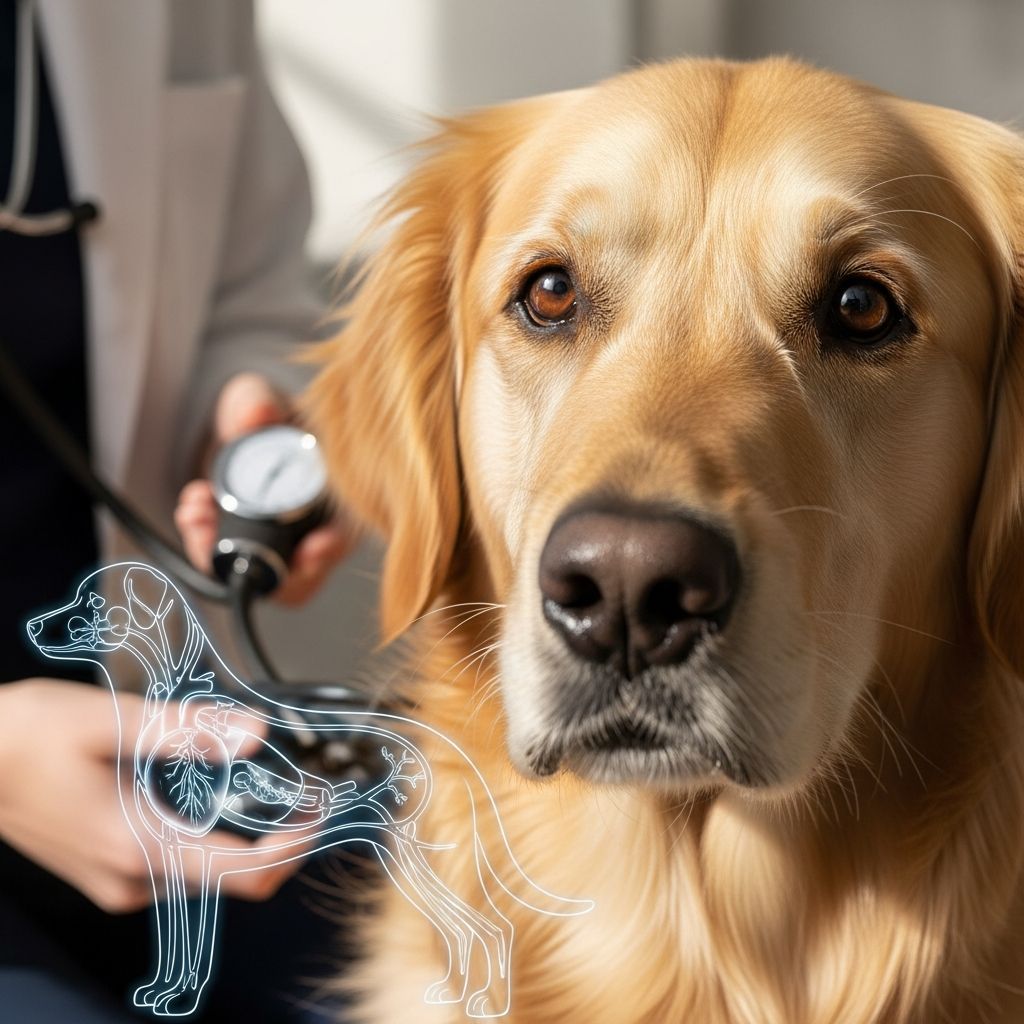
Understanding Systemic Hypertension in Dogs
Systemic hypertension, commonly referred to as high blood pressure, is a medical condition that occurs when the force of blood pushing against arterial walls becomes elevated over time. In dogs, this condition can develop gradually and may go unnoticed for extended periods if not properly screened. Systemic hypertension is characterized by abnormally elevated blood pressure readings and can lead to serious complications affecting multiple organ systems if left untreated. Understanding the nature of this condition is essential for dog owners and veterinarians to ensure appropriate management and prevent devastating health outcomes.
What Causes Hypertension in Dogs?
Systemic hypertension in dogs can be classified as either primary (idiopathic) or secondary to an underlying disease. Primary hypertension, where no specific underlying cause can be identified, accounts for a smaller percentage of cases. However, secondary hypertension, which develops as a consequence of another medical condition, is more commonly observed in canine patients.
The most common underlying conditions associated with hypertension in dogs include:
– Chronic kidney disease and renal failure- Hyperthyroidism and thyroid disorders- Diabetes mellitus- Cushing’s syndrome (hyperadrenocorticism)- Obesity and metabolic disorders- Heart disease and cardiac conditions- Pheochromocytoma (adrenal gland tumor)
In cases where an underlying condition is identified, treating that primary disease becomes the first step in managing blood pressure. Additionally, certain medications used to treat other conditions may contribute to elevated blood pressure as a side effect, making comprehensive medical history review crucial during diagnosis.
Clinical Signs and Symptoms
Many dogs with hypertension do not display obvious clinical signs, particularly in the early stages of the disease. This silent nature makes routine blood pressure screening especially important, particularly in senior dogs and those with predisposing conditions. When clinical signs do appear, they often relate to target-organ damage caused by prolonged elevated blood pressure.
Observable symptoms may include:
– Vision problems or sudden blindness- Letharness and decreased activity levels- Behavioral changes or confusion- Nosebleeds or other unexplained bleeding- Neurological signs such as disorientation- Collapse or fainting episodes in severe cases
Importantly, the absence of clinical signs does not mean hypertension is not present or causing internal damage. Regular blood pressure monitoring is necessary to detect elevated readings before complications develop.
Diagnosis and Blood Pressure Measurement
Accurate diagnosis of systemic hypertension requires proper blood pressure measurement techniques. Veterinarians typically use oscillometric or Doppler ultrasound methods to obtain reliable readings. Since blood pressure can fluctuate due to stress and anxiety (known as white-coat effect), multiple measurements taken on different occasions are often necessary to confirm a diagnosis of true hypertension.
The diagnostic process typically involves:
– Initial blood pressure measurement during a routine veterinary visit- Repeat measurements on subsequent visits to confirm elevated readings- Assessment for target-organ damage through physical examination and diagnostic tests- Laboratory work including bloodwork and urinalysis- Imaging studies such as chest radiographs or ultrasound when indicated
Blood pressure categorization in dogs follows specific guidelines, with systolic pressures of 160 mmHg or higher generally considered elevated and requiring monitoring or intervention, particularly when target-organ damage is present.
Complications of Untreated Hypertension
Chronic hypertension can cause significant damage to multiple organ systems in dogs. The continued elevated pressure on blood vessel walls leads to progressive organ deterioration, which may result in life-threatening conditions. Understanding potential complications motivates timely diagnosis and treatment implementation.
Major complications associated with systemic hypertension include:
– Retinal degeneration and sudden blindness- Retinal hemorrhage and retinal detachment- Bleeding into the eye (hyphema)- Stroke and cerebrovascular accidents- Congestive heart failure- Acute kidney failure or progression of chronic kidney disease- Hypertensive crisis with severe neurological complications
Vision loss due to hypertension-related ocular damage is one of the most common and noticeable complications in dogs. Retinal changes can progress rapidly, sometimes causing sudden blindness if blood pressure remains uncontrolled. Early detection and management significantly reduce the risk of these serious complications.
Treatment Approach and Medication Management
The treatment strategy for canine hypertension involves a multi-faceted approach that addresses both the underlying cause and the elevated blood pressure itself. When an identifiable underlying condition exists, managing that primary disease becomes an integral part of blood pressure control.
Medications commonly used to manage hypertension in dogs include:
– Angiotensin-converting enzyme (ACE) inhibitors such as enalapril and benazepril- Angiotensin II receptor antagonists (ARBs)- Beta blockers- Calcium-channel blockers like amlodipine- Diuretics including furosemide
ACE inhibitors are typically the first-line medication choice for dogs with hypertension, particularly when proteinuria (protein in urine) is present. These medications work by relaxing blood vessels and reducing the workload on the heart. In mild to moderate cases with systolic pressures between 160-180 mmHg, ACE inhibitors alone may achieve adequate blood pressure control.
For dogs with more severe hypertension (systolic pressure exceeding 180 mmHg) or those not responding adequately to initial therapy, dual therapy combining ACE inhibitors with calcium-channel blockers such as amlodipine is often necessary. Amlodipine acts as a potent arteriolar dilator and is particularly effective in dogs refractory to ACE inhibitors alone. Additional medications may be prescribed based on individual response and concurrent medical conditions.
The treatment goal is to achieve a systolic pressure of 160 mmHg or less, with an ideal target range between 110-150 mmHg. Gradual reduction in blood pressure over several weeks is preferred to minimize the risk of acute complications, though emergency situations with severe target-organ damage may require more rapid pressure reduction.
Nutritional Management
Therapeutic nutrition is recognized as an important component of long-term hypertension management in dogs. Dietary modifications can support medication therapy and contribute to overall blood pressure control. Reducing sodium intake is particularly beneficial, as excessive salt consumption can exacerbate hypertension.
Nutritional strategies include:
– Restricted sodium diet specifically formulated for cardiac or renal health- Weight management to reduce obesity-related hypertension- Adequate omega-3 fatty acid intake for cardiovascular support- Appropriate protein levels for dogs with concurrent kidney disease- Prescription diets designed for animals with hypertension or related conditions
Veterinarians can recommend specific therapeutic diets tailored to each dog’s individual needs, taking into account concurrent medical conditions and nutritional requirements. Maintaining ideal body weight is particularly important, as obesity significantly contributes to elevated blood pressure.
Monitoring and Follow-Up Care
Successful long-term management of canine hypertension requires consistent monitoring and periodic adjustments to treatment protocols. Regular blood pressure measurements ensure that medications are effectively controlling pressure and that therapeutic goals are being achieved.
Comprehensive monitoring includes:
– Blood pressure measurements at regular intervals (typically every 2-4 weeks after starting treatment, then periodically)- Periodic laboratory testing to assess kidney function and detect medication side effects- Urinalysis to monitor for proteinuria and other urinary abnormalities- Ophthalmologic examination to screen for retinal damage- Physical examination and assessment of clinical signs
Once blood pressure is stabilized on an effective medication regimen, measurements may be taken less frequently, though regular monitoring remains important throughout the dog’s life. Any changes in clinical signs or medication response should prompt reassessment and potential adjustment of the treatment plan.
Emergency Situations and Hypertensive Crisis
Hypertensive emergencies occur when severely elevated blood pressure causes acute target-organ damage, particularly affecting the eyes or nervous system. These situations require immediate veterinary intervention and hospitalization for intensive management.
Signs of hypertensive emergency include:
– Acute vision loss or blindness- Severe neurological signs including disorientation or seizures- Collapse or loss of consciousness- Acute bleeding into the eye- Stroke-like symptoms
Emergency treatment may require hospitalization and more aggressive blood pressure reduction using injectable medications or combination therapy. Direct vasodilators such as hydralazine or nitroprusside may be employed in acute situations to rapidly reduce blood pressure and prevent further organ damage. The goal is to reduce blood pressure within hours to slow rapidly progressing complications while carefully managing the rate of pressure reduction to avoid complications from excessive lowering.
Long-Term Prognosis and Quality of Life
With appropriate diagnosis and treatment, many dogs with systemic hypertension can live good quality lives with effectively controlled blood pressure. The prognosis depends largely on the underlying cause, the severity of target-organ damage at diagnosis, and the owner’s commitment to consistent medication administration and veterinary monitoring.
Dogs whose underlying conditions are successfully managed often require lower doses of antihypertensive medications or may eventually achieve adequate blood pressure control with dietary management alone. However, lifelong monitoring remains necessary, as blood pressure can fluctuate over time.
Preventing complications through early detection and treatment is crucial for maintaining quality of life. Dogs that have already experienced vision loss from hypertension-related retinal damage typically do not regain sight, but they can adapt remarkably well to blindness if other aspects of health are managed appropriately.
Frequently Asked Questions About Canine Hypertension
Q: How is my dog’s blood pressure measured?
A: Veterinarians use specialized equipment such as oscillometric monitors or Doppler ultrasound devices to measure your dog’s blood pressure. The measurement is typically taken on the front or back leg using a appropriately sized cuff, similar to how human blood pressure is measured.
Q: Why does my dog need blood pressure monitoring if they show no symptoms?
A: Many dogs with hypertension do not show obvious symptoms in early stages, yet damage to internal organs is occurring. Regular monitoring helps detect elevated blood pressure before complications like blindness or kidney failure develop.
Q: Can hypertension in dogs be cured?
A: Hypertension can often be controlled with appropriate medication and lifestyle management, but it is rarely completely cured. When an underlying condition like kidney disease causes the hypertension, managing that condition may reduce the need for antihypertensive medications.
Q: How long will my dog need blood pressure medication?
A: Most dogs with systemic hypertension require long-term or lifelong medication management. Your veterinarian will determine the appropriate duration based on your dog’s individual condition, response to treatment, and any underlying diseases.
Q: What should I do if I miss giving my dog their blood pressure medication?
A: If you miss a dose, give it as soon as you remember unless it is nearly time for the next dose. Do not double dose. Contact your veterinarian for specific guidance if you have concerns about missed doses or medication schedules.
Q: Are there dietary changes that can help manage my dog’s hypertension?
A: Yes, therapeutic diets formulated for cardiac or renal health, particularly those with restricted sodium content, can support blood pressure management. Weight management and maintaining ideal body condition are also important components of nutritional management.
References
- Systemic and Pulmonary Hypertension in Dogs and Cats — Merck Veterinary Manual. 2024. https://www.merckvetmanual.com/circulatory-system/various-cardiovascular-diseases-in-dogs-and-cats/systemic-and-pulmonary-hypertension-in-dogs-and-cats
- Systemic Hypertension (High Blood Pressure) in Dogs — VCA Hospitals. 2024. https://vcahospitals.com/know-your-pet/systemic-hypertension-in-dogs
- Management of Systemic Hypertension in Dogs and Cats — DVM360. 2024. https://www.dvm360.com/view/management-of-systemic-hypertension-in-dogs-and-cats
- Recommendations Systemic Hypertension — Cardiac Education Group. September 2024. https://cardiaceducationgroup.org/wp-content/uploads/2024/09/CEG-Recommendations-Systemic-Hypertension.pdf
- Systemic Hypertension in Dogs & Cats — Today’s Veterinary Practice. 2024. https://todaysveterinarypractice.com/cardiology/systemic-hypertension-in-dogs-cats/
- ACVIM Consensus Statement: Guidelines for the Identification, Evaluation, and Management of Systemic Hypertension in Quiet-Resting Dogs — Journal of Veterinary Internal Medicine. 2018. https://pmc.ncbi.nlm.nih.gov/articles/PMC6271319/
- Hypertension in Dogs — AKC Canine Health Foundation. 2024. https://www.akcchf.org/disease-history/hypertension-in-dogs/
Similar Articles








Read full bio of medha deb




