

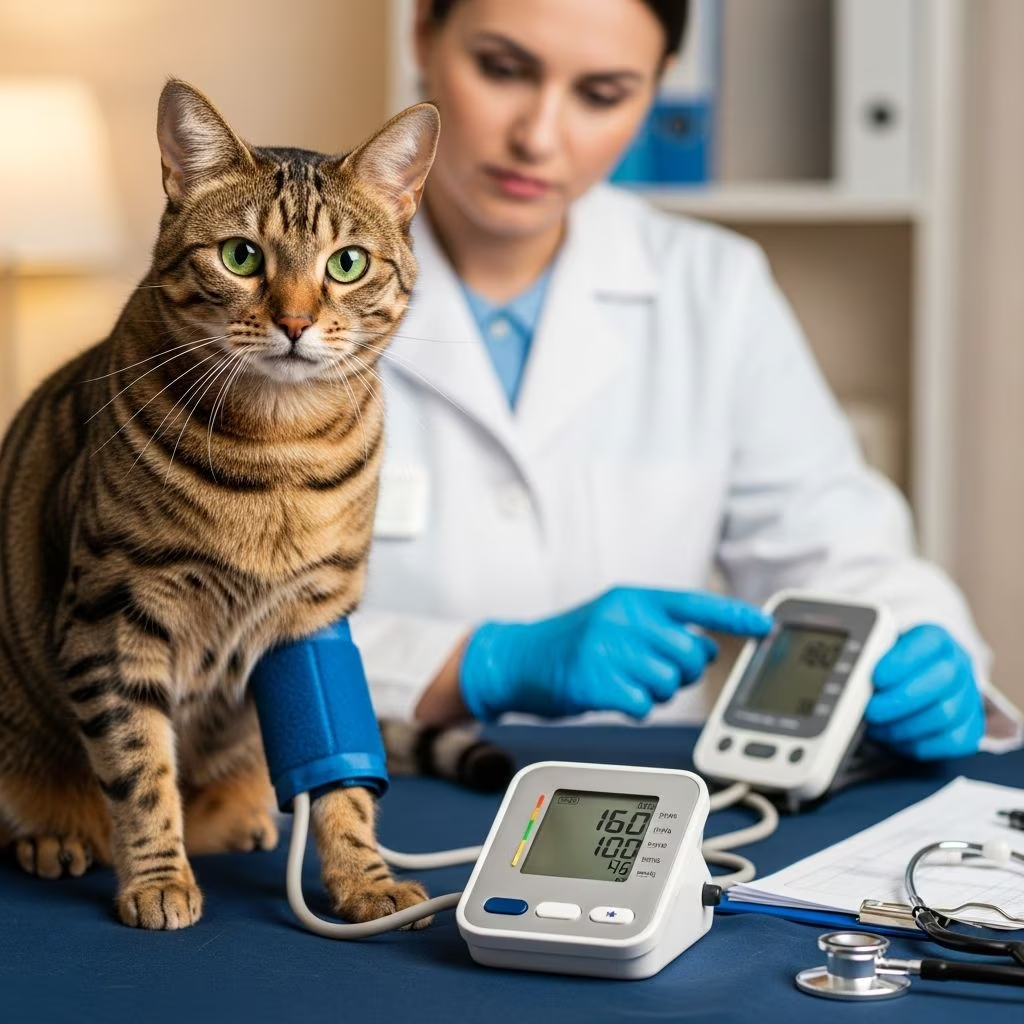
Understanding Systemic Hypertension in Cats
Systemic hypertension, commonly known as high blood pressure, is a prevalent condition affecting many cats, particularly senior felines. This cardiovascular disorder occurs when the force of blood against arterial walls becomes abnormally elevated, potentially leading to serious health complications if left untreated. Unlike in humans, where hypertension often presents with noticeable symptoms, feline hypertension frequently remains asymptomatic, earning it the designation of a “silent killer” among veterinary professionals. Understanding this condition is crucial for cat owners seeking to maintain their pets’ long-term health and quality of life.
What is Systemic Hypertension?
Systemic hypertension refers to persistently elevated blood pressure throughout the body’s arterial system. In cats, this condition becomes increasingly common with advancing age, though it can affect younger animals with underlying health conditions. The exact prevalence of hypertension in the feline population varies, but studies indicate that a significant percentage of senior cats develop this condition during their lifetime. Blood pressure elevation in cats results primarily from constriction of systemic arterioles, making this understanding fundamental to effective treatment approaches.
Common Causes of High Blood Pressure in Cats
Systemic hypertension in cats may develop as a primary condition without an identifiable underlying cause, or it may occur secondary to other health disorders. Identifying any underlying conditions is essential for comprehensive treatment planning.
Primary underlying causes include:
- Chronic kidney disease (CKD) – the most common associated condition
- Hyperthyroidism
- Diabetes mellitus
- Obesity
- Heart disease
- Pheochromocytoma (rare adrenal tumor)
Cats with chronic kidney disease face particularly elevated hypertension risk, as renal dysfunction directly impacts blood pressure regulation. Similarly, hyperthyroid cats often develop hypertension, and interestingly, blood pressure may increase further following treatment of the hyperthyroidism, potentially due to associated worsening of renal function.
Clinical Signs and Symptoms
One of the most challenging aspects of feline hypertension is its often asymptomatic nature in early stages. Many cats display no obvious clinical signs, allowing the condition to progress silently. However, when symptoms do manifest, they typically relate to target organ damage affecting the eyes, brain, heart, or kidneys.
Observable clinical signs may include:
- Sudden blindness or vision changes
- Blood in the anterior chamber of the eye
- Dilated pupils
- Disorientation or confusion
- Seizures
- Weakness or lethargy
- Loss of appetite
- Increased vocalization
The sudden onset of blindness represents one of the most dramatic presentations of hypertensive complications, occurring when high blood pressure causes retinal detachment or retinal hemorrhage. Some owners report behavioral improvements, including reduced depression and lethargy, after initiating antihypertensive therapy, suggesting quality of life enhancement.
Diagnostic Procedures
Accurate diagnosis of systemic hypertension requires proper blood pressure measurement techniques and assessment for target organ damage. Veterinarians employ standardized protocols to minimize measurement errors and ensure diagnostic accuracy.
Blood Pressure Measurement
Doppler ultrasonic methodology represents the gold standard for assessing systolic blood pressure in conscious cats, as it provides the most reliable and accurate readings. Proper measurement technique is essential for avoiding false results.
Optimal measurement conditions include:
- Quiet, calm environment away from stressful stimuli
- Ten-minute acclimatization period before measurement
- Owner presence, which may reduce stress-related elevations
- Multiple readings to establish consistent patterns
- Readings taken during different visits to confirm persistence
This careful approach helps prevent “white coat hypertension,” the phenomenon where stress and anxiety artificially elevate blood pressure readings. Systemic blood pressure readings persistently between 160-180 mmHg are considered moderate risk, while readings above 180 mmHg require immediate intervention.
Target Organ Damage Assessment
Identifying target organ damage (TOD) confirms hypertension diagnosis and guides treatment decisions. Assessment methods include:
- Ophthalmologic examination for retinal changes, hemorrhage, or detachment
- Neurological evaluation for signs of stroke or cerebrovascular disease
- Cardiac assessment including echocardiography for left ventricular hypertrophy
- Renal function testing including blood creatinine and urinalysis
The presence of CKD automatically constitutes target organ damage, warranting antihypertensive therapy regardless of specific blood pressure readings. Echocardiography frequently reveals left ventricular hypertrophy, though the degree of hypertrophy does not always correlate with the magnitude of blood pressure elevation.
Blood Pressure Classification
Understanding normal and abnormal blood pressure ranges in cats helps guide clinical decision-making:
| Blood Pressure Range | Category | Clinical Significance |
|---|---|---|
| 120-150 mmHg | Normal | Target range for treated cats |
| 150-160 mmHg | Borderline | Monitor closely; recheck in 2 weeks |
| 160-180 mmHg | Moderate Risk | Treat if persistent or TOD present |
| Above 180 mmHg | High Risk | Immediate treatment required |
Treatment Approaches
Managing feline hypertension involves a multifaceted approach combining medication, dietary modifications, and treatment of underlying conditions. The primary treatment goal involves reducing systolic blood pressure to 160 mmHg or less, with optimal maintenance around 140 mmHg without medication side effects.
Medication Management
Amlodipine besylate, a calcium-channel blocker, represents the first-line pharmaceutical treatment for feline hypertension. This medication has demonstrated excellent safety and efficacy profiles in both clinical patients and research settings.
Amlodipine characteristics:
- Typical dosage: 0.625-1.25 mg daily (approximately 0.125-0.25 mg/kg)
- Average blood pressure reduction: 30-50 mmHg
- Effectiveness rate: 60-100% as monotherapy with dose adjustment
- Particularly effective in hyperthyroid cats
- May reduce proteinuria in cats with chronic kidney disease
When amlodipine monotherapy proves insufficient, veterinarians frequently add angiotensin-converting enzyme inhibitors (ACE inhibitors) or angiotensin II receptor blockers (ARBs), particularly in proteinuric cats or those with persistent hypertension despite amlodipine dose increases.
Additional medication options include:
- Angiotensin-converting enzyme (ACE) inhibitors – particularly effective in proteinuric patients
- Angiotensin II receptor antagonists (ARBs) – alternative to ACE inhibitors
- Beta-blockers (atenolol) – generally reserved for specific situations due to less favorable outcomes
- Combination therapy when monotherapy proves inadequate
In emergency situations involving severe or progressing neurological or ocular target-organ damage, combination therapy with ACE inhibitors plus calcium-channel blockers may be initiated immediately rather than following the standard gradual approach.
Dietary Management
Therapeutic nutrition plays an important role in long-term hypertension management. Although specific dietary recommendations vary, veterinarians generally recommend therapeutic diets formulated to support blood pressure normalization, particularly in cats with concurrent chronic kidney disease.
Treatment of Underlying Conditions
Optimal management of any identified underlying conditions significantly improves hypertension outcomes. For hyperthyroid cats, careful monitoring of blood pressure before and after treatment of hyperthyroidism proves essential, as blood pressure dynamics may change following thyroid treatment. Similarly, comprehensive management of chronic kidney disease positively impacts blood pressure control.
Monitoring and Follow-up Care
Successful long-term hypertension management requires consistent monitoring and periodic therapy adjustments. The treatment process typically involves a gradual approach with substantial time between dosage adjustments, allowing adequate assessment of medication response.
Monitoring requirements include:
- Regular blood pressure measurements following medication initiation
- Periodic laboratory testing to monitor kidney function and electrolytes
- Assessment for medication side effects
- Evaluation of target organ damage progression
- Dose adjustments based on blood pressure response
Cats with pre-existing chronic kidney disease require blood pressure monitoring every one to three months once readings above 150 mmHg are obtained. Cats demonstrating hypotension, indicated by weakness, syncope, or blood pressure readings below 110/60 mmHg, require therapy adjustment to prevent complications.
Potential Complications of Untreated Hypertension
Failure to treat systemic hypertension can result in serious, sometimes life-threatening complications affecting multiple organ systems:
- Congestive heart failure from prolonged left ventricular hypertrophy
- Chronic kidney disease progression or acute kidney failure
- Retinal degeneration leading to gradual vision loss
- Retinal detachment causing sudden, complete blindness
- Ocular hemorrhage (bleeding into the eye)
- Stroke or cerebrovascular accident
- Aortic dissection (in severe cases)
The sudden onset of blindness due to hypertensive retinopathy represents one of the most devastating complications, often motivating immediate diagnosis and treatment when cats present with acute vision loss.
Prognosis and Long-term Outlook
With appropriate diagnosis and consistent management, many cats respond well to hypertension treatment, achieving good long-term outcomes and improved quality of life. Cats with hypertension related to chronic kidney disease typically require lifelong therapy. In senior cats, maintaining appetite and weight while avoiding catastrophic target organ damage represents the primary therapeutic goal, directly correlating with both quality of life and survival duration.
Frequently Asked Questions
Q: How common is hypertension in cats?
A: Systemic hypertension is increasingly common in elderly cats, though exact prevalence varies. It becomes more prevalent with advancing age and in cats with underlying conditions like chronic kidney disease or hyperthyroidism.
Q: Can hypertension in cats be cured?
A: While hypertension typically cannot be cured, it can be effectively managed with medication and lifestyle modifications. Many cats maintain normal blood pressure long-term with appropriate treatment and monitoring.
Q: How long do cats live with hypertension?
A: With proper treatment and monitoring, cats with hypertension can live for years. Outcomes depend on the underlying cause, presence of target organ damage at diagnosis, and treatment compliance. Early detection and intervention significantly improve prognosis.
Q: Is amlodipine safe for cats?
A: Yes, amlodipine is considered safe and well-tolerated in cats when dosed appropriately. Side effects are uncommon, making it the preferred first-line treatment for feline hypertension across veterinary practice.
Q: How often should blood pressure be checked?
A: Blood pressure monitoring frequency depends on individual circumstances. Initial diagnosis may require several measurements over two weeks. Once treated, cats typically require blood pressure checks every 1-3 months, with adjustments based on response to therapy and underlying conditions.
References
- Diagnosis and treatment of systemic hypertension — Vet Times. 2023. https://www.vettimes.com/news/vets/small-animal-vets/diagnosis-and-treatment-of-systemic-hypertension
- Feline Systemic Hypertension: Diagnosis and Management — PubMed Central (PMC). 2024. https://pmc.ncbi.nlm.nih.gov/articles/PMC10845410/
- Systemic and Pulmonary Hypertension in Dogs and Cats — Merck Veterinary Manual. 2024. https://www.msdvetmanual.com/circulatory-system/various-cardiovascular-diseases-in-dogs-and-cats/systemic-and-pulmonary-hypertension-in-dogs-and-cats
- Systemic Hypertension (High Blood Pressure) in Cats — VCA Animal Hospitals. 2024. https://vcahospitals.com/know-your-pet/systemic-hypertension-in-cats
- ISFM Consensus Guidelines on the Diagnosis and Management of Hypertension in Cats — Journal of Feline Medicine and Surgery. 2017. https://journals.sagepub.com/doi/10.1177/1098612X17693500
- Hypertension — Cornell University College of Veterinary Medicine, Feline Health Center. 2024. https://www.vet.cornell.edu/departments-centers-and-institutes/cornell-feline-health-center/health-information/feline-health-topics/hypertension
- Systemic Hypertension in Dogs & Cats — Today’s Veterinary Practice. 2023. https://todaysveterinarypractice.com/cardiology/systemic-hypertension-in-dogs-cats/



