

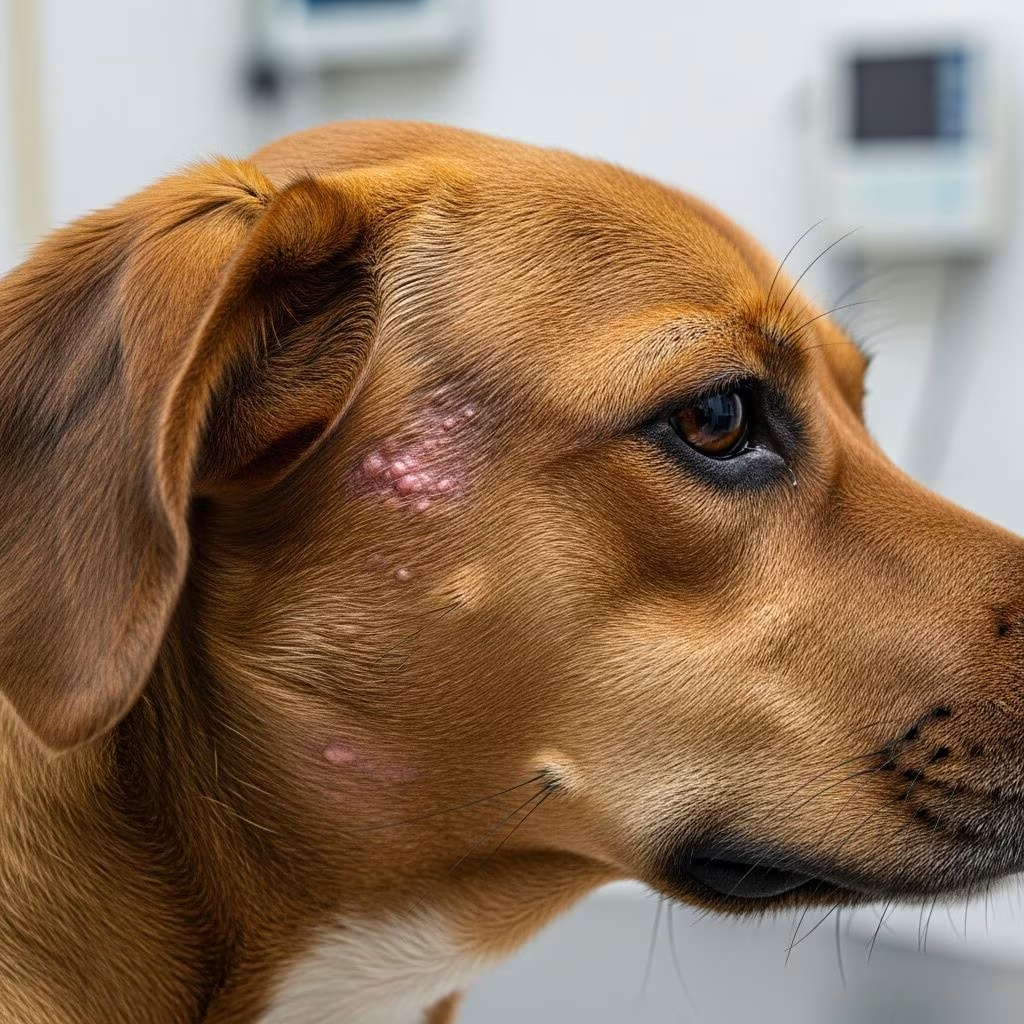
When a dog develops skin problems, owners often assume the issue is superficial—perhaps a local infection or external parasite. However, the largest organ of the canine body frequently serves as a window into deeper, systemic health issues. Many internal diseases and metabolic imbalances express themselves through changes in the skin, coat quality, and dermatological manifestations that extend far beyond simple surface irritation.
Understanding the connection between whole-body disorders and skin health is essential for dog owners seeking to address the root causes of their pet’s dermatological concerns rather than merely treating symptoms. The skin’s appearance, texture, and condition can reveal crucial information about nutritional status, hormonal balance, immune function, and metabolic health.
Nutritional Foundations and Dermatological Health
One of the most frequently overlooked causes of poor skin condition in dogs relates to inadequate nutrition. The integumentary system—comprising the skin, hair, and related structures—depends heavily on a complete and balanced diet to maintain optimal function and appearance. Deficiencies in specific macronutrients and micronutrients can rapidly compromise skin barrier integrity and lead to visible deterioration.
Dogs require adequate protein intake for skin repair, hair growth, and maintenance of the dermal and epidermal layers. Without sufficient high-quality protein, dogs may experience diminished hair growth, dull coats, and increased susceptibility to secondary skin infections. Fat-soluble vitamins, particularly vitamins A and E, play critical roles in maintaining healthy skin cell turnover and protecting against oxidative damage.
Mineral deficiencies—including zinc, copper, iron, and iodine—can manifest as poor coat quality, hair loss, and scaling. These trace elements serve as cofactors for essential enzymes involved in keratin synthesis and skin cell metabolism. Even when a dog appears to eat adequately, malabsorption issues or unbalanced commercial diets may create nutritional gaps that eventually surface as dermatological problems.
Hormonal Imbalances and Their Cutaneous Manifestations
Thyroid Dysfunction
Hypothyroidism represents one of the most common endocrine disorders in dogs and frequently presents with significant skin changes. When thyroid hormone production declines, metabolic processes slow considerably, affecting multiple body systems including the integumentary system. Dogs with hypothyroidism typically develop dry, scaly skin that may appear thickened and folded.
The hair coat often becomes dull and brittle, with progressive hair loss occurring in symmetric patterns across the body. Secondary bacterial infections frequently develop due to compromised skin barrier function. The margins of the ears may develop excessive scaling and debris accumulation, sometimes progressing to chronic ear infections if left untreated. Temperature regulation issues may cause dogs to seek warmth excessively, further irritating already compromised skin.
Adrenal Gland Dysfunction
Hyperadrenocorticism, commonly referred to as Cushing’s disease, occurs when the adrenal glands overproduce cortisol and related hormones. This condition triggers widespread dermatological consequences. Affected dogs develop darkening of the skin (hyperpigmentation), particularly in areas experiencing friction or moisture. Hair loss becomes pronounced, often appearing on the trunk and hind limbs while sparing the head and neck.
Seborrhea—characterized by excessive oiliness and dandruff—frequently accompanies Cushing’s disease. The skin may develop a characteristic musty odor due to secondary yeast overgrowth in the oily environment. Calcinosis cutis, the deposition of calcium salts in the skin, creates hard, crusty lesions. Secondary bacterial infections are common complications due to the immunosuppressive effects of excess cortisol.
Reproductive Hormone Abnormalities
Intact female dogs experiencing hormonal imbalances from reproductive issues may develop significant skin manifestations. These dogs typically present with itching, rashes, and generalized poor coat condition. Skin lesions may originate in the groin or flank region and progress toward the head. Mammary tissue enlargement and irregular estrous cycles often accompany the dermatological signs.
Male dogs with testicular tumors may experience widespread alopecia (hair loss) and occasional itching with concurrent skin rashes. The hormonal dysregulation associated with testicular neoplasia creates an internal environment unfavorable for normal skin health.
Pituitary and Developmental Disorders
Hypopituitarism, though congenital and relatively uncommon, affects pituitary hormone production necessary for normal growth and development. Affected dogs typically exhibit short stature along with significant hair loss and poor coat quality throughout their lives. The condition illustrates how disruption at the highest levels of the endocrine system cascades to affect peripheral structures.
Genetic and Breed-Specific Manifestations
Certain breeds and genetic conditions predispose dogs to specific skin manifestations related to systemic disorders. Lumpy skin syndrome, observed particularly in German Shepherds and occasionally other breeds, associates with kidney cyst formation. This condition demonstrates how internal organ pathology can express itself through skin changes.
The inherited nature of these conditions means that affected dogs may struggle with skin health throughout their lives despite appropriate management of other symptoms. Recognizing breed predisposition allows veterinarians to implement preventive strategies and owners to monitor for early signs.
Toxic Exposure and Chemical-Induced Dermatological Changes
Systemic poisoning from various substances can trigger acute and chronic skin changes. Rodenticide toxicity affects coagulation and vascular integrity, sometimes manifesting as skin discoloration or lesions. Mercury poisoning causes neurological and dermatological signs. Ergotism from consuming grain contaminated with ergot fungus produces vasoconstriction and tissue necrosis, potentially affecting the skin.
Iodide toxicity, sometimes resulting from excessive iodine supplementation or exposure to iodine-containing substances, creates skin reactions including nodules, pustules, and exudative lesions. These toxic exposures underscore the importance of preventing accidental poisonings and understanding household hazards.
Autoimmune Conditions Affecting the Skin
When a dog’s immune system becomes dysregulated and attacks its own skin cells, the resulting autoimmune dermatitis creates severe and often persistent problems. Unlike allergic reactions that have identifiable external triggers, autoimmune skin diseases emerge from internal immune dysfunction.
Pemphigus represents one of the more common autoimmune skin conditions in dogs, characterized by antibodies attacking the connections between skin cells. This separation creates blisters and pustules that rupture easily, leaving erosions and crusted areas. Hair loss accompanies these lesions, and secondary bacterial infections frequently complicate the condition.
The fragile nature of affected skin makes these conditions challenging to manage. Secondary infections are nearly inevitable unless carefully prevented. Dogs with severe, recurrent cases of atopic dermatitis appear predisposed to developing autoimmune skin problems, suggesting that chronic inflammation may trigger immune dysregulation.
Diagnostic Considerations and Management Approaches
| Systemic Condition | Primary Skin Manifestations | Additional Clinical Signs |
|---|---|---|
| Hypothyroidism | Dry, scaly, thickened skin; hair loss; ear scaling | Weight gain, lethargy, cold intolerance |
| Cushing’s Disease | Hair loss, hyperpigmentation, seborrhea, calcinosis cutis | Excessive thirst, increased urination, pot-bellied appearance |
| Nutritional Deficiency | Dull coat, hair loss, poor wound healing | Varies by deficiency type and severity |
| Reproductive Hormone Imbalance | Rash, itching, alopecia (groin/flank to head progression) | Irregular estrous cycles, mammary enlargement (females) |
| Autoimmune Dermatitis | Blisters, pustules, crusts, erosions, hair loss | Itching (if secondary infection present) |
Addressing systemic skin problems requires identifying and treating the underlying condition rather than merely managing dermatological symptoms. A thorough veterinary evaluation should include blood work to assess thyroid function, cortisol levels, and nutritional status. Diagnostic testing may reveal hormonal imbalances, metabolic dysfunction, or immune-mediated disease.
Treatment approaches vary dramatically depending on the underlying cause. Thyroid supplementation can resolve hypothyroidism-related skin changes within weeks to months. Cushing’s disease management focuses on adrenal hormone regulation. Autoimmune conditions may require immunosuppressive therapy. Nutritional deficiencies necessitate dietary modification or supplementation.
Frequently Asked Questions
Can skin problems ever indicate serious internal disease?
Absolutely. Skin changes frequently serve as the first visible sign of systemic disease. Many serious internal conditions—including cancer, autoimmune disease, hormonal disorders, and metabolic dysfunction—express themselves through dermatological manifestations before other symptoms become apparent.
How long does it take to see improvement after treating an underlying systemic condition?
Recovery timelines vary significantly. Hypothyroidism-related skin changes may improve within 6-12 weeks of starting thyroid supplementation. Autoimmune conditions may require months of treatment before stabilization. Nutritional improvements often take several weeks to months to become visible in new hair growth.
Are certain dog breeds more prone to systemic skin diseases?
Yes. Some breeds show higher predisposition to specific conditions. German Shepherds frequently develop hypothyroidism and are associated with lumpy skin syndrome. Certain breeds show increased prevalence of autoimmune diseases. Breed-specific health screening can help identify at-risk individuals early.
Can environmental factors worsen systemic skin disease?
Environmental stressors can exacerbate symptoms, though they don’t cause the underlying systemic disease. Heat, humidity, and secondary allergen exposure may worsen seborrhea or secondary yeast infections in dogs with hormonal disorders. Stress may trigger autoimmune flares.
What role does diet play in managing systemic skin disease?
Proper nutrition becomes increasingly important when dogs have systemic conditions affecting skin health. High-quality, complete, and balanced diets with adequate protein, fat, vitamins, and minerals support skin barrier function and overall health. Some conditions benefit from therapeutic or prescription diets formulated specifically for dermatological support.
The Importance of Veterinary Partnership
When dogs develop skin problems that persist despite conventional treatment or that recur frequently, systemic disease evaluation becomes essential. Working closely with a veterinarian—and potentially a veterinary dermatologist—helps identify underlying causes and implement comprehensive treatment plans.
Regular health monitoring, appropriate preventive care, breed-specific health screening, and prompt attention to new dermatological changes improve outcomes significantly. Understanding that skin health reflects internal health empowers dog owners to advocate for thorough diagnostic evaluation rather than accepting superficial management of persistent skin problems.
References
- Whole-body Disorders that Affect the Skin in Dogs — MSD Veterinary Manual. Accessed February 2026. https://www.msdvetmanual.com/dog-owners/skin-disorders-of-dogs/whole-body-disorders-that-affect-the-skin-in-dogs
- Canine Skin Autoimmune Diseases — Cornell University College of Veterinary Medicine, Riney Canine Health Center. Accessed February 2026. https://www.vet.cornell.edu/departments-centers-and-institutes/riney-canine-health-center/canine-health-information/canine-skin-autoimmune-diseases
- Common Canine Skin Conditions — Texas A&M University Veterinary Medicine & Biomedical Sciences. Accessed February 2026. https://vetmed.tamu.edu/news/pet-talk/common-canine-skin-conditions/
- 2023 AAHA Management of Allergic Skin Diseases in Dogs and Cats Guidelines — American Animal Hospital Association. 2023. https://www.aaha.org/
- Dermatitis and Dermatologic Problems in Dogs – Dog Owners — Merck Veterinary Manual. Accessed February 2026. https://www.merckvetmanual.com/dog-owners/skin-disorders-of-dogs/dermatitis-and-dermatologic-problems-in-dogs



