

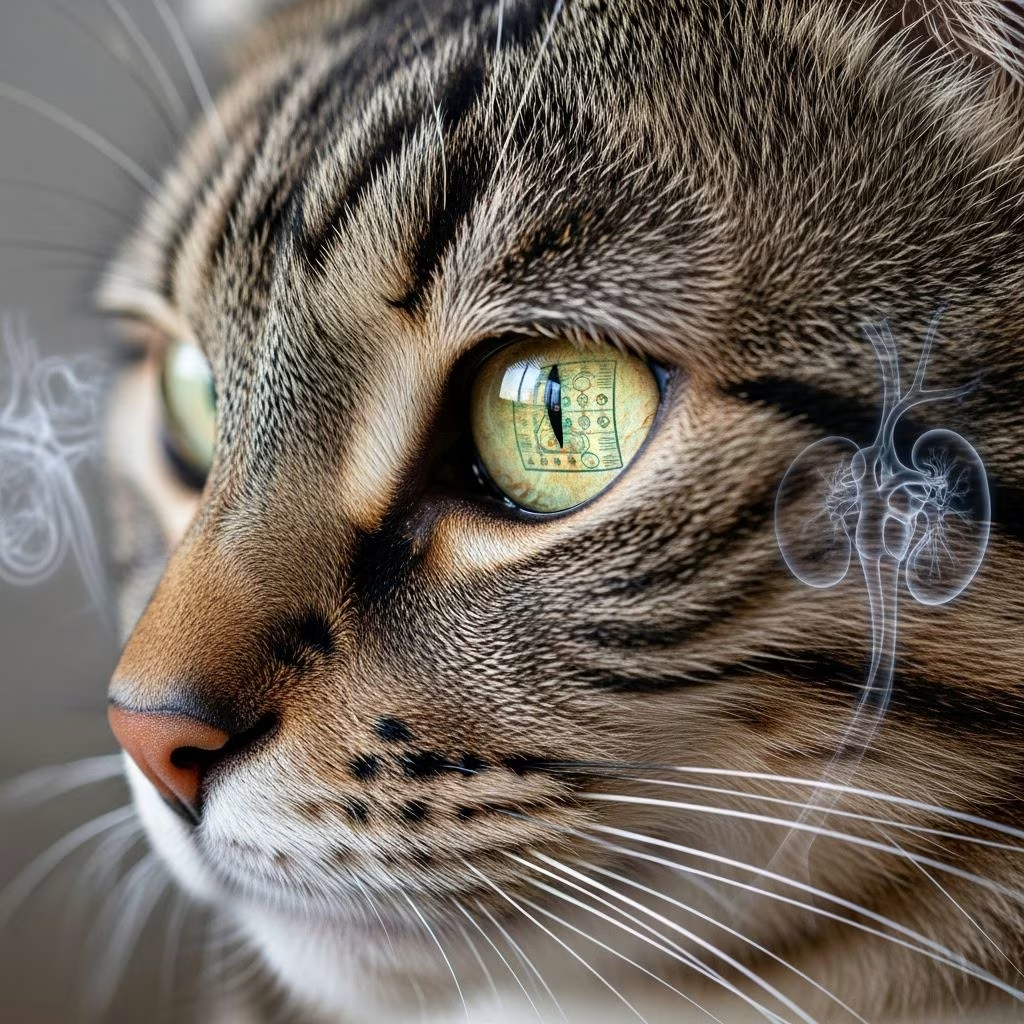
Cats experience a wide range of ocular conditions, many of which extend beyond isolated eye problems. When internal health conditions develop, they frequently manifest through visible changes in the eyes and surrounding structures. Understanding the connection between your cat’s overall health and ocular presentation is essential for early detection and effective treatment. Many of the eye conditions veterinarians observe in cats are secondary manifestations of deeper systemic imbalances that require comprehensive medical attention.
The Interconnection Between Internal Health and Ocular Manifestations
The eyes serve as windows into your cat’s overall health status. When systemic diseases develop, they often produce visible signs in ocular tissues before other symptoms become apparent. This relationship means that regular eye examinations can sometimes reveal underlying health conditions that might otherwise go undetected. Veterinarians frequently use ocular findings as diagnostic clues to investigate potential systemic diseases affecting their feline patients.
Several categories of systemic conditions can produce ocular effects. These include metabolic disorders, infectious diseases, inflammatory conditions, and vascular abnormalities. Each category manifests differently in the eye, creating distinct clinical presentations that experienced veterinary professionals can recognize and interpret.
Hypertension and Retinal Complications
High blood pressure represents one of the most significant systemic conditions affecting feline vision. When a cat develops hypertension, the delicate blood vessels supplying the retina experience increased pressure, often resulting in retinal detachment. This condition occurs when the thin layer of light-sensitive cells at the back of the eye separates from the supportive tissue beneath it.
The manifestation of hypertension-related retinal disease in cats frequently appears sudden and dramatic. Affected cats may seem to experience abrupt vision loss, with notably dilated pupils that fail to respond normally to changes in light. Unlike gradual vision decline, this sudden onset makes it particularly critical for cat owners to recognize the urgency of immediate veterinary intervention.
Conditions commonly associated with hypertension in cats include:
- Hyperthyroidism—an overactive thyroid gland that increases metabolic rate and blood pressure
- Chronic kidney disease—leading to fluid retention and vascular changes
- Diabetes mellitus—affecting vascular integrity throughout the body
- Obesity—contributing to metabolic syndrome and pressure elevation
When retinal detachment occurs secondary to hypertension, the prognosis depends heavily on timing. Veterinary treatment initiated within hours of vision loss offers the best opportunity to restore sight. However, delayed treatment often results in permanent blindness, as the retinal tissue cannot reattach without intervention. This time-sensitive nature of retinal disease underscores why immediate professional evaluation is necessary when vision changes occur.
Infectious Disease and Ocular Involvement
Infectious agents represent another major category of systemic diseases producing ocular manifestations. Several viral and bacterial pathogens commonly encountered in feline populations directly affect eye tissues, while others produce indirect effects through immune system activation.
Feline Herpesvirus and Corneal Complications
Feline herpesvirus type 1 (FHV-1) stands as one of the most prevalent infectious causes of eye problems in cats. This highly contagious virus primarily affects the respiratory system but frequently involves ocular tissues. After an initial infection, the virus establishes latency within nerve cells, creating potential for recurrent clinical episodes throughout the cat’s lifetime.
The ocular manifestations of feline herpesvirus infection include:
- Corneal ulceration—erosions on the transparent front surface of the eye
- Conjunctivitis—inflammation of the membrane lining the eyelids
- Chronic eye discharge—ranging from clear to thick and mucoid
- Persistent inflammation—causing redness and tissue swelling
What makes feline herpesvirus particularly challenging is its chronic recurrent nature. Stress, concurrent illness, or immunosuppression can trigger recurrence of active infection, perpetuating cycles of corneal ulceration and inflammation. Over time, repeated ulcerations lead to corneal scarring and permanent vision impairment. Unlike bacterial conjunctivitis, which typically resolves with antibiotic therapy, herpesvirus infections cannot be cured, requiring long-term management strategies.
Other Infectious Causes of Ocular Disease
Beyond feline herpesvirus, various bacterial and fungal agents can produce ocular inflammation. Bacterial infections often respond well to appropriate antibiotic therapy, while fungal infections may require more extensive systemic treatment. Certain systemic infections can trigger anterior uveitis, an inflammation of the iris and surrounding structures that demands prompt veterinary attention to prevent secondary glaucoma and vision loss.
Inflammatory Conditions Affecting Ocular Health
Inflammation within the eye can result from diverse systemic conditions or develop as a primary ocular disease. Understanding the distinction between primary and secondary inflammation helps guide appropriate treatment strategies.
Uveitis and Associated Systemic Disease
Anterior uveitis, inflammation of the iris and ciliary body, frequently indicates underlying systemic disease. When cats present with uveitis, veterinarians must investigate potential causative systemic conditions rather than treating inflammation in isolation.
Conditions commonly associated with feline uveitis include:
- Feline leukemia virus (FeLV)—immunosuppressive virus affecting multiple body systems
- Feline immunodeficiency virus (FIV)—causing immune dysfunction
- Toxoplasmosis—parasitic infection affecting various tissues
- Hyperthyroidism—metabolic disorder with systemic inflammatory effects
- Neoplasia—both direct ocular involvement and inflammatory responses
Uveitis typically presents with characteristic signs including redness, cloudiness, discharge, and obvious discomfort. Affected cats often squint, avoid bright light, and show behavioral changes indicating pain. The inflammation can progress to secondary glaucoma, where pressure elevation develops as a consequence of inflammatory obstruction of aqueous humor drainage.
Eosinophilic Keratoconjunctivitis
This specialized inflammatory condition involves infiltration of eosinophilic cells into the cornea and conjunctiva, creating a distinctive inflammatory pattern. While sometimes idiopathic, eosinophilic keratoconjunctivitis can reflect systemic immune activation or allergic responses. Clinical presentation includes excessive tearing, squinting, redness, and corneal cloudiness. Diagnosis requires microscopic examination of cells scraped from the eye surface to identify the characteristic eosinophilic infiltrate.
Metabolic Disorders and Ocular Manifestations
Several metabolic conditions affecting whole-body function produce secondary ocular effects that become visible to careful observers.
Diabetes and Cataract Development
Diabetes mellitus represents a significant metabolic disorder in feline populations, with ocular manifestations including cataract formation. The high blood glucose levels characteristic of diabetes alter the lens protein structure, causing the normally transparent lens to become cloudy and white. This process can progress to complete opacity, resulting in vision loss or blindness.
While cataracts are less common in cats than in dogs, they occur with greater frequency in diabetic cats and older animals. Cats with diabetes combined with other predisposing factors face increased cataract risk. Successful diabetic management may slow cataract progression, though established cataracts typically require surgical intervention for vision restoration.
Thyroid Disease and Vascular Effects
Hyperthyroidism, a common endocrine disorder in older cats, affects ocular health through multiple mechanisms. Beyond its contribution to hypertension and retinal detachment, hyperthyroidism can produce direct ocular inflammatory effects and contribute to anterior uveitis development. The elevated metabolic state associated with hyperthyroidism also exacerbates tissue inflammation throughout the body, including ocular structures.
Glaucoma as a Secondary Manifestation
Glaucoma, defined as elevated intraocular pressure resulting in vision loss, frequently develops secondary to other ocular or systemic conditions rather than as a primary disease. Primary glaucoma, caused by genetic predisposition alone, remains relatively rare in cats. Secondary glaucoma develops when inflammation, lens luxation, hemorrhage, or neoplasia obstructs the drainage pathways for aqueous humor.
Common causes of secondary feline glaucoma include:
- Anterior uveitis—inflammatory obstruction of drainage channels
- Lens luxation—displacement of the lens blocking fluid drainage
- Intraocular hemorrhage—blood obstructing drainage pathways
- Intraocular neoplasia—tumors occupying space and blocking flow
- Inflammation from systemic disease—producing secondary pressure elevation
Glaucoma represents a medical emergency in feline patients, as the elevated pressure rapidly damages the optic nerve, leading to permanent blindness within hours if untreated. Symptoms include redness, cloudiness, excessive tearing, dilated pupils, and eye bulging. Pain often accompanies glaucoma, though cats may not always demonstrate obvious distress signals. Immediate veterinary evaluation and pressure-reducing treatment are essential to preserve vision.
Neoplastic Disease and Ocular Involvement
Cancer affecting various body systems can produce ocular manifestations through multiple mechanisms. Direct ocular tumors can develop within or behind the eye, while systemic cancers produce secondary effects through metastatic spread, inflammation, or paraneoplastic syndromes.
Cats may develop lymphoma within ocular tissues, or anterior chamber masses can obstruct aqueous humor drainage. Certain systemic cancers trigger severe uveitis as a paraneoplastic response. Any newly observed lumps or masses around the eye warrant immediate veterinary evaluation, as early detection and appropriate treatment significantly improve outcomes.
Clinical Recognition and Symptom Awareness
Cat owners should monitor for specific ocular changes that may indicate systemic disease. While some conditions produce obvious signs, others develop subtly over time.
Important ocular signs requiring veterinary evaluation include:
- Sudden vision loss or disorientation indicating acute problems
- Discharge changes—increased volume, color changes, or consistency alterations
- Pupil abnormalities—dilation unresponsive to light or unequal sizes
- Visible third eyelid elevation—sometimes indicating pain or systemic illness
- Squinting or excessive blinking—suggesting ocular discomfort
- Eye redness or cloudiness—indicating inflammation or pressure elevation
- Eye bulging—potentially indicating glaucoma or retrobulbar mass
- Behavioral changes around light sensitivity—suggesting vision compromise
Early recognition and prompt veterinary response can make critical differences in preserving vision and identifying underlying systemic conditions requiring treatment.
Diagnostic Approach and Treatment Considerations
When ocular disease appears in cats, veterinarians pursue comprehensive evaluation extending beyond the eye itself. Physical examination includes blood pressure measurement, since hypertension-related ocular disease represents such a significant cause of vision loss. Laboratory testing investigates potential systemic causes including thyroid function, glucose levels, kidney parameters, and infectious disease status.
Treatment strategies must address both the ocular manifestations and underlying systemic conditions. Managing systemic disease often helps stabilize or improve ocular health. For example, controlling hypertension reduces risk of retinal detachment, while managing diabetes may slow cataract progression. Comprehensive systemic health optimization provides the foundation for optimal ocular outcomes.
Frequently Asked Questions About Systemic Disease and Feline Eye Health
Q: How quickly can retinal detachment from high blood pressure cause permanent blindness?
A: Retinal detachment can cause permanent vision loss within hours without treatment. Seeking veterinary care immediately when sudden vision loss occurs offers the best chance for vision preservation.
Q: Can feline herpesvirus eye infections be cured?
A: No. Feline herpesvirus cannot be cured because the virus hides in nerve tissue. However, antiviral medications and supportive care can help manage recurrent episodes and complications.
Q: What should I do if my cat suddenly appears blind?
A: Seek immediate veterinary evaluation. Sudden blindness often indicates medical emergencies like retinal detachment or glaucoma requiring urgent treatment.
Q: Are certain cat breeds more prone to systemic eye disease?
A: While certain breeds show predisposition to primary glaucoma and cataracts, systemic diseases affecting ocular health occur across all breeds and populations.
References
- Common Eye Conditions In Cats — My Vet Animal Hospital. Accessed February 2026. https://myvetanimalhospital.com.au/common-eye-conditions-in-cats/
- Eye problems in cats – an overview — PDSA. Accessed February 2026. https://www.pdsa.org.uk/pet-help-and-advice/pet-health-hub/symptoms/eye-problems-in-cats
- Cat Eye Problems: Most Common Eye Issues in Cats — PetMD. Accessed February 2026. https://www.petmd.com/cat/general-health/common-cat-eye-problems
- Feline Eye Conditions — Animal Eye Associates. Accessed February 2026. https://animaleyegroup.com/feline-eye-conditions/
- Keeping Your Cat’s Eyes in Purr-fect Health — Stack Vet Hospital. Accessed February 2026. https://stackvethospital.com/keeping-your-cats-eyes-in-purr-fect-health/
- Top Eye Problems for Cats — ASPCA Pet Insurance. Accessed February 2026. https://www.aspcapetinsurance.com/resources/top-eye-problems-for-cats/



