

Understanding Syringomyelia and Chiari-Like Malformation in Dogs
Syringomyelia (SM) and Chiari-like malformation (CM) are complex neurological conditions that affect dogs, particularly certain small breed and toy breed dogs. These conditions can cause significant pain and discomfort, potentially impacting a dog’s quality of life. Understanding these conditions is essential for dog owners, breeders, and veterinary professionals involved in the care and management of affected animals.
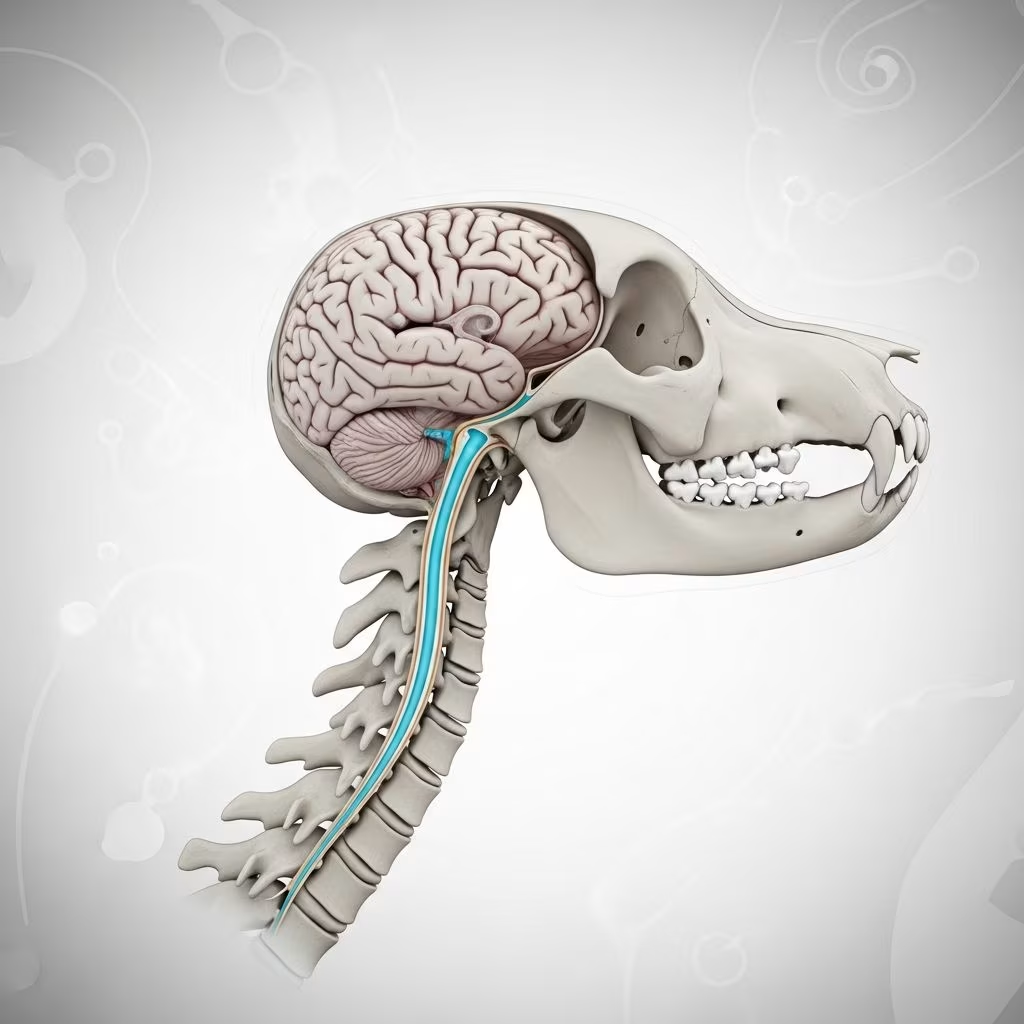
Chiari-like malformation is characterized by a structural mismatch between the brain and skull, where the brain is too large for the skull cavity. This anatomical abnormality can disrupt the normal flow of cerebrospinal fluid (CSF), leading to the development of syringomyelia. Syringomyelia involves the formation of fluid-filled cavities within the spinal cord, which can cause nerve damage and clinical signs ranging from mild discomfort to severe pain.
What Is Chiari-Like Malformation?
Chiari-like malformation is a condition in which there is a fundamental mismatch in size between the brain and the skull. The brain is disproportionately large relative to the skull cavity, which is too small to accommodate it properly. This size discrepancy can obstruct the foramen magnum, the opening at the base of the skull through which the spinal cord passes, potentially blocking or altering the normal flow of cerebrospinal fluid around the spinal cord.
The cerebrospinal fluid is a vital fluid that cushions and protects the brain and spinal cord, providing essential support and nutrient delivery. When the flow of this fluid is disrupted due to the structural abnormalities associated with Chiari-like malformation, pressure can build within the spinal cord. This increased pressure can force cerebrospinal fluid into the spinal cord tissue itself, creating fluid-filled cavities known as syrinxes.
What Is Syringomyelia?
Syringomyelia is the condition that develops when fluid-filled cavities form within the spinal cord. These cavities, called syrinxes, result from abnormal cerebrospinal fluid dynamics. While Chiari-like malformation is the most common cause of syringomyelia in dogs, other factors can also lead to its development, including spinal cord tumors, spinal cord trauma, or arachnoid diverticula (outpouchings of the membrane surrounding the spinal cord).
The presence of these fluid-filled cavities can damage the nerve fibers within the spinal cord, disrupting communication between the brain and the body. The severity of the condition often correlates with the size and symmetry of the syrinx. Dogs with wider, asymmetrical syrinxes are typically more likely to experience significant pain and neurological symptoms, while those with narrow, symmetrical syrinxes may remain asymptomatic.
Which Breeds Are Most Commonly Affected?
Certain dog breeds are particularly predisposed to developing Chiari-like malformation and syringomyelia. The condition has been shown to be inherited in some breeds and is suspected to be hereditary in others. Understanding which breeds carry this genetic predisposition is important for breeders making informed breeding decisions.
Highly Affected Breeds:
The Cavalier King Charles Spaniel is the breed most commonly affected by this condition. Research indicates that Chiari-like malformation is estimated to affect up to 95% of the Cavalier King Charles Spaniel population. Approximately 50 to 70% of Cavalier King Charles Spaniels with CM develop syringomyelia, though not all develop clinical signs. The condition has been definitively shown to be inherited in this breed.
Other breeds with documented inherited or suspected inherited forms of the condition include the Griffon Bruxellois and the King Charles Spaniel.
Other Predisposed Breeds:
The condition has been reported in various other small and toy breeds, particularly brachycephalic (short-faced) breeds. These include Affenpinschers, Boston Terriers, Chihuahuas, Havanese, Maltese, Papillons, Pomeranians, Staffordshire Bull Terriers, Yorkshire Terriers, French Bulldogs, and Pugs. The condition can also occur in crossbreed dogs.
The prevalence of these conditions in predisposed breeds has increased significantly with improved access to MRI imaging technology, which has allowed for more accurate diagnosis.
Clinical Signs and Symptoms
The symptoms of syringomyelia and Chiari-like malformation can vary considerably among affected dogs. Some dogs may show no apparent signs, with the condition discovered incidentally during imaging for other reasons. However, many affected dogs experience varying degrees of pain and neurological dysfunction.
Common Clinical Signs:
Pain is the most frequently reported clinical sign associated with these conditions. The pain experienced by affected dogs may be manifested through various behavioral and physical signs. Dogs may show reluctance or inability to exercise, as physical activity can exacerbate discomfort. Many dogs exhibit excessive scratching behavior, particularly characteristic “air scratching” or “phantom scratching,” where the dog scratches without making actual contact with the skin.
Affected dogs often display increased sensitivity to touch, especially around the head, neck, shoulders, and breastbone regions. This sensitivity can manifest as the dog pulling away when touched or showing signs of pain during routine handling. Repetitive face rubbing and excessive licking of the paws are also commonly observed behaviors.
Age of Onset:
Most dogs with Chiari-like malformation and syringomyelia begin exhibiting clinical signs as young adults, typically between 3 and 6 years of age. However, the age range can be quite broad, with some dogs showing signs before 6 months of age and others not developing symptoms until after 12 years of age. There is no sex predilection for the condition.
Progressive Neurological Signs:
In addition to pain-related behaviors, some dogs may develop other neurological deficits. These can include weakness, poor coordination, and slow correction of abnormal limb position. In more severe cases, dogs may experience scoliosis (curvature of the spine). While less common, seizures, balance problems, facial nerve paralysis, and deafness have been reported in some affected dogs, though direct causation has not always been established.
Diagnosis of Chiari-Like Malformation and Syringomyelia
Accurate diagnosis of Chiari-like malformation and syringomyelia requires advanced imaging technology. Magnetic resonance imaging (MRI) is the gold standard for diagnosing and evaluating these conditions, as it provides detailed visualization of the brain, spinal cord, and cerebrospinal fluid.
During an MRI examination, the veterinarian can assess the structural relationship between the brain and skull, identify any obstruction of cerebrospinal fluid flow, and visualize the presence and characteristics of any syrinxes within the spinal cord. The size, location, symmetry, and extent of any syrinx are carefully evaluated, as these factors have prognostic significance and guide treatment decisions.
Veterinary neurologists or specialists experienced in reading canine MRI scans should interpret these images. The characteristic findings include the mismatch between brain and skull size in Chiari-like malformation, and the presence of fluid-filled cavities within the spinal cord in syringomyelia cases.
Treatment and Management Options
Management of Chiari-like malformation and syringomyelia focuses on controlling symptoms and maintaining the dog’s quality of life. Treatment approaches vary depending on the severity of clinical signs, the extent of the condition, and the individual dog’s response to therapy.
Medical Management:
Medical management is the primary treatment approach for most dogs with these conditions. Pain management is central to treatment, and various medications can be used to control discomfort. These may include analgesics, anti-inflammatory medications, and other medications specifically designed to manage neuropathic pain. Because the condition is often progressive, lifelong medication is typically required, and many dogs require increasing doses over time to maintain adequate pain control.
Most dogs can maintain a good quality of life with appropriate medical management. The majority retain the ability to walk, though a minority may develop significant weakness requiring additional supportive care.
Surgical Management:
In select cases, surgical intervention may be considered. Surgery may be recommended for dogs with severe, progressive symptoms that are not adequately controlled with medical management. Surgical procedures aim to improve cerebrospinal fluid flow and reduce pressure within the spinal cord. However, surgery is not appropriate for all cases and carries its own risks and considerations.
Supportive Care and Lifestyle Modifications:
Beyond medication, supportive care measures can help improve the dog’s comfort and quality of life. This may include providing orthopedic bedding, maintaining appropriate exercise levels (avoiding excessive activity that may exacerbate pain), and ensuring a stress-free home environment. Some dogs benefit from physical therapy and rehabilitation exercises designed to maintain muscle strength and mobility.
Long-Term Prognosis
The long-term outlook for dogs with Chiari-like malformation and syringomyelia varies depending on the severity of the condition and the dog’s individual response to treatment. While these conditions are rarely fatal, they can be very painful and significantly impact quality of life if not properly managed.
It is important to note that the condition is progressive in approximately three-quarters of cases, meaning that dogs typically require increasing doses of medication over time to maintain adequate symptom control. However, most owners report that despite this progressive nature, their pets can enjoy a good quality of life with appropriate medical management.
A small minority of dogs develop severe, uncontrolled pain that significantly impacts their quality of life, and euthanasia may unfortunately become necessary in these cases. However, with modern treatment approaches, this outcome is relatively uncommon.
Genetic Considerations and Breeding
Since Chiari-like malformation and syringomyelia have been shown to be inherited in certain breeds, particularly the Cavalier King Charles Spaniel, genetic considerations are important for breeders. Responsible breeding practices aim to reduce the incidence of these conditions in future generations.
Various organizations offer screening schemes that include MRI examination and grading of results to help breeders make informed decisions about breeding stock. These schemes use MRI findings to assess individual dogs and guide breeding recommendations, with the goal of reducing the prevalence of these debilitating conditions in affected breeds.
When to Consult Your Veterinarian
If your dog exhibits any signs that might suggest Chiari-like malformation or syringomyelia, it is important to discuss your concerns with your veterinary surgeon. These signs include persistent pain behaviors, excessive scratching or air scratching, reluctance to exercise, increased sensitivity to touch (especially around the head and neck), or repetitive face rubbing.
Early detection and intervention can help manage these conditions more effectively and improve your dog’s quality of life. Your veterinarian can perform a thorough neurological examination and determine whether advanced imaging or specialist consultation is warranted.
Frequently Asked Questions
Q: Can a dog live a normal life with Chiari-like malformation and syringomyelia?
A: Yes, many dogs with these conditions can live normal, happy lives with appropriate medical management. While the condition is often progressive and requires lifelong medication, most dogs maintain good quality of life with proper treatment and supportive care.
Q: Is there a cure for syringomyelia and Chiari-like malformation?
A: Currently, there is no cure for these conditions. Treatment focuses on managing symptoms, controlling pain, and maintaining quality of life. In some cases, surgery may help improve cerebrospinal fluid flow, but this does not cure the underlying condition.
Q: How is syringomyelia different from Chiari-like malformation?
A: Chiari-like malformation is the structural brain and skull abnormality that can lead to syringomyelia. Syringomyelia is the condition involving fluid-filled cavities in the spinal cord that may result from CM or other causes.
Q: What breeds should be screened for these conditions?
A: Cavalier King Charles Spaniels, King Charles Spaniels, and Griffon Bruxellois should definitely be screened. Other small and toy breeds, particularly brachycephalic breeds like Chihuahuas, Boston Terriers, and others, may also benefit from screening if they show clinical signs.
Q: How much does MRI screening cost?
A: MRI costs vary by location and veterinary facility, but typically range from several hundred to over a thousand dollars. Consult with your veterinarian or veterinary neurologist for specific pricing in your area.
Q: Can environmental factors cause these conditions?
A: No, these conditions are primarily genetic in predisposed breeds. They result from inherited structural abnormalities, not environmental factors or lifestyle choices.
References
- Chiari Malformation/Syringomyelia Scheme — British Veterinary Association (BVA). 2025. https://www.bva.co.uk/canine-health-schemes/cmsm-scheme/
- Chiari-like malformation and syringomyelia — Fitzpatrick Referrals. 2025. https://www.fitzpatrickreferrals.co.uk/neurology/chiari-like-malformation-and-syringomyelia/
- Chiari-like Malformation: An Overview — Today’s Veterinary Practice. 2025. https://todaysveterinarypractice.com/neurology/chiari-like-malformation-an-overview/
- Understanding and Treating Chiari-like Malformation and Syringomyelia — PubMed Central, National Institutes of Health. 2018. https://pubmed.ncbi.nlm.nih.gov/29793722/
- Clinical Application of Diagnostic Imaging of Chiari-Like Malformation and Syringomyelia in Dogs — Frontiers in Veterinary Science. 2018. https://www.frontiersin.org/journals/veterinary-science/articles/10.3389/fvets.2018.00280/full
- Syringomyelia (SM) and Chiari Malformation (CM) in Dogs — PetMD. 2025. https://www.petmd.com/dog/conditions/neurological/syringomyelia-sm-and-chiari-malformation-cm-dogs



