

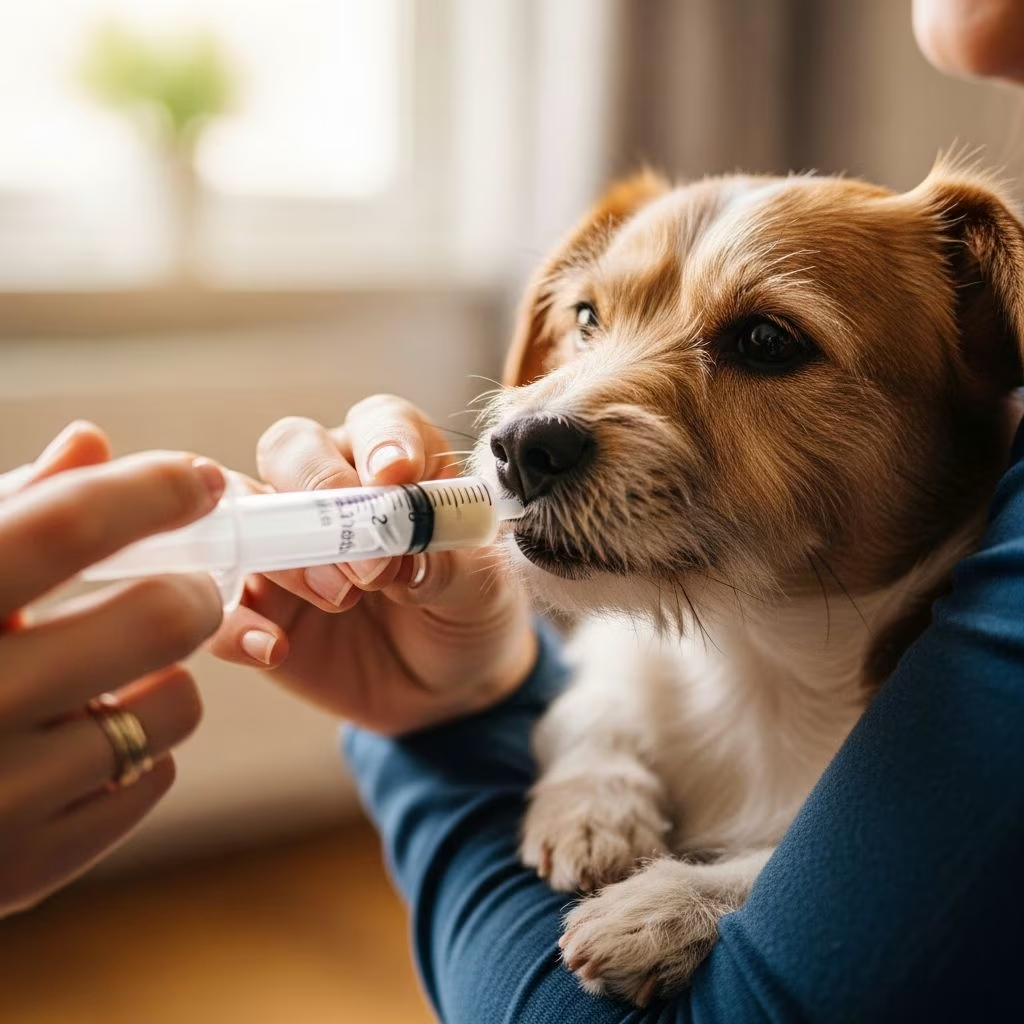
Syringe feeding represents a critical nutritional intervention for dogs facing temporary eating difficulties or recovering from medical procedures. This specialized feeding method delivers essential nutrients directly into a dog’s mouth in controlled portions, ensuring adequate nourishment when conventional eating becomes impossible or inadvisable. Understanding the mechanics, preparation, and execution of syringe feeding enables pet owners to provide compassionate care during their dog’s vulnerable periods.
Circumstances Requiring Syringe Feeding Support
Several medical and physical conditions necessitate the implementation of syringe feeding as a primary nutritional strategy. Recognizing these situations helps owners respond promptly with appropriate care measures.
- Post-surgical recovery periods: Following surgical procedures, dogs often experience pain, discomfort, or swelling that makes normal food consumption problematic. The gentle administration of nutrition through a syringe prevents additional stress on healing tissues while maintaining strength during the recovery phase.
- Throat and esophageal obstructions: Physical blockages within the digestive tract prevent food passage, requiring temporary alternative feeding methods until veterinary intervention resolves the issue.
- Compromised appetite conditions: Illness, medication side effects, or temporary appetite loss can be managed through supplementary syringe feeding that maintains nutritional intake.
- Dental complications: Tooth extraction, orthodontic work, or oral injuries may temporarily restrict a dog’s ability to chew or manipulate solid foods.
- Geriatric nutritional support: Senior dogs with swallowing difficulties or reduced chewing capacity benefit from liquid nutrition administered through syringe methods.
Selecting Appropriate Syringe Equipment
The foundation of successful syringe feeding begins with choosing suitable equipment that matches your individual dog’s requirements and feeding situation. Size and measurement accuracy represent the primary selection criteria.
Syringe Sizing Considerations
Smaller dog breeds typically require smaller-capacity syringes that provide precise measurement control and minimize the volume delivered per stroke. These smaller instruments reduce the risk of overwhelming a small dog’s mouth with excessive food quantity. Conversely, larger breed dogs accommodate larger-capacity syringes more comfortably, allowing efficient administration of adequate nutritional volumes without requiring excessive repetitions.
A standard 20-milliliter syringe serves as a versatile middle-ground option suitable for most medium-sized dogs, offering adequate capacity without overwhelming most canine patients. Smaller 3-milliliter or 10-milliliter syringes work well for toy breeds and puppies requiring minimal portions per feeding cycle.
Measurement Accuracy Features
Selecting syringes with clearly visible measurement markings allows precise tracking of food volumes consumed and ensures consistent portion administration. This transparency feature facilitates communication with your veterinarian regarding actual intake amounts and helps monitor adequate nutrition delivery. Clear calibration lines also prevent accidental overfeeding that could cause digestive upset or aspiration concerns.
Food Preparation and Consistency
The nutritional substance administered via syringe requires specific physical characteristics to flow smoothly through the syringe barrel while remaining nourishing and digestible.
Appropriate Food Consistency Requirements
Syringe feeding demands that food maintain a liquid or semi-liquid consistency, as solid foods cannot be effectively drawn into or dispensed from syringes. This requirement eliminates standard kibble and requires alternative preparation approaches. Two primary options accommodate this consistency requirement: commercially formulated liquid dog foods specifically designed for syringe administration, or homemade preparations approved by your veterinarian that meet your dog’s specific nutritional needs.
Temperature Management
Food temperature significantly impacts your dog’s comfort during syringe feeding. Extremely hot food risks burning sensitive mouth and esophageal tissues, while excessively cold food may cause digestive distress. Lukewarm temperatures—approximating body temperature—provide optimal comfort and facilitate natural swallowing responses. Test food temperature on your inner wrist or with a food thermometer before administration to ensure safety.
Preparation Technique
Filling syringes efficiently requires a straightforward technique that preserves food integrity while maximizing accessibility. Disassemble the syringe by separating the plunger from the barrel. Position the open barrel into the food container and gradually push the plunger inward to draw food upward into the syringe in an anterograde fashion. Continue this process until food fills the syringe near capacity. This method also provides a secondary benefit of gradually cooling the food to appropriate serving temperature.
Optimal Positioning and Environmental Setup
Creating appropriate conditions for syringe feeding substantially influences the experience’s success and your dog’s comfort level during the process.
Environmental Preparation
Select a quiet, calm location where your dog can relax without unnecessary distractions that might generate anxiety or stress. Environmental stimuli trigger tension that can interfere with natural swallowing reflexes and patient cooperation. Soft blankets, pillows, or comfortable bedding contribute to a cozy atmosphere that encourages relaxation and acceptance of the feeding procedure.
Body Positioning for Different Breed Types
Breed conformation influences the most effective syringe placement location within the mouth. For longer-nosed dog breeds, directing the syringe into the cheek pouch outside the teeth prevents food from simply falling out of the mouth and encourages natural swallowing mechanics. The cheek pouch represents the space between the outside surface of the teeth and the inner cheek—an ideal deposit location for runnier food preparations.
Short-nosed breeds like French Bulldogs and Pugs require placement of the syringe tip inside the mouth, just behind one of the canine teeth, advancing into the slight gap between the canine and pre-molar teeth. This positioning accommodates these breeds’ unique facial structure while ensuring effective food delivery.
Safe Administration Protocols
The actual feeding process demands careful technique to prevent complications and ensure comfortable, effective nutrition delivery.
Insertion and Dispensing Technique
Gently hold your dog’s head in a stable, comfortable position while inserting the syringe tip into the designated mouth location. Angle the syringe slightly to the side, depositing food onto the tongue rather than straight into the back of the throat, which could trigger gagging or aspiration into the lungs. Slowly depress the plunger to release food in small increments of 1 to 3 milliliters at a time, allowing adequate swallowing time between portions.
Critical Safety Precautions
Never force food or administer it too rapidly, as speed creates multiple serious complications including choking, aspiration pneumonia, or accidental food entry into the lungs instead of the esophagus. Rapid plunger depression may startle your dog and fail to trigger the protective gag reflex, allowing food to bypass normal safety mechanisms and enter the respiratory system.
Provide frequent rest breaks allowing your dog to relax and process previous portions before introducing additional food. These pauses reduce cumulative stress while enabling proper digestion initiation. Patience and gentleness represent essential attitudes during the entire process, recognizing that your dog may experience anxiety or discomfort.
Post-Feeding Observation and Monitoring
The feeding process doesn’t conclude when the syringe empties; careful observation during the hours following feeding provides critical early warning of potential complications.
Immediate Post-Feeding Assessment
Monitor your dog closely for signs of distress or adverse reactions including vomiting, diarrhea, difficulty breathing, or behavioral changes indicating discomfort. These symptoms may signal that food entered the respiratory system, food disagreed with your dog’s digestive capacity, or the feeding volume exceeded your dog’s tolerance. Contact your veterinarian immediately if you observe any concerning symptoms, as some conditions like aspiration pneumonia require prompt professional intervention.
Long-term Monitoring Considerations
Track your dog’s overall recovery progress, appetite restoration, and return to normal eating capacity. These indicators signal readiness to transition away from syringe feeding toward conventional feeding methods. Maintain documentation of feeding volumes, frequency, and any reactions to facilitate veterinary communication regarding your dog’s progression.
Determining Appropriate Feeding Frequency
Syringe feeding schedules vary dramatically based on individual dog circumstances and should be established through veterinary consultation rather than arbitrary timelines.
Your veterinarian assesses your dog’s specific health condition, age, weight, and nutritional requirements to establish a personalized feeding plan including specific frequency and quantity guidelines. Puppies recovering from surgery or illness typically require more frequent syringe feeding sessions supporting both recovery and growth demands. Conversely, older dogs with specific medical conditions may benefit from smaller, more frequent meals distributed throughout the day, reducing digestive stress while maintaining consistent nutrition.
Never adjust feeding protocols without veterinary guidance, as improper adjustments could result in nutritional inadequacy or overfeeding complications. Your veterinarian’s expertise ensures that the feeding plan appropriately addresses your individual dog’s recovery trajectory and health status.
Common Questions About Syringe Feeding
What size syringe works best for different dog breeds?
Small breeds and puppies typically use 3-10 milliliter syringes, medium breeds utilize 10-20 milliliter syringes, and large breeds may use 20-35 milliliter syringes depending on required portion sizes. Your veterinarian can recommend specific sizes based on your dog’s feeding requirements.
How can I make my dog more comfortable during syringe feeding?
Creating a calm environment, using appropriate body positioning for your dog’s breed type, administering small portions slowly, taking frequent breaks, and maintaining a patient, gentle demeanor significantly enhance comfort and cooperation during the procedure.
What happens if food accidentally enters the lungs?
Aspiration into the lungs causes a potentially serious condition called aspiration pneumonia requiring immediate veterinary attention. Prevention through slow administration, proper head positioning, and careful technique represents the best safeguard.
When can I transition back to regular feeding?
Transition timing depends on your individual dog’s recovery progress and veterinarian recommendations. Your veterinarian will indicate readiness to resume normal eating based on your dog’s specific recovery markers and health improvement.
Can I use a regular food container to prepare syringe food?
Yes, any clean, shallow container works well for storing prepared syringe food during the filling process. Ensure containers remain clean to prevent bacterial contamination of the food.
Troubleshooting Common Feeding Challenges
Syringe feeding sometimes presents unexpected obstacles that benefit from problem-solving techniques. If food struggles to enter the syringe, consider reducing food consistency slightly by adding approved broth or water as recommended by your veterinarian. If food clogs within the syringe barrel, warm water rinses may help restore flow without damaging the syringe.
Dogs occasionally resist mouth opening or become agitated during feeding sessions. Maintaining patience, reducing session duration, and consulting your veterinarian about possible anti-anxiety approaches can improve cooperation and safety. Some veterinarians recommend removing the Luer tip (the tapered end) of the syringe entirely, revealing a wider barrel opening that simplifies food loading and dispensing, particularly when working with thicker food preparations.
Essential Supplies Checklist
Preparing in advance with necessary equipment streamlines the syringe feeding process and reduces stress during actual administration:
- Appropriately-sized syringes without needles
- Prescribed or veterinarian-approved food suitable for syringe feeding
- Shallow containers for food preparation
- Soft blankets or comfortable bedding
- Food thermometer or temperature testing method
- Clean towels for cleanup after feeding
- Documentation system for tracking feeding volumes and reactions
Conclusion
Syringe feeding represents an important skill enabling pet owners to provide essential nutrition during their dog’s recovery from illness, injury, or medical procedures. Understanding syringe selection, food preparation, safe administration techniques, and post-feeding monitoring creates a comprehensive approach to this specialized feeding method. By combining proper technique with veterinary guidance and attentive observation, you provide compassionate nutritional support that facilitates your dog’s recovery and return to normal eating capacity. Always maintain communication with your veterinarian throughout the syringe feeding process, as individual dog needs vary significantly and professional guidance ensures optimal outcomes for your beloved companion.
References
- Syringe Feeding: Essential Tips for Feeding Dogs with a Syringe — Under the Weather Pet. 2024. https://www.undertheweatherpet.com/blogs/under-the-weather/syringe-feeding-essential-tips-for-feeding-dogs-with-a-syringe
- How to Syringe-Feed, Tube-Feed or Bottle-Feed a Pet — Fenton River Veterinary Clinic. https://www.fentonrivervet.com/wp-content/uploads/How_to_Syringe-Feed_Tube-Feed_or_Bottle-Feed_a_Pet.pdf
- Use this tip to syringe-feed pets with ease — DVM360. https://www.dvm360.com/view/use-tip-syringe-feed-pets-with-ease
- Giving Liquid Medication to Dogs — VCA Animal Hospitals. https://vcahospitals.com/know-your-pet/giving-liquid-medication-to-dogs



