

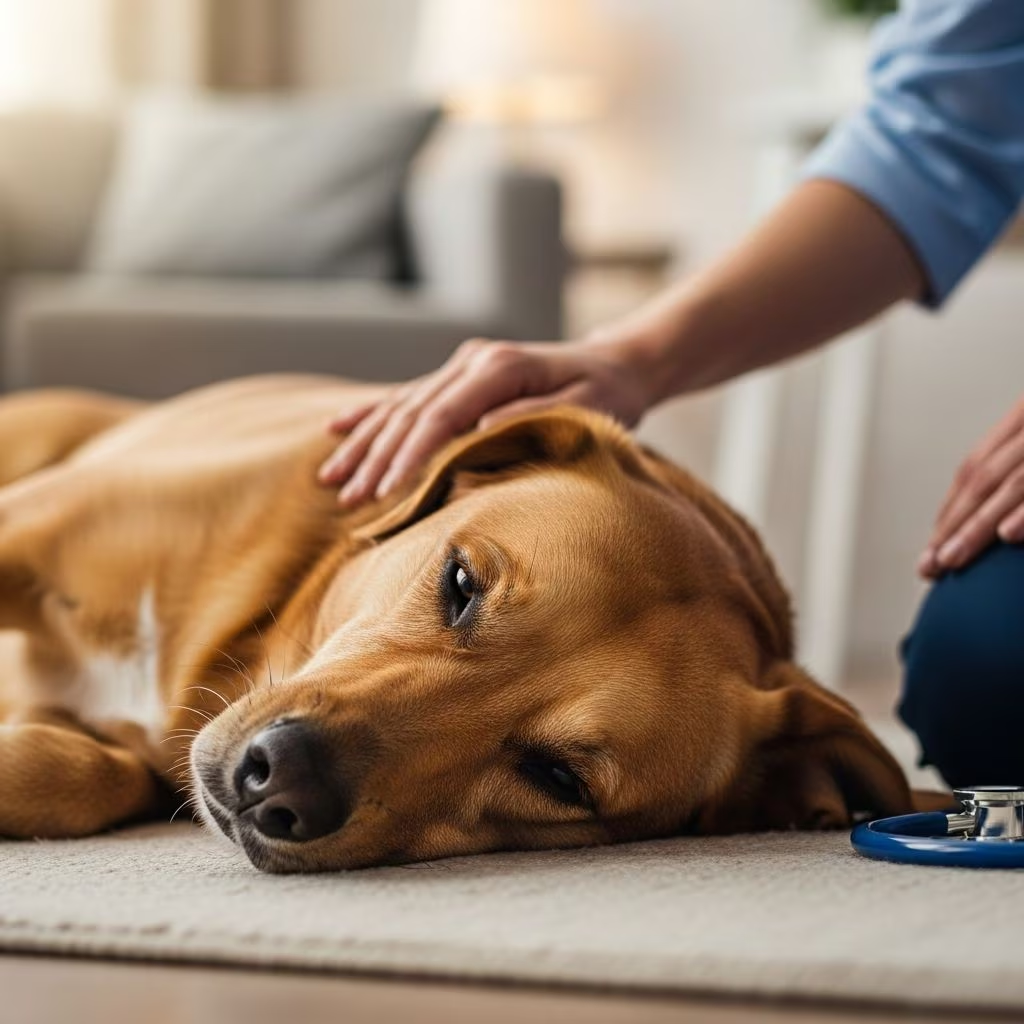
Syncope, commonly known as fainting, represents a sudden and temporary loss of consciousness in dogs due to insufficient blood flow or oxygen to the brain. This condition demands prompt attention as it often signals underlying health issues, primarily related to the heart or respiratory system.
Recognizing Syncope: Key Signs to Watch For
Dogs experiencing syncope typically collapse without warning, appearing limp or unresponsive for seconds to a minute before recovering. Owners may notice stiffness in the limbs, paddling motions, or unusual vocalizations just prior to the event. Unlike seizures, dogs do not lose bladder control or salivate excessively during true syncope.
- Sudden collapse: Dog falls over abruptly during activity or rest.
- Brief unconsciousness: Lasts 10-60 seconds, followed by quick recovery.
- No post-event confusion: Dogs resume normal behavior immediately after.
- Triggers: Often linked to excitement, exercise, coughing, or collar pressure.
Distinguishing syncope from seizures is crucial; seizures involve convulsions, drooling, and prolonged recovery, whereas syncope features a more passive collapse.
Primary Causes Behind Fainting Episodes
The root of syncope lies in transient reductions in cerebral blood flow, most frequently from cardiac origins. Approximately two-thirds of cases in dogs involve heart-related problems.
Cardiac-Related Triggers
Heart conditions dominate as the leading cause, disrupting the organ’s ability to pump blood efficiently. Arrhythmias, irregular heartbeats, reduce cardiac output, starving the brain of oxygen. Diseases like dilated cardiomyopathy, mitral valve issues, or congenital defects in younger dogs exacerbate this.
- Arrhythmias: Sudden rhythm changes halt effective pumping.
- Congestive heart failure: Weakened heart function limits circulation.
- Valve diseases: Improper blood flow through heart chambers.
Respiratory Contributors
Breathing difficulties prevent adequate oxygenation, prompting fainting during exertion. Conditions such as tracheal collapse, pulmonary hypertension, or brachycephalic airway syndrome (common in flat-faced breeds) restrict airflow.
Brachycephalic dogs like Bulldogs or Pugs are prone to “cough drop” syncope, where intense coughing spikes pressure around the heart, temporarily altering blood flow.
Other Contributing Factors
Non-cardiac issues include low blood sugar (hypoglycemia), anemia from blood loss or poor production, low blood pressure, or neurological glitches. Situational triggers like collar pulls stimulate the vagus nerve, causing bradycardia or hypotension. Metabolic imbalances or severe infections also play roles.
| Cause Category | Examples | Common Triggers |
|---|---|---|
| Cardiac | Arrhythmias, heart failure | Exercise, excitement |
| Respiratory | Tracheal collapse, pulmonary hypertension | Coughing, stress |
| Other | Anemia, hypoglycemia, vagal response | Collar pressure, defecation |
Diagnostic Approaches for Accurate Identification
Veterinarians employ a multi-step process to pinpoint syncope causes. A thorough history, noting episode frequency, duration, and triggers, guides initial assessments. Physical exams check heart rate, lung sounds, and mucous membrane color.
- Electrocardiogram (ECG): Detects arrhythmias or conduction abnormalities.
- Echocardiogram: Visualizes heart structure and function.
- Chest X-rays: Reveals lung or heart enlargement issues.
- Blood tests: Screens for anemia, electrolytes, or metabolic disorders.
- Holter monitoring: 24-48 hour ECG for intermittent problems.
Advanced imaging like CT scans or referrals to cardiologists may follow if initial tests are inconclusive.
Treatment Strategies Tailored to the Cause
Management focuses on resolving the underlying issue while minimizing episode risks. No universal cure exists; plans are customized.
Handling Cardiac Syncope
Anti-arrhythmic drugs like sotalol stabilize rhythms. ACE inhibitors such as enalapril regulate blood pressure, while pimobendan boosts heart contractility. Severe cases may require pacemaker implantation to maintain steady beats.
Managing Respiratory Syncope
Bronchodilators ease airway constriction, and oxygen therapy supports during crises. Surgery corrects tracheal collapses, and harnesses replace collars in at-risk breeds.
Addressing Non-Cardiac Factors
Treat anemia with supplements or parasite control. Stabilize blood sugar through diet. Avoid triggers via lifestyle tweaks.
- Switch to harnesses to prevent vagal stimulation.
- Limit excitement and overexertion.
- Medications for blood pressure or seizures if neurological.
Lifestyle Modifications for Prevention
Daily adjustments significantly reduce recurrence. Maintain ideal weight to lessen heart strain. Use harnesses, especially for brachycephalic breeds. Keep environments calm, avoiding smoke or poor ventilation that worsens coughing.
Regular vet check-ups monitor progress. Track episodes in a journal, noting triggers and durations for better management.
When to Seek Emergency Veterinary Care
Any fainting warrants a vet visit, but immediate action is needed if episodes cluster, last longer than a minute, or accompany breathing distress, pale gums, or weakness. These signal progressing disease.
Prognosis and Long-Term Outlook
With diagnosis and treatment, many dogs enjoy good quality of life. Cardiac cases vary by severity; early intervention improves outcomes. Respiratory management often yields quick relief. Untreated syncope risks injury from falls or sudden death.
FAQs on Canine Syncope
Is syncope the same as a seizure in dogs?
No, syncope involves brief, passive collapse without convulsions or prolonged recovery, unlike seizures.
Can diet help prevent fainting episodes?
Yes, balanced nutrition combats anemia or hypoglycemia, supporting overall cardiovascular health.
Are certain breeds more prone?
Yes, brachycephalic breeds like Pugs and older dogs with heart disease face higher risks.
How quickly does treatment work?
Improvements vary; medications may act in days, while surgery recovery takes weeks.
Can syncope resolve on its own?
Rarely; it typically indicates serious issues needing professional intervention.
References
- What is Syncope in Dogs: Diagnosing & Treating the Condition — Pawprint Oxygen. 2023. https://pawprintoxygen.com/blogs/healthy-paws/how-do-you-treat-syncope-in-dogs
- Causes and treatment for fainting in older dogs — Vetster. 2024. https://vetster.com/en/wellness/causes-and-treatment-for-fainting-in-older-dogs
- Syncope (Fainting) In Dogs — PetMD. 2024. https://www.petmd.com/dog/conditions/neurological/syncope-fainting-dogs
- Syncope (Fainting) in Dogs — VCA Animal Hospitals. 2024. https://vcahospitals.com/know-your-pet/syncope-fainting-in-dogs
- Syncope in Dogs: Diagnosing and Treatment — Veteris. 2023. https://veteris.co.uk/petcare-advice/syncope-in-dogs-diagnosing-and-treatment
- Diagnosis and treatment of syncope (Proceedings) — DVM360. 2022. https://www.dvm360.com/view/diagnosis-and-treatment-of-syncope-proceedings



