

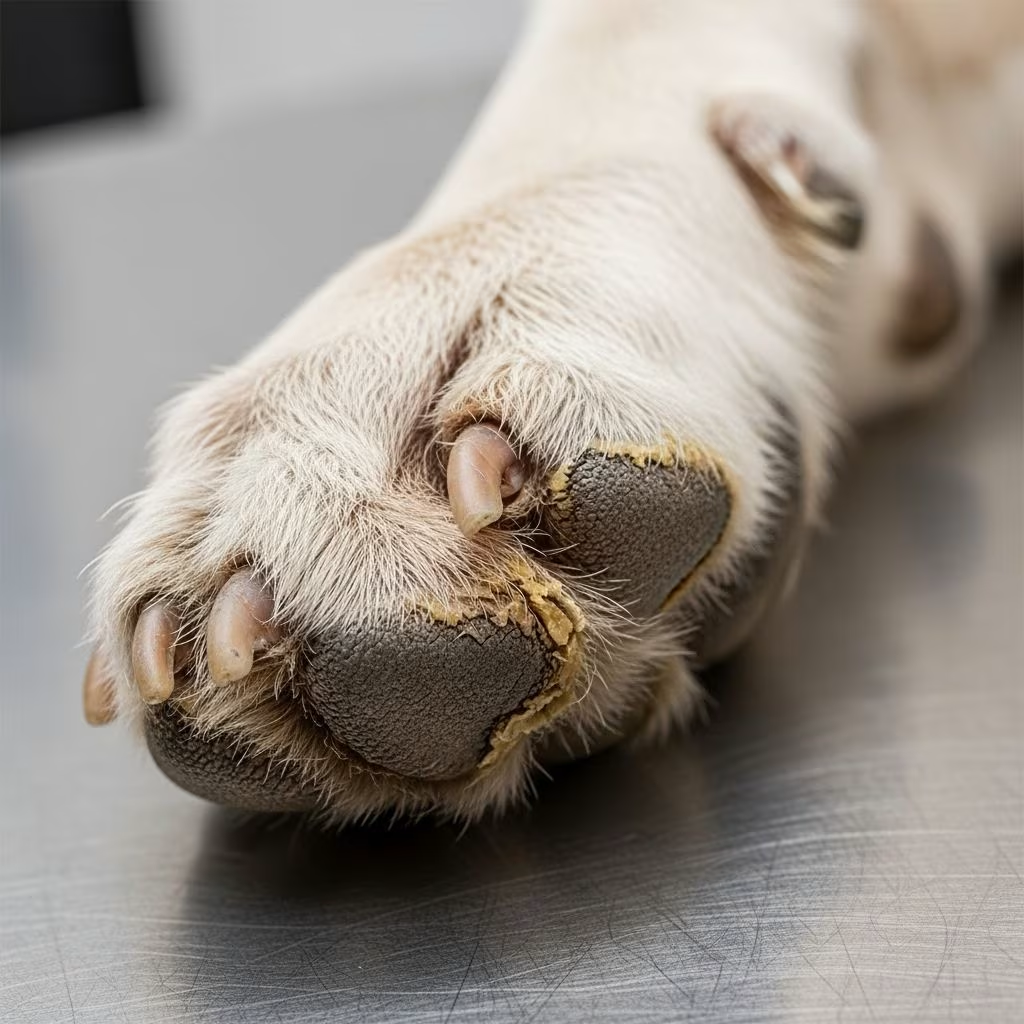
Hyperkeratosis in dogs is a common skin condition characterized by the excessive production of keratin, leading to thickened, hardened skin primarily on the paw pads and nose. This non-cancerous overgrowth can cause discomfort if unmanaged, but early recognition of symptoms allows for effective home and veterinary care.
What Is Hyperkeratosis in Dogs?
Hyperkeratosis occurs when keratinocytes, the cells responsible for producing keratin—a tough protective protein—overproduce, resulting in a thickened outer skin layer. In dogs, this most commonly affects the paw pads and nasal planum (nose surface), though it can appear on elbows, hocks, or ears in severe cases. While often seen in older dogs due to natural aging, it can signal underlying issues like infections or genetic predispositions.
The condition is more prevalent in breeds such as Irish Terriers, Labrador Retrievers, Dogues de Bordeaux, and Golden Retrievers, but any dog can develop it. Unlike in humans, canine hyperkeratosis is usually benign but requires monitoring to prevent cracks, infections, or pain.
Symptoms of Hyperkeratosis
Early symptoms are subtle but progress to noticeable changes. Key signs include:
- Thickened paw pads: Pads become rough, callus-like, and may develop a feathered or haired appearance from excess keratin fronds.
- Dry, cracked nose: The nose loses its typical moist, shiny look, turning dry, rough, and fissured, sometimes with crusting or depigmentation.
- Cracks and fissures: Deep splits in thickened skin, leading to bleeding, pain, or limping if on paws.
- Secondary infections: Redness, swelling, discharge, or odor from bacterial/fungal entry through cracks.
- Discomfort behaviors: Excessive licking, chewing, or reluctance to walk on affected paws.
In advanced stages, dogs may show lameness, hair-like projections, or ulcers. Pain levels vary; mild cases may be asymptomatic, while severe ones cause significant distress.
Causes of Hyperkeratosis in Dogs
Hyperkeratosis arises from multiple factors, often categorized as primary (idiopathic or hereditary) or secondary (disease-related). Understanding the cause guides treatment.
Primary Hyperkeratosis
- Idiopathic: No identifiable cause, common in senior dogs where skin naturally thickens at pressure points.
- Genetic: Inherited in breeds like Keeshonds or Irish Terriers, onset often in puppyhood or young adulthood.
Secondary Hyperkeratosis
Triggered by underlying conditions:
- Canine Distemper Virus (CDV): A contagious virus attacking skin cells, causing classic nose/paw hyperkeratosis among respiratory and neurological symptoms.
- Parasitic infections (Leishmaniasis): Sandfly-transmitted Leishmania parasite inflames skin, prompting excess keratin.
- Autoimmune diseases: Pemphigus foliaceus or lupus erythematosus where the immune system attacks skin.
- Zinc-responsive dermatosis: Nutritional deficiency leading to crusty paws/nose, treatable with supplements.
- Other: Hypothyroidism, osteoarthritis (altering gait/pressure), or pad trauma.
| Cause Type | Examples | Common Sites | Onset Age |
|---|---|---|---|
| Primary | Idiopathic, Genetic | Paws, Nose | Any, often senior |
| Secondary – Infectious | Distemper, Leishmaniasis | Paws, Nose | Young/Varies |
| Secondary – Autoimmune | Pemphigus, Lupus | Paws, Nose, Ears | Middle-aged |
Diagnosis of Hyperkeratosis
Veterinarians diagnose via physical exam, noting thickened skin and ruling out mimics like allergies or tumors. Tests include:
- Skin biopsies for histopathology.
- Bloodwork for distemper titers, zinc levels, or autoimmune markers.
- Fungal/bacterial cultures from cracks.
- Imaging or gait analysis for joint issues.
Early diagnosis prevents complications; consult a vet if pads thicken or nose cracks.
Treatment and Management
No cure exists, but management softens skin, relieves pain, and prevents infections. Tailor to cause and severity.
Home Care
- Moisturize: Apply emollients with urea, salicylic acid, propylene glycol, or vitamin E daily after soaking paws in warm water.
- Trim excess: Gently file or trim keratin (vet demo recommended); avoid cutting healthy tissue.
- Protect: Use booties on rough surfaces; clean cracks with antiseptic.
Veterinary Treatments
- Topicals: Keratolytics (break down keratin), antimicrobials for infections.
- Systemic: Antibiotics, antifungals, immunosuppressants for autoimmune cases; distemper supportive care.
- Address root cause: Vaccines prevent distemper; diet for zinc issues.
Regular vet check-ups monitor progress. Most dogs live comfortably with lifelong care.
Prevention Tips
- Vaccinate against distemper.
- Provide balanced diet with zinc.
- Inspect paws/nose weekly, especially in breeds prone to it.
- Maintain healthy weight to reduce pad pressure.
Frequently Asked Questions (FAQs)
Is hyperkeratosis painful for dogs?
Yes, cracks and fissures can cause pain, leading to limping or licking. Early management minimizes discomfort.
Can hyperkeratosis be cured?
No, but it’s manageable lifelong with topicals and care. Secondary cases may resolve if cause is treated.
What breeds are prone to hyperkeratosis?
Irish Terriers, Labradors, Golden Retrievers, Dogues de Bordeaux, and Keeshonds.
Should I trim my dog’s hyperkeratotic pads at home?
Only after vet guidance and softening; professional trimming prevents injury.
Does hyperkeratosis spread to other dogs?
No, unless caused by contagious distemper. It’s not directly transmissible.
When to See a Vet
Seek immediate care for bleeding cracks, limping, infection signs (pus, swelling), or sudden onset, as these may indicate systemic disease.
References
- Understanding Hyperkeratosis in Dogs: Causes, Symptoms, and Treatment Options — Revival Animal Health. 2023-2024. https://www.revivalanimal.com/learning-center/understanding-hyperkeratosis-in-dogs-causes-symptoms-and-treatment-options
- What Is Dog Paw Hyperkeratosis and How to Manage It — PetLab Co. 2024. https://thepetlabco.com/learn/dog/health-wellness/dog-paw-hyperkeratosis
- Hyperkeratosis In Dogs: Symptoms, Causes And Treatments — Kingsdale Animal Hospital. 2023. https://www.kingsdale.com/hyperkeratosis-in-dogs-symptoms-causes-and-treatments
- Hyperkeratosis in Dogs — PetMD. 2024-05-15. https://www.petmd.com/dog/conditions/skin/hyperkeratosis-dogs
- Canine hyperkeratosis: a skin disease to be kept under close watch — DermoScent. 2023. https://www.dermoscent.com/accueil/en/nos-conseils/canine-hyperkeratosis-a-skin-disease-to-be-kept-under-close-watch/



