

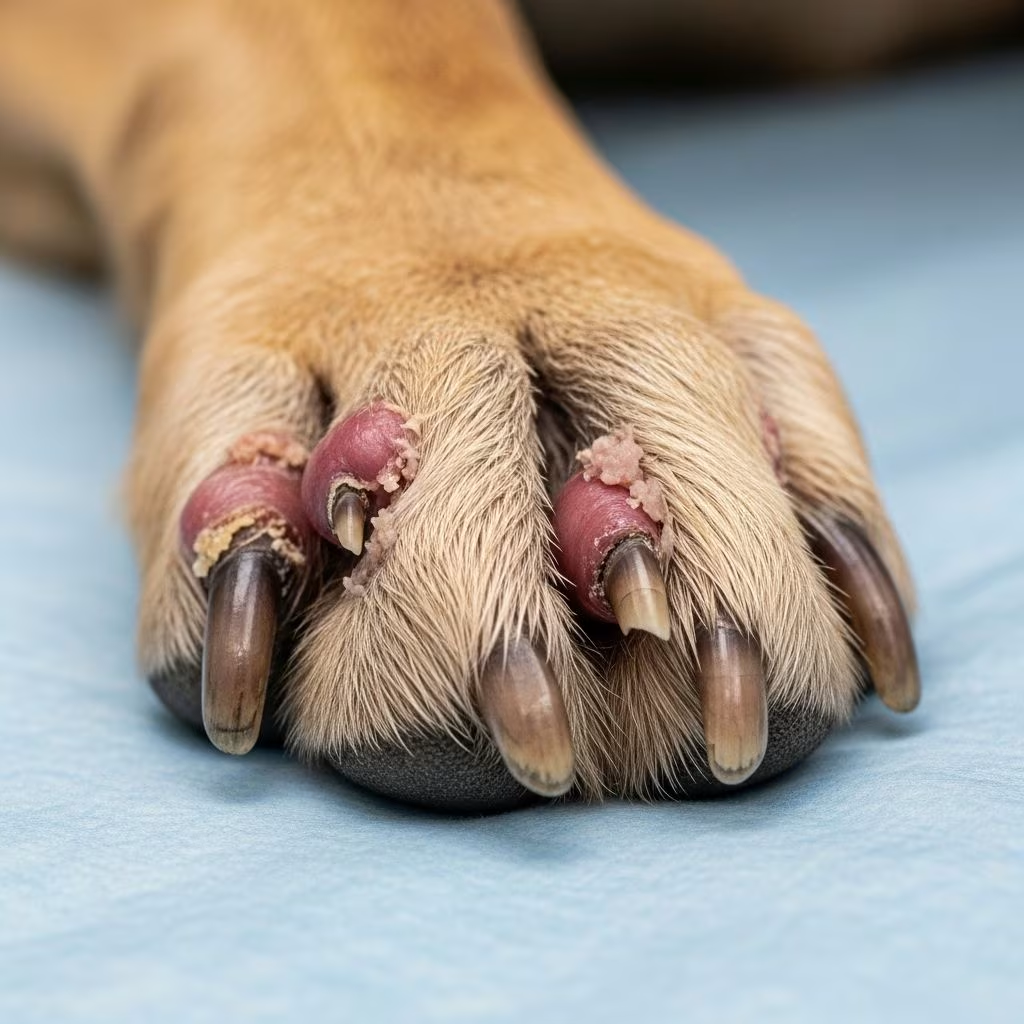
Understanding Symmetric Lupoid Onychodystrophy in Dogs
Symmetric lupoid onychodystrophy (SLO) is an autoimmune disease that affects the claws of dogs, representing one of the most common inflammatory conditions leading to abnormal claw development and eventual claw loss. This condition results from the dog’s immune system mistakenly attacking the cells responsible for claw formation, leading to progressive deterioration of the nail structure. Understanding this condition is essential for dog owners, as early recognition and intervention can significantly improve their pet’s comfort and quality of life.
What is Symmetric Lupoid Onychodystrophy?
Symmetric lupoid onychodystrophy is a chronic autoimmune disease that primarily affects the claws of both front and hind feet simultaneously, hence the term “symmetric.” The condition involves an inappropriate immune response directed against the claw bed and matrix, the structures responsible for healthy claw growth. Unlike bacterial or fungal infections that typically affect one or two claws, SLO affects multiple claws symmetrically across all four feet, creating a distinctive pattern that aids in diagnosis.
The exact cause of SLO remains not fully understood, though it is classified as a lupoid condition, suggesting similarities to systemic lupus erythematosus. The disease manifests as chronic inflammation within the nail bed, leading to structural changes and progressive claw deterioration over time.
Clinical Signs and Symptoms
Dogs affected by symmetric lupoid onychodystrophy present with a variety of clinical manifestations that prompt veterinary evaluation. Common presenting complaints include excessive licking and chewing of the paws, acute lameness, or suspected trauma causing claw loss. Owners often notice their dogs are uncomfortable walking or spending significant time grooming their feet.
Physical examination findings may reveal several characteristic nail abnormalities:
- Onychomadesis: Sloughing or shedding of the claws
- Onychorrhexis: Splitting of the claws into layers
- Onycholysis: Separation of the claw from the claw bed
- Trachyonychia: Roughened or ridged texture of the claws
- Inflammatory changes: Redness, swelling, or discharge around the claw folds
- Pain on palpation: Sensitivity when the area around the claws is gently pressed
The severity of clinical signs can vary considerably between individual dogs, with some experiencing mild discomfort while others suffer significant pain that affects their mobility and quality of life.
Diagnosis of SLO in Dogs
Symmetric lupoid onychodystrophy is primarily a clinical diagnosis supported by characteristic findings during physical examination and confirmatory tests. Veterinarians will evaluate the symmetrical distribution of claw abnormalities across all four feet, as this pattern is highly suggestive of SLO rather than localized trauma or infection.
Diagnostic testing helps rule out other conditions and confirm the diagnosis:
- Cytology: Examination of cells from claw exudate or the claw bed to identify secondary infections
- Culture: Bacterial or fungal culture of claw material to exclude infectious causes
- Histopathology: Biopsy of affected tissue may be performed in ambiguous cases
- Blood work: Complete blood count and chemistry panel to assess overall health and rule out systemic conditions
It is important to note that in most cases of SLO, diagnostic testing does not reveal an underlying etiology despite thorough investigation. Secondary bacterial or fungal infections may be present, contributing to pain and excessive licking behavior, making it essential to treat these concurrent conditions.
Treatment Options for Symmetric Lupoid Onychodystrophy
SLO can be successfully managed with medication, though some nails may remain malformed and easily breakable even with treatment. The goal of therapy is to suppress the inappropriate immune response, reduce inflammation, control pain, and promote healthy claw regrowth. It is important to understand that treatment effects may take up to three months to become apparent, and expectations must be adjusted accordingly since claws grow slowly.
First-Line Treatment Approaches
Tetracycline or Doxycycline with Niacinamide: One of the most common and well-tolerated treatment combinations for SLO is doxycycline (or tetracycline) paired with niacinamide, a B vitamin. This combination possesses immunomodulatory properties that help regulate the immune response without causing severe immunosuppression. In clinical studies, this combination therapy demonstrated excellent response in approximately one-third of treated dogs and partial response in another third. This treatment may be given for extended periods and then gradually weaned to the lowest effective maintenance dose.
Oral Fatty Acid Supplementation: Essential fatty acids, particularly eicosapentaenoic acid (EPA) and omega-3 fatty acids, serve as a cornerstone of treatment for many SLO cases. These supplements have anti-inflammatory properties and support healthy skin and nail tissue. Some veterinarians recommend diets naturally enhanced with omega-3 and omega-6 fatty acids for dogs reluctant to take oral supplements. A study comparing cyclosporine with essential fatty acid supplementation showed improvement in clinical signs in 13 of 14 dogs, with no significant difference between treatment groups.
Vitamin E Supplementation: Oral vitamin E provides antioxidant support and may enhance the effectiveness of other treatments when used in combination therapy.
Pentoxifylline: This medication improves blood circulation to the nail bed while decreasing inflammation, making it a useful adjunctive treatment option with variable results across different patients.
Secondary Treatment Options
Corticosteroids: Prednisone and other corticosteroids possess potent anti-inflammatory and immunosuppressive activity. Clinical reports indicate good to excellent responses in most treated dogs; however, corticosteroid therapy is associated with potential adverse effects. Treatment suspension due to side effects has been documented, and serious complications such as acute pancreatitis have occurred. Consequently, corticosteroids are recommended for refractory cases or short-term use only rather than as initial therapy.
Cyclosporine: This immunosuppressive medication, particularly the modified formulation (brand name Atopica), can be effective for SLO management. The typical dose ranges from 5-10 mg/kg daily, and medication should be stored in the freezer to minimize nausea. This option is considered for cases that do not respond adequately to first-line treatments.
Azathioprine: This immunosuppressive agent may be considered in severe or refractory cases, though it requires regular monitoring of complete blood count and liver enzymes every two weeks for at least two months due to potential adverse effects.
Supportive Care and Management
Pain Management: The most important factor in treating SLO is controlling pain. Nonsteroidal anti-inflammatory drugs (NSAIDs) combined with tramadol are typically effective for pain control, particularly in the early stages of disease. Reduced activity levels are essential until the disease is controlled to prevent inadvertent claw trauma.
Antibiotic Therapy: Antibiotics are prescribed to treat secondary bacterial infections of the claw bed and surrounding tissue, which commonly develop and contribute to pain and excessive licking. Cephalexin and other appropriate antibiotics based on culture results are commonly used.
Regular Nail Trimming: Frequent and regular nail trims are critically important in reducing painful nail breakage. Trimming removes loose or damaged portions of the claw and promotes more comfortable movement.
Paw Hygiene: Diligent paw hygiene, including regular soaking in diluted chlorhexidine solution when the dog tolerates it, helps manage secondary infections and reduce inflammation.
Severe and Refractory Cases
In severe, non-responsive, and painful cases that do not improve with medical management, more aggressive interventions may be considered. Onychectomy, the surgical removal of the toe tip including the last bone of the digit, may be recommended. This procedure is typically performed using a laser or scalpel blade and is not commonly done unless there is significant unmanageable pain and deformity of the nail bed. This invasive approach is reserved for cases that have proven truly refractory to all other treatment modalities.
Treatment Timeline and Prognosis
It is crucial for dog owners to understand that response to treatment is characteristically slow. Research has shown that healthy dog claws grow at a rate of approximately 0.7 to 2.1 millimeters per week, which means complete assessment of clinical response should not be rushed. Most dogs require six to twelve weeks for toenails to begin improving, with clinical improvement often not apparent until three to four months into treatment.
Adjustments to medications and dosing frequently occur during the initial treatment phase as veterinarians work to establish the most effective regimen for each individual patient. Once an effective treatment protocol is identified, it is typically continued for life or for extended periods, as discontinuation often results in disease recurrence.
As new claws grow, they may not return to completely normal appearance. A satisfactory response to therapy is defined as the presence of well-anchored claws with no signs of inflammation at the level of the claw bed and no pain on palpation around the claw folds. Overall prognosis once SLO is treated is good, but nails may continue to break easily and remain deformed even with successful therapy.
Long-Term Management and Maintenance
It is important to emphasize that symmetric lupoid onychodystrophy typically requires lifelong maintenance therapy. Once an effective treatment regimen is established, owners must continue all medications and supplements as prescribed by their veterinarian. Discontinuation of treatment without veterinary approval should be avoided, as relapse can occur rapidly even after extended periods of remission.
Treatments may be reduced or, in some cases, discontinued once the condition appears fully controlled, but this process must be undertaken gradually under veterinary supervision. Medications may be weaned to the lowest effective maintenance dose to minimize long-term medication exposure while maintaining disease control.
Many dogs are expected to achieve and maintain a good quality of life with appropriate management. Treatment is generally safe and well-tolerated, and given the good response to mild immunomodulation, aggressive immunosuppressive therapy is rarely warranted.
Frequently Asked Questions About Canine SLO
Q: What causes symmetric lupoid onychodystrophy in dogs?
A: SLO is an autoimmune disease in which the dog’s immune system mistakenly attacks the structures responsible for healthy claw formation. The exact underlying cause remains not fully understood, though it is classified as a lupoid condition.
Q: How long does it take to see improvement with SLO treatment?
A: Effects of treatment may take up to three months to become visible due to the slow growth rate of dog claws. Most dogs begin showing improvement after six to twelve weeks, though patience is necessary.
Q: Will my dog’s claws return to normal with treatment?
A: While treatment can control the disease and promote healthier claw growth, some nails may remain malformed and easily breakable. A satisfactory response includes well-anchored claws with no inflammation or pain, though they may not appear completely normal.
Q: Is SLO curable, or does my dog need lifelong treatment?
A: Symmetric lupoid onychodystrophy typically requires lifelong maintenance therapy. If treatment is discontinued, the disease usually recurs. However, medications may sometimes be reduced to the lowest effective dose once the condition is controlled.
Q: What is the best first-line treatment for SLO?
A: The combination of doxycycline or tetracycline with niacinamide is one of the most common and well-tolerated first-line treatments. Oral fatty acid supplementation, particularly omega-3 fatty acids, serves as a cornerstone of most treatment protocols.
Q: Are there any serious side effects from SLO treatments?
A: Most treatments are safe and well-tolerated. However, corticosteroids and some immunosuppressive medications can cause adverse effects. Discuss potential side effects with your veterinarian when beginning any new medication.
References
- Symmetric lupoid onychodystrophy — National Institutes of Health, National Center for Biotechnology Information. 2023. https://pmc.ncbi.nlm.nih.gov/articles/PMC10426235/
- Symmetric Lupoid Onychodystrophy in Dogs — VCA Animal Hospitals. https://vcahospitals.com/know-your-pet/symmetric-lupoid-onychodystrophy-in-dogs
- Lupoid Onychodystrophy in Dogs — PetMD. https://www.petmd.com/dog/conditions/immune/lupoid-onychodystrophy-dogs
- Symmetric Lupoid Onychodystrophy in Dogs: What to Know — MedVet. https://www.medvet.com/lupoid-onychodystrophy-in-dogs/
- A Pivotal Pedicure: Understanding SLO — DVM360. https://www.dvm360.com/view/pivotal-pedicure-understanding-slo
- Lupoid Onychodystrophy — Zoetis. https://www2.zoetis.ca/dermatology/lupoid-onychodystrophy



