

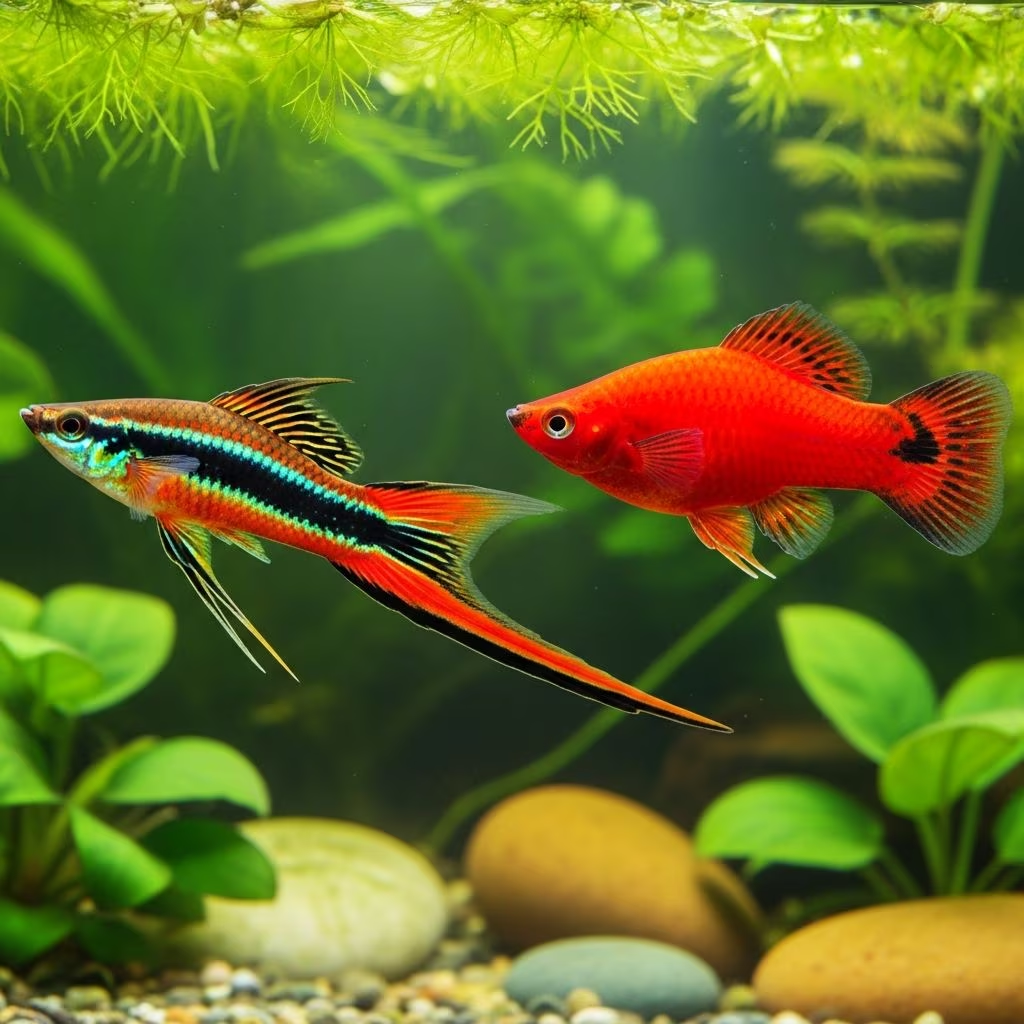
Demystifying The Varying Degrees Of Swordtails And Platies
For decades, aquarium enthusiasts have found themselves captivated by the vibrant colors and distinctive characteristics of swordtails and platies. These two species have become staples in the freshwater aquarium hobby, yet many hobbyists struggle to differentiate between them. The confusion is understandable—these fish share a common ancestry, belong to the same genus, and have been extensively hybridized throughout aquarium culture history. Understanding the nuances between these two popular livebearers is essential for anyone serious about maintaining a thriving aquarium.
The Hybridization Legacy
One of the most significant factors contributing to the difficulty in distinguishing swordtails from platies is the extensive hybridization that has occurred over nearly 100 years. Beginning in the early and mid-1900s, breeders deliberately crossed these species to create new color variations and body shapes. These early hybridizations were fundamental in determining the nature of the fish we see in aquarium stores today. The sunset or variatus platy provides another example, with hybridizations reported between it and both the swordtail and southern platy, as well as other species including the Monterrey platy (X. couchianus) and swordtail platy (X. xiphidium). This extensive breeding history means that many fish sold today are hybrids rather than pure species, making identification even more challenging.
Biological Classification And Taxonomy
Both swordtails and platies belong to the genus Xiphophorus within the subfamily Poeciliinae of the family Poeciliidae. This family also includes popular aquarium fish such as guppies and mollies. The two most well-known pure platy species are the common platy or moonfish (X. maculatus) and the sunset, variegated, or variatus platy (X. variatus). The most familiar swordtail species is the green swordtail (X. hellerii). However, the shared genetic background and extensive hybridization history have created significant overlap in physical characteristics between the species.
The Problem of Body Shape
Body shape alone cannot serve as a reliable identifying characteristic. Some platies appear far more elongated than their typical stumpy form would suggest, and certain specimens may even resemble swordless swordtails. Conversely, some swordtails display surprisingly compact body shapes. Xiphophorus maculatus is distinguished from X. variatus by its stumpy body, while X. variatus displays a more swordtail-shaped body structure, though lacking the characteristic sword. This morphological overlap makes purely visual identification problematic without additional information about the specimen’s lineage.
Identifying Platies Versus Swordtails
The most reliable method for distinguishing these species is examining the presence or absence of a sword on male fish. In male swordtails, the lower lobe of the caudal fin extends into a distinctive sword-like appendage. However, this rule has notable exceptions. Several species commonly referred to as platies actually possess swords, albeit shorter ones. These include Xiphophorus ‘Kosszanderi’, which is shaped overall like an X. maculatus platy but displays males with a distinct, though short, sword. The spiketail or swordtail platy (X. xiphidium) and Anderson’s platy (X. andersi) demonstrate similar characteristics.
Conversely, certain species classified as swordtails lack a sword entirely or possess only a very short one. These include the sheepshead swordtail (Xiphophorus birchmanni) and El Quince swordtail. In some cases, the sword on these species may be shorter than those found on certain platies, further complicating identification. The confusion extends so far that some species are referred to interchangeably as both swordtails and platies in aquarium literature and databases.
Physical Characteristics Beyond The Sword
Apart from the sword, swordtails generally display a more elongated body shape compared to platies, which tend to be shorter and more compact. Female swordtails may exhibit a slightly longer dorsal fin than their platy counterparts. The overall body width also differs, with platies presenting a broader width between the stomach and dorsal fin, while swordtails maintain a more streamlined profile. Additionally, there may be subtle differences in the sloping of the head between the two species, though these distinctions require careful observation and experience to recognize.
Swordtail Species And Characteristics
The green swordtail (X. hellerii) represents the most well-known swordtail species in the aquarium hobby. Males develop a beautiful, elongated sword that extends from the lower portion of their tail fin. These fish exhibit remarkable size variation, with females generally larger than males, capable of reaching approximately 6.3 inches in spacious aquaria. Males, excluding the sword extension, can grow to about 5.5 inches in length.
Water and Environmental Requirements
Swordtails thrive in slightly alkaline, medium-hard water conditions. While they can tolerate a range of water parameters, extremes of softness or acidity should be avoided. The ideal temperature range falls between 71.5 to 82 degrees Fahrenheit. These fish demonstrate considerable adaptability to various aquarium conditions, making them suitable for both experienced and novice aquarists.
Dietary Needs
Swordtails are omnivorous and will accept a wide variety of foods. A balanced diet should include both animal-based and plant-based components to ensure optimal health and color development. High-quality flake foods, pellets, frozen foods, and live foods all contribute to a nutritionally complete diet.
Hybridization Tendencies
The swordtail hybridizes readily with its close relatives, particularly the common platy (X. maculatus) and the variatus platy (X. variatus). This hybridization has occurred so frequently and in so many combinations that many commercially available swordtails today are not pure X. hellerii specimens. This fact alone explains much of the variation and confusion in identifying contemporary swordtails.
Platy Species And Characteristics
Platies encompass several distinct species, with X. maculatus and X. variatus representing the most commonly encountered pure forms in aquariums. X. maculatus is characterized by its stumpy body configuration, while X. variatus exhibits a more elongated shape that approaches that of swordtails, though without the sword extension.
Size Specifications
Cultivated platy forms typically exceed wild-caught specimens in size, with females measuring approximately 2.4 inches and males 1.6 inches. Both sexes can grow slightly larger depending on genetic makeup and aquarium conditions. Overall, platies remain substantially smaller than swordtails, making size a useful distinguishing factor when identifying fish of known pure lineage.
Water and Environmental Preferences
Platies prefer natural or slightly alkaline water conditions at temperatures between 64.5 to 77 degrees Fahrenheit. While some deviation from these parameters will be tolerated, consistency within this range promotes optimal health and color expression. Many platy species demonstrate greater tolerance for varied water conditions compared to swordtails, making them excellent choices for beginners.
Dietary Requirements
Like swordtails, platies are omnivorous and accept a wide range of fish foods. A vegetable component should be included in their diet to maintain health and enhance coloration. The variatus platy species demonstrates particular tolerance for varied conditions and remains a favored choice among beginning aquarists.
Color Variations And Morphs
Both swordtails and platies display remarkable color diversity through selective breeding. Common platy color patterns and variations include:
– Blue: Bluish-tinged body with blue marking on each shoulder- Comet: Some individuals display black upper and lower edges on the caudal fin- Crescent: Black crescent markings at the base of the caudal fin- Moon: Full moon black markings at the base of the caudal fin
These color variations have been developed through careful selective breeding and hybridization programs. Understanding these patterns can provide additional clues for species identification, though color alone remains an unreliable distinguishing factor without considering other characteristics.
Practical Identification Guide
| Characteristic | Swordtails | Platies |
|---|---|---|
| Male Sword | Present in most species (though variable) | Absent in most species |
| Body Shape | Elongated and streamlined | Compact and stumpy (variable) |
| Maximum Size | 5-6+ inches | 2-3 inches |
| Water Temperature | 71.5-82°F | 64.5-77°F |
| Water Hardness | Medium-hard preferred | Tolerates wider range |
| Aggression Level | More aggressive | Less aggressive |
Behavioral Differences In The Aquarium
Despite their taxonomic closeness, swordtails and platies exhibit distinct behavioral patterns. Swordtails tend to display more aggressive tendencies compared to platies, particularly males interacting with one another and other tank inhabitants. This increased activity and aggression can create more dynamic but potentially more chaotic community aquarium environments. Platies, by contrast, maintain generally peaceful dispositions, making them more suitable for community tanks with sensitive or passive species.
The behavioral differences become particularly pronounced in breeding situations or when tank space becomes limited. Males of both species establish territories and compete for female attention, but swordtail males typically pursue females with greater intensity and persistence than platy males.
Reproduction And Breeding Considerations
Both swordtails and platies are livebearers, meaning females give birth to fully formed, free-swimming young rather than laying eggs. This reproductive strategy makes breeding accessible to hobbyists of all experience levels. Males of both species possess a modified anal fin called the gonopodium, which serves as a reproductive organ. The gestation period for both species spans approximately 30 days, after which females produce numerous fry.
The easy interbreeding between these species creates potential complications in community aquariums. If both swordtails and platies are maintained together without careful management of male-to-female ratios, hybridization becomes nearly inevitable. This results in offspring with intermediate characteristics, further contributing to the confusion surrounding species identification.
An important consideration for swordtail keepers involves fry survival rates. Swordtails demonstrate a greater tendency to consume their own fry compared to platies. Platy fry survival rates remain higher when left in community aquariums, though raising fry separately in dedicated tanks guarantees superior growth and survival outcomes for both species.
Selecting The Right Species For Your Aquarium
Choosing between swordtails and platies depends on multiple factors including tank size, desired temperament, and aesthetic preferences. Platies better suit smaller aquarium setups and community tanks with sensitive species due to their compact size and peaceful nature. Their greater tolerance for varied water conditions makes them ideal for beginners establishing their first planted or community aquariums.
Swordtails require larger tanks to accommodate their greater size and more active swimming patterns. The distinctive sword on males provides striking visual appeal that many aquarists find irresistible, justifying the additional space and attention they demand. For experienced hobbyists with appropriately sized tanks, swordtails offer rewarding observations of natural behaviors and competitive interactions.
Common Questions About Swordtails And Platies
Q: Can swordtails and platies breed together?
A: Yes, these species readily hybridize due to their shared genus. In fact, many commercially available swordtails contain platy genetics from previous hybridization programs. Keeping these species together without careful management of sex ratios typically results in hybridization.
Q: How can I identify a pure swordtail or platy?
A: The presence of a sword on males provides the most reliable indicator, though exceptions exist. Purchasing from reputable breeders who maintain pure lines and consulting with experienced aquarists helps ensure you obtain genuine specimens. Size and body shape offer secondary clues when combined with other characteristics.
Q: Which species is better for a beginner?
A: Platies generally suit beginners better due to their smaller size, peaceful temperament, and greater tolerance for varied water conditions. The variatus platy particularly excels in forgiving conditions while maintaining beautiful coloration.
Q: Do swordtails and platies require different tank setups?
A: While both require clean, well-maintained aquariums with adequate filtration, swordtails need larger tanks due to their greater size and activity levels. Platies thrive in smaller community setups that would be insufficient for swordtails.
Q: How long do these fish live?
A: With proper care, both swordtails and platies typically live 3-4 years or longer, making them reliable long-term aquarium inhabitants.
References
- Fish Faceoff: Swordtail v. Platy — YouTube. Accessed 2025-11-28. https://www.youtube.com/watch?v=g-COPY5YYHw
- Demystifying The Varying Degrees Of Swordtails And Platies — Chewy Education. 2025. https://www.chewy.com/education/fish/freshwater-fish/demystifying-the-varying-degrees-of-swordtails-and-platies
- Difference between a female platy and a female swordtail — Aquaria Central Forums. 2025. https://www.aquariacentral.com/forums/threads/difference-between-a-female-platy-and-a-female-swordtail.243631/
- Platy Fish and Swordtail facts: size matters! — Animal Fact Files. Accessed 2025-11-28. https://www.youtube.com/watch?v=-zmJQqmyvbA
- Swordtail vs Platy: Meaning And Differences — The Content Authority. 2025. https://thecontentauthority.com/blog/swordtail-vs-platy



