

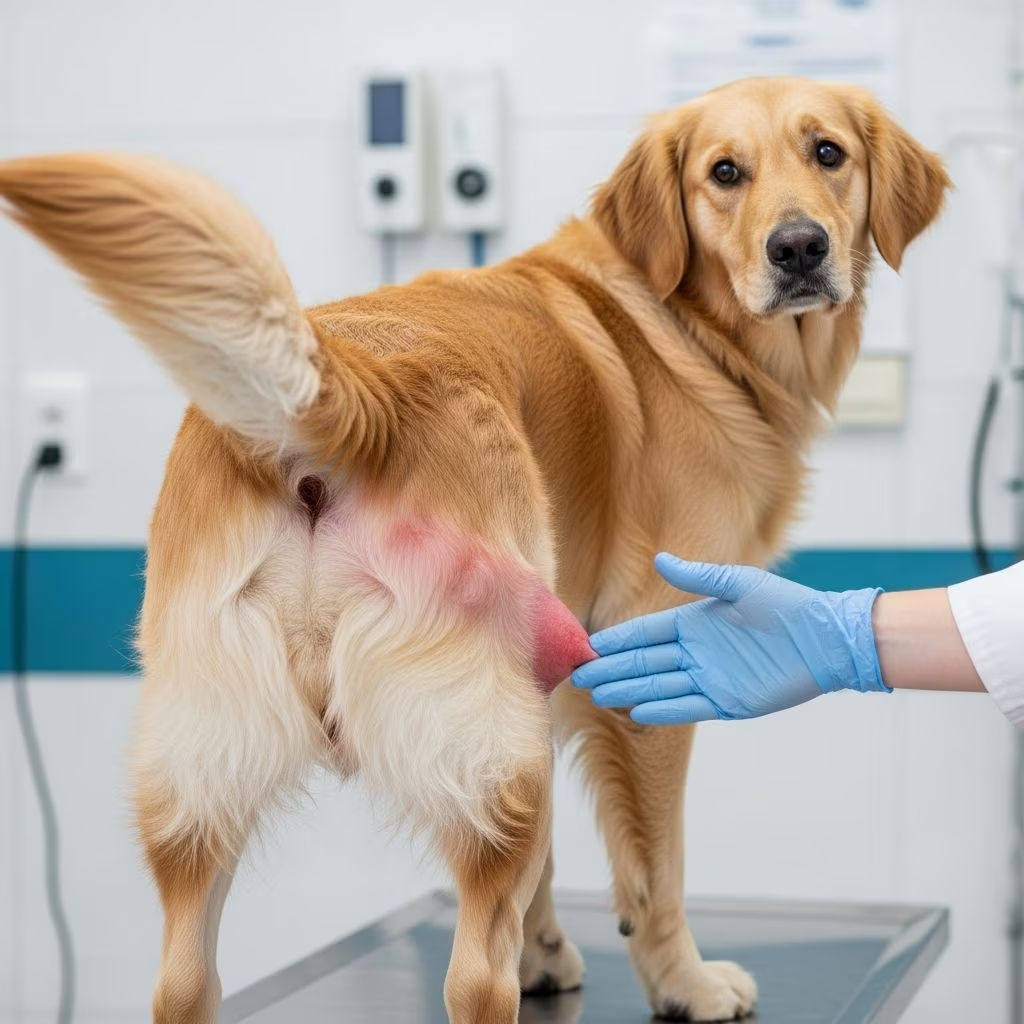
Female dogs can experience vulvar swelling due to a range of factors, from natural reproductive processes to underlying health issues requiring prompt veterinary attention. Recognizing the difference between benign and problematic swelling ensures timely care to prevent complications like chronic infections or discomfort.
Understanding Normal vs. Abnormal Swelling
In intact female dogs, vulvar swelling often occurs naturally during the estrus cycle, commonly known as being in heat. This phase typically lasts three to four weeks, with the vulva becoming enlarged and reddened to signal fertility. Such swelling is expected and usually resolves without intervention once the cycle ends.
However, swelling outside of heat cycles, especially in spayed dogs or puppies, signals potential problems. Persistent or sudden swelling accompanied by discharge, excessive licking, or behavioral changes warrants a vet visit to rule out infections or structural issues.
Primary Causes of Vulvar Swelling
Several conditions can lead to inflammation and enlargement of the vulva. These range from infectious agents to anatomical factors.
Vaginitis: Inflammation of the Vagina
Vaginitis is a frequent culprit, involving vaginal inflammation that extends to the vulva. It commonly affects puppies before their first heat, often resolving post-puberty, but can occur in dogs of any age. Bacterial culprits like Escherichia coli, Streptococcus, and Staphylococcus disrupt vaginal pH, leading to irritation. Fungal infections, such as Candida albicans, and viral ones like canine herpesvirus also contribute, particularly in immunocompromised dogs.
Puppy vaginitis presents with clear or mucoid discharge and mild swelling, typically self-limiting but monitorable for secondary infections.
Infections Beyond Vaginitis
Urinary tract infections (UTIs) frequently coexist with vaginitis, as bacteria ascend from the bladder, causing swelling, straining to urinate, and foul discharge. Yeast overgrowth, hormonal imbalances from low estrogen or medications, and contamination from feces or urine exacerbate the issue.
Anatomical and Structural Issues
Breeds with recessed vulvas or excessive skin folds, like Bulldogs, trap moisture and debris, fostering bacterial growth. Congenital defects, such as ectopic ureters, lead to constant urine dribbling and irritation. Foreign bodies like grass seeds can lodge in the vagina, prompting inflammation.
Hormonal and Reproductive Factors
Besides heat, vaginal hyperplasia causes dramatic “ballooning” of tissues during estrus, more common in brachycephalic breeds. This requires monitoring for urination difficulties. Tumors or cysts, though rare, can mimic swelling and demand imaging for confirmation.
Allergies, Trauma, and Irritants
Atopic dermatitis or contact with irritants like chemicals causes localized itching and swelling, often with bum-scooting. Trauma from mating, fights, or foreign objects adds to the list.
Recognizing Key Symptoms
Swelling rarely occurs alone. Watch for these signs:
- Vaginal discharge: Clear, bloody, cloudy, or foul-smelling indicates infection or heat.
- Excessive licking: Dogs clean excessively due to itch or discomfort.
- Frequent urination or straining: Linked to UTIs or inflammation.
- Behavioral shifts: Irritability, lethargy, or whining during elimination.
- Skin changes: Redness, crusting around vulva, or protruding tissue.
A table summarizing symptoms by cause:
| Cause | Main Symptoms | Common in |
|---|---|---|
| Heat Cycle | Swelling, bloody discharge, no discomfort | Intact adults |
| Vaginitis | Discharge, licking, redness | Puppies, all ages |
| UTI | Straining, frequent urination, swelling | Females generally |
| Allergies | Itching, redness, scooting | Atopic dogs |
| Hyperplasia | Massive swelling, protrusion | Brachycephalic in heat |
When to Seek Veterinary Help
Consult a vet if swelling persists beyond heat, includes foul discharge, blood outside estrus, urination issues, or prolapse-like protrusion. Emergency care is needed for inability to urinate or severe prolapse.
Diagnostic Approaches
Vets perform physical exams, cytology of discharge, urine analysis, and cultures to identify bacteria or yeast. Imaging like ultrasound detects tumors or anatomical defects. Bloodwork rules out diabetes or Cushing’s.
Treatment Strategies
Tailored to the cause:
- Hygiene first: Gentle cleaning with saline; Epsom soaks for mild cases.
- Antibiotics/Antifungals: For bacterial or yeast infections.
- Hormonal therapy: Estrogen creams for atrophic cases.
- Surgery: Vulvoplasty for recessed vulvas or foreign body removal.
- Supportive care: Proin for incontinence.
Most cases resolve with treatment, but untreated infections risk pyometra or chronic issues.
Prevention Tips for Owners
Maintain hygiene by keeping rear fur trimmed, especially in long-haired breeds. Monitor heat cycles, spay post-first heat if not breeding, and address obesity or mobility issues promptly. Regular vet checkups catch early signs.
Frequently Asked Questions (FAQs)
Is vulvar swelling normal in spayed dogs?
No, it often indicates infection, incontinence, or tumors; vet evaluation is essential.
How long does puppy vaginitis last?
Usually until first heat, but monitor for complications.
Can diet cause vulvar swelling?
Indirectly, via allergies or obesity hindering cleaning.
Is home treatment safe?
Mild hygiene helps, but antibiotics require prescription to avoid resistance.
Does spaying prevent all issues?
It eliminates heat-related swelling but not infections or anatomical problems.
Long-Term Management and Prognosis
With proper care, most dogs recover fully. Recurring cases may need lifelong hygiene or surgery. Early intervention prevents escalation to uterine infections or neoplasia.
References
- Vaginitis in Dogs: Causes, Symptoms, and Treatment — PetCareRx. 2023. https://www.petcarerx.com/article/vaginitis-in-dogs-causes-symptoms-and-treatment/6632
- Vaginal Inflammation (Vaginitis) in Dogs — Vetster. 2024. https://vetster.com/en/conditions/dog/vaginal-inflammation
- Why Is My Dog’s Vulva Swollen? — Whole Dog Journal. 2023-05-01. https://www.whole-dog-journal.com/health/why-is-my-dogs-vulva-swollen/
- Swollen Vulva in Dogs: Causes and Treatment — Veteris. 2024. https://veteris.co.uk/petcare-advice/swollen-vulva-in-dogs-causes-and-treatment
- Vaginitis in Dogs: Signs, Causes, and Treatment — PetMD. 2024-01-15. https://www.petmd.com/dog/conditions/reproductive/c_dg_vaginitis
- Vaginitis in Dogs: Causes, Symptoms and Treatment Options — CareCredit. 2023. https://www.carecredit.com/well-u/pet-care/vaginitis-in-dogs/



