

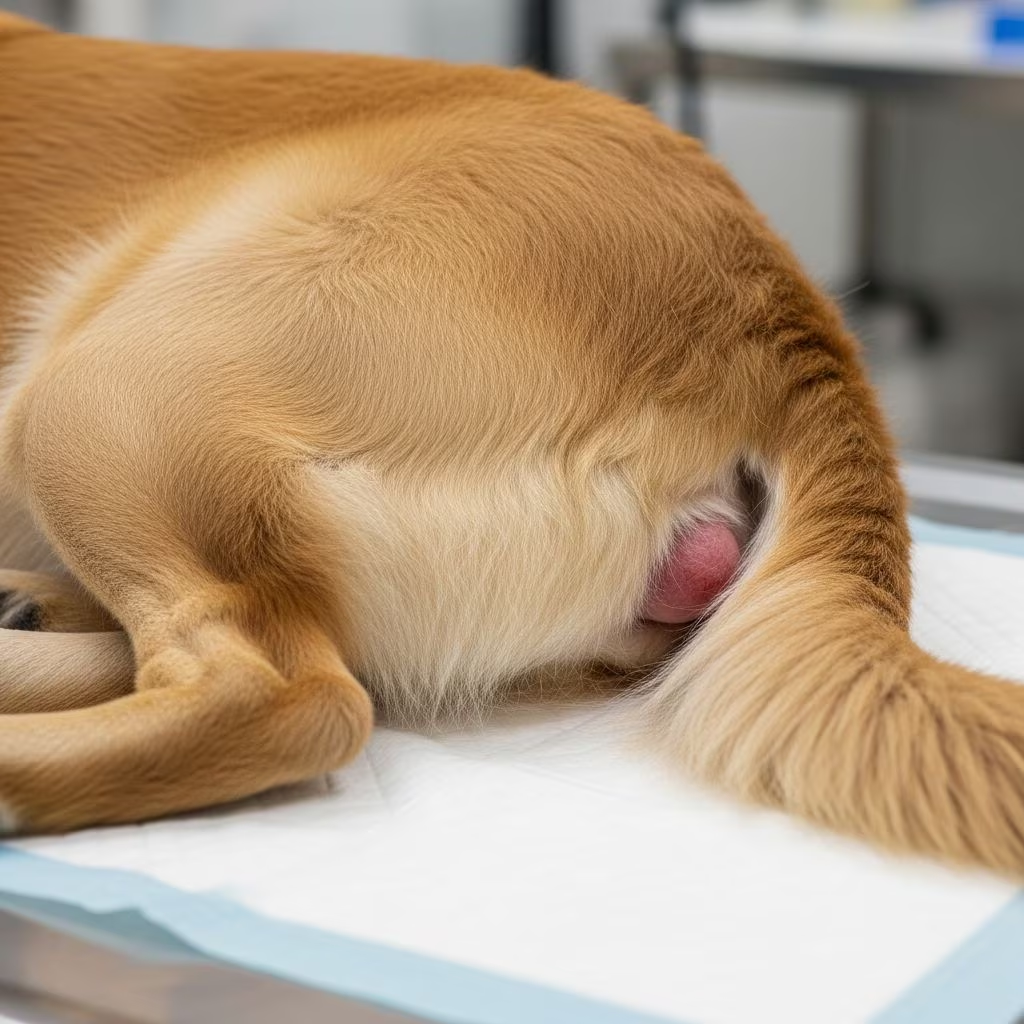
A swollen vulva in female dogs can alarm owners, but it often signals either a natural process or a treatable condition. Understanding the underlying reasons helps ensure timely care and prevents complications.
Recognizing Normal vs. Abnormal Swelling
In intact females, vulvar swelling frequently occurs during the estrus phase, known as heat, where estrogen triggers tissue expansion for up to three weeks. This is typically symmetrical, accompanied by clear or bloody discharge, and attracts males. Spayed dogs or swelling outside heat cycles, however, warrants investigation, as it may indicate irritation, infection, or structural problems.
Key distinctions include the swelling’s persistence, color (redness suggests inflammation), and associated behaviors like excessive licking or straining.
Primary Causes of Vulvar Swelling
Several factors contribute to this issue, ranging from physiological to pathological. Here’s a breakdown:
- Estrogen-Driven Heat Cycle: Common in unspayed dogs, causing outward tissue protrusion and discharge.
- Vaginitis: Inflammation from bacterial overgrowth, often in puppies or due to poor hygiene, leading to discharge and tenderness.
- Infections: Bacterial (e.g., Brucellosis), viral (e.g., herpesvirus), or fungal, thriving in moist areas.
- Anatomical Issues: Recessed vulva, skin folds, or hooded structures trap moisture and debris, promoting irritation.
- Urinary Problems: Incontinence or ectopic ureters cause urine pooling, fostering bacterial growth.
Less common culprits include tumors, trauma from mating or foreign bodies, allergies, or labor preparation in pregnant dogs.
Symptoms to Monitor Closely
Beyond visible swelling, watch for:
- Vaginal discharge: Clear, mucoid, pus-like, or bloody.
- Excessive licking or scooting: Indicates discomfort.
- Urinary changes: Frequent attempts, straining, or incontinence.
- Behavioral shifts: Lethargy, irritability, or attraction of males.
- Local signs: Redness, heat, or protruding tissue (possible prolapse).
Mild cases may show no systemic illness, but persistent symptoms demand veterinary attention to rule out serious issues like neoplasia.
Diagnostic Approaches by Veterinarians
Vets start with a history and physical exam, focusing on the vulva’s appearance and discharge cytology. Useful tests include:
| Test | Purpose | Key Findings |
|---|---|---|
| Urine Analysis | Detect UTIs or incontinence | Bacteria, crystals, or abnormal pH |
| Vaginal Swab | Identify pathogens | Bacteria, yeast, or cells indicating inflammation |
| Imaging (Ultrasound/X-ray) | Check for masses or anomalies | Tumors, foreign bodies, or structural defects |
| Bloodwork | Assess systemic disease | Hormone levels or infection markers |
For anatomical confirmation, vaginoscopy visualizes internal structures. Early diagnosis improves outcomes, especially in recurrent cases.
Treatment Options Tailored to the Cause
Treatment targets the root issue:
- For Heat Cycle: Supportive care; spaying prevents recurrence.
- Vaginitis/Infections: Antibiotics (e.g., for bacteria), antifungals, or antiseptics; clean the area gently.
- Incontinence: Medications like phenylpropanolamine (Proin) or hormone therapy.
- Anatomical Corrections: Surgery for recessed vulva (episioplasty) or fold removal.
- Tumors or Prolapse: Surgical excision, potentially with spaying.
Home care includes e-collars to prevent licking, medicated wipes, and probiotics for gut/vaginal flora balance. Avoid over-the-counter creams without vet approval.
Prevention Strategies for Long-Term Health
Proactive measures reduce risks:
- Maintain hygiene: Regular baths, dry vulva after urination.
- Spay early: Eliminates heat cycles and lowers infection odds.
- Monitor weight: Reduces skin folds in obese dogs.
- Control incontinence: Prompt treatment prevents secondary vaginitis.
- Regular check-ups: Catch anatomical issues young.
For breeds prone to recessed vulvas (e.g., Bulldogs, Spaniels), routine exams are crucial.
When to Seek Immediate Veterinary Help
Rush to the vet if you notice:
- Pus-filled or foul discharge.
- Protruding tissue or severe pain.
- Fever, vomiting, or appetite loss.
- Swelling post-trauma or breeding.
- Persistent symptoms despite home care.
Prompt intervention prevents spread to the uterus or urinary tract.
Frequently Asked Questions (FAQs)
Can spayed dogs get vulvar swelling?
Yes, due to infections, incontinence, or allergies, though less common than in intact dogs.
Is vulvar swelling during heat dangerous?
Usually not, but monitor for prolonged discharge or male attraction leading to unwanted breeding.
How long does vaginitis treatment take?
Typically 1-2 weeks with antibiotics, but follow-up ensures resolution.
Can I treat it at home?
Mild cases may improve with cleaning, but diagnostics are essential for antibiotics or surgery.
Does diet affect vulvar health?
Obesity worsens folds; balanced nutrition supports immunity against infections.
Understanding Breed Predispositions
Certain breeds face higher risks due to conformation. brachycephalic types like Pugs often have recessed vulvas, trapping debris. Droopy-skinned breeds (Bloodhounds) accumulate fecal matter. Awareness aids prevention.
In puppies, prepubertal vaginitis is frequent from immature tissues; it often resolves post-first heat or with cleaning.
Holistic and Supportive Therapies
Complement vet care with:
- Probiotics: Restore vaginal microbiome.
- Herbal rinses: Chamomile for soothing (vet-approved).
- Epsom soaks: Reduce mild swelling.
- Weight management: Improves airflow.
Always prioritize professional guidance over home remedies.
This comprehensive guide empowers owners to safeguard their dogs’ reproductive health. Regular vigilance and vet partnerships ensure happy, healthy pets.
References
- Vaginitis in Dogs: Causes, Symptoms, and Treatment — PetCareRx. 2023. https://www.petcarerx.com/article/vaginitis-in-dogs-causes-symptoms-and-treatment/6632
- Why does my dog have swelling of her vulva? — WagWalking. 2024. https://wagwalking.com/symptom/why-is-my-dog-swelling-in-the-vaginal-area
- Vaginal Inflammation (Vaginitis) in Dogs — Vetster. 2023. https://vetster.com/en/conditions/dog/vaginal-inflammation
- Vaginitis in Dogs: Causes, Symptoms and Treatment Options — CareCredit. 2024. https://www.carecredit.com/well-u/pet-care/vaginitis-in-dogs/
- Why Is My Dog’s Vulva Swollen? — Whole Dog Journal. 2023. https://www.whole-dog-journal.com/health/why-is-my-dogs-vulva-swollen/
- Vaginitis In Dogs: Causes, Symptoms, And Treatment — Four Leaf Rover. 2024. https://fourleafrover.com/blogs/natural-health/vaginitis-in-dogs-causes-symptoms-and-treatment
- Vaginitis in Dogs: Symptoms, Causes, and Treatment — ToeGrips. 2023. https://toegrips.com/vaginitis-in-dogs/
- Vaginitis in Dogs — VCA Animal Hospitals. 2024. https://vcahospitals.com/know-your-pet/vaginitis-in-dogs



