
Swollen Paws in Cats: Symptoms, Causes, and Treatment
Complete guide to understanding and treating swollen paws in cats with expert veterinary insights.
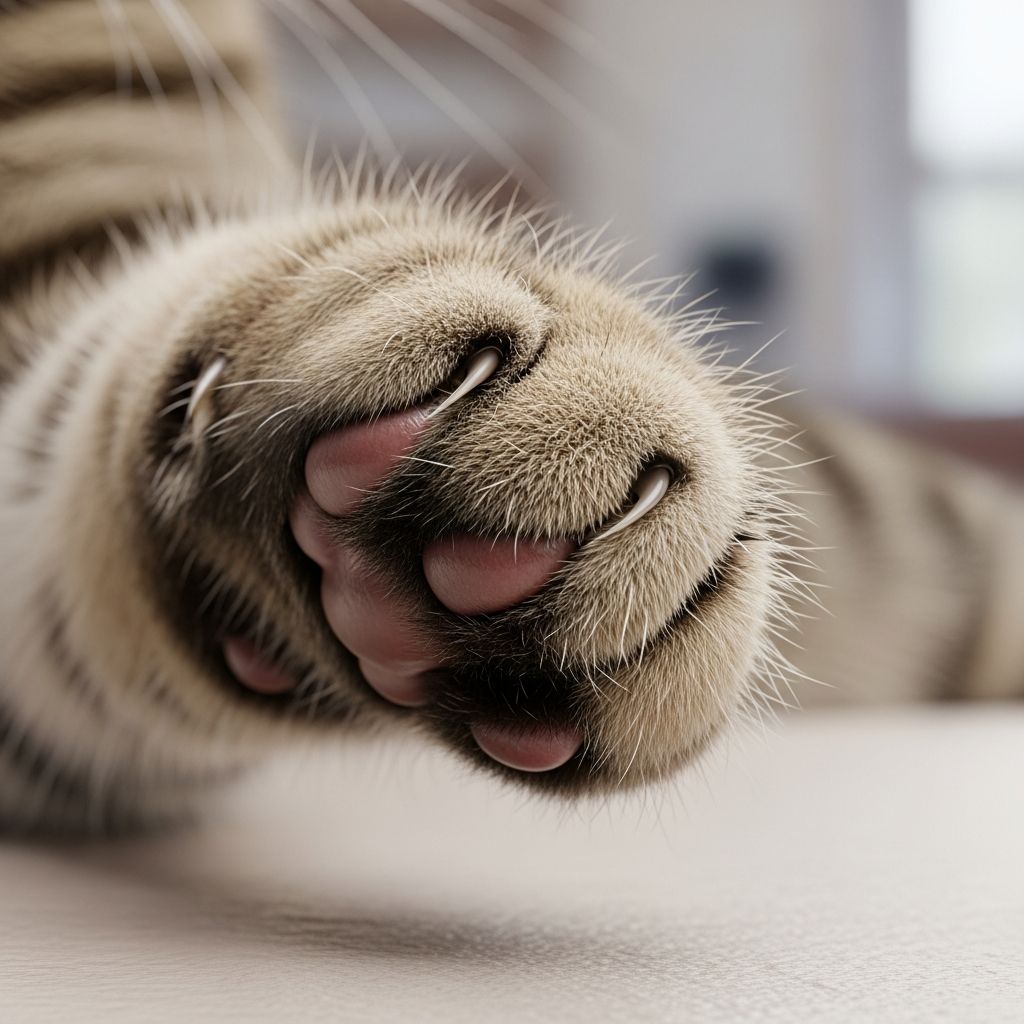
Understanding Swollen Paws in Cats
Swollen paws in cats can be a concerning issue for pet owners, signaling various underlying health conditions ranging from minor injuries to serious systemic diseases. When a cat’s paws become swollen, it often indicates inflammation, infection, or an immune-mediated response that requires prompt attention. Understanding the symptoms, causes, and appropriate treatment options can help you provide better care for your feline companion and prevent complications.
Common Symptoms of Swollen Paws
Recognizing the signs of swollen paws is essential for early intervention. Cats experiencing paw swelling typically display several characteristic symptoms:
- Limping or difficulty walking
- Reduced activity and reluctance to play
- Frequent licking, biting, or chewing of the affected paw
- Discharge or foul odor emanating from the paw
- Heat and warmth in the paw area
- Decreased appetite
- Discoloration or bruising around the paw pads
- Visible swelling or puffiness of the paw pads
Beyond these local symptoms, cats with swollen paws may also experience fever, lethargy, and general malaise if the condition involves systemic infection or immune dysfunction. Pay close attention to your cat’s recent activities, as outdoor cats are more prone to injuries and infections that can cause paw swelling.
Primary Causes of Swollen Paws
Injuries and Trauma
Physical injuries represent one of the most common causes of swollen paws in cats. These injuries can result from puncture wounds caused by stepping on sharp objects, sprains from jumping or falling, burns from hot surfaces, or insect stings and animal bites. Cats are naturally curious and active, making them susceptible to accidental injuries. Examination of the paw combined with radiographic imaging may be necessary to determine the extent of the injury and develop an appropriate treatment plan.
Infections and Abscesses
Bacterial infections frequently lead to swollen paws, particularly in outdoor cats. These infections typically develop from untreated wounds or scratches, injuries sustained during cat fights, foreign bodies lodged in the paw pad, or fungal infections between the toes. When bacteria enter a wound, an abscess—a collection of pus—can form, creating significant swelling and discomfort. Infected paws may exhibit discharge, foul odor, and localized heat, requiring prompt antibiotic treatment.
Pododermatitis (Pillow Foot)
Pododermatitis, commonly known as pillow foot or plasma cell pododermatitis, represents a distinctive condition characterized by dramatic swelling of the paw pads. This immune-mediated disease occurs when plasma cells infiltrate the tissue of the paw pads, causing them to swell and sometimes become discolored or develop open sores. The underlying cause of plasma cell infiltration remains unclear in most cases, though immune system dysfunction plays a central role.
Pododermatitis can be triggered by numerous factors, including poor grooming habits, bacterial or fungal infections, parasitic infestations, allergic reactions, immune disorders, and underlying systemic diseases such as cancer, feline leukemia, feline immunodeficiency virus (FIV), and feline infectious peritonitis (FIP).
Allergic Reactions
Cats can develop allergic reactions to environmental allergens, food ingredients, or contact allergens, leading to paw swelling. These reactions occur when the immune system overreacts to a harmless substance, causing inflammation and making blood vessels leaky. Allergic paw swelling may be accompanied by itching, excessive grooming, and discomfort.
Autoimmune and Inflammatory Conditions
Certain autoimmune diseases can cause swelling in the paws by triggering immune-mediated inflammation. Eosinophilic granuloma complex, another inflammatory condition, typically affects the lips, thighs, and belly but can also involve the foot pads, creating raised, often pink areas of skin. Arthritis-related inflammation can lead to overproduction of joint fluid and bony growths that make joints appear enlarged and swollen.
Viral Infections
Calicivirus infection in cats commonly produces ulcers that can involve the paws and paw pads. These ulcers may become swollen, particularly if secondary bacterial infections develop. Vaccination against calicivirus is an important preventive measure for outdoor cats.
Other Contributing Factors
Environmental factors such as extreme temperatures, chemical exposure, and improper nail growth can contribute to paw swelling. Nail overgrowth can cause discomfort and create conditions favorable for infection. Additionally, certain medications and toxins, such as acetaminophen, can lead to swollen legs or paws through liver damage or inflammation of blood vessels.
When to Seek Veterinary Care
Not all cases of paw swelling require emergency intervention, but certain warning signs indicate the need for prompt veterinary evaluation. Seek professional care if you notice severe swelling, discoloration, pus, bleeding, fever, or signs of intense pain. Cats that refuse to walk or show reluctance to bear weight on the affected paw should be evaluated immediately. Any swelling that persists for more than 24 hours should be assessed by a veterinarian to prevent complications and determine the underlying cause.
Diagnostic Procedures
Veterinarians employ multiple diagnostic tools to identify the cause of swollen paws. A thorough physical examination is the foundation of diagnosis, allowing the veterinarian to assess swelling, discomfort, and any visible abnormalities.
Additional diagnostic procedures may include:
- Radiographic imaging (X-rays) to detect fractures, foreign bodies, or bone abnormalities
- Ultrasound to visualize soft tissue structures and identify abscesses or tumors
- Biopsy, where a tissue sample is collected and examined microscopically to identify conditions like pododermatitis or eosinophilic granuloma
- Blood work and laboratory testing to assess for systemic infections, immune dysfunction, or metabolic disorders
- Allergy testing, including intradermal testing or food trials, when allergic causes are suspected
- Endocrine testing to rule out hormonal imbalances that may contribute to paw swelling
Treatment Options
Treatment for Injuries and Trauma
Injuries and trauma-related swelling are typically managed based on examination findings and imaging results. Minor wounds are cleaned and may be bandaged, while more serious injuries might require veterinary wound care or surgical intervention. Pain management with appropriate analgesics ensures your cat’s comfort during healing.
Treatment for Infections
Bacterial infections require antibiotic therapy tailored to the specific pathogen. Antibiotics may be administered orally or topically, depending on the infection’s severity and location. Abscesses often require drainage and wound cleaning, followed by continued antibiotic treatment. Fungal infections are treated with antifungal medications, which may be oral or topical.
Treatment for Insect Bites and Stings
Once insect bites or stings are identified, veterinarians typically administer steroids or antihistamines to reduce swelling and discomfort. These medications work by suppressing the inflammatory response and alleviating itching associated with the bite or sting.
Treatment for Pododermatitis
Management of pododermatitis focuses on reducing swelling, pain, and discomfort while addressing any secondary infections. Since plasma cells are activated by the immune system, treatment centers on immune system modulation. Initial therapy typically includes anti-inflammatory oral glucocorticoids such as prednisolone, long-acting glucocorticoid injections like methylprednisolone, the antibiotic doxycycline, and immunosuppressive medications such as cyclosporine. Most cats show improvement within one to two months when treated with oral medications. Dietary modifications and nutritional therapy may also be recommended to support immune function.
Treatment for Allergic Reactions
Allergic paw swelling is managed by identifying and eliminating the allergen when possible. Treatment may include anti-inflammatory medications, antihistamines, and dietary adjustments if food allergies are suspected. In some cases, desensitization therapy may be beneficial for environmental allergies.
Treatment for Autoimmune Conditions
Autoimmune diseases like eosinophilic granuloma complex are treated with corticosteroids or other immunosuppressive drugs that calm the immune system’s overactive response. Long-term management may be necessary to maintain remission.
Home Care and Prevention
Preventing paw swelling begins with maintaining a safe environment for your cat. Keep your home free of hazards that could cause injuries, including sharp objects, toxic substances, and extreme temperatures. Regularly inspect your cat’s paws for signs of injury, infection, or abnormal growth. Clean any minor wounds promptly with pet-safe cleaning products and monitor for signs of infection.
Maintain good grooming habits by regularly trimming your cat’s nails to prevent overgrowth and associated complications. For indoor cats, this reduces injury risk significantly. If your cat spends time outdoors, limit exposure to reduce the likelihood of fights, insect bites, and other traumatic injuries. Consider keeping cats indoors or providing supervised outdoor access to minimize environmental hazards.
Ensure your cat receives appropriate veterinary care, including vaccinations to prevent viral infections like calicivirus. Maintain a healthy diet that supports immune function and overall wellness. Regular veterinary check-ups allow early detection of systemic diseases that might manifest as paw swelling.
Frequently Asked Questions
What are the most common causes of swollen paws in cats?
The most common causes include injuries from trauma, bacterial or fungal infections, abscesses from cat fight wounds, allergic reactions, inflammatory conditions like pododermatitis, and insect bites or stings. Environmental factors and nail overgrowth can also contribute to paw swelling.
How can I tell if my cat’s paw swelling is serious?
Seek veterinary care if you notice severe swelling, discoloration, pus, bleeding, fever, or signs of intense pain. Cats that refuse to walk or show reluctance to bear weight on the paw require immediate evaluation. Any swelling persisting longer than 24 hours should be assessed by a veterinarian.
Can paw swelling resolve on its own?
Minor swelling from minor injuries or insect bites may resolve with time, but most causes of paw swelling benefit from professional veterinary intervention. Infections, immune-mediated conditions, and systemic diseases require specific treatment to prevent complications and ensure proper healing.
What is pillow foot, and how is it treated?
Pillow foot, or plasma cell pododermatitis, is an immune-mediated disease causing dramatic swelling of the paw pads. Treatment focuses on immune system modulation using anti-inflammatory glucocorticoids, immunosuppressive medications, antibiotics, and dietary adjustments. Most cats improve within one to two months with appropriate therapy.
How can I prevent swollen paws in my cat?
Keep your home free of hazards, regularly inspect and groom your cat’s paws, maintain good hygiene, use pet-safe cleaning products, keep vaccinations current, and limit outdoor access. Regular veterinary check-ups help detect early signs of systemic diseases that might cause paw swelling.
Are there specific breeds more prone to swollen paws?
While swollen paws can affect any cat, certain conditions like plasma cell pododermatitis have been documented across various breeds. Individual health status, immune function, and environmental exposure play more significant roles than breed predisposition in most cases.
References
- Pillow Foot (Pododermatitis) in Cats — PetMD. 2024. https://www.petmd.com/cat/conditions/skin/pillow-foot-pododermatitis-cats
- Swollen Paws and Legs in Cats — PetMD. 2024. https://www.petmd.com/cat/symptoms/swollen-paws-and-legs-cats
- Helping Cats Stand Up To Pillow Foot — Texas A&M Stories. May 3, 2024. https://stories.tamu.edu/news/2024/05/03/helping-cats-stand-up-to-pillow-foot/
- Swollen Cat Paws: Discover What May Be the Cause — Ponderosa Vet Clinic. 2024. https://ponderosavetclinic.com/swollen-cat-paws/
- Why Are My Cat’s Paws Swollen? Understanding and Treating — PetsCare. 2024. https://www.petscare.com/news/post/understanding-treating-chan-meo-bi-sung
- Pododermatitis in Cats: Signs and Management — Royal Canin. 2024. https://www.royalcanin.com/us/cats/health-and-wellbeing/pododermatitis-in-cats-signs-and-management
- Swollen Toes (Paw Pads) in Cats – Causes, Treatment and Prevention — Vetster. 2024. https://vetster.com/en/symptoms/cat/swollen-toes-paw-pads-in-cats
Similar Articles








Read full bio of medha deb




