
Swollen Paws in Dogs: Symptoms, Causes, and Treatment
Complete guide to understanding, diagnosing, and treating swollen paws in dogs.
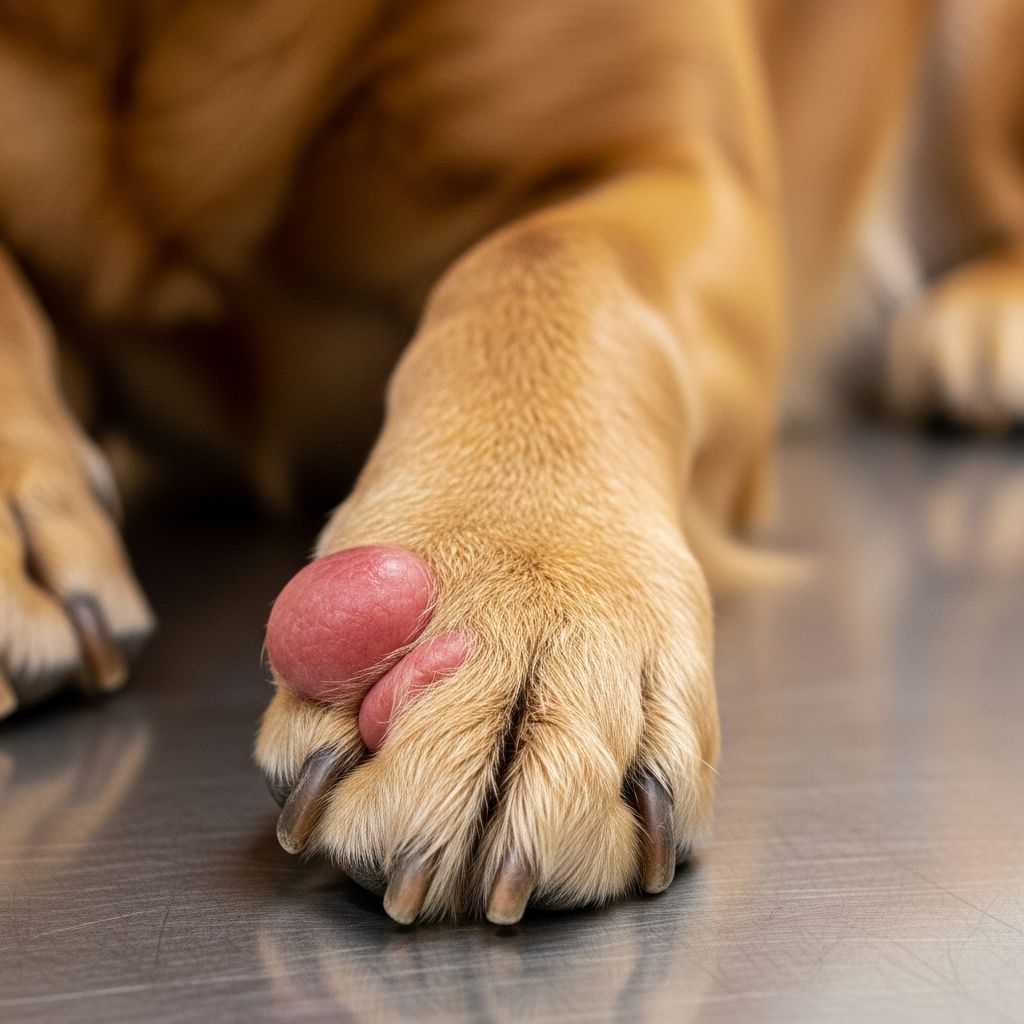
Understanding Swollen Paws in Dogs: A Complete Guide
Swollen paws in dogs, medically known as pododermatitis, represent a common concern for pet owners and veterinarians alike. When a dog's paw pads become enlarged or inflamed, it signals discomfort and often indicates an underlying health issue requiring attention. Understanding the various causes, recognizing symptoms early, and knowing when to seek professional veterinary care are essential steps in maintaining your dog's paw health and overall well-being.
What Are Paw Pads and Why Are They Important?
Paw pads serve critical functions for your dog's physical health and comfort. These specialized structures provide traction and grip, allowing dogs to maintain stability while walking, running, or navigating various terrains. Beyond traction, paw pads function as shock absorbers for the bones, tendons, and ligaments in your dog's limbs, protecting these delicate structures from impact and strain. Given their importance, any swelling or damage to paw pads warrants careful observation and prompt attention.
Common Causes of Swollen Paws in Dogs
Multiple factors can contribute to paw swelling in dogs. Identifying the underlying cause is crucial for determining appropriate treatment and preventing complications.
Injuries and Trauma
Injuries represent one of the most common causes of swollen paws in dogs. Your dog may step on sharp objects, broken glass, or rough surfaces that cut or puncture the sensitive paw pad tissue. Hot pavement during summer months can cause thermal burns to paw pads, resulting in immediate swelling and pain. Additionally, falls, sprains, or fractures can lead to paw swelling as the body's natural inflammatory response to protect and begin healing the injured area. Dogs engaging in rough play or running through unfamiliar terrain face heightened injury risks.
Infections: Bacterial and Fungal
Both bacterial and fungal infections commonly affect dog paws, particularly when the paw pad has been compromised by a wound or injury. Bacterial infections may develop from contaminated cuts or puncture wounds, while fungal infections can arise from environmental exposure or contact with infected animals. Infections typically cause noticeable symptoms including redness, warmth to the touch, discharge, and a foul odor emanating from the affected paw. Untreated infections can spread to other paws or throughout the body, making prompt veterinary intervention critical.
Allergic Reactions
Environmental and food allergies frequently trigger paw swelling and inflammation in dogs. Allergens such as pollen, grass, dust, or certain cleaning products can irritate the paw pads and cause allergic reactions. Food allergies may also manifest as paw swelling and itching. Dogs experiencing allergic reactions typically exhibit excessive licking and chewing of their paws, which exacerbates the initial swelling and can lead to secondary infections if left unmanaged.
Foreign Objects and Splinters
Small debris lodged in paw pads frequently causes localized swelling and discomfort. Splinters, thorns, glass fragments, or other foreign materials can penetrate the paw pad and trigger an inflammatory response. These embedded objects create irritation and increase infection risk, particularly if contaminated or left untreated for extended periods.
Insect Bites
Bee stings, wasp stings, spider bites, and other insect-related injuries can cause paw swelling, particularly in dogs that spend significant time outdoors. Some dogs develop allergic reactions to insect venom, resulting in more severe swelling than would typically occur from a simple bite or sting.
Arthritis and Joint Problems
Arthritis and degenerative joint disease can manifest as paw swelling, particularly in older dogs or those with genetic predispositions to joint problems. The inflammatory response associated with arthritis affects the tissues surrounding the paw joints, leading to noticeable swelling and stiffness.
Environmental Factors
Extreme temperatures significantly impact paw health. Hot pavement causes thermal burns and tissue damage, while cold surfaces and ice can lead to frostbite. Chemical exposure from salt used on winter roads or certain cleaning products can irritate paw pads and cause inflammation.
Other Medical Conditions
Systemic conditions including diabetes, tumors, poisoning, and autoimmune diseases like lupus can also cause paw swelling. These serious conditions require comprehensive veterinary evaluation and specialized treatment plans.
Recognizing Symptoms of Swollen Paws
Early recognition of symptoms allows for prompt intervention and better outcomes. Several observable signs indicate paw swelling and related discomfort:
Physical Signs
– Visible Swelling: The most obvious indicator, visible enlargement of the paw pad or surrounding tissue that appears larger than the dog's other paws- Redness and Inflammation: The affected area appears red, irritated, or inflamed, often feeling warm to the touch- Discharge or Odor: Pus, blood, or other discharge from the paw, accompanied by a foul odor indicating possible infection- Visible Lesions: Open wounds, cuts, or abrasions on the paw pad surface
Behavioral Signs
– Lameness or Limping: Reluctance to bear weight on the affected paw or altered gait- Excessive Licking or Chewing: Constant attention to the paw, indicating pain, discomfort, or allergic response- Behavioral Changes: Restlessness, irritability, or reluctance to engage in normal activities- Difficulty Walking: Altered movement patterns or avoidance of certain surfaces
When Mild Swelling Becomes Severe
Distinguishing between mild and severe cases of paw swelling helps determine appropriate next steps. Mild swelling typically involves minimal inflammation without significant pain indicators, often caused by minor irritation or small splinters. Severe swelling presents with pronounced inflammation, redness, warmth, significant pain, and may indicate serious infections or other medical emergencies. Sudden-onset swelling, especially when accompanied by limping or systemic symptoms like fever, requires immediate veterinary attention.
Treatment Options for Swollen Paws
Treatment approaches vary depending on the underlying cause. Proper diagnosis by a veterinarian ensures appropriate intervention.
Home Care Measures
For minor swelling, several home remedies provide relief and promote healing. Soaking the affected paw in warm water with dissolved Epsom salts for approximately ten minutes offers excellent short-term relief and helps reduce inflammation. Apply cold compresses to the swollen area to minimize swelling, particularly effective immediately following an injury. Gently inspect the paw for visible foreign objects and carefully remove splinters if safely possible, then clean the area thoroughly to prevent infection. Restrict your dog's activity to allow the paw to heal without further strain or irritation. Prevent excessive licking by using an Elizabethan collar (cone) if necessary, as constant licking can worsen swelling and introduce bacteria.
Veterinary-Prescribed Treatments
| Cause | Treatment |
|---|---|
| Bacterial Infection | Oral or topical antibiotics, wound cleaning, possibly bandaging |
| Fungal Infection | Antifungal medications, medicated baths, topical treatments |
| Allergies | Antihistamines, corticosteroids, allergen avoidance, hypoallergenic products |
| Arthritis | Anti-inflammatory medications, pain relievers, joint supplements |
| Splinters/Foreign Objects | Professional removal, cleaning, antibiotic ointment application |
| Burns/Trauma | Pain management, protective bandaging, infection prevention |
| Tumors | Surgical intervention, chemotherapy, radiation depending on tumor type |
| Systemic Conditions | Disease-specific treatment, medication management, lifestyle modifications |
Recovery Timeline
Healing timeframes depend significantly on the underlying cause. Minor injuries or splinters may resolve within a few days of proper treatment and removal. Allergic reactions typically improve within days to a week with appropriate medication and trigger avoidance. Infections require longer treatment periods, potentially lasting several weeks depending on severity. Chronic conditions like arthritis require ongoing management rather than complete resolution. Tumors and serious systemic conditions demand individualized treatment plans with variable recovery expectations.
Prevention Strategies
Proactive measures significantly reduce the risk of paw problems in dogs. Consider these prevention strategies:
Environmental Protection
– Check pavement temperature before allowing outdoor activity during hot months- Use paw booties or protective wax to shield paws from hot surfaces, ice, and chemicals- Avoid areas treated with salt or harsh chemicals that irritate paw pads- Inspect yards and walking areas for hazards like sharp objects or broken glass- Clean paws thoroughly after outdoor activities, particularly after exposure to potentially problematic surfaces
Health Management
– Maintain regular veterinary check-ups to catch early signs of joint problems or systemic diseases- Keep your dog's immune system strong through proper nutrition and exercise- Stay current with vaccinations and parasite prevention- Work with your veterinarian to manage known allergies effectively- Maintain appropriate weight to reduce joint stress and associated inflammation
Grooming and Hygiene
– Regularly trim hair between paw pads to prevent debris accumulation- Inspect paws daily for signs of injury, infection, or irritation- Keep paws clean and dry, particularly after outdoor activities or bathing- Monitor for excessive licking or chewing, which may indicate underlying problems
When to Seek Veterinary Care
Certain situations demand immediate professional veterinary attention. Contact your veterinarian if swelling persists for more than a few days despite home treatment, your dog shows signs of infection including discharge, foul odor, or fever, the swelling appears severe or is accompanied by significant pain and lamping, or your dog develops systemic symptoms alongside paw swelling. Additionally, seek veterinary care if you cannot safely remove a foreign object, if the paw shows signs of fracture or serious trauma, or if your dog has pre-existing conditions like diabetes or immune disorders.
Frequently Asked Questions
Q: How long does it typically take for swollen paws to heal?
A: Healing time varies by cause. Minor issues like splinters may resolve within days, while infections can take several weeks. Chronic conditions like arthritis require ongoing management rather than complete resolution. Always follow your veterinarian’s treatment plan for optimal outcomes.
Q: Can I treat swollen paws at home?
A: Minor swelling from small splinters or mild irritation may benefit from home care including Epsom salt soaks, cold compresses, and rest. However, infections, severe swelling, or persistent symptoms require veterinary evaluation and professional treatment.
Q: What should I do if my dog won’t stop licking their swollen paw?
A: Excessive licking can worsen swelling and introduce bacteria. Use an Elizabethan collar to prevent licking, and consult your veterinarian about antihistamines or anti-itch medications if allergies are the underlying cause.
Q: How can I protect my dog’s paws during hot weather?
A: Test pavement temperature with your hand before walking your dog. Use protective paw booties or paw wax, limit outdoor time during peak heat hours, and ensure access to water. Consider walking on grass or shaded areas when possible.
Q: Are certain dog breeds more prone to swollen paws?
A: While any dog can develop swollen paws, breeds predisposed to arthritis, allergies, or specific conditions may experience paw swelling more frequently. Discuss your dog’s breed-specific risks with your veterinarian.
Q: What’s the difference between swelling and normal paw pad variation?
A: Normal paw pads appear uniform and feel firm. Swelling presents as visible enlargement, feels warm, may appear red or inflamed, and is typically accompanied by behavioral changes like limping or excessive licking.
References
- Swollen Paw Pads in Dogs — PetMD. 2024. https://www.petmd.com/dog/emergency/accidents-injuries/e_dg_swollen_paws
- Why Is My Dog’s Paw Pad Swollen? — Richmond Veterinary Clinic. 2025. https://rvetclinic.com/why-is-my-dogs-paw-pad-swollen/
- What You Should Do If Your Dog’s Paw Pad is Swollen — Frontier Veterinary Urgent Care. 2024. https://frontierveturgentcare.com/blog/dogs-paw-pad-is-swollen/
- Swollen Paws in Dogs: What to Do — Braseltone Veterinary Clinic. 2024. https://braseltonervet.com/swollen-paws-in-dogs-what-to-do/
- Why Do Dogs and Cats Have Paw Pads? — Vetstreet. 2024. https://www.vetstreet.com/our-pet-experts/whats-the-deal-with-paw-pads
- 10 Reasons Your Dogs Paws are Swollen — VO Vets. 2024. https://vovets.com/blog/swollen-dog-paws/
Similar Articles








Read full bio of medha deb




