
Swollen Paws in Cats: Symptoms, Causes, and Treatment
Complete guide to understanding feline paw swelling: symptoms, underlying causes, and effective treatment options.
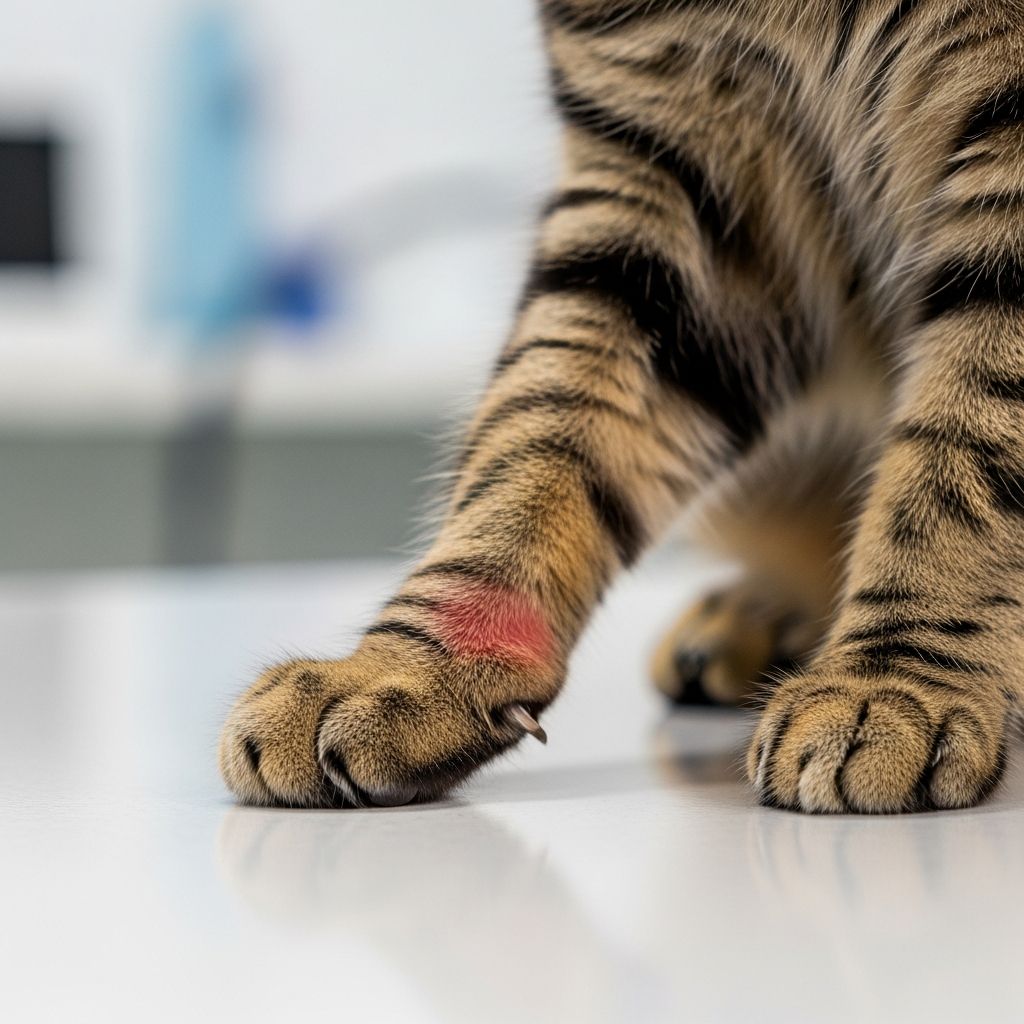
Swollen Paws in Cats: A Comprehensive Guide
Swollen paws in cats can be concerning for pet owners, but understanding the underlying causes and symptoms can help you determine when veterinary care is necessary. Paw swelling in cats can range from minor inflammation due to insect bites to serious conditions requiring immediate medical attention. This guide covers everything you need to know about identifying, understanding, and treating swollen paws in your feline companion.
Understanding Swollen Paws in Cats
When a cat’s paws become swollen, it indicates that something is wrong with their foot health. Paw swelling can occur in one paw or multiple paws and may be accompanied by other symptoms that help identify the underlying cause. The severity of swelling can vary significantly depending on what has triggered the condition. Some cases resolve on their own with home care, while others require professional veterinary intervention.
Common Symptoms of Swollen Cat Paws
Recognizing the symptoms associated with swollen paws helps pet owners identify when their cat needs medical attention. These symptoms often accompany the visible swelling and can provide valuable clues about the severity and nature of the problem.
- Limping or difficulty walking
- Reduced activity or reluctance to move
- Frequent licking or biting of the affected paw
- Discharge or foul odor emanating from the paw
- Heat or warmth in the paw area
- Decreased appetite
- Visible discoloration or purplish appearance
- Open sores or ulceration on the paw pads
- Vocalization or pain response when paws are touched
- Fever or lethargy in severe cases
Pet owners should also consider their cat’s recent activities and behavior patterns when evaluating paw swelling. For instance, if your cat has been outdoors recently, the swelling may result from an injury, bite, or sting. Indoor cats with swollen paws may have experienced a traumatic event at home or developed an underlying health condition.
Major Causes of Swollen Paws
Injuries and Trauma
Physical injuries represent one of the most common reasons for paw swelling in cats. These injuries can occur when cats step on sharp objects, fall from heights, or experience direct trauma to their paws. Puncture wounds, sprains, fractures, and burns all cause inflammation and swelling as part of the body’s natural healing response. Cats may develop hematomas (blood collections under the skin) following blunt force trauma, which appear as swollen areas on the paw. Even minor injuries can become serious if they develop secondary infections.
Insect Bites and Stings
Insect bites and stings frequently cause localized paw swelling in cats, particularly those with outdoor access. Bee stings, wasp stings, and bites from various insects trigger inflammatory responses that make blood vessels leaky, leading to tissue swelling. Some cats may have allergic reactions to insect venom that cause more severe swelling. In some cases, insects may inject venom or bacteria that complicates the reaction and requires treatment beyond simple anti-inflammatory medications.
Infections and Abscesses
Bacterial infections commonly develop in cats’ paws, especially in outdoor cats exposed to contaminated environments. Cat fight injuries frequently result in deep puncture wounds that become infected, forming abscesses. These abscesses are collections of pus that cause significant swelling, pain, and may produce discharge with a foul odor. Untreated wounds, scratches, and foreign bodies lodged in paw pads all create conditions favorable for bacterial growth. Fungal infections between the toes can also cause localized swelling and may spread if left untreated.
Pododermatitis (Pillow Foot)
Pododermatitis, commonly known as “pillow foot,” represents a more serious condition characterized by dramatic paw swelling caused by an aggressive inflammatory reaction. This condition occurs when plasma cells, a type of white blood cell, infiltrate the tissue of the paw pads. The accumulation of these immune cells creates the distinctive “pillow” effect where paw pads appear swollen and puffy. Plasma cell pododermatitis can be triggered by multiple underlying issues, making diagnosis and treatment more complex.
Potential triggers for pododermatitis include:
- Poor grooming habits or hygiene issues
- Bacterial, fungal, or parasitic infections
- Allergic reactions to food or environmental factors
- Immune system disorders or dysfunction
- Cancer or malignant conditions
- Feline leukemia virus (FeLV)
- Feline immunodeficiency virus (FIV)
- Feline infectious peritonitis (FIP)
Nail Overgrowth
When cats’ nails grow too long without proper maintenance, they can curl back into the paw pad or break, causing pain, swelling, and infection. Nail overgrowth commonly affects older cats or those with mobility issues that prevent normal nail wear. The resulting wounds from ingrown or broken nails create entry points for bacteria, potentially leading to serious infections that require antibiotic treatment.
Allergic Reactions and Autoimmune Diseases
Allergic reactions to food, environmental allergens, or contact irritants can cause paw swelling as part of a systemic inflammatory response. Autoimmune diseases trigger the immune system to attack the body’s own tissues, leading to leaky blood vessels and tissue swelling. Some cats may experience eosinophilic granuloma complex, an inflammatory disease that can affect paw pads along with other body areas.
Calicivirus Infection
Cats infected with calicivirus often develop ulcers that can involve the paws and paw pads. These ulcers may become swollen, particularly if secondary bacterial infections develop. Calicivirus represents a serious viral infection requiring veterinary care and supportive treatment.
Other Contributing Factors
Certain drugs and toxins, such as acetaminophen, can lead to swollen legs or paws through liver damage or inflammation of blood vessels. Extreme temperature exposure, chemical contact, and injection site reactions to vaccines or medications can also cause localized swelling in cats’ paws.
When to Seek Veterinary Care
Understanding when professional help is necessary ensures that serious conditions receive prompt treatment. Pet owners should contact their veterinarian if they notice:
- Severe or rapidly increasing swelling
- Discoloration of the paw pads, particularly purple or blue coloring
- Pus, bleeding, or foul-smelling discharge
- Fever accompanying the paw swelling
- Signs of intense pain or inability to bear weight on the affected paw
- Refusal to walk or complete mobility loss
- Swelling that persists longer than 24 hours
- Open sores or ulceration on the paw pads
- Signs of systemic illness like lethargy or appetite loss
Diagnosis of Swollen Paws
Veterinarians employ several diagnostic tools to identify the underlying cause of paw swelling. A thorough physical examination forms the foundation of diagnosis, where the veterinarian assesses the extent of swelling, checks for discharge or infection signs, and evaluates the cat’s overall health status.
Additional diagnostic procedures may include:
- X-rays or diagnostic imaging: Used to identify fractures, foreign objects, tumors, or abscesses within or around the paw
- Blood work: Helps identify infections, immune disorders, or systemic diseases contributing to paw swelling
- Biopsy: A tissue sample from the paw pad is collected and examined microscopically to diagnose conditions like pododermatitis or cancer
- Allergy testing: Includes intradermal testing, food trials, or environmental management assessment for cats with allergic reactions
- Endocrine testing: May be recommended to rule out endocrine diseases causing swelling
- Cytology or culture: Samples of discharge are analyzed to identify specific bacterial or fungal infections
Treatment Options for Swollen Paws
Treatment for swollen paws varies significantly based on the underlying cause and severity of the condition. Veterinarians tailor treatment plans to address the specific diagnosis while managing pain and preventing complications.
Treatment by Condition
Injuries and Trauma
Physical injuries are initially assessed through examination and imaging when necessary. Treatment may include wound cleaning, bandaging, and pain management. Severe cases involving fractures or ligament damage may require surgical intervention. Cats may need antibiotics if the wound shows signs of infection or contamination.
Insect Bites or Stings
Once identified, veterinarians typically administer steroids or antihistamines to reduce swelling and discomfort associated with insect reactions. Cool compresses may provide additional relief for affected paws. In cases of severe allergic reactions, injectable medications may be necessary.
Infections and Abscesses
Bacterial infections require antibiotic therapy, typically administered orally or via injection. Abscesses often need to be drained or surgically addressed. Wound care, including regular cleaning and bandaging, supports the healing process. In some cases, cats may benefit from pain management medications during recovery.
Pododermatitis
Treatment for pododermatitis depends on the underlying cause and severity. Since plasma cells are activated by the immune system, controlling immune system response forms the foundation of therapy. Treatment options include:
- Anti-inflammatory oral glucocorticoids such as prednisolone
- Long-acting glucocorticoid injections like methylprednisolone
- Antibiotic therapy, including doxycycline for its anti-inflammatory properties
- Immunosuppressive medications such as cyclosporine
- Dietary modifications and nutritional therapy
- Management of any secondary bacterial or fungal infections
Improvement with oral medications typically appears within one to two months. Veterinarians may recommend a combination of treatments for optimal results and may adjust medications based on the cat’s response.
Nail Overgrowth
Treatment involves trimming overgrown nails and addressing any infections that have developed. Wounds caused by nail overgrowth are bandaged and treated with antibiotics to prevent serious infections. Regular nail care helps prevent future episodes.
General Treatment Approaches
Regardless of the underlying cause, general treatment measures support healing and improve comfort:
- Pain management with analgesics or anti-inflammatory medications
- Wound care and regular cleaning with appropriate products
- Bandaging to protect affected paws and prevent contamination
- Rest and activity limitation during recovery
- Nutritional support to enhance immune function
- Environmental management to prevent re-injury
Home Care and Prevention
Pet owners play an important role in preventing paw swelling and supporting their cat’s recovery through home care measures.
Prevention Strategies
- Keep your home free of hazards that could injure paws, including sharp objects and hot surfaces
- Regularly inspect your cat’s paws for signs of injury, infection, or abnormalities
- Maintain proper nail care through regular trimming or professional grooming
- Clean minor wounds promptly with pet-safe products
- Ensure good hygiene throughout your home
- Limit outdoor access to reduce exposure to injuries, bites, and infectious agents
- Check for parasites and maintain preventative treatments
- Provide proper nutrition to support immune function
- Monitor for signs of illness and address health issues promptly
At-Home Care During Recovery
When your cat is recovering from paw swelling, continue wound care as directed by your veterinarian. Keep bandages clean and dry, and change them according to instructions. Administer all prescribed medications on schedule. Limit your cat’s activity to prevent re-injury, and provide a comfortable resting area. Monitor the paw regularly for signs of improvement or complications, and contact your veterinarian if you notice worsening symptoms.
Frequently Asked Questions About Swollen Cat Paws
Q: What should I do if I notice my cat’s paw is swollen?
A: First, assess whether the swelling is severe or accompanied by signs of serious illness. Contact your veterinarian for evaluation, especially if swelling persists beyond 24 hours, if your cat shows severe pain, or if there are signs of infection like discharge or foul odor. While waiting for an appointment, keep the paw clean and monitor for changes.
Q: Can swollen paws in cats go away on their own?
A: Minor swelling from small insect bites or minor injuries may resolve independently. However, most cases of significant paw swelling benefit from veterinary evaluation and treatment. Delaying care for conditions like infections or pododermatitis can lead to complications and prolonged discomfort for your cat.
Q: Is pillow foot in cats contagious to other cats?
A: Pillow foot (pododermatitis) itself is not contagious, but underlying causes may be. If the pododermatitis is caused by a contagious infection or disease like FIV, FeLV, or calicivirus, the underlying condition could potentially spread to other cats. Proper diagnosis and treatment help prevent transmission of infectious causes.
Q: How long does it take for swollen paws to improve with treatment?
A: The timeline for improvement depends on the underlying cause. Simple injuries or insect bites may improve within days to a week. Infections typically show improvement within 7-14 days of antibiotic treatment. Pododermatitis may take one to two months to show significant improvement with medication therapy. Your veterinarian can provide a more specific timeline based on your cat’s diagnosis.
Q: Should I try home remedies for my cat’s swollen paws?
A: While supportive home care is important, most swollen paws require professional diagnosis and treatment. Using human medications or inappropriate home remedies can delay necessary treatment and potentially harm your cat. Always consult with your veterinarian before using any home remedies, and ensure any treatments are cat-safe.
Q: Can allergies cause swollen paws in cats?
A: Yes, allergies can cause paw swelling as part of an allergic reaction. Food allergies, environmental allergies, and contact irritants can all trigger inflammation and swelling in cats’ paws. Your veterinarian can help identify the allergen and develop a management plan to prevent future reactions.
Q: What is the difference between swelling in one paw versus multiple paws?
A: Localized swelling in one or two paws usually indicates a specific injury, infection, or local problem at that site. Swelling in multiple paws often suggests a systemic issue like an allergic reaction, autoimmune disease, or infectious disease affecting the whole body. Your veterinarian will consider this distinction when diagnosing the underlying cause.
Q: Are certain cat breeds more prone to paw swelling?
A: While swollen paws can affect cats of any breed, some conditions like pododermatitis may have genetic or breed predispositions in certain populations. Outdoor cats generally face higher risk of traumatic injuries and infections. Age-related factors like arthritis can also contribute to paw swelling in senior cats.
References
- Swollen Paws in Cats: Symptoms, Causes, and Treatment — PetMD. 2024. https://www.petmd.com/cat/symptoms/swollen-paws-and-legs-cats
- Pillow Foot (Pododermatitis) in Cats — PetMD. 2024. https://www.petmd.com/cat/conditions/skin/pillow-foot-pododermatitis-cats
- Helping Cats Stand Up To Pillow Foot — Texas A&M AgriLife. 2024-05-03. https://stories.tamu.edu/news/2024/05/03/helping-cats-stand-up-to-pillow-foot/
- Pododermatitis in Cats: Signs and Management — Royal Canin. 2024. https://www.royalcanin.com/us/cats/health-and-wellbeing/pododermatitis-in-cats-signs-and-management
- Swollen Toes (Paw Pads) in Cats – Causes, Treatment and Diagnosis — Vetster. 2024. https://vetster.com/en/symptoms/cat/swollen-toes-paw-pads-in-cats
Similar Articles








Read full bio of medha deb




