

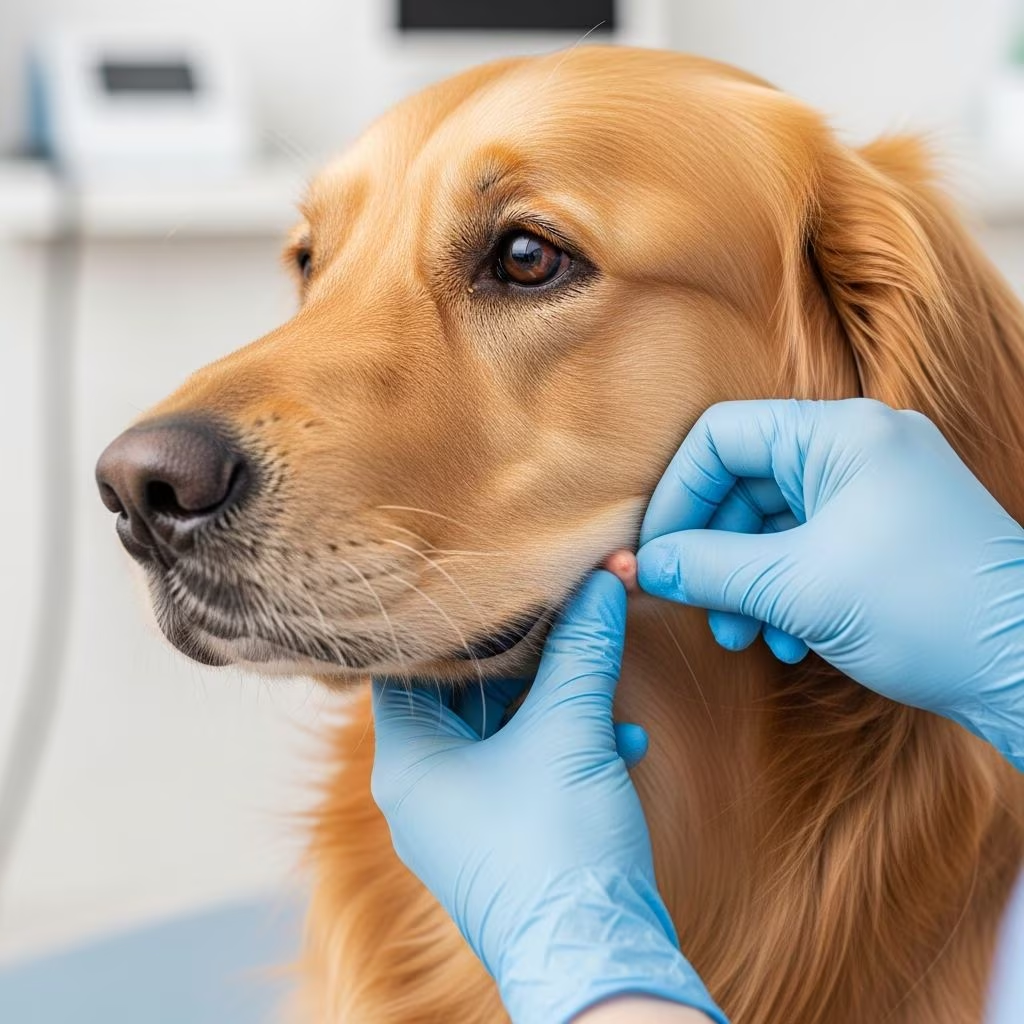
Understanding Swollen Lymph Nodes in Dogs
Swollen lymph nodes in dogs can be a concerning discovery for any pet owner, as they may indicate anything from a benign condition to a more serious health issue. Lymph nodes are an essential part of your dog’s immune system, helping to filter bacteria, viruses, and other harmful substances from the body. When these nodes become enlarged, it’s often a sign that your dog’s body is working to fight off an infection or address another health problem. Understanding the causes, symptoms, and treatment options for swollen lymph nodes can help you provide better care for your canine companion.
What Do Swollen Lymph Nodes in Dogs Look Like?
In their normal state, lymph nodes are difficult to detect because they are naturally small, typically ranging from the size of a bean or grape depending on your dog’s size. When healthy, these nodes remain relatively inconspicuous under the skin.
When lymph nodes become swollen, they may appear as small, firm masses under the skin, usually accompanied by visible signs of inflammation. Common indicators of swollen lymph nodes include:
- Small lumps or bumps under the skin, particularly in areas like the chin, armpits, groin, or behind the knees
- Redness and warmth in the affected areas
- Tenderness or pain when the area is touched
- Variation in size depending on the underlying cause
- Hard or firm texture to the touch
The medical terms for lymph node enlargement are lymphadenopathy or lymphadenomegaly. Swollen lymph nodes can grow up to ten times their normal size in some cases. While swollen nodes are typically firm to the touch, inflamed nodes may feel soft, warm, and tender. It’s important to note that lymph nodes in specific locations, such as the inguinal (groin), prescapular (shoulders), and axillary (armpits) areas, are very difficult to detect unless they are actually enlarged.
What Causes Swollen Lymph Nodes in Dogs?
Various factors can cause lymph node enlargement in dogs, ranging from minor to serious health concerns. Understanding these causes can help you better recognize when your dog needs veterinary attention.
Infections
Infections are among the most common causes of swollen lymph nodes in dogs. The condition where inflammation of the lymph nodes is due to infection is called lymphadenitis. When an infection occurs in nearby tissues or organs, lymphocytes (white blood cells) become activated and migrate to the lymph nodes. This leads to an increase in the number and size of lymphocytes within the nodes, causing them to swell as part of the body’s normal immune response.
Viral, bacterial, and fungal infections can all trigger lymph node enlargement. Common infections that cause this symptom include abscesses, cellulitis, and pneumonia. Other serious infections such as Lyme disease, ehrlichiosis, and parvovirus can also cause lymphadenopathy in dogs.
Allergies
If your dog has skin allergies or food allergies, allergic reactions can lead to swollen lymph nodes. The allergic response triggers inflammation in the body, causing the lymph nodes to become enlarged. Dogs can experience allergic reactions to environmental factors such as pollen or grass, as well as to their diet. Additionally, flea allergies can trigger lymph node swelling, particularly in dogs with chronic or severe flea infestations.
Parasites
Your dog’s lymph nodes can become swollen when fighting off an infestation from parasites such as fleas, ticks, and heartworms. The immune system activates to combat the parasitic infection, leading to enlarged lymph nodes as the body produces more white blood cells to defend against the invasion.
Dental Disease
Dogs with severe dental disease often have enlarged lymph nodes underneath their chins. This swelling can result from gum infections or tooth root abscesses. Advanced dental disease, such as periodontal disease, can allow bacteria to enter the bloodstream, leading to swollen lymph nodes as the immune system responds to the infection.
Cancer
Swollen lymph nodes can be a symptom of cancer in pets, particularly lymphoma, which affects the immune system. Lymphoma can cause swollen lymph nodes, fatigue, loss of appetite, weight loss, and may involve the bone marrow. Middle-aged and older dogs are more likely to develop cancer, though in rare instances, young dogs may be affected. Cancer can cause lymphadenopathy either through metastasis (spreading from other parts of the body) or by primary disease starting in the lymphatic system itself.
Autoimmune Diseases
When dogs have an overactive immune system, lymph nodes can become enlarged. Autoimmune diseases such as lupus, immune-mediated hemolytic anemia (IMHA), and polyarthritis can cause the immune system to mistakenly attack healthy tissue and cells, leading to lymph node swelling.
Trauma and Injury
Physical trauma, such as bite wounds or injuries, can cause lymphadenopathy in the affected area. Bacteria can enter skin wounds from trauma, leading to localized lymph node swelling as the body works to fight infection. Additionally, certain medications, including antibiotics and anticonvulsants, can cause lymph node enlargement in some dogs.
Are Certain Breeds More Prone to Swollen Lymph Nodes?
While all dogs can potentially develop swollen lymph nodes, certain breeds and age groups may be more prone to developing them due to genetic predispositions or increased exposure to environmental factors.
| Group at Higher Risk | Reason for Increased Risk |
|---|---|
| Toy and Terrier Breeds | Due to their smaller size and susceptibility to respiratory infections and dental disease |
| Senior Dogs | Due to their weakened immune systems and increased susceptibility to health issues |
| Middle-aged Dogs | Higher risk of developing cancer-related lymph node enlargement |
Senior dogs require particular attention, as their weakened immune systems make them more vulnerable to infections and other conditions that can cause lymph node swelling. Regular veterinary check-ups become increasingly important as dogs age.
Symptoms and Signs to Watch For
Beyond the physical appearance of swollen lumps, there are several additional symptoms that may accompany enlarged lymph nodes in dogs:
- Fever or elevated body temperature
- Loss of appetite or reduced interest in food
- Weight loss over time
- Lethargy or lack of energy
- Coughing, sneezing, or difficulty breathing
- Discomfort or pain when the affected area is touched
- Increased drinking and urination
If you notice any of these symptoms in conjunction with swollen lymph nodes, it’s essential to seek veterinary attention promptly.
Diagnosis and Testing
When you bring your dog to the veterinarian for evaluation of swollen lymph nodes, your vet will perform several diagnostic procedures to determine the underlying cause. These may include:
- Physical examination of the lymph nodes and overall health assessment
- Blood tests and urinalysis to check for infections and other abnormalities
- Testing for specific infectious diseases such as Lyme disease or ehrlichiosis
- Diagnostic imaging such as X-rays or ultrasound
- Fine-needle aspiration to collect cells from the lymph nodes for microscopic examination
- Biopsy of the lymph node for more detailed analysis
These diagnostic tools help your veterinarian identify whether the swollen lymph nodes are localized (affecting only one area) or systemic (affecting multiple nodes throughout the body). If multiple nodes are swollen across the body, this may indicate a more serious systemic condition such as lymphoma.
Treatment Options for Swollen Lymph Nodes
Treatment for swollen lymph nodes depends entirely on the underlying cause. Your veterinarian will recommend appropriate treatment once they have diagnosed the reason for the enlargement.
Infection Treatment
If your dog’s swollen lymph nodes are caused by an infection, your veterinarian may prescribe antibiotics or anti-inflammatory medication to reduce the swelling. The specific treatment will depend on whether the infection is bacterial, viral, or fungal in nature. In some cases, additional supportive care may be necessary to help your dog recover fully.
Allergy Management
If your dog’s lymph nodes are swollen due to allergies, your veterinarian may recommend treatment involving several approaches. These can include identifying and avoiding allergens, prescribing medications to manage allergic reactions, applying topical treatments, recommending special diets, and implementing environmental management strategies to minimize exposure to triggers.
Parasite Control
Treatment for parasite-related lymph node swelling may involve topical treatments, preventative medications, ear drops, deworming protocols, or antifungal medications, depending on the specific parasite causing the problem.
Dental Disease Treatment
For swollen lymph nodes caused by dental disease, your veterinarian may recommend professional dental cleaning or extractions to eliminate the source of infection.
Cancer Treatment
If lymphoma or another form of cancer is causing the lymph node enlargement, your veterinarian may recommend chemotherapy, radiation, or other cancer treatment options depending on the type and stage of cancer.
Frequently Asked Questions About Swollen Lymph Nodes in Dogs
Q: Are swollen lymph nodes in dogs always a sign of something serious?
A: No, swollen lymph nodes are not always indicative of a serious condition. They can result from minor infections, allergies, or other benign causes. However, they should always be evaluated by a veterinarian to determine the underlying cause and appropriate treatment.
Q: How long does it typically take for swollen lymph nodes to return to normal after treatment?
A: The timeline for recovery depends on the underlying cause and the effectiveness of treatment. Some conditions resolve within days to weeks, while others may take longer. Your veterinarian can provide specific expectations based on your dog’s diagnosis.
Q: Can I feel my dog’s lymph nodes at home?
A: Many healthy lymph nodes are difficult to detect at home because they are normally very small. However, you may be able to feel enlarged nodes, particularly those under the chin, in the armpits, or in the groin area. If you detect any lumps, contact your veterinarian for evaluation.
Q: Is it an emergency if my dog has swollen lymph nodes?
A: While swollen lymph nodes alone are not typically considered an emergency, they should be evaluated by a veterinarian as soon as possible. If your dog also exhibits fever, severe lethargy, difficulty breathing, or other serious symptoms, seek immediate veterinary care.
Q: Can swollen lymph nodes be prevented?
A: While you cannot prevent all causes of swollen lymph nodes, you can reduce the risk by maintaining good dental health, keeping your dog on appropriate flea and tick prevention, ensuring up-to-date vaccinations, and providing a healthy diet and regular exercise to support immune function.
Q: What should I do if I discover swollen lymph nodes on my dog?
A: Schedule a veterinary appointment promptly. Your veterinarian will perform a physical examination and may recommend diagnostic tests to determine the cause. Do not attempt to treat the condition at home without professional guidance.
References
- Swollen Lymph Nodes in Dogs: Causes, Treatment, and More — Chewy. 2024. https://www.chewy.com/education/dog/health-and-wellness/swollen-lymph-nodes-in-dogs
- Swollen Lymph Nodes in Dogs: Common Causes and Treatment — PetMD. 2024. https://www.petmd.com/dog/symptoms/swollen-lymph-nodes-in-dogs
- Your Complete Guide To Lymph Nodes in Dogs — ElleVet Sciences. 2024. https://www.ellevetsciences.com/pet-care/all-about-your-dogs-lymph-nodes
- Swollen Lymph Nodes (Lymphadenopathy) in Dogs — Vetster. 2024. https://vetster.com/en/symptoms/dog/swollen-lymph-nodes-lymphadenopathy-in-dogs
- Lymphoma in Dogs — VCA Animal Hospitals. 2024. https://vcahospitals.com/know-your-pet/lymphoma-in-dogs



