

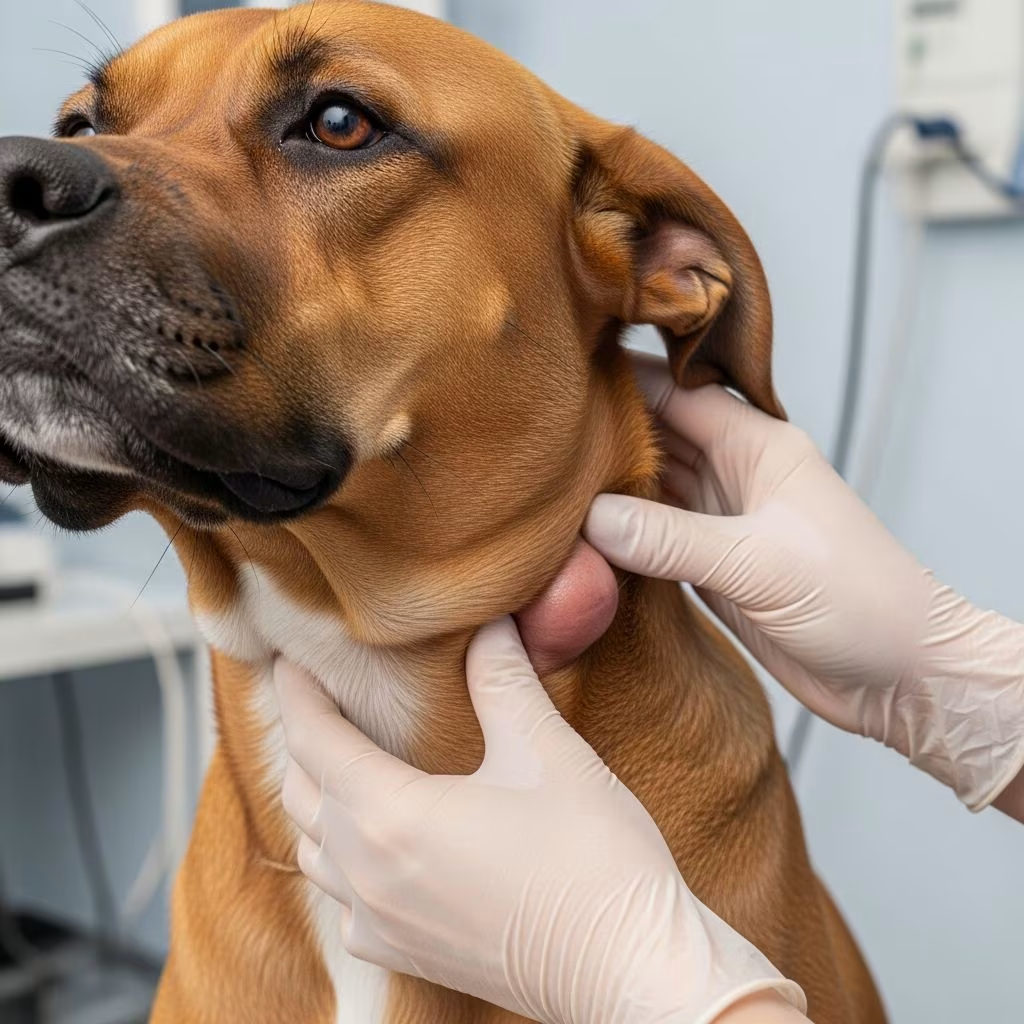
Enlarged lymph nodes in dogs, known medically as lymphadenopathy, represent the body’s immune system activating against potential threats. These small, bean-shaped structures filter lymph fluid, trapping pathogens and abnormal cells. When they swell, it often indicates infections, allergies, or malignancies, requiring prompt veterinary evaluation to determine the underlying issue.
Understanding the Lymphatic System in Canines
The lymphatic system functions as a vital network parallel to the circulatory system, comprising lymph nodes, vessels, and organs like the spleen. In dogs, lymph nodes are strategically positioned to monitor specific body regions. They produce lymphocytes—white blood cells essential for fighting invaders. Swelling occurs when these cells proliferate in response to stimuli, enlarging nodes from pea-sized to grape-like masses.
Normal lymph nodes are barely palpable, but enlargement makes them firm, sometimes warm or tender. This response is adaptive for minor issues but alarming for persistent or widespread swelling.
Prime Locations of Lymph Nodes in Dogs
Dogs have over a dozen peripheral lymph node groups. Key palpable sites include:
- Submandibular nodes: Under the jawline, often first noticed during petting.
- Prescapular nodes: In front of the shoulders, accessible during chest strokes.
- Axillary nodes: Armpits, felt when lifting front legs.
- Inguinal nodes: Groin area, near hind leg bases.
- Popliteal nodes: Behind the knees, prominent in active dogs.
Internal nodes in the chest or abdomen may cause subtler symptoms like coughing or appetite loss if enlarged. Regular grooming or playtime checks help owners detect changes early.
Common Triggers for Lymph Node Enlargement
Multiple factors provoke lymphadenopathy. Infections top the list, as bacteria, viruses, fungi, or parasites prompt immune surges.
| Cause Category | Examples | Typical Affected Nodes |
|---|---|---|
| Infections | Bacterial (abscesses, cellulitis), viral (parvovirus), fungal (blastomycosis), tick-borne (Lyme, ehrlichiosis) | Regional to infection site |
| Allergies | Food, environmental (pollen), flea bites | Generalized or skin-draining |
| Parasites | Fleas, ticks, heartworms, demodectic mange | Multiple peripheral |
| Cancer | Lymphoma, metastatic tumors | Widespread, painless |
| Other | Dental disease, trauma, autoimmune (IMHA, lupus) | Localized (e.g., submandibular for dental) |
Bacterial infections like tooth root abscesses cause submandibular swelling, while systemic threats like pneumonia affect multiple sites. Allergies inflame nodes via histamine release, and dental issues spread bacteria systemically. Cancerous causes, especially lymphoma, lead to painless, symmetric enlargement across nodes.
Recognizing Symptoms Beyond Swelling
Swollen nodes rarely occur alone. Accompanying signs guide severity assessment:
- Fever, lethargy, reduced appetite.
- Redness, warmth, pain at node sites.
- Weight loss, vomiting, diarrhea for systemic issues.
- Coughing, breathing difficulty if chest nodes involved.
- Pale gums, dehydration signaling urgency.
In lymphoma, dogs may show facial swelling, increased thirst, or hind leg weakness. Toy breeds and seniors face higher risks due to weaker immunity or genetics.
When to Seek Veterinary Care Urgently
Not all swellings demand emergency visits, but rapid progression, multiple nodes, or systemic symptoms like dehydration warrant immediate action. Isolated, small lumps might resolve with monitoring, but persistent ones (>2 weeks) or sizes exceeding 2cm need exams.
Pet owners should note: node firmness (soft for infection, hard for cancer), symmetry, and pet behavior. Early intervention improves outcomes dramatically.
Diagnostic Approaches for Accurate Identification
Vets start with physical exams, palpating all nodes and assessing overall health. Key tests include:
- Fine-needle aspirate (FNA): Samples cells for cytology, distinguishing inflammation from neoplasia.
- Biopsy: Surgical excision for definitive histopathology.
- Bloodwork: CBC checks lymphocyte counts; biochemistry screens organ function.
- Imaging: Ultrasound, X-rays, CT for internal nodes and metastasis.
- Specific tests: Tick panels, allergy profiles, dental X-rays.
Cytology reveals 60-80% of lymphoma cases; biopsies confirm others. Ruling out infections guides antibiotic trials.
Treatment Strategies Tailored to Causes
Therapy targets root causes:
- Infections: Antibiotics (e.g., for abscesses), antifungals, supportive care.
- Allergies: Antihistamines, hypoallergenic diets, flea preventives.
- Parasites: Dewormers, topicals like fipronil.
- Cancer: Chemotherapy (CHOP protocol for lymphoma), radiation; median survival 12 months with treatment.
- Dental/trauma: Extractions, wound cleaning.
Anti-inflammatories reduce swelling symptomatically. Holistic options like CBD show promise but lack robust data. Prognosis excels for reactive causes (full recovery common) but varies for oncology.
Preventive Measures for Lymphatic Health
Proactive care minimizes risks:
- Vaccinate against viral threats like parvovirus.
- Use year-round flea/tick/heartworm preventives.
- Schedule biannual dental cleanings, especially for small breeds.
- Maintain balanced diets avoiding allergens.
- Perform monthly node checks during grooming.
Environmental hygiene curbs fungal exposures. Seniors benefit from routine bloodwork.
Frequently Asked Questions (FAQs)
Can swollen lymph nodes resolve without treatment?
Yes, mild reactive swellings from minor infections often subside naturally as immunity clears the threat.
Is lymphoma the only cancer causing node swelling?
No; metastatic cancers from other sites can infiltrate nodes, though lymphoma is primary lymphatic malignancy.
How do I check my dog’s lymph nodes at home?
Gently palpate under jaw, shoulders, armpits, groin, knees during calm moments. Compare sides for asymmetry.
Are certain dogs at higher risk?
Golden Retrievers, Boxers, Bulldogs; seniors and toys due to immunity or dental vulnerabilities.
What home remedies help swollen nodes?
Avoid self-treatment; consult vets. Hydration and rest aid recovery, but meds require prescription.
Long-Term Monitoring and Prognosis
Post-treatment, rechecks ensure resolution. Cancer survivors need oncology follow-ups. Owners tracking weight, appetite, node sizes empower early relapse detection. Nutritional support bolsters immunity long-term.
With vigilance, most dogs with benign lymphadenopathy thrive; even lymphoma yields quality life via modern protocols.
References
- Swollen Lymph Nodes in Dogs: Causes and Treatment — Chewy. 2023. https://www.chewy.com/education/dog/health-and-wellness/swollen-lymph-nodes-in-dogs
- Swollen Lymph Nodes in Dogs: Common Causes and Treatment — PetMD. 2024-01-15. https://www.petmd.com/dog/symptoms/swollen-lymph-nodes-in-dogs
- Your Complete Guide To Lymph Nodes in Dogs — ElleVet Sciences. 2023-06-20. https://www.ellevetsciences.com/pet-care/all-about-your-dogs-lymph-nodes/
- How Lymph Nodes on Dogs Work and Why They’re Important — ImpriMed. 2024. https://www.imprimedicine.com/blog/lymph-nodes
- Lymphoma in Dogs: Signs, Stages, Treatment, and Prognosis — Best Friends Animal Society. 2023-11-10. https://bestfriends.org/pet-care-resources/lymphoma-dogs-signs-stages-treatment-and-prognosis
- Where Are Lymph Nodes In Dogs And How Do You Check Them? — We Are The Cure. 2024-02-05. https://wearethecure.org/where-are-lymph-nodes-in-dogs-and-how-do-you-check-them/
- Lymph Node Diseases in Dogs — Long Beach Animal Hospital. 2023. https://lbah.com/canine/lymph-node-diseases/



