

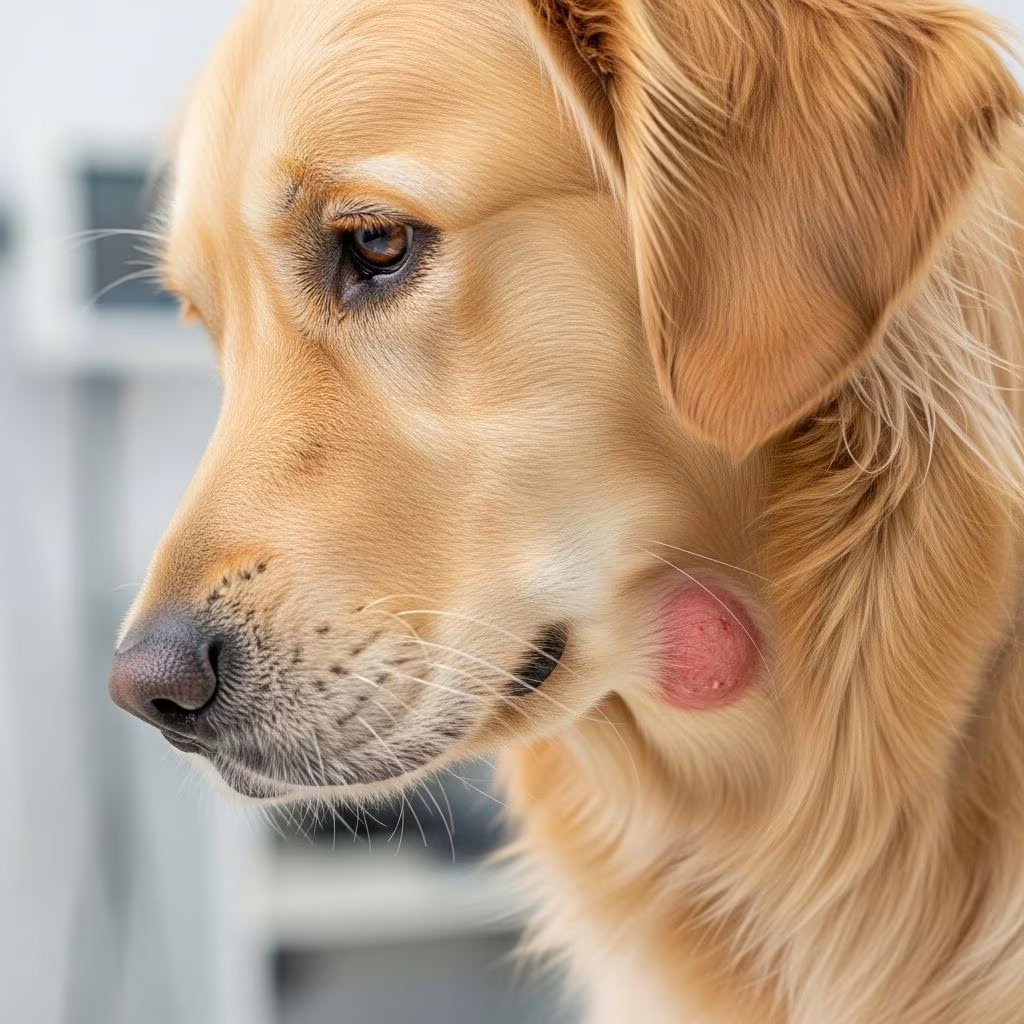
Swollen lymph nodes, medically known as lymphadenopathy, occur when a dog’s lymph nodes enlarge due to immune system activation. These small, bean-shaped structures filter lymph fluid, trap pathogens, and house immune cells like lymphocytes. When the body fights infection, inflammation, or other issues, nodes swell as white blood cells proliferate.
This condition is common in dogs and often indicates an underlying problem ranging from benign reactions to serious diseases like cancer. Early detection through palpation by owners or vets is crucial, as timely intervention improves outcomes. Peripheral lymph nodes, such as those under the jaw, in front of the shoulders, behind the knees, and near the groin, are most accessible for checking.
What Are Lymph Nodes and Where Are They Located in Dogs?
Lymph nodes are integral to the lymphatic system, which parallels the circulatory system by transporting lymph—a clear fluid containing white blood cells. They act as checkpoints, filtering harmful substances and mounting immune responses. In dogs, there are hundreds of nodes clustered in key areas.
Key locations include:
- Submandibular nodes: Under the jawline, often swelling from dental issues or head/neck infections.
- Prescapular nodes: In front of the shoulders, reacting to front leg or chest problems.
- Popliteal nodes: Behind the knees, associated with hind leg conditions.
- Inguinal nodes: In the groin area, linked to hindquarters or abdominal issues.
- Internal nodes: In the chest, abdomen, or near organs, harder to detect without imaging.
Normal nodes feel like small peas; swelling makes them firm, enlarged masses. Generalized swelling across multiple sites suggests systemic issues, while localized swelling points to regional problems.
Symptoms of Swollen Lymph Nodes in Dogs
Owners may notice painless, firm lumps during petting or grooming. Other signs depend on the cause:
- Fever, lethargy, or loss of appetite from infections.
- Coughing or breathing issues if chest nodes are involved.
- Weight loss, vomiting, or diarrhea in cancer cases like lymphoma.
- Itching, skin rashes, or gastrointestinal upset from allergies.
- Lameness or wounds near affected limbs.
Swelling can be acute (sudden, from abscesses) or chronic (gradual, from cancer). Multiple enlarged nodes, especially symmetric ones, raise red flags for lymphoma.
Causes of Swollen Lymph Nodes in Dogs
Lymphadenopathy stems from reactive hyperplasia (immune activation), inflammation, or neoplasia. Common causes include:
Infections
Bacterial (abscesses, cellulitis), viral (parvovirus), fungal (blastomycosis), or tick-borne (Lyme, ehrlichiosis, Rocky Mountain spotted fever) infections trigger lymphocyte proliferation. Dental disease often enlarges submandibular nodes via gum infections.
Allergies and Parasites
Environmental, food, or flea allergies cause inflammation, swelling nodes. Parasites like heartworms, ticks, or fleas provoke immune responses.
Cancer
Lymphoma, the most common, affects middle-aged/older dogs, causing multicentric node enlargement. Metastatic cancers spread to nodes.
Other Causes
Autoimmune diseases (rheumatoid arthritis), trauma/abscesses, or medications like antibiotics.
How Are Swollen Lymph Nodes Diagnosed in Dogs?
Vets start with a physical exam, palpating nodes and checking for pain, fever, or other signs. Diagnostics include:
- Bloodwork and urinalysis: Detect infections, inflammation, or organ issues.
- Fine-needle aspiration (FNA): Samples cells for cytology, identifying cancer or infection.
- Biopsy: Surgical removal for histopathology in ambiguous cases.
- Imaging: X-rays, ultrasound, or CT for internal nodes and staging.
- Specific tests: Tick panels, fungal cultures, or dental exams.
Systemic vs. localized swelling guides testing; FNA is first-line, non-invasive.
Treatment for Swollen Lymph Nodes in Dogs
Treatment targets the cause:
| Cause | Treatments |
|---|---|
| Infections | Antibiotics (doxycycline), antifungals (itraconazole), drainage |
| Allergies/Parasites | Antihistamines (hydroxyzine), antiparasitics (fluralaner), hypoallergenic diets |
| Cancer (Lymphoma) | Chemotherapy (doxorubicin), surgery |
| Autoimmune/Dental | Corticosteroids (prednisone), dental cleaning/extractions |
| General | NSAIDs (firocoxib), supportive care (fluids, rest) |
Nodes may take days to weeks to normalize post-treatment. Severe cases require hospitalization. Prognosis varies: excellent for infections, guarded for cancer.
When to See a Vet for Swollen Lymph Nodes in Dogs
Any new or persistent swelling warrants a vet visit, especially with:
- Multiple or rapidly growing nodes.
- Fever, appetite loss, or breathing issues.
- Swelling lasting over 1-2 weeks.
It’s not an emergency unless accompanied by collapse or severe symptoms, but prompt evaluation rules out cancer.
Prevention of Swollen Lymph Nodes in Dogs
Not all cases are preventable, but strategies include:
- Year-round flea/tick/heartworm preventives.
- Regular dental checkups and cleanings.
- Vaccinations and parasite control.
- Allergen avoidance and hypoallergenic diets if prone.
- Monthly wellness exams for early detection.
Frequently Asked Questions (FAQs)
Can swollen lymph nodes in dogs go away on their own?
Yes, if reactive to mild infections or allergies, they often resolve as the body heals. Persistent cases need vet evaluation.
Is lymphoma the only cancer causing swollen lymph nodes in dogs?
No, but it’s the most common. Other cancers metastasize to nodes.
How do I check my dog’s lymph nodes at home?
Gently palpate under jaw, shoulders, knees, and groin. Feel for pea-sized or larger firm lumps.
What home remedies help swollen lymph nodes in dogs?
Warm compresses may soothe, but never delay vet care. Treat underlying cause professionally.
Are swollen lymph nodes always painful in dogs?
Often painless, especially in cancer, but infections may cause tenderness.
References
- Swollen Lymph Nodes in Dogs: Causes and Treatment — Chewy. 2023. https://www.chewy.com/education/dog/health-and-wellness/swollen-lymph-nodes-in-dogs
- Swollen Lymph Nodes in Dogs: Common Causes and Treatment — PetMD. 2023. https://www.petmd.com/dog/symptoms/swollen-lymph-nodes-in-dogs
- Your Complete Guide To Lymph Nodes in Dogs — ElleVet Sciences. 2023. https://www.ellevetsciences.com/pet-care/all-about-your-dogs-lymph-nodes/
- How Lymph Nodes on Dogs Work and Why They’re Important — ImpriMed. 2023. https://www.imprimedicine.com/blog/lymph-nodes
- Swollen Lymph Nodes (Lymphadenopathy) in Dogs — Vetster. 2023. https://vetster.com/en/symptoms/dog/swollen-lymph-nodes-lymphadenopathy-in-dogs
- Lymphoma in Dogs — VCA Animal Hospitals. 2023. https://vcahospitals.com/know-your-pet/lymphoma-in-dogs



