

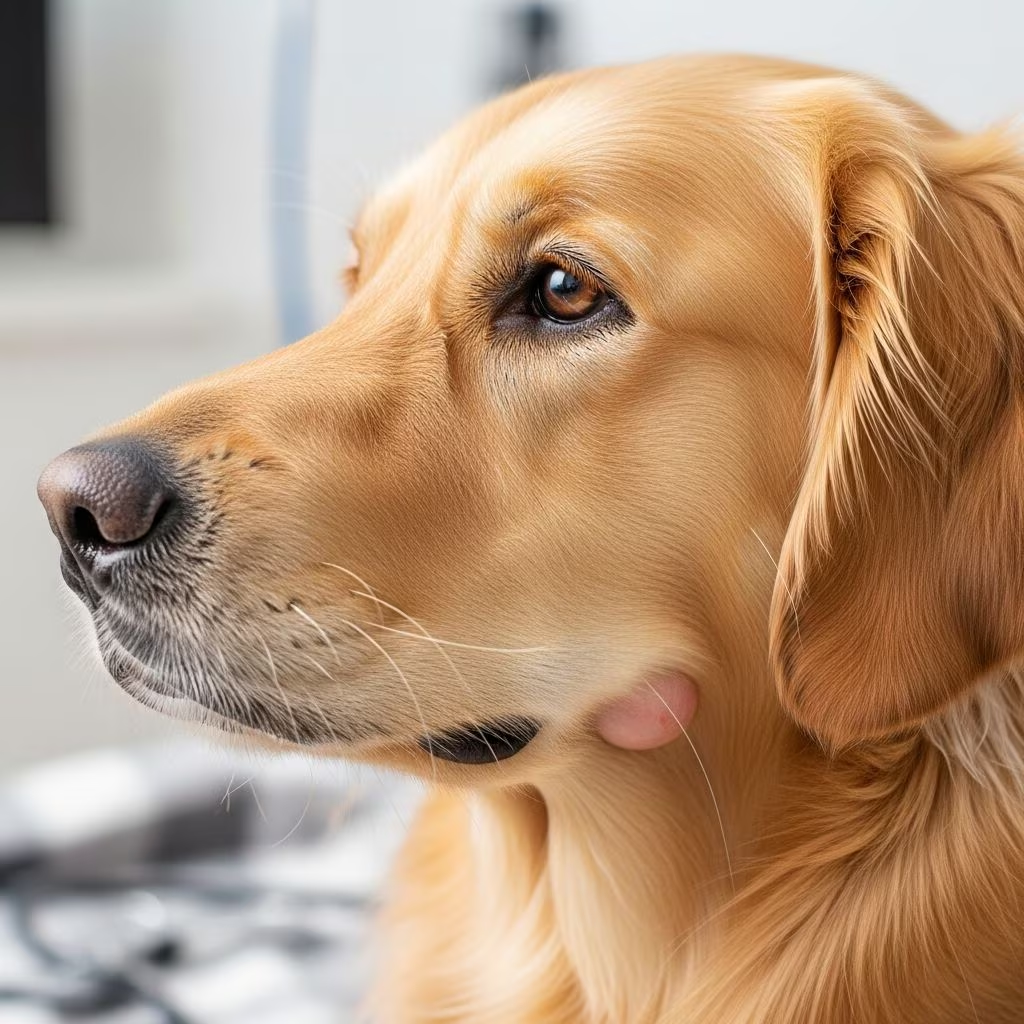
Swollen lymph nodes in dogs, medically known as lymphadenopathy, occur when these small, bean-shaped structures in the lymphatic system become enlarged. Lymph nodes play a crucial role in filtering harmful substances and supporting the immune response. When they swell, it often signals that the body is fighting an infection, inflammation, or a more serious condition like cancer. Common locations include under the jaw, in front of the shoulders, armpits, behind the knees, and groin area. Early detection and veterinary evaluation are essential, as causes range from benign to life-threatening.
What Are Lymph Nodes and Where Are They Located in Dogs?
Lymph nodes are part of the lymphatic system, which helps maintain fluid balance, absorbs fats from the diet, and defends against infections. They contain immune cells like lymphocytes that trap bacteria, viruses, and other pathogens. In dogs, there are about 150 lymph nodes grouped into regions: peripheral (superficial, palpable under the skin) and internal (deeper in the body).
Key palpable lymph nodes include:
- Submandibular nodes: Under the jaw, often swollen due to dental issues or mouth infections.
- Prescapular nodes: In front of the shoulders, draining the front legs and head.
- Axillary nodes: In the armpits, serving the chest and forelimbs.
- Inguinal nodes: In the groin, draining the hind legs and abdomen.
- Popliteal nodes: Behind the knees, for the rear legs.
Swelling in a single node suggests a localized issue, while multiple or generalized swelling points to systemic problems.
Symptoms of Swollen Lymph Nodes in Dogs
Owners may notice firm, painless lumps under the skin in lymph node areas. Nodes can feel warm, tender, or painful if inflamed. Size varies from pea-sized to golf ball-sized depending on the cause. Accompanying symptoms help narrow down causes:
- Fever, lethargy, or loss of appetite for infections.
- Itching, skin redness, or gastrointestinal upset for allergies.
- Weight loss, vomiting, or enlarged spleen for cancer.
- Lameness or discharge if abscess-related.
Not all swellings are lymph nodes—differentiate from cysts, lipomas, or tumors via vet exam. Monitor for progression; rapid growth or firmness warrants immediate attention.
Causes of Swollen Lymph Nodes in Dogs
Lymphadenopathy results from reactive hyperplasia (immune activation), inflammation (lymphadenitis), or neoplastic infiltration (cancer). Here’s a breakdown:
| Cause Category | Examples | Affected Nodes |
|---|---|---|
| Infections | Bacterial (abscesses, cellulitis), viral (parvovirus), fungal (blastomycosis), tick-borne (Lyme, Ehrlichia) | Localized to infection site |
| Allergies | Food, environmental (pollen), flea allergies | Generalized or regional |
| Parasites | Fleas, ticks, heartworms | Regional |
| Cancer | Lymphoma (most common), metastasis from other cancers | Multiple nodes, painless |
| Dental Disease | Tooth root abscesses, periodontal disease | Submandibular |
| Autoimmune | Rheumatoid arthritis | Generalized |
| Trauma/Abscess | Bite wounds, injuries | Near injury |
Infections trigger lymphocyte proliferation to fight pathogens. Allergies cause inflammatory responses. Cancer, especially lymphoma, directly infiltrates nodes, common in middle-aged/older dogs.
When to See a Vet for Swollen Lymph Nodes in Dogs
Any new lump in a lymph node area merits a vet visit. Urgent if:
- Node >1 cm, firm, fixed, or growing rapidly.
- Multiple nodes affected.
- Accompanied by fever, anorexia, weight loss, or breathing issues.
- Persists >2 weeks despite rest.
Don’t delay—early intervention improves outcomes, especially for lymphoma where staging affects prognosis.
Diagnosis of Swollen Lymph Nodes in Dogs
Vets start with history, physical exam, and palpation. Diagnostics include:
- Bloodwork/Urinalysis: Checks for infection, anemia, organ function.
- Fine-Needle Aspiration (FNA): Samples cells for cytology; quick, minimally invasive.
- Biopsy: Surgical for definitive diagnosis if FNA inconclusive.
- Imaging: Ultrasound, X-rays, CT to assess internal nodes/spleen.
- Specific Tests: Tick panels, fungal serology, lymphoma staging (chest X-rays, abdominal ultrasound).
Reactive nodes show increased white cells; neoplastic have abnormal lymphocytes.
Treatment for Swollen Lymph Nodes in Dogs
Treatment targets the underlying cause:
- Infections: Antibiotics (doxycycline), antifungals (itraconazole).
- Allergies: Antihistamines (hydroxyzine), hypoallergenic diets, apoquel.
- Parasites: Flea/tick preventives (fluralaner), dewormers.
- Cancer: Chemotherapy (doxorubicin), radiation; lymphoma remission rates 80-90% initially.
- Dental: Cleaning, extractions.
- Autoimmune: Immunosuppressants (prednisone).
- Supportive: Fluids, pain meds, nutrition.
Nodes may take days to weeks to normalize post-treatment.
Home Care and Prognosis
Follow vet instructions; avoid home remedies without guidance. Warm compresses may soothe but don’t replace treatment. Prognosis varies: excellent for infections/allergies, guarded for cancer (lymphoma median survival 12-14 months with chemo). Regular check-ups monitor recurrence.
Prevent via vaccines, parasite control, dental care, allergy management.
Frequently Asked Questions (FAQs)
Can swollen lymph nodes in dogs go away on their own?
Yes, if due to mild infection or allergy, they may resolve with rest and immune response, but always consult a vet to rule out serious causes.
Is lymphoma the only cancer causing swollen lymph nodes?
No, but it’s the most common; others include metastasis from mast cell tumors or carcinomas.
How much does it cost to diagnose swollen lymph nodes?
Varies; exam/FNA $100-300, full staging $500-2000+.
Can diet cause swollen lymph nodes in dogs?
Yes, food allergies trigger inflammation leading to swelling.
What is the survival rate for dogs with lymphoma?
With multi-agent chemo, 80-90% achieve remission; median survival 12 months.
References
- Swollen Lymph Nodes in Dogs: Causes and Treatment — Chewy. 2023. https://www.chewy.com/education/dog/health-and-wellness/swollen-lymph-nodes-in-dogs
- Swollen Lymph Nodes in Dogs: Common Causes and Treatment — PetMD. 2024. https://www.petmd.com/dog/symptoms/swollen-lymph-nodes-in-dogs
- Your Complete Guide To Lymph Nodes in Dogs — ElleVet Sciences. 2023. https://www.ellevetsciences.com/pet-care/all-about-your-dogs-lymph-nodes/
- Swollen Lymph Nodes (Lymphadenopathy) in Dogs — Vetster. 2024. https://vetster.com/en/symptoms/dog/swollen-lymph-nodes-lymphadenopathy-in-dogs
- Lymph Nodes on Dogs Work and Why They’re Important — Imprimedicine. 2023. https://www.imprimedicine.com/blog/lymph-nodes
- Lymphoma in Dogs — VCA Animal Hospitals. 2024. https://vcahospitals.com/know-your-pet/lymphoma-in-dogs



