

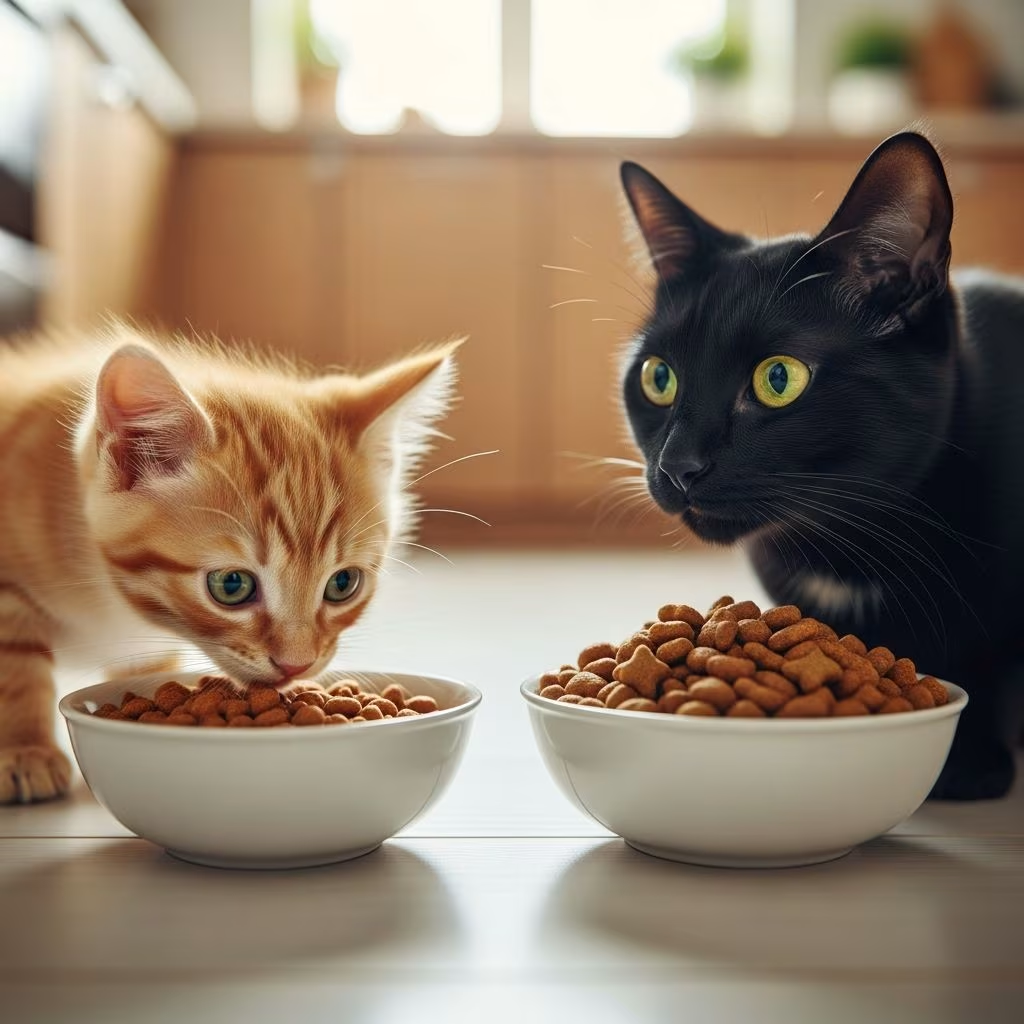
Switching from Kitten Food to Adult Cat Food: When & How to Do It
As your kitten grows, their nutritional needs change significantly. Kittens require specially formulated food that supports rapid growth and development, but as they approach adulthood, their diet must evolve to meet the demands of their mature bodies. Transitioning from kitten food to adult cat food at the right time and in the right way is essential for maintaining your cat’s health, preventing digestive issues, and ensuring they receive optimal nutrition throughout their adult years.
Key Takeaways
- Kittens require specially formulated food designed to support growth and development
- Most kittens should switch to adult food around 10–12 months of age
- Larger breeds like Maine Coons may need to continue kitten food until 18 months or older
- Gradual transitions over 7–10 days help prevent digestive upset and food refusal
- Consulting with your veterinarian ensures the transition timing is appropriate for your individual kitten
- Choosing high-quality adult cat food ensures continued nutritional adequacy
When to Switch from Kitten Food to Adult Cat Food
One of the most common questions pet parents ask is: how long should kittens eat kitten food? The answer depends on your individual kitten’s growth rate and breed.
Standard Timeline for Most Kittens
In general, kittens should eat kitten food until they have reached approximately 90 percent of their adult weight. At this point, they have typically achieved their full adult height and have only some final filling out remaining. Most kittens reach this developmental milestone at about 10 to 12 months of age, making this the ideal transition point to adult cat food.
This timing is important because kitten formulas contain higher levels of protein, calories, and essential nutrients that support the intensive growth phase. Once your kitten nears full maturity, continuing to feed high-calorie kitten food can lead to obesity and other nutritional imbalances.
Large Breed Considerations
An important exception to the standard timeline applies to large breed cats. Larger breeds, such as Maine Coons, Ragdolls, and Norwegian Forest Cats, don’t reach full maturity until they are 18 months to 2 years of age. These breeds develop more slowly than standard-sized cats, and their skeletal systems require extended support during the growth phase. Keep feeding these larger kittens kitten food until they are at least 18 months old to ensure proper development and reduce the risk of joint and bone problems.
Consulting Your Veterinarian
Always speak with your veterinarian if you have any concerns about when to switch from kitten to adult cat food. Your vet can assess your kitten’s growth rate, overall health, and individual needs to determine the optimal timing for the dietary transition. This is especially important for kittens with health conditions or those who are particularly small or large for their age.
Why Gradual Transitions Matter
Switching your kitten’s food abruptly can have significant negative consequences. When the diet is suddenly changed, the gastrointestinal microbes in your kitten’s digestive system may not have adequate time to adjust to the new food composition. This microbial imbalance can lead to signs of digestive upset including vomiting, diarrhea, and general gastrointestinal discomfort.
Additionally, when faced suddenly with a new food, many cats will refuse to eat entirely. Cats are creatures of habit and aren’t enthusiastic about dietary changes made without warning. By transitioning gradually, you give your kitten’s digestive system time to adapt while also allowing them to become accustomed to the new taste and texture.
How to Transition Your Kitten to Adult Cat Food
The most effective way to switch your kitten to adult food is through a gradual transition process spanning 7 to 10 days. This timeline allows your kitten’s digestive system to adjust while minimizing the risk of gastrointestinal upset.
Step-by-Step Transition Schedule
Follow this detailed transition schedule to ensure a smooth dietary change:
| Timeline | Transition Ratio | Details |
|---|---|---|
| Days 1 and 2 | ¼ new / ¾ old | Mix 25% of the new adult food with 75% of the current kitten food. This gentle introduction allows your kitten to experience the new food while still eating mostly their familiar diet. |
| Days 3 and 4 | ½ new / ½ old | Increase to a 50/50 mix of new and old food. At this point, your kitten’s digestive system has begun adapting to the new formula. |
| Days 5 and 6 | ¾ new / ¼ old | Move to 75% new food and 25% old food. Your kitten should be increasingly comfortable with the new taste and formula. |
| Days 7 to 10 | 100% new food | Transition to serving only the new adult cat food. Complete the transition to your chosen adult formula. |
Adjusting for Sensitive Kittens
If your kitten has a sensitive digestive system or is particularly finicky, you may need to adjust this schedule. Start with only 10% new food and increase in 10% increments every few days, or spend longer at each transition stage. Some kittens may need 10-14 days for a complete transition. Monitor your kitten’s stools and appetite throughout the process, and don’t hesitate to slow the transition if you notice any digestive upset.
Tips for a Successful Food Transition
Mix Foods Thoroughly
When combining old and new foods, mix them thoroughly so your kitten cannot pick out pieces of one type over the other. This ensures they’re actually consuming the intended ratio of old to new food and helps them become accustomed to the new flavor profile.
Consider Wet and Dry Food Combinations
If transitioning from dry kitten food to wet adult food, you can mix the two together effectively. Try sprinkling dry food on top of wet food or crushing dry kibble and mixing it into the wet food. However, always remember to account for the calories in both foods to prevent overfeeding during the transition period.
Warm Wet Food for Better Palatability
If your kitten is particularly finicky, try warming up wet food to make it more appealing. Slightly warmed food often smells more appetizing and can encourage even picky eaters to try the new formula.
Increase Appetite Before Meals
Play games with your cat just before mealtime to increase their appetite and the likelihood of them eating the new food. Physical activity can stimulate hunger and make your kitten more receptive to trying something new.
Monitor Stool Quality
Pay attention to your kitten’s stools throughout the transition. Firm stools indicate that your kitten is tolerating the new food well and you can proceed with increasing the percentage of new food. If you notice soft or watery stools, slow down the transition process and spend more time at the current ratio before advancing.
Establish Feeding Schedule
Feed meals at set times rather than free-feeding, and remove any uneaten food after 20 to 30 minutes. This structured approach helps you monitor your kitten’s food intake and appetite during the transition, making it easier to spot any issues.
Choosing High-Quality Adult Cat Food
When transitioning your kitten to adult food, quality matters significantly. Look for adult cat foods that are nutritionally complete and balanced, formulated specifically for adult cats’ different nutritional requirements. Adult cat food typically has lower calories and protein levels than kitten food, as adult cats have slower metabolisms and different developmental needs.
Consider your individual cat’s needs, including whether they’re indoor or outdoor, their activity level, and any specific health considerations. Your veterinarian can recommend appropriate options that align with your cat’s nutritional requirements and your lifestyle.
FAQs on Switching from Kitten to Cat Food
Q: Can kittens eat adult cat food?
Younger kittens should primarily eat nutritionally complete and balanced kitten food and should stick with kitten food until they are 90 percent grown. However, many growing cats can begin eating adult cat food when they are around 10 to 12 months old. Larger breeds, such as Maine Coons, can eat adult cat food at around 18 to 24 months of age. Always consult your veterinarian before making the switch.
Q: How long can kittens eat kitten food?
Kittens can keep eating kitten food until they are almost full-grown, which usually happens around 10 to 12 months of age. An exception is larger breeds of cats, like Maine Coons, who don’t stop growing until they are 18 months to 24 months old. Large breed kittens can keep eating kitten food until they are around 1½ to 2 years old.
Q: What happens if I switch my kitten’s food too quickly?
Abruptly switching your kitten’s food can cause digestive upset, including vomiting and diarrhea. Additionally, many cats will refuse to eat when faced with a sudden dietary change. A gradual 7-10 day transition helps prevent these issues and allows your kitten’s digestive system to adapt properly.
Q: How do I know if my kitten is ready to switch to adult food?
Your kitten is ready to switch to adult food when they have reached approximately 90 percent of their adult weight and are around 10-12 months old (or 18 months for large breeds). If you’re unsure about your individual kitten’s readiness, consult your veterinarian for personalized guidance.
Q: Should I transition if my kitten is a picky eater?
Yes, you should still transition, but you may need to do so more slowly. For picky eaters or kittens with sensitive digestion, consider spending 10-14 days on the transition instead of 7-10 days, or use smaller percentage increases. Warming wet food or mixing foods thoroughly can also help make the new food more appealing.
Q: Can I mix wet and dry food during the transition?
Yes, you can mix wet and dry food during the transition. You can sprinkle dry food on top of wet food or crush the kibble and mix it in. Be sure to account for the calories in both types of food to avoid overfeeding.
Conclusion
Transitioning your kitten from specialized kitten food to adult cat food is an important milestone in their development. By timing the switch appropriately for your kitten’s breed and growth rate, and by implementing a gradual transition process over 7-10 days, you can ensure a smooth dietary change that supports your cat’s long-term health and nutrition. Remember that every kitten is unique, so pay attention to your individual cat’s response to the transition and adjust as needed. When in doubt, your veterinarian is always the best resource for personalized feeding recommendations.
References
- Changing Cat Food: How to Transition Your Cat to New Food — Purina. 2025. https://www.purina.com/articles/cat/feeding/guides/changing-cat-food
- Switching from Kitten Food to Cat Food: When & How to Do It — Chewy. 2025. https://www.chewy.com/education/cat/food-and-nutrition/switch-kitten-food
- Feeding Kittens 101: How Much To Feed Kittens, and More — PetMD. 2025. https://www.petmd.com/cat/nutrition/feeding-kittens-101-what-feed-how-much-and-how-often
- How to Change Your Cat’s Food — Royal Canin US. 2025. https://www.royalcanin.com/us/cats/health-and-wellbeing/how-to-change-your-cats-food
- How to Transition Your Cat’s Food | Switching Cat Food — Blue Buffalo. 2025. https://www.bluebuffalo.com/articles/cat/what-you-should-know-about-switching-cat-food/



