Swine Urinary Infections: Cystitis and Beyond
Exploring the causes, impacts, and strategies to combat urinary tract disorders in sows for healthier herds.
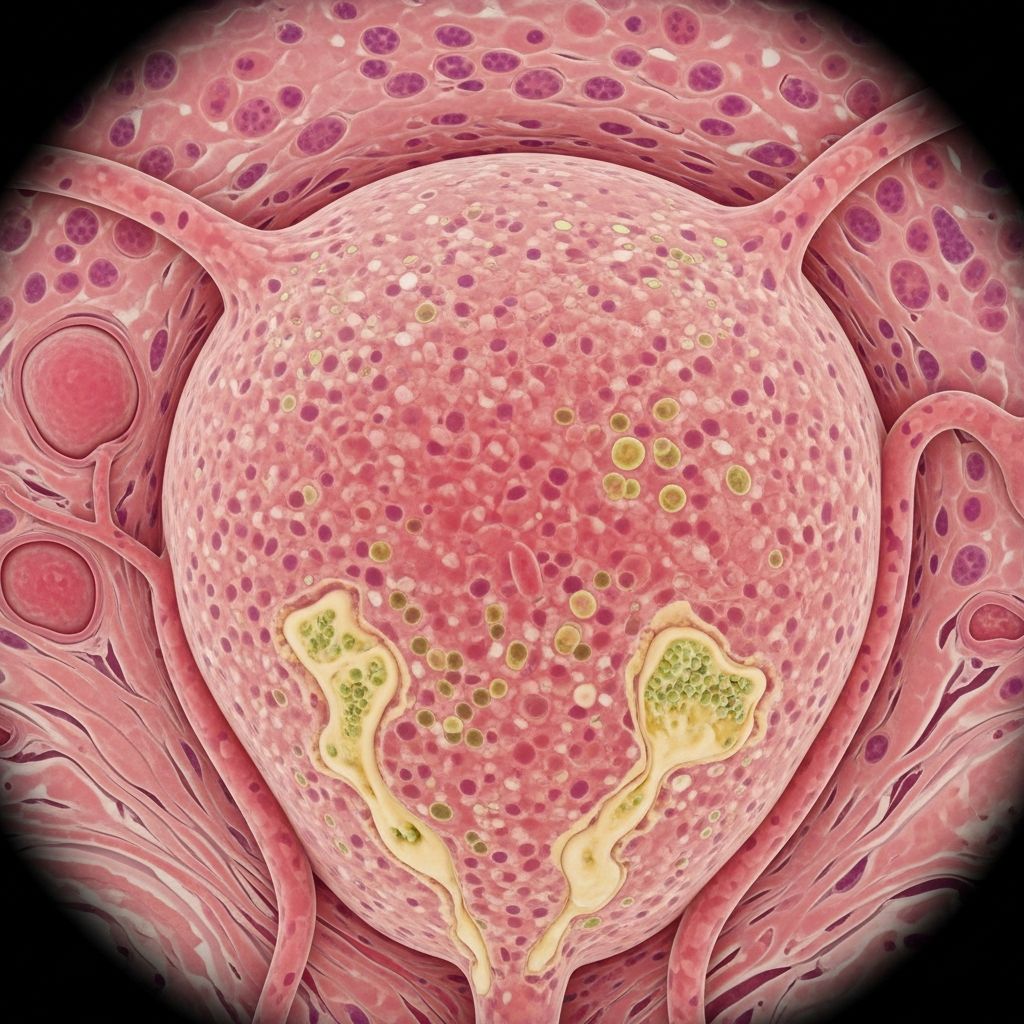
Urinary tract disorders represent a major challenge in swine production, particularly affecting breeding sows. These conditions, often involving bacterial invasions of the bladder and kidneys, lead to reduced fertility, poor litter performance, and significant economic setbacks for producers. Understanding the pathology, risk elements, and intervention tactics is essential for maintaining herd vitality.
Understanding the Pathology of Urinary Disorders in Pigs
The urinary system in swine comprises the kidneys, ureters, bladder, and urethra, all susceptible to infectious agents. Cystitis, an inflammation of the bladder, frequently progresses to pyelonephritis when bacteria ascend to the kidneys. This complex often stems from opportunistic pathogens exploiting anatomical or environmental weaknesses.
Bacteria such as uropathogenic Escherichia coli (UPEC) are primary culprits, capable of adhering to mucosal linings and forming biofilms. In experimental porcine models, a single transurethral introduction of UPEC like strain UTI89 establishes persistent bladder colonization lasting up to 23 days, triggering robust inflammation with edema and hemorrhages observable via cystoscopy.
Key Risk Factors Driving Infections
Several predisposing elements heighten susceptibility in sows. Insufficient water access promotes urine concentration, fostering crystalluria—crystal formation that irritates the mucosa and aids bacterial adhesion. High parity sows, enduring repeated farrowings, experience weakened pelvic muscles and urinary retention, creating stagnant conditions ideal for pathogen growth.
- Limited water intake leading to concentrated urine
- Crystalluria from mineral imbalances
- Prolonged recumbency post-farrowing
- Poor housing hygiene with fecal contamination
- Nutritional shortfalls affecting immune response
These factors compound during lactation when sows drink more but may not urinate frequently enough, allowing bacterial proliferation.
Clinical Manifestations and Herd Impacts
Infected sows display subtle to severe signs. Early cystitis presents as hematuria (blood in urine), pollakiuria (frequent small urinations), and dysuria (painful voiding). As pyelonephritis develops, systemic effects emerge: fever, anorexia, weight loss, and ventral edema. Chronic cases result in renal scarring, hypertension, and agalactia, impairing piglet viability.
Herd-level consequences are profound. Culling rates escalate due to infertility and poor condition scores. Piglet health suffers indirectly from reduced colostrum quality and maternal neglect, with studies linking maternal UTIs to higher pre-weaning mortality. Economic modeling estimates annual losses in the millions for large operations from treatment costs and productivity dips.
Diagnostic Approaches for Accurate Identification
Timely diagnosis hinges on a multi-faceted strategy. Necropsy remains the gold standard, revealing suppurative cystitis with mucosal edema and pyelonephritis characterized by white streaks on renal cortices. Ante-mortem, urinalysis detects pyuria, hematuria, and bacteriuria, while culture-sensitivity testing identifies pathogens and guides therapy.
Advanced imaging like ultrasound visualizes bladder wall thickening or renal pelvic dilation. Bloodwork assesses azotemia via elevated creatinine and urea, signaling renal compromise. Cystoscopy, performed under sedation, allows direct mucosal inspection and biopsy, mirroring findings in research models where acute edema transitions to hemorrhagic spots by day 5 post-infection.
| Diagnostic Method | Purpose | Key Findings |
|---|---|---|
| Urinalysis | Initial screening | Pyuria, hematuria, crystals |
| Culture & Sensitivity | Pathogen ID & antibiotics | E. coli, susceptibility profile |
| Ultrasound | Structural assessment | Wall thickening, hydronephrosis |
| Blood Chemistry | Renal function | ↑ Creatinine, urea |
Therapeutic Interventions and Protocols
Treatment prioritizes pathogen elimination while supporting organ function. Antibiotics form the cornerstone, selected via culture results. Common options include penicillins, tetracyclines, sulfonamides, and fluoroquinolones like enrofloxacin, administered for 7-14 days minimum to prevent relapse.
Supportive care enhances recovery: intravenous fluids combat dehydration, NSAIDs alleviate inflammation, and catheterization relieves obstruction. In renal insufficiency cases, aggressive infusion therapy accompanies antibiosis. Complete courses are vital to avert resistance, a growing concern in swine medicine.
For group therapy in outbreaks, water medication ensures compliance, but individual dosing via injection yields superior outcomes. Research affirms enrofloxacin’s efficacy against Eubacterium suis, resolving even hemorrhagic cystitis when confined to the bladder.
Nutritional and Feed Strategies for Prevention
Proactive nutrition mitigates risks. Acidifying agents like benzoic acid lower urine pH to 5.5-6.0, inhibiting bacterial proliferation and dissolving crystals. VevoVitall®, a pure benzoic acid product, conjugates to hippuric acid in the liver, exerting urinary acidification without oxidation losses.
Citric acid supplementation via mineral mixes similarly curbs infections by enhancing urine flow and reducing stasis. High-fiber diets promote peristalsis, minimizing retention, while balanced minerals prevent struvite formation. Feed acidification not only slashes UTI incidence but also cuts antimicrobial needs, bolstering welfare.
Management Practices in Sow Herds
Facility design profoundly influences disease dynamics. Elevated slatted floors facilitate drainage, curtailing bacterial reservoirs. Ample nipple drinkers (target: 4-6L/hour/sow) ensure hydration, with monitoring via intake logs. Post-farrowing exercise regimes counteract recumbency.
Hygiene protocols include daily manure scraping and disinfectants targeting gram-negatives. Parity management—culling high-number sows—lowers prevalence. Vaccination against UPEC strains shows promise in trials, though not universally available.
Experimental Insights from Porcine Models
Research models illuminate pathogenesis. Transurethral UPEC inoculation under anesthesia (propofol/fentanyl) replicates natural infection, with 10^8 CFU/ml yielding persistent bacteriuria. Biweekly cystoscopies track progression from acute edema to chronic lesions, informing human UTI parallels.
Sedation protocols (zolazepam/tiletamine/xylazine mixes) enable safe sampling, underscoring procedural rigor to avoid iatrogenic trauma. These models validate antibiotic durations and highlight reflux risks, guiding clinical extrapolations.
FAQs on Swine Urinary Health
What are the first signs of cystitis in sows?
Look for blood-tinged urine, straining, and frequent attempts to urinate. Early detection via farm checks prevents ascent.
Can UTIs resolve without antibiotics?
No, veterinary intervention is required; home measures like hydration aid but fail to eradicate bacteria.
How does feed acidification work?
It lowers urine pH, curbing bacterial growth and crystals, as with benzoic acid converting to hippuric acid.
Is pyelonephritis always fatal?
Not if treated promptly, but chronic cases demand culling to safeguard herd health.
What housing changes reduce risks?
Improve drainage, increase water points, and promote movement to avoid urine pooling.
Future Directions in Control
Emerging probiotics compete with pathogens, while phage therapies target resistant strains. Genomic surveillance tracks virulence factors, enabling precision breeding for resistant lines. Integrated approaches—nutrition, hygiene, targeted meds—promise sustainable reductions, aligning with antimicrobial stewardship goals.
References
- Urinary Tract Infections in Pets: Signs and Treatment — Lewiston Vet Clinic. 2023. https://lewistonvetclinic.com/urinary-tract-infections-in-pets-signs-and-treatment/
- EP 44: Porcine Cystitis in Swine — Pet Care Partners (YouTube). 2023. https://www.youtube.com/watch?v=vePslnzn_3w
- A Porcine Model for Urinary Tract Infection — Frontiers in Microbiology. 2019-11-15. https://www.frontiersin.org/journals/microbiology/articles/10.3389/fmicb.2019.02564/full
- The therapy of urinary tract infections in sows — PubMed. 1995. https://pubmed.ncbi.nlm.nih.gov/7781534/
- Urinary tract infections: A silent but serious problem for sows and their progeny — DSM-Firmenich. 2023. https://www.dsm-firmenich.com/anh/news/feed-talks/articles/urinary-tract-infections-a-silent-but-serious-problem-for-sows-and-their-progeny.html
- Biomin pHD – Urinary Tract Infection In Sows A Review — The Pig Site. 2015. https://www.thepigsite.com/focus/biomin/3792/biomin-biomin-phd-urinary-tract-infection-in-sows-a-review
Similar Articles






Read full bio of Sneha Tete