

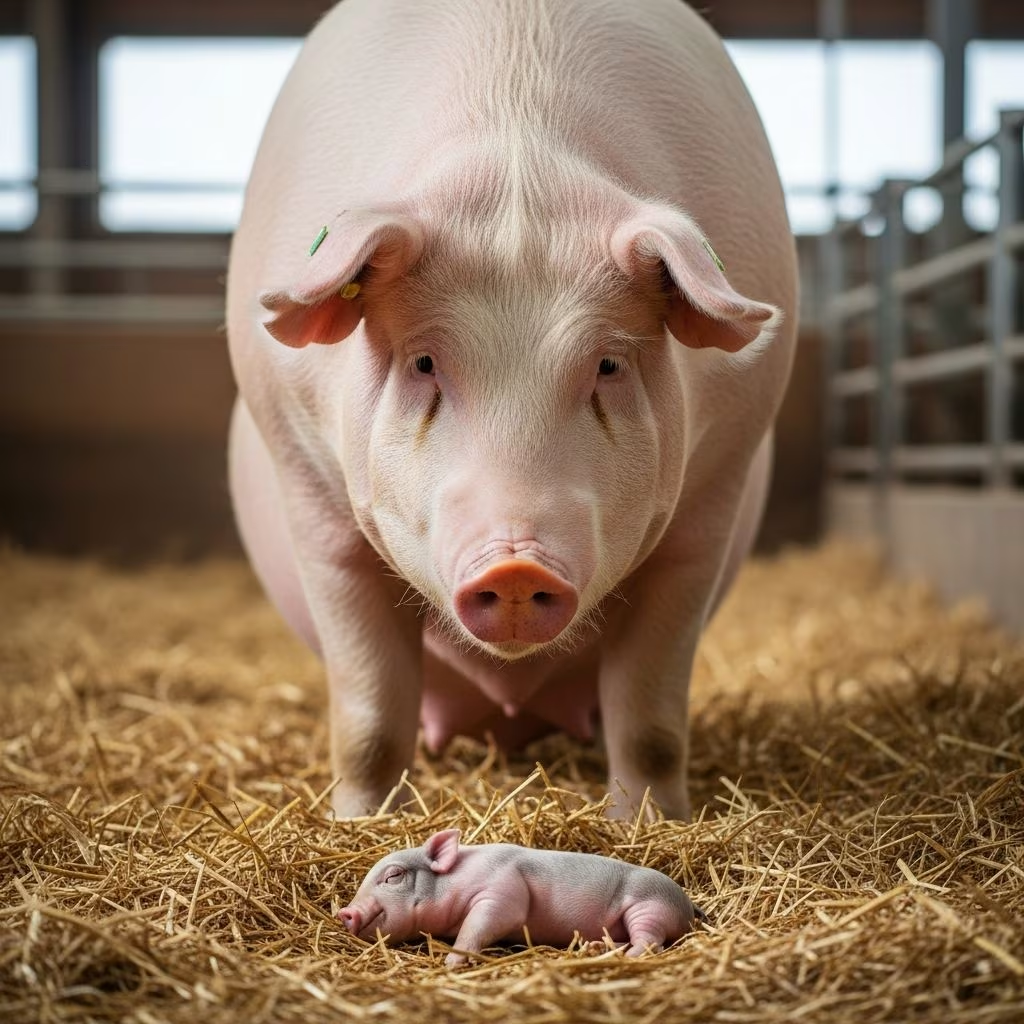
Introduction to Pregnancy Loss in Swine Production
Pregnancy loss in swine represents one of the most economically significant reproductive challenges facing modern pig farming operations worldwide. When pregnant sows and gilts fail to carry their litters to term, the consequences ripple through production schedules, financial projections, and herd health protocols. The distinction between early embryonic loss and late-stage fetal mortality becomes clinically important, as the timing of pregnancy loss determines both the biological mechanisms at work and the appropriate management responses. Understanding these reproductive failures requires knowledge of the complex interplay between infectious agents, environmental stressors, nutritional deficiencies, and management practices that collectively influence pregnancy outcomes.
Pregnancy Loss Classification and Timeline
The porcine pregnancy timeline provides essential context for understanding reproductive failure. Early pregnancy loss, occurring before day 35 of gestation, typically results in embryonic reabsorption and may go unnoticed by farm staff. During this critical window, as few as four viable conceptuses are required to maintain hormonal support for continued pregnancy. The loss of multiple embryos during early gestation can compromise progesterone production, triggering a cascade of endocrine disruptions that terminate the entire pregnancy.
Mid-gestational pregnancy loss, spanning days 35 to 70, often manifests as fetal mummification, where deceased fetuses undergo autolysis within the uterus and are retained until parturition. This phase represents a transitional period where fetuses have developed beyond simple reabsorption but lack sufficient maturity for independent viability. Late-gestational losses after day 70 typically result in the delivery of weak, stillborn, or recently deceased piglets at the expected farrowing date. Clinically recognizable abortions, defined as expulsion of recognizable fetuses before day 110 of gestation, represent the most visible form of pregnancy loss and usually prompt immediate farm investigation.
Viral Pathogens Associated with Pregnancy Loss
Parvovirus and Reproductive Collapse
Porcine parvovirus (PPV) ranks among the most significant viral threats to swine reproduction globally. This ubiquitous pathogen establishes itself in herds through carrier animals and environmental contamination. The timing of infection during pregnancy fundamentally determines reproductive consequences. Gilts infected during the first 30 days of pregnancy experience embryonic mortality, resulting in apparent infertility as owners observe return to estrus. Infections occurring between days 30 and 70 produce fetal mummification and stillbirths without clear clinical signs in the pregnant animal. Later infections rarely cause abortion, as fetuses develop sufficient immunity to overcome viral challenge.
The mechanism underlying PPV-induced reproductive failure involves direct viral invasion of placental tissues and fetal organs. At the cellular level, PPV triggers apoptosis in both luteal cells responsible for progesterone synthesis and in trophoblastic cells forming the placental barrier. The virus impairs expression of critical enzymes involved in progesterone production, simultaneously inducing programmed cell death through activation of p38, p53, and mitochondrial pathways. This dual mechanism ensures pregnancy termination through both hormonal insufficiency and direct fetal compromise.
Porcine Reproductive and Respiratory Syndrome Virus
Porcine Reproductive and Respiratory Syndrome Virus (PRRSV) represents an arterivirus of profound economic importance, affecting swine operations across multiple continents. Unlike PPV, which shows gestational-age dependent effects, PRRSV causes pregnancy loss more consistently throughout gestation, with particular impact during late pregnancy. Clinical presentation often includes respiratory signs and fever in pregnant animals during the periabortal period. Affected litters show characteristic pathology including umbilical cord hemorrhages, autolyzed fetuses, and weak piglets suffering from respiratory compromise.
The viral pathogenesis involves infection of endothelial cells lining maternal blood vessels, causing vasculitis and blood clot formation. Viral replication in endometrial connective tissue triggers local inflammation and cellular death, leading to placental separation and fetal detachment. The resulting inflammatory cascade produces tissue damage throughout the endometrium, placenta, and myometrium, creating an increasingly hostile intrauterine environment incompatible with fetal survival.
Pseudorabies Virus Mechanisms
Pseudorabies virus (PRV), also designated Aujeszky’s disease virus, employs a sophisticated infiltration strategy within pregnant animals. Following initial infection, the virus enters systemic circulation via uptake into circulating leukocytes, achieving dissemination to virtually every body tissue including placental structures. Infected immune cells penetrate the endothelial barrier protecting the maternal-fetal interface, establishing secondary replication sites within uterine blood vessels. This vascular involvement causes vasculitis and multifocal thrombosis, compromising placental perfusion and fetal oxygenation.
Early gestational PRV infection causes membrane detachment and subsequent loss of virus-negative fetuses through endothelial damage rather than direct viral attack. Mid and late gestational infections trigger abortion or stillbirth of virus-positive fetuses through accumulation of thrombotic lesions and progressive vascular compromise. The infection-induced cytokine release in the local uterine microenvironment accelerates adhesion of infected immune cells to endothelial surfaces, amplifying vascular damage.
Encephalitis B and Emerging Threats
Encephalitis B virus, while often clinically silent in swine populations, nevertheless poses reproductive hazards during pregnancy. The infection causes viral invasion of neuronal tissue and subsequent activation of brain immune responses, producing inflammatory cytokines that trigger a pathological \”inflammatory storm\” within the central nervous system. Manifestations in pregnant sows include high fever, abortion at various gestational stages, fetal mummification, stillbirth, and premature or delayed parturition.
Bacterial Infections and Reproductive Compromise
Facultative Bacterial Pathogens
Many bacterial species capable of causing abortion are normally present within swine herds as commensals or minor inhabitants of the reproductive tract. These facultative pathogens, including various enteric and environmental bacteria, typically cause disease only when immune suppression or predisposing conditions lower host resistance. Uterine infections ascending from the vaginal tract represent the primary route of pathogenic invasion. Environmental stress, nutritional insufficiency, or concurrent infectious disease may precipitate the transition from harmless colonization to active reproductive tract infection.
Specific Bacterial Pathogens
Brucella suis demonstrates a specific affinity for reproductive tissues and can cause abortion at any stage of pregnancy. The pathogen survives within fetal tissues, causing placentitis and fetal invasion. Leptospira species similarly show tropism for placental and fetal tissues, with certain serovars producing abortion, stillbirth, or delivery of weak piglets. Erysipelothrix rhusiopathiae typically causes systemic disease manifesting as fever, arthritis, and skin lesions; the associated fever and systemic illness secondarily precipitate pregnancy loss rather than direct fetal invasion.
Environmental and Management Contributors to Pregnancy Loss
Temperature and Humidity Effects
Environmental thermal conditions profoundly influence reproductive hormone secretion and pregnancy maintenance. Elevated ambient temperature combined with high humidity induces heat stress that disrupts the endocrine control of pregnancy through multiple mechanisms. Heat stress increases cortisol and epinephrine secretion, simultaneously suppressing progesterone production essential for pregnancy maintenance. The resulting hormonal imbalance triggers luteal regression and pregnancy termination. Additionally, heat stress impairs immune function, increasing susceptibility to concurrent infections that might otherwise be controlled.
Seasonal Patterns and Photoperiod
Reproductive performance in swine demonstrates clear seasonal variation. Longer daylight exposure during spring and summer months suppresses reproductive hormones, whereas shorter day length in winter promotes reproductive activity. Late summer and early fall pregnancy losses increase in indoor systems lacking environmental control, correlating with ambient temperature peaks. Conversely, outdoor or partially outdoor systems show enhanced reproductive performance during moderate seasons and increased losses during temperature extremes.
Nutritional Deficiencies and Toxins
Inadequate nutritional provision during pregnancy increases abortion risk through multiple pathways. Insufficient energy intake compromises progesterone synthesis and reduces immune competence against concurrent infections. Specific micronutrient deficiencies, particularly vitamin E and selenium, impair immune function and increase oxidative stress within placental tissues. Additionally, mycotoxin contamination, particularly from zearalenone-producing molds, directly causes reproductive failure. Zearalenone exhibits estrogenic effects on reproductive tissue, causing vulval enlargement in piglets and mammary gland enlargement in non-pregnant gilts, with pregnancy loss through disruption of normal endocrine signals.
Environmental Contaminants
Air quality within swine facilities profoundly affects pregnancy maintenance. Elevated carbon monoxide concentrations from inadequate ventilation can directly cause abortion through fetal hypoxia. Ammonia accumulation from poor manure management causes respiratory tract inflammation and immune suppression. Dust and particulate matter create inflammatory conditions within the respiratory and reproductive tracts.
Non-Infectious Factors Dominating Reproductive Loss
Research demonstrates that non-infectious factors account for more than 70 percent of pregnancy losses in swine operations, yet these causes frequently receive insufficient attention compared to infectious disease screening. Management practices, environmental conditions, and physiological stressors collectively overwhelm infectious agents as primary causes of reproductive failure in most herds. This finding redirects focus toward barn management, housing design, feeding protocols, and work-related stress as critical intervention points.
Stress-Induced Pregnancy Loss
Psychological and physiological stressors trigger pregnancy loss through activation of the hypothalamic-pituitary-adrenal axis and subsequent cortisol release. Mixing unfamiliar animals, aggressive social hierarchies, transportation, and unexpected handling events all induce acute stress responses. Chronic stress from overcrowding, improper housing design, or unpredictable routine disruptions create sustained cortisol elevation that suppresses reproductive hormone secretion over extended periods.
Clinical Recognition and Diagnostic Approaches
Pregnancy loss manifestations vary considerably depending on gestational timing and causative agent. Early embryonic loss may appear as infertility with extended return-to-estrus intervals. Mid-gestational loss presents as delivery of mummified piglets mixed with live litters. Late-gestational loss manifests as stillbirths or weak neonates requiring intensive management. Sows may appear clinically normal throughout pregnancy loss, or may show fever, lethargy, and systemic illness before aborting recognizable fetuses.
Diagnostic investigation of pregnancy loss requires systematic sampling and laboratory analysis. Aborted fetuses should be submitted fresh for necropsy with collection of tissues for viral and bacterial culture. Vaginal discharges should be distinguished from normal post-partum fluid, as reproductive tract infection-associated discharge differs in character and timing. Blood serum from affected sows can reveal antibodies to specific viral pathogens, aiding retrospective herd diagnosis even after pregnancy loss resolution. Environmental assessments should evaluate facility design, temperature and humidity monitoring, and air quality parameters.
Prevention Strategies and Herd Health Management
Vaccination Programs
Parvovirus vaccination represents the foundation of reproductive disease prevention. All replacement gilts should receive either modified-live or inactivated vaccine at least 30 days prior to breeding, with timing chosen to establish immunity before conception. Natural exposure to fecal material from older sows can provide immunity for porcine enterovirus, though vaccines lack availability for this pathogen. Pseudorabies vaccination reduces disease severity though some jurisdictions require federal eradication program participation before vaccination approval.
Environmental Control
Maintaining ambient temperature between 65-75°F and relative humidity below 75 percent optimizes reproductive performance. Adequate ventilation systems should provide 25-30 air exchanges hourly while controlling draft. Gestation facilities should provide sufficient space to prevent aggressive interactions, typically 15-18 square feet per pregnant animal in group housing with individual stalls in controlled-access situations.
Gilt Exposure and Acclimation
Strategic exposure of young gilts to fecal material from established sows before breeding builds immunity to endemic microorganisms. This practice, termed “seeding,” allows protective antibody development before conception. Timing gilts to enter the herd during seasons with lower temperature stress and fewer acute disease challenges improves pregnancy success rates.
Frequently Asked Questions
- How can I distinguish true abortion from normal stillbirth?
- Abortion involves expulsion of recognizable fetuses before day 110 of gestation, whereas stillbirth refers to dead piglets delivered at or after the expected farrowing date. Early losses causing fetal reabsorption never become visible.
- What is the significance of fetal mummification?
- Mummified fetuses indicate mid-gestational death with subsequent autolysis and retained fetal tissues, typically expelled at normal farrowing time mixed with viable and stillborn littermates. This pattern suggests infectious or toxic insult between days 35-70 of pregnancy.
- Can vaccination prevent all pregnancy losses?
- Vaccination addresses only infectious causes, which account for approximately 30 percent of losses. Environmental and management factors causing 70 percent of losses require facility improvements and husbandry modifications.
- Why would a sow appear healthy before aborting?
- Some pathogens cause primary fetal infection with minimal maternal systemic signs, or infections occur with sufficient time remaining for recovery before pregnancy termination.
Summary and Practical Implementation
Addressing pregnancy loss in swine requires comprehensive analysis integrating infectious disease surveillance with environmental and management assessment. Implementation of vaccination protocols protects against high-risk viral pathogens while facility modifications eliminate environmental stressors driving non-infectious losses. Regular monitoring of reproductive performance indicators, including pregnancy loss rate, average litter size, and preweaning mortality, provides early warning of emerging problems. Collaboration with veterinary specialists experienced in swine reproduction enables rapid diagnosis and targeted intervention strategies specific to individual herd challenges. Success in reducing pregnancy loss ultimately depends on systematic attention to the complex multifactorial nature of porcine reproductive failure.
References
- Sow Reproductive Disorders: A Key Issue Affecting the Pig Industry — Frontiers in Veterinary Science. 2025-01-29. https://www.frontiersin.org/journals/veterinary-science/articles/10.3389/fvets.2025.1535719/full
- Abortion and Fetal Death in Sows — PubMed/National Center for Biotechnology Information. 2023-09-20. https://pubmed.ncbi.nlm.nih.gov/37724658/
- Infectious Causes of Infertility in Sows — University of Missouri Extension. 2023. https://extension.missouri.edu/publications/g2315
- Abortion in Sows: Causes and Prevention Strategies — Veterinaria Digital. 2024. https://www.veterinariadigital.com/en/articulos/abortion-in-sows-causes-and-prevention-strategies/
- Pig Abortion Causes and Circumstances — Oxford Sandy and Black Pig Group. 2024. https://oxfordsandyblackpiggroup.org/abortion/



