

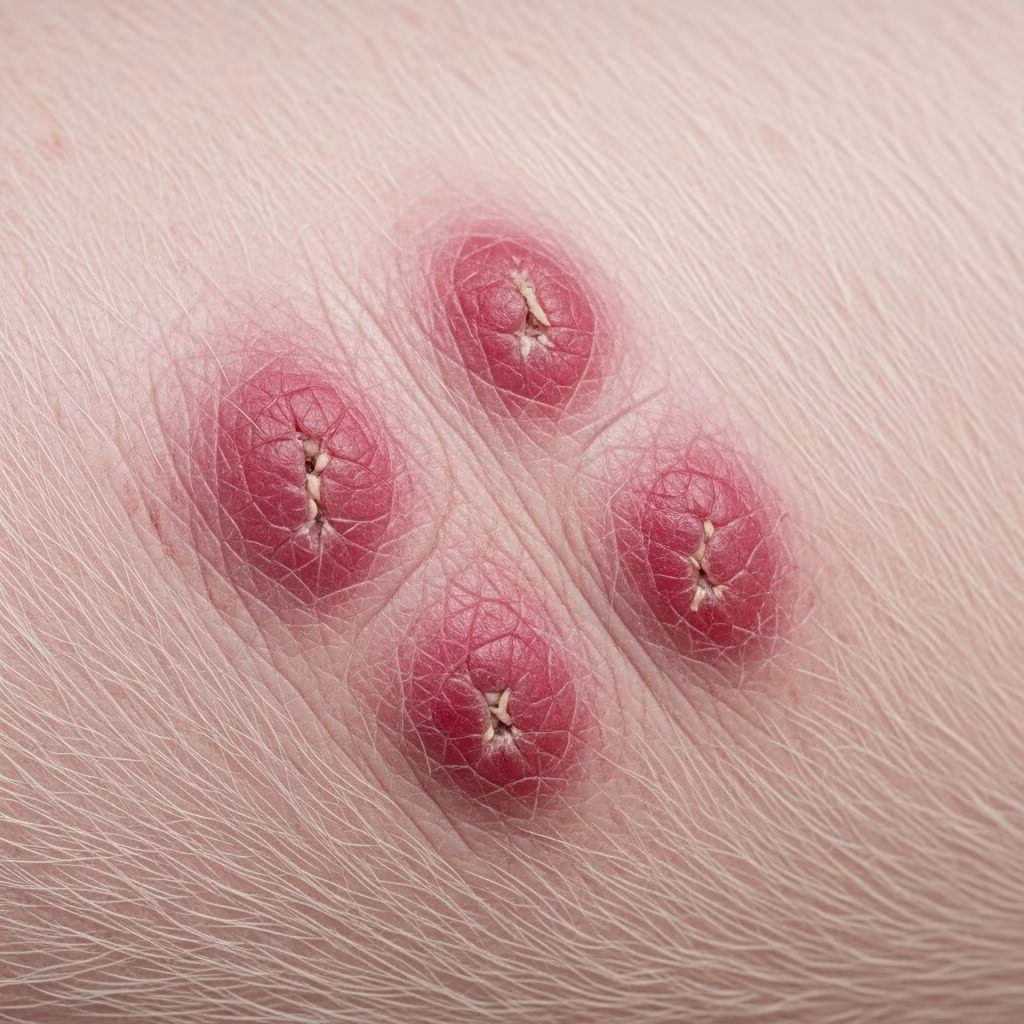
Swine erysipelas represents a significant bacterial infection in pig populations, primarily driven by Erysipelothrix rhusiopathiae. This pathogen triggers a spectrum of health issues ranging from sudden deaths to long-term mobility problems, impacting farm efficiency and animal welfare.
The Pathogen Behind the Disease
Erysipelothrix rhusiopathiae is a Gram-positive, rod-shaped bacterium that thrives in various environments. It commonly resides in soil, decaying organic matter, and the tonsils or intestines of healthy carrier pigs. Transmission occurs through oral-nasal routes, contaminated feed, water, or direct contact with infected secretions like feces, urine, or mucus. Pigs over 12 weeks old, especially growers and sows, face heightened risk during outbreaks, often exacerbated by stressors such as viral infections like PRRS or poor biosecurity.
The bacterium invades via minor skin abrasions, gastrointestinal breaks, or tonsils, rapidly multiplying to cause bloodstream invasion known as septicemia. This blocks small vessels, leading to characteristic skin changes and systemic effects. Immunity levels dictate disease severity: robust responses limit damage, while weak ones allow progression to chronic states.
Recognizing Acute Infections
Acute swine erysipelas strikes swiftly, often without warning. Pigs exhibit high fever (41-42°C or 106-108°F), reluctance to eat, excessive thirst, lethargy, and stiff gait resembling toe-walking. A hallmark is **diamond-shaped or rhomboid skin lesions**—raised, red-to-purple patches on the flanks, abdomen, back, or ears. These result from vascular thrombosis and may fade as the pig recovers, but they signal severe septicemia.
- Sudden deaths, especially in unvaccinated herds
- Labored breathing or cyanosis in advanced cases
- Sows may abort or deliver stillborns due to systemic spread
Without intervention, mortality can reach high levels, condemning carcasses at slaughter due to lesions.
Understanding Subacute and Chronic Forms
Subacute cases blend acute and chronic traits, with milder fever and partial lesion resolution, but pigs often transition to chronic issues. The most prevalent chronic manifestation is **arthritis**, causing swollen, hot, painful joints and progressive lameness. Affected pigs adopt an arched back, reluctant movement, and reduced growth rates.
Another critical chronic form involves **vegetative valvular endocarditis**—wart-like growths on heart valves. Pigs may appear normal at rest but collapse during exertion from respiratory distress, fatigue, or heart failure. Necrotic skin sloughs and purple lesions can accompany these. In boars, temporary infertility spans 6-8 weeks. Mortality remains low chronically, but productivity suffers immensely.
Diagnostic Approaches
Confirming erysipelas requires targeted testing amid nonspecific signs. Bacterial culture from blood, joint fluid, skin lesions, or fresh tissues remains gold standard, though PCR offers faster, highly specific detection. Postmortem exams reveal enlarged spleen, congested lungs, lymph nodes, and pathognomonic diamond lesions or heart vegetations. Differential diagnoses include salmonellosis, streptococcosis, or viral diseases, necessitating lab confirmation.
| Method | Sample Type | Advantages | Limitations |
|---|---|---|---|
| Bacterial Culture | Blood, fluids, tissues | Identifies pathogen directly | Slow (days), needs fresh samples |
| PCR Testing | Swabs, tissues | Rapid, sensitive | Requires lab equipment |
| Postmortem Exam | Organs, skin | Visual lesions confirmatory | Invasive, post-death only |
Effective Treatment Strategies
Early antimicrobial therapy transforms outcomes, with penicillin as the cornerstone due to the bacterium’s high susceptibility. Administer procaine penicillin G at 12-hour intervals for at least 3 days; severe cases demand longer courses or alternatives like long-acting formulations. Acutely ill pigs respond dramatically within 24-36 hours, often resolving fever and lesions.
Chronic arthritis responds poorly to antibiotics alone; non-steroidal anti-inflammatories (NSAIDs) or corticosteroids provide pain relief and mobility improvement. Treat entire herds metaphylactically during outbreaks via water or feed medication. Always consult vets for dosing under prescription to avoid resistance.
- Acute: Twice-daily penicillin injections
- Outbreaks: In-feed or water penicillin
- Chronic: Supportive anti-inflammatories
Vaccination and Prevention Tactics
Vaccines prove highly effective against acute forms, slashing losses and condemnations. Options include bacterins (killed) or attenuated live types, administered to piglets at 6-8 weeks with boosters. Breeding stock requires pre-breeding shots. Routine vaccination in endemic areas maintains herd immunity.
Biosecurity forms the foundation: enforce all-in-all-out systems, disinfect barns (effective against the bacterium sans heavy organics), quarantine newcomers, and control rodents/birds harboring the pathogen. Avoid overcrowding, ensure clean water/feed, and monitor for stressors triggering outbreaks.
Economic and Welfare Impacts
Swine erysipelas erodes profitability through deaths, slow gains, infertility, and slaughter rejections. Chronic cases demand culling, while treatments add costs. Proactive management via vaccination and hygiene yields strong returns, enhancing welfare by minimizing pain from lameness or endocarditis.
FAQs on Swine Erysipelas
What causes diamond skin lesions in pigs?
These hallmark signs stem from Erysipelothrix rhusiopathiae septicemia blocking skin vessels.
Is penicillin always effective?
Yes, for early acute cases; chronic forms need adjunct therapies.
How do you prevent outbreaks?
Combine vaccination, biosecurity, and hygiene protocols.
Can sows pass it to piglets?
Acute infections cause abortions/stillbirths; carriers shed via secretions.
What’s the role of PCR in diagnosis?
It provides rapid, confirmatory detection from samples.
Emerging Considerations for Herd Managers
Climate shifts and intensive farming heighten risks, underscoring integrated approaches. Track herd health metrics, collaborate with vets for surveillance, and adapt protocols based on local prevalence. Research into broader-spectrum vaccines continues, but penicillin sensitivity persists reliably.
(Word count: 1687)
References
- Swine Erysipelas – Infectious Diseases – Merck Veterinary Manual — Merck & Co. 2023. https://www.merckvetmanual.com/infectious-diseases/erysipellothrix-rhusiopathiae-infection/swine-erysipelas
- Erysipelas – Parvovirosis – Leptospirosis – MSD Animal Health Swine — MSD Animal Health. 2023. https://www.msd-animal-health-swine.com/diseases-solutions/sowcare/erysipelas/
- Erysipelas Swine Disease – Pipestone Veterinary Services — Pipestone Veterinary Services. 2023. https://pipevet.com/erysipelas-in-swine
- Erysipelas – Swine Diseases — University of Minnesota Libraries Publishing. 2023. https://open.lib.umn.edu/swinedisease/chapter/erysipelas/
- Animal Health and Welfare Knowledge Hub – Erysipelas — Farm Health Online. 2023. https://www.farmhealthonline.com/US/disease-management/pig-diseases/erysipellothrix-rhusiopathiae/
- Erysipelas | The Pig Site — The Pig Site. 2023. https://www.thepigsite.com/disease-guide/erysipelas-diamond-lesion



