

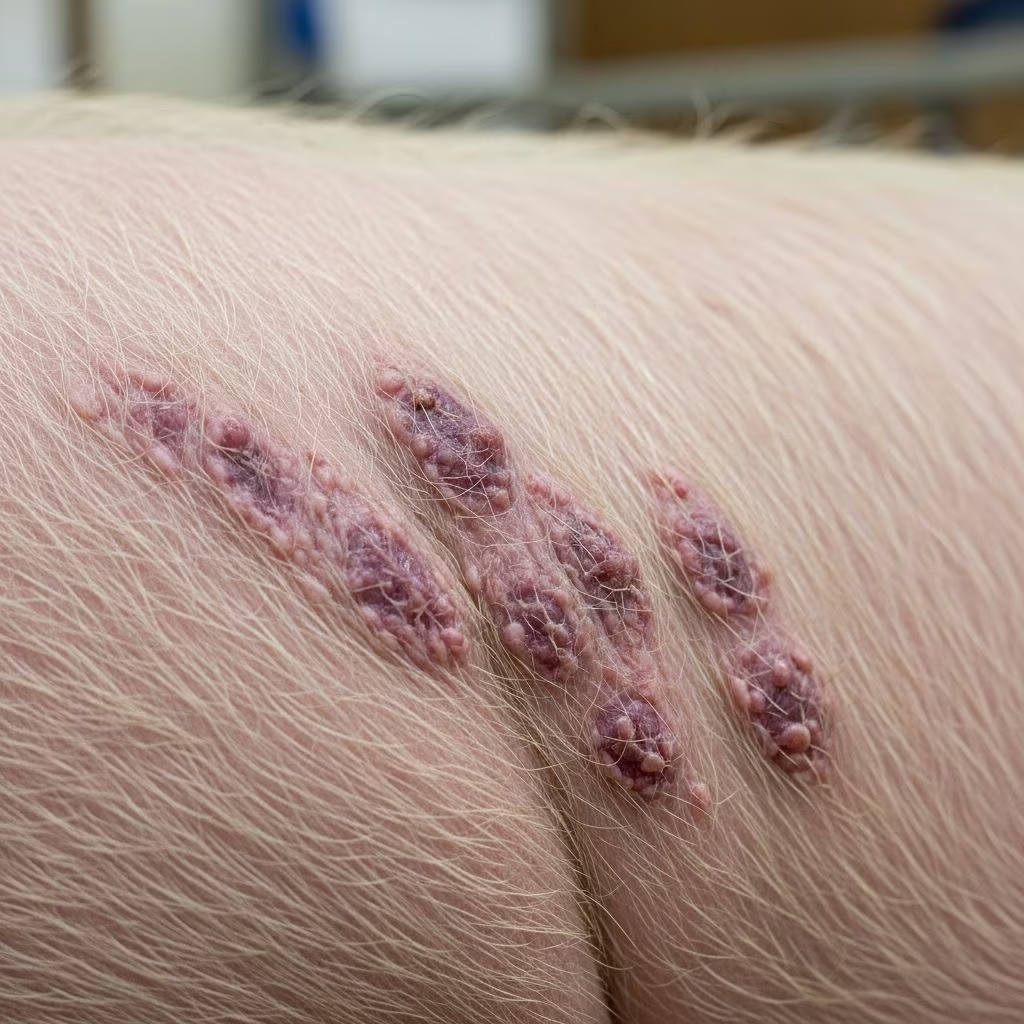
Swine erysipelas represents a significant bacterial infection affecting domestic pigs worldwide, primarily triggered by the pathogen Erysipelothrix rhusiopathiae. This gram-positive bacterium invades through oral or cutaneous routes, leading to a spectrum of disease manifestations from sudden deaths to persistent joint issues that compromise growth and slaughter value.
The Pathogen Behind the Disease
Erysipelothrix rhusiopathiae thrives in environments contaminated by pig secretions, persisting in soil, water, and decaying organic matter. Pigs often act as asymptomatic carriers, harboring the bacteria in their tonsils and shedding it via saliva, nasal mucus, feces, or urine. Transmission occurs mainly oronasally through contaminated feed, water, or bedding, with skin wounds serving as secondary entry points during fights or poor housing conditions.
Stressors like overcrowding, poor nutrition, concurrent viral infections such as PRRS or swine influenza, or sudden environmental changes can activate latent infections, sparking outbreaks in herds. The bacterium multiplies rapidly in the bloodstream, causing vascular blockages that produce hallmark skin changes.
Clinical Manifestations Across Disease Phases
Erysipelas presents in peracute, acute, subacute, and chronic phases, each with distinct signs impacting pig welfare and economics.
Peracute and Acute Forms
In the peracute phase, pigs succumb rapidly without prior symptoms, often found dead with no external clues. Acute cases strike growing pigs over 12 weeks, featuring high fever (40-42°C), anorexia, thirst, lethargy, and reluctance to move. Characteristic diamond-shaped skin lesions emerge on the flanks, abdomen, back, and ears—raised, red to purple rhomboid areas due to dermal thrombosis that may darken and slough. Respiratory distress, toe-walking from joint pain, and sudden death follow septicemia. Sows may abort, while boars face temporary infertility.
Subacute Presentations
Subacute erysipelas shows milder fever, transient skin patches that resolve in days, and reduced appetite, often overlooked but leading to carcass trimming at slaughter.
Chronic Complications
Survivors develop chronic issues, with arthritis being predominant: joints swell, become hot and painful, causing mild to severe lameness and stunted growth. Necrotic skin sloughs, leaving purple scars. Another form involves vegetative valvular endocarditis, where cauliflower-like growths on heart valves cause subtle signs like cyanosis, dyspnea on exertion, lethargy, and unexpected collapse. Mortality is low chronically, but productivity suffers.
Pathological Findings at Necropsy
Post-mortem exams reveal diagnostic lesions. Acute cases show diamond-patterned dermatitis, splenomegaly, congested lungs, and enlarged lymph nodes. Joints contain excess synovial fluid with fibrin. Chronic hearts display valvular vegetations impairing circulation, alongside fibrotic arthritis and skin scars.
| Phase | Skin | Joints/Heart | Internal Organs |
|---|---|---|---|
| Acute | Rhomboid red-purple raised areas | Early swelling | Spleen enlargement, lung congestion |
| Chronic | Sloughed necrotic patches | Enlarged hot joints; valvular vegetations | Fibrotic tissues |
Diagnostic Approaches
Diagnosis combines clinical observation—especially diamond lesions—with lab confirmation. Culture bacteria from fresh spleen, heart, joints, blood, or skin on selective media, avoiding antibiotic-pretreated samples. PCR detects E. rhusiopathiae DNA rapidly. Differentiate from salmonellosis, pasteurellosis, or streptococcosis via histopathology showing vascular thrombi without abscesses. Serology aids vaccination monitoring but not acute diagnosis.
Effective Treatment Protocols
Early intervention is crucial, as E. rhusiopathiae responds well to beta-lactams. Penicillin G procaine is the gold standard: inject at 12-hour intervals for 3+ days in acute cases, yielding recovery within 24-36 hours[10]. Alternatives include ampicillin, ceftiofur for injections, or tetracyclines via feed/water for groups, though resistance occurs sporadically. Chronic arthritis responds poorly to antibiotics; NSAIDs alleviate pain. Treat entire herds metaphylactically during outbreaks.
- Dosage Note: Consult vets for label doses; avoid under-treatment to curb resistance.
- Group Therapy: Medicated feed/water for impractical injections.
Prevention Strategies: Vaccination and Biosecurity
Vaccines are highly effective against acute septicemia and skin disease, reducing condemnations. Use bacterins (killed) or attenuated live types pre-breeding for sows (two doses 2-4 weeks apart, boosters annually) and at 6-8 weeks for growers. Safe, affordable, they cut losses significantly.
Biosecurity is vital: clean/disinfect barns (bacterium sensitive but organic matter protects it), control rodents/birds, quarantine newcomers, avoid contaminated gear/boots. Minimize stress via nutrition, ventilation, stocking density.
Economic and Zoonotic Implications
Erysipelas causes carcass condemnations from lesions/arthritis, growth delays, sow abortions, and boar infertility, hitting profitability. It’s reportable in some regions. Zoonotically, it causes erysipeloid skin infections in handlers via cuts, treatable with penicillin.
FAQs on Swine Erysipelas
Q: What causes diamond skin lesions?
A: Blood vessel thrombosis from septicemia blocks skin perfusion, forming geometric patterns.
Q: Is vaccination necessary for all herds?
A: Yes, especially in endemic areas or carriers; protects against acute losses.
Q: Can chronic cases be cured?
A: Arthritis persists; focus on pain relief and culling affected pigs.
Q: How to differentiate from other diseases?
A: Unique skin lesions and culture confirm; rule out via necropsy.
Q: Treatment duration for acute cases?
A: Minimum 3 days penicillin; extend for severe infections[10].
Management Best Practices Table
| Aspect | Actions |
|---|---|
| Vaccination | Sows: Pre-breeding + annual; Piglets: 6-8 weeks |
| Biosecurity | Disinfect, rodent control, quarantine |
| Treatment | Penicillin IM BID x 3 days minimum |
| Monitoring | Watch for fever, lesions, lameness |
References
- Swine Erysipelas – Infectious Diseases – Merck Veterinary Manual — Merck & Co. 2023. https://www.merckvetmanual.com/infectious-diseases/erysipelothrix-rhusiopathiae-infection/swine-erysipelas
- Erysipelas Swine Disease – Pipestone Veterinary Services — Pipestone Vet. 2023. https://pipevet.com/erysipelas-in-swine
- Erysipelas – Swine Diseases — University of Minnesota Libraries. 2023. https://open.lib.umn.edu/swinedisease/chapter/erysipelas/
- Swine erysipelas (diamond skin disease) in pigs – MS Schippers — MS Schippers. 2023. https://www.msschippers.com/en-EU/advice/protect-against-erysipelas-diamond-skin-disease
- Erysipelas | The Pig Site — The Pig Site. 2023. https://www.thepigsite.com/disease-guide/erysipelas-diamond-lesion
- Swine erysipelas – Ohio Department of Agriculture — Ohio Dept. of Agriculture. 2022-01-01. https://agri.ohio.gov/wps/wcm/connect/gov/443959c8-59e5-431a-8d7c-79f02a1820df/Swine-erysipelas.pdf?MOD=AJPERES&CONVERT_TO=url&CACHEID=ROOTWORKSPACE.Z18_M1HGGIK0N0JO00QO9DDDDM3000-443959c8-59e5-431a-8d7c-79f02a1820df-mfmL8Ho



