

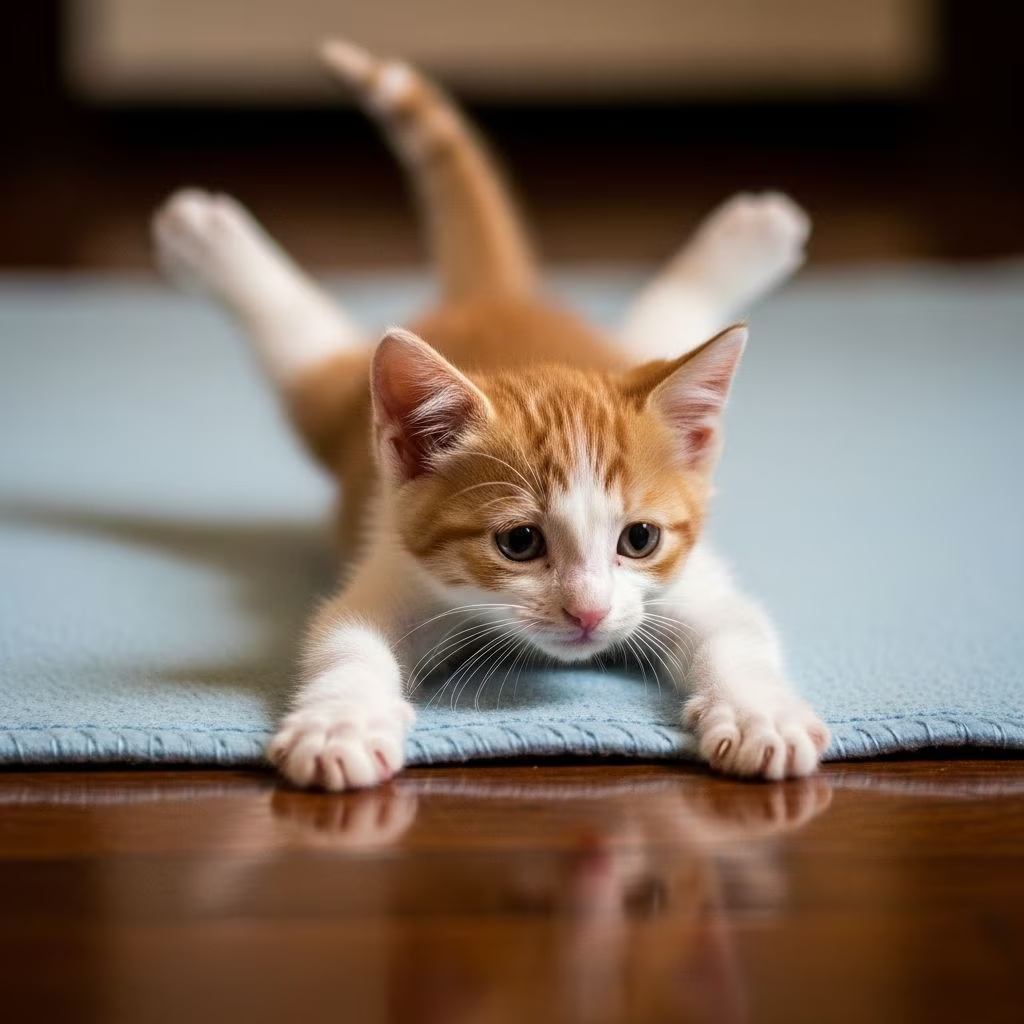
Swimmer syndrome is a congenital disorder primarily impacting newborn kittens, leading to abnormal leg positioning that hinders their ability to stand or walk normally. This condition manifests as the hind legs (and occasionally front legs) splaying outward in a frog-like or swimming posture, typically noticeable around 15-20 days of age. While the precise origins remain unclear, prompt veterinary intervention through physical therapy, supportive bandaging, and environmental adjustments can significantly improve outcomes, allowing many kittens to lead active lives.
Recognizing the Hallmarks of Swimmer Syndrome
The most striking indicator of swimmer syndrome is the distinctive leg posture where a kitten’s limbs extend laterally or posteriorly instead of tucking under the body for support. Affected kittens often drag their chest along the ground, unable to elevate themselves, which resembles a swimming motion during attempted movement. This issue usually emerges in the first few weeks of life, with hind limbs most commonly involved, though all four legs can be affected in rarer instances.
- Primary symptom: Legs splayed sideways or backward, preventing standing.
- Locomotion difficulties: Inability to walk; kittens scoot on their bellies.
- Early onset: Visible as early as 7-20 days old.
- Secondary effects: Potential weight loss from challenges reaching the mother for nursing.
Observing a kitten past 20 days without attempting to stand warrants immediate veterinary evaluation, as delayed recognition can exacerbate complications.
Unraveling the Potential Origins
Veterinarians have not pinpointed a single cause for swimmer syndrome, but research points to a combination of genetic predispositions and environmental influences during gestation. It frequently appears in multiple kittens from the same litter, suggesting heritability, possibly linked to inbreeding or selective breeding practices. Maternal nutrition plays a suspected role; deficiencies or imbalances in the queen’s diet may impair proper musculoskeletal development in utero, weakening tendons and ligaments around the hips and joints.
| Proposed Factor | Description | Impact on Kittens |
|---|---|---|
| Genetic | Hereditary weakness in leg tendons/muscles | Affects litters; common in certain breeds |
| Maternal Diet | Unbalanced nutrition (e.g., excess protein or deficiencies) | Leads to ligament laxity |
| Environmental | Uterine positioning or overcrowding | Alters leg development |
| Metabolic | Maternal disorders during pregnancy | Contributes to tendon underdevelopment |
Unlike acquired injuries, this is a birth defect, not progressive, emphasizing the need for breeding programs that prioritize health screening.
Complications Arising from Untreated Cases
Prolonged immobility from swimmer syndrome can trigger severe secondary issues, most notably flat-chested kitten syndrome (FCKS). Constant chest pressure on flat surfaces flattens the ribcage, restricting lung expansion and leading to respiratory distress, skin sores, regurgitation, and potential fatal lung collapse. Other risks include muscle atrophy, urinary infections from poor hygiene, and starvation if nursing is impeded. These underscore the urgency of early detection—kittens left untreated rarely survive long-term without humane euthanasia considerations.
Diagnostic Approaches in Veterinary Practice
Diagnosis relies heavily on clinical observation rather than advanced imaging, as the posture is pathognomonic. A veterinarian performs a thorough physical exam, assessing limb flexibility, joint stability, and ruling out neurological or traumatic causes. No specific blood tests or X-rays are routinely needed unless complications like FCKS are suspected. History from the owner, including litter details and maternal health, aids in identifying risk factors.
Comprehensive Treatment Strategies
Success hinges on intervention before 3-4 weeks of age, when bones are still malleable. Treatments focus on repositioning limbs, strengthening muscles, and preventing secondary damage. A multi-faceted plan often includes:
- Hobbling or Bandaging: Medical tape or soft wraps bind legs in a normal standing position, changed daily to avoid irritation. This encourages proper alignment.
- Physical Therapy: Gentle massages, passive leg manipulations, and supported swimming in warm water build strength and coordination.
- Environmental Modifications: Provide non-slip surfaces like carpets, elevated nursing areas, and frequent repositioning to avoid chest compression.
- Nutritional Support: High-quality kitten formula via syringe if needed, ensuring weight gain.
Prognosis is favorable with compliance; many kittens walk normally within weeks. In severe cases involving all limbs or FCKS, outcomes may be guarded, prompting discussions on quality of life.
Step-by-Step Home Care Protocol
Once diagnosed and stabilized, owners play a pivotal role. Here’s a structured routine:
- Morning Bandage Change: Remove old wrap, clean skin, reapply in figure-eight pattern around hips.
- 10-Minute Massage Session: Firmly but gently knead limbs from hip to paw.
- Supervised Play: Encourage crawling on textured mats; avoid slick floors.
- Evening Hydrotherapy: Shallow warm water treading for 5-10 minutes.
- Monitoring: Track weight, appetite, and posture daily; report setbacks promptly.
Consistency yields results—owners report full recovery in 70-90% of early cases under veterinary guidance.
Preventive Measures for Breeders and Owners
While not fully preventable, risks can be minimized. Prospective breeders should select unrelated, health-tested parents, avoiding inbreeding. Queens require balanced, vet-approved diets rich in calcium, taurine, and omega fatty acids during pregnancy. Monitor litters closely from birth, intervening at the first sign of abnormal posture. Spaying/neutering non-breeding cats curtails genetic propagation.
Long-Term Outlook and Monitoring
Post-recovery kittens often develop normally but may retain mild gait quirks. Annual vet check-ups ensure no relapses or arthritis. Owners should watch for signs of orthopedic strain in adulthood, providing joint supplements if advised. With proper management, affected cats enjoy full lifespans, debunking myths of inevitability.
Frequently Asked Questions (FAQs)
Is swimmer syndrome painful for kittens?
No, it’s not typically painful; discomfort arises from secondary issues like sores or hunger if untreated.
Can adult cats develop swimmer syndrome?
No, it’s exclusively congenital in newborns; adult leg splaying suggests injury or neurology.
How long does treatment take?
2-6 weeks with daily care; earlier start means faster recovery.
Does it affect specific breeds more?
No breed predilection; seen across all, possibly higher in inbred lines.
What if only front legs are affected?
Rarer but treated similarly; prognosis remains good with prompt care.
Expert Insights on Feline Orthopedics
Veterinary orthopedists emphasize multidisciplinary approaches, integrating rehab specialists for complex cases. Recent studies (post-2024) explore genetic markers, promising future screening tools. Owners are empowered through online resources from bodies like the American Association of Feline Practitioners, stressing welfare-first decisions.
References
- Swimmer Syndrome In Cats: Symptoms, Causes, & Treatments — CatTime. 2023. https://cattime.com/cat-facts/health/44526-swimmer-syndrome-in-cats-symptoms-causes-treatments
- Swimmer Syndrome in Cats: Our Vet Explains Causes, Signs — Catster. 2024. https://www.catster.com/ask-the-vet/swimmer-syndrome-in-cats/
- Swimmer Kitten Syndrome in Cats – Causes, Treatment — Vetster. 2024. https://vetster.com/en/conditions/cat/swimmer-kitten-syndrome
- Swimmer Syndrome in Cats — WagWalking. 2024. https://wagwalking.com/cat/condition/swimmer-syndrome
- Diving into the Causes and Treatment of Swimmer Syndrome — Kitten Coalition. 2023. https://kittencoalition.org/diving-into-the-causes-and-treatment-of-swimmer-syndrome/



